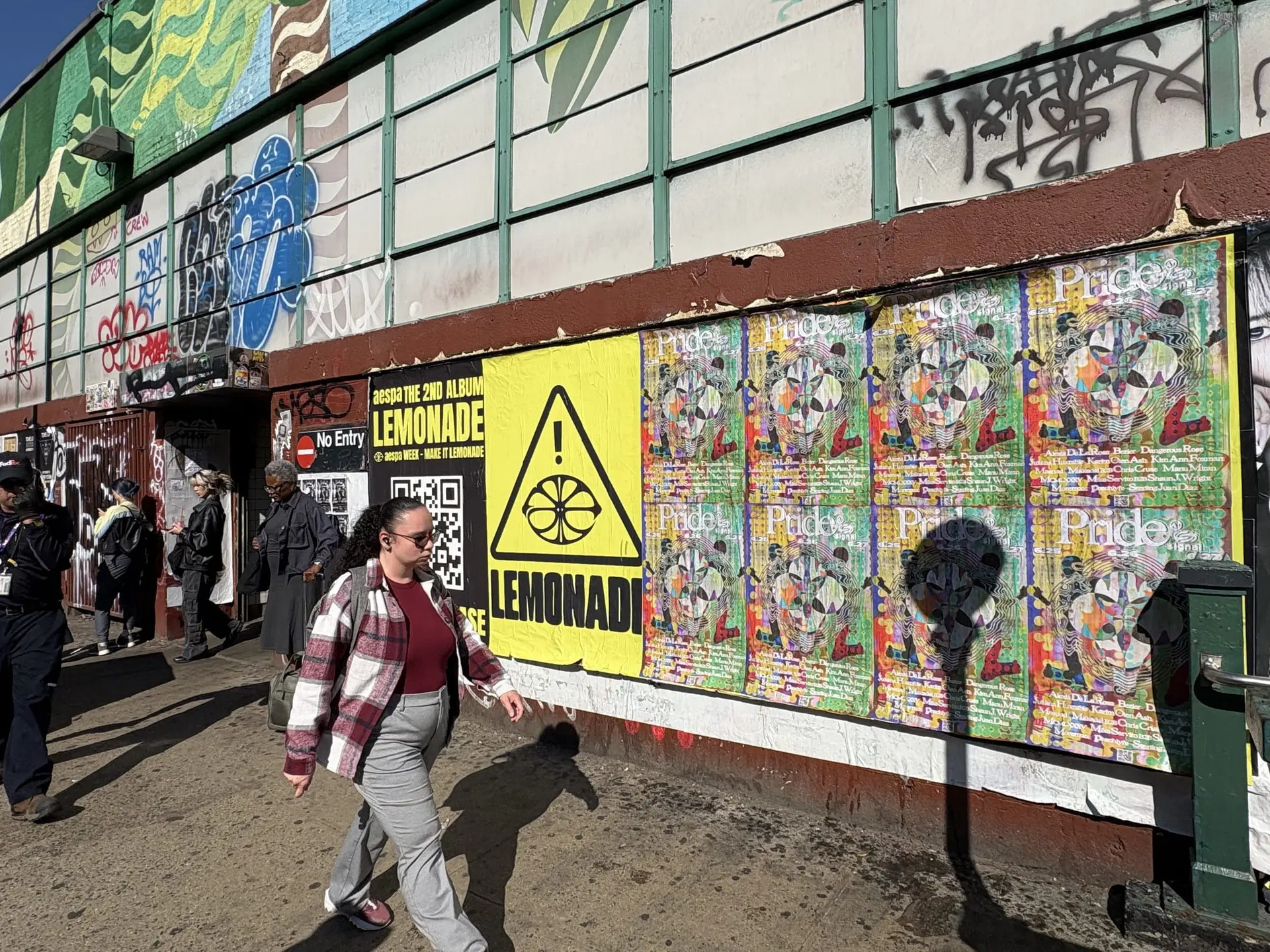
Neighborhood Saturation Campaigns.
Neighborhood saturation campaigns. Multi-format wheatpaste, stencil, and pole-sticker takeovers that own a 10-block radius for 4 to 8 weeks.
We delivered.




















Brand partners include: FIFA World Cup 2026, Palantir, Sézane, G-Shock, Mitchell & Ness, True Religion, Huda Beauty, Yonex, Relevance AI, Momentous, RYZE Coffee, Bloom Effects, Incrediwear, Brooklyn Museum, Sweat FC, HydroJug, Frameline, Alchemy, OneRepublic, Lone Fox, Vaura Pilates.
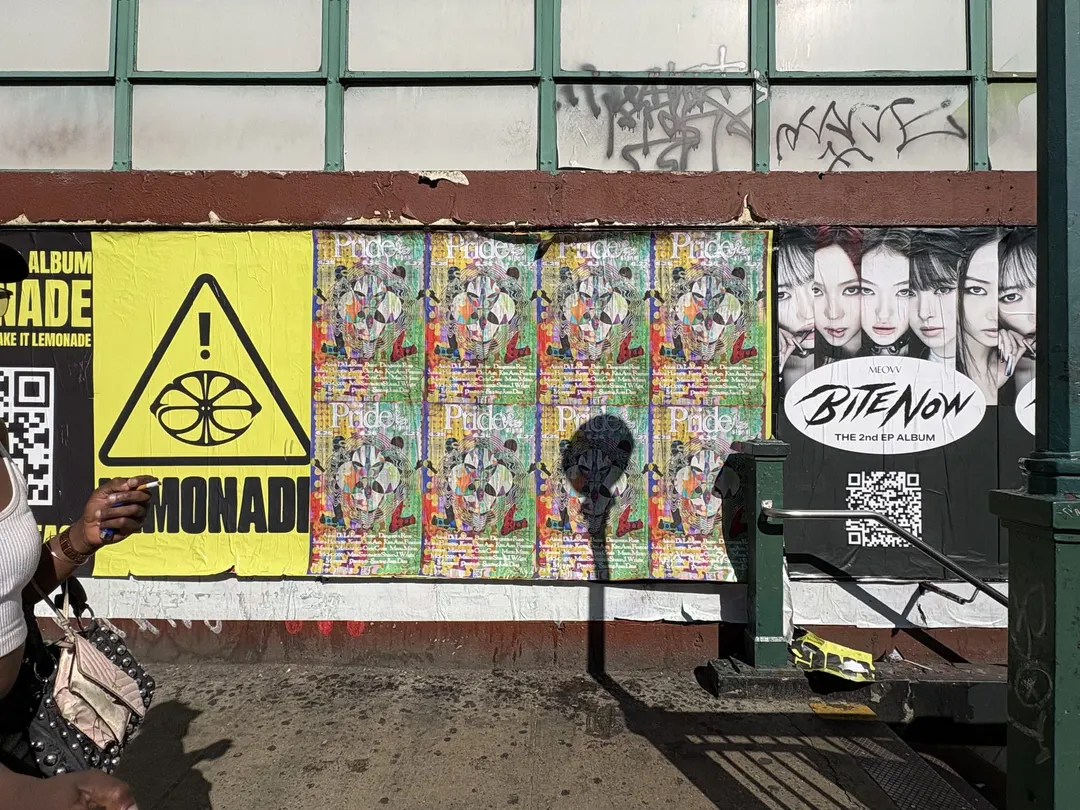
Own the neighborhood
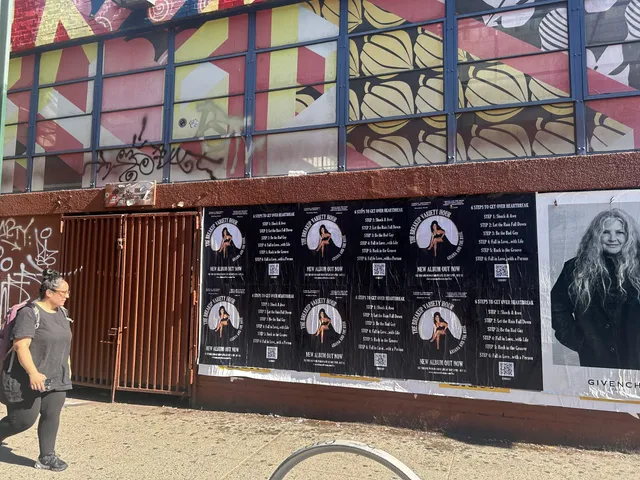
A saturation campaign concentrates 30 to 80 placements across two to four street formats inside one ten-block radius, run over a four to eight week window. The mix stacks wheatpaste on walls and storefronts, pole stickers on corners, sidewalk stencils at intersections, and interior installs in cafes, bars, and boutiques, so a pedestrian crossing the neighborhood meets the same brand on different surfaces. We handle the full build in-house, printing and installation both, plus a GPS-tagged map of every placement.
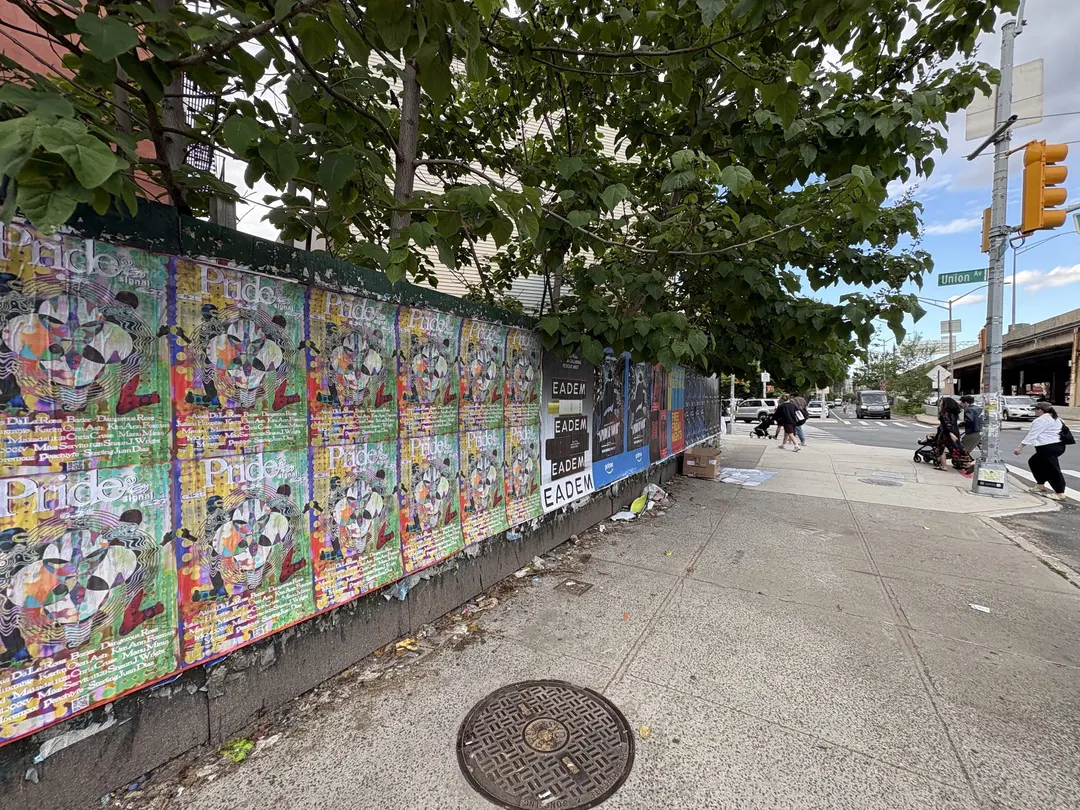
- Density is the message
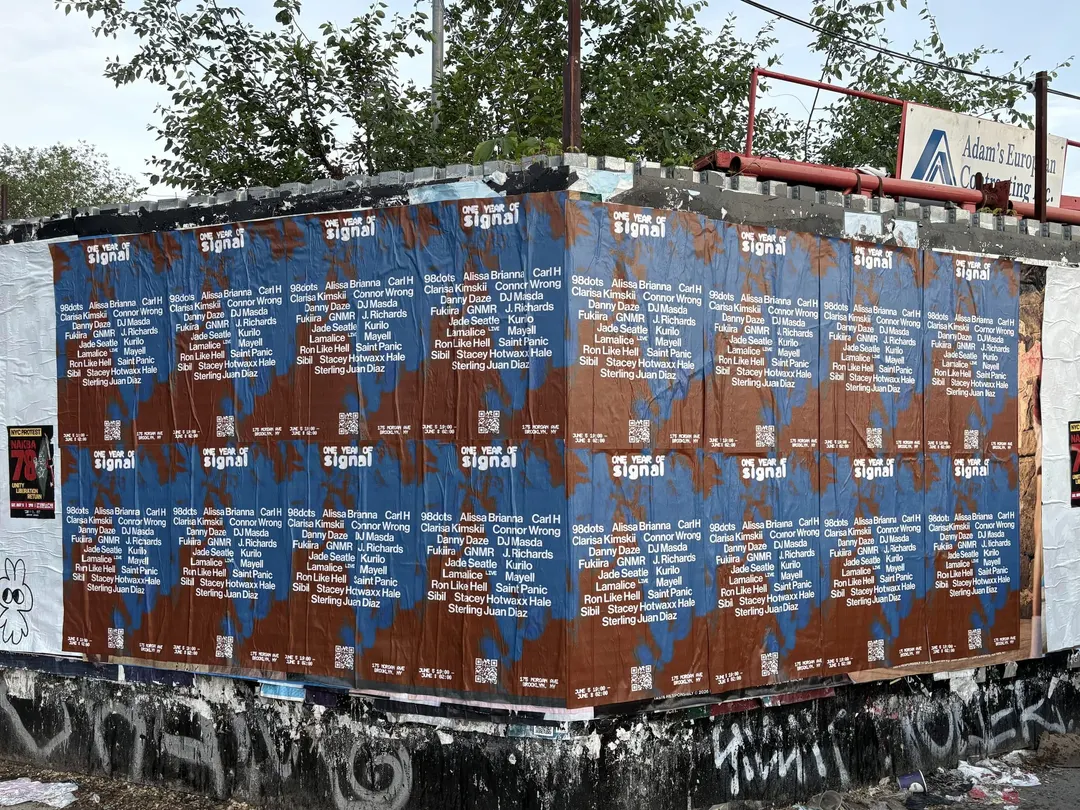
Saturation means the creative stops being a poster and becomes the texture of the block: walls covered edge-to-edge, corner to corner.
- Corners get wrapped
Runs turn the corner instead of ending at it, so the takeover reads from every approach to the intersection.
- One design, repeated at scale
Repetition does the persuasion: after the third wall, the brand is part of the neighborhood, not an interruption in it.
Who it's for.
- You want to own one creative-class district like Williamsburg, Wynwood, SoMa, or East Austin rather than scatter a budget thin across a whole city.
- You are betting on frequency: you want the same audience to see your brand five times on a single commute, not once.
- You need several formats coordinated as one campaign with one measurement, not four separate vendors and four invoices.
- You are targeting a specific neighborhood where your audience already walks and the local design crowd amplifies what they spot.
Why it works.
- Frequency builds belief
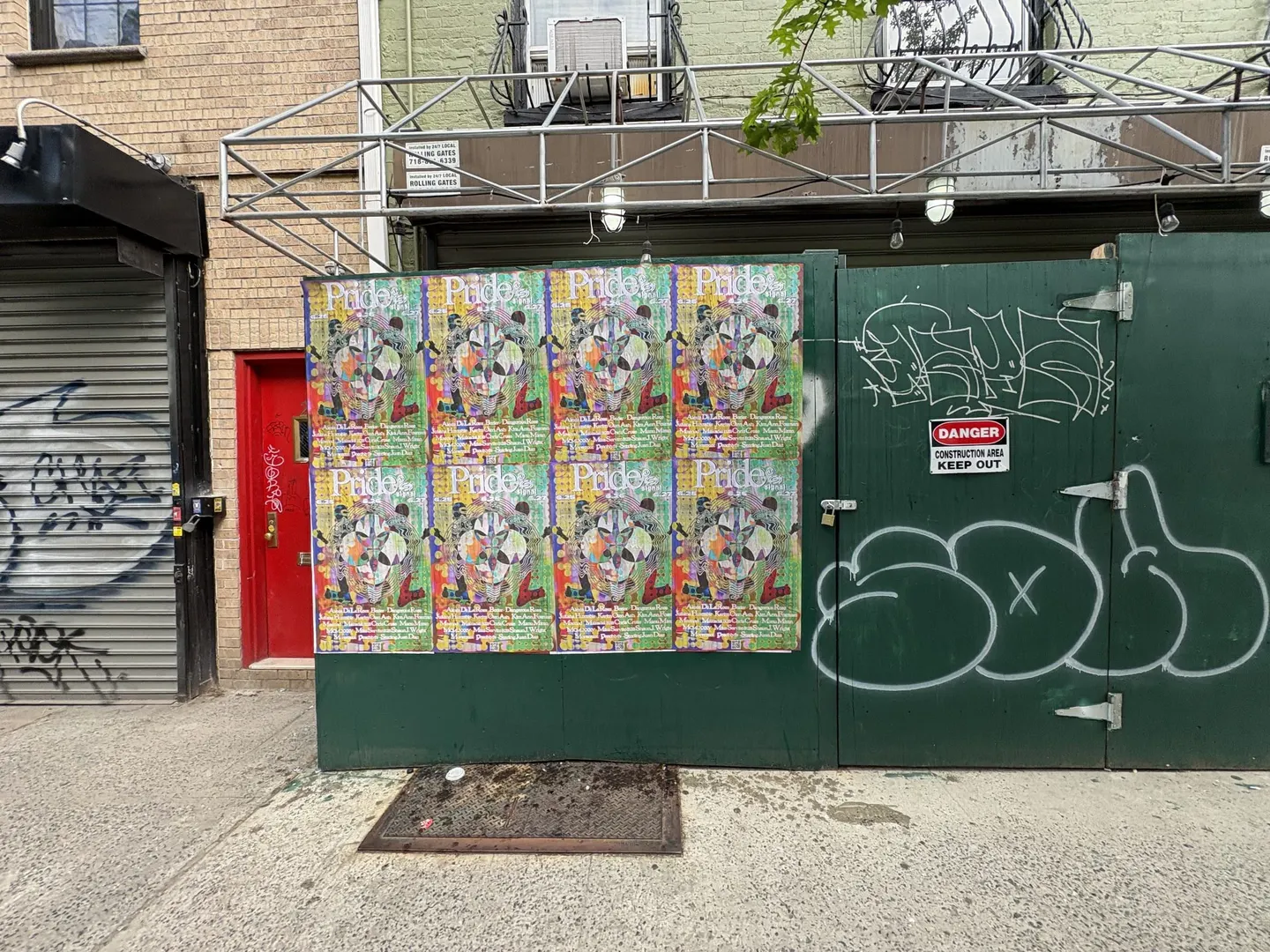
Five encounters across walls, poles, stencils, and interiors in one ten-block walk reads as "this brand is everywhere here," which a single poster never does.
- Density over sprawl
Thirty placements in one neighborhood create presence. The same thirty spread across a whole city just create noise.
- Rotated creative
We run three to five creative variations across the formats so the wall, the sticker, the stencil, and the interior poster each say something fresh and the eye never tunes them out.
- One roof, one quote
Printing and installation both run in-house, so a four-format build batches into a single quote and one coordinated schedule instead of four separate shops.
We have run this before.
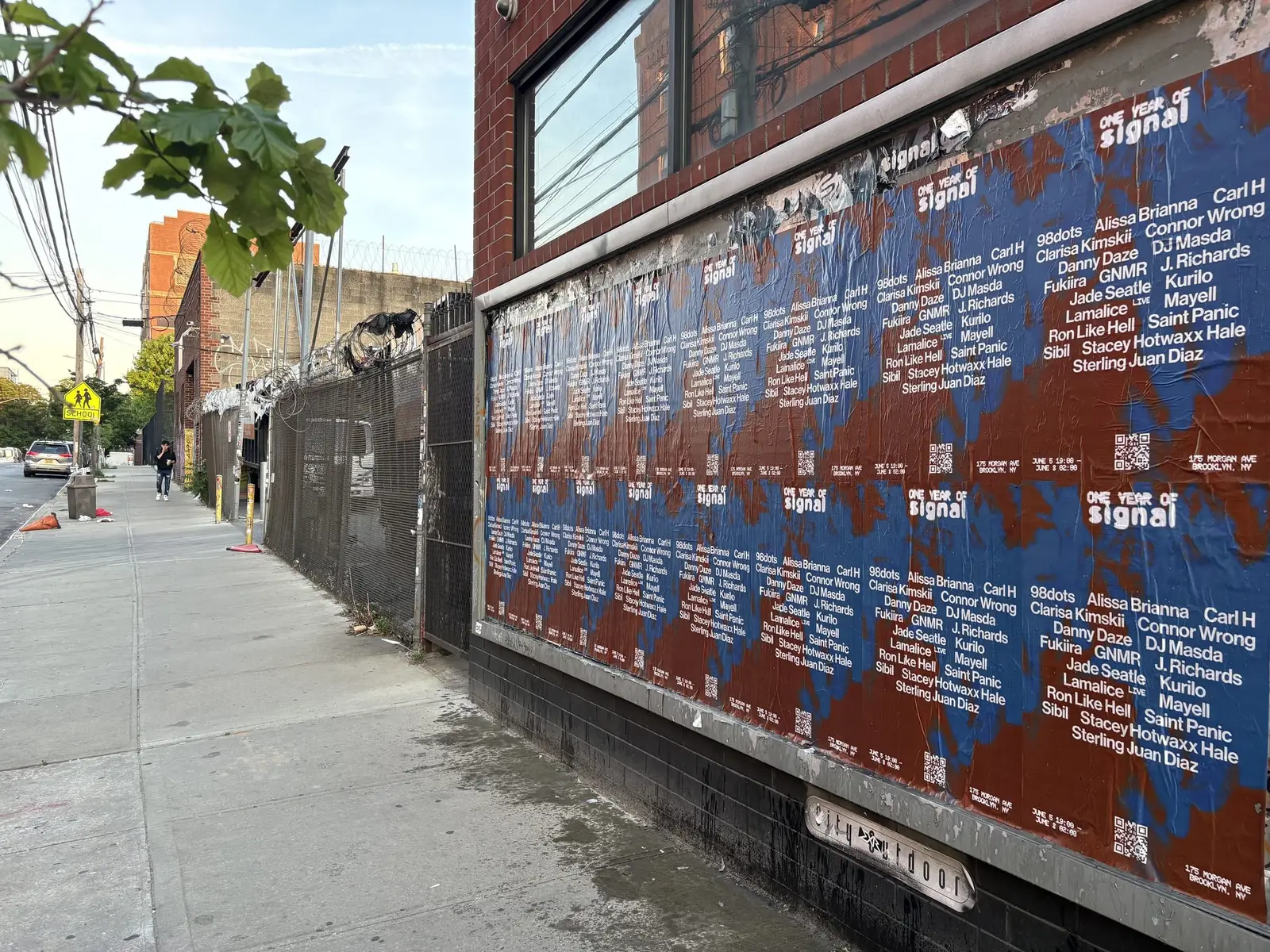
233 documented placements for Signal, Signal and It Starts In Pittsburgh are on file — every one photographed with GPS coordinates the day it went up.
500+ documented installs · Zero municipal removals on record · A GPS photo of every placement
Proof · Printed in-house · Installed by our crew
Saturation Campaigns, priced in the open. Proof included.
Floors start at $12,000 with printing and installation included, 7-14 days turnaround. Send the brief; a scoped saturation campaigns quote comes back inside 24 hours with a GPS-stamped photo of every placement when the run wraps.
- Quote in under 24 hours
- No discovery call. The brief is the call.
- Printing & Installation under one roof
Brief us · Quote in under 24 hours
Start your saturation campaigns campaign.
How it's made.
Rank the neighborhood
Before you commit, we score candidate neighborhoods on four criteria: pedestrian foot traffic, demographic match, legal surface inventory, and cultural fit. Williamsburg, the Mission, Wynwood, and East Nashville score the way saturation wants.
Map the surfaces
We work the permit reality format by format. Wheatpaste runs on private property with owner consent (hoardings, storefronts, alley walls), pole stickers get verified against utility-box policy per jurisdiction, stencil rules vary by city, and interiors are arranged venue-side. The campaign is built around the surfaces that are legal there.
Sequence the install
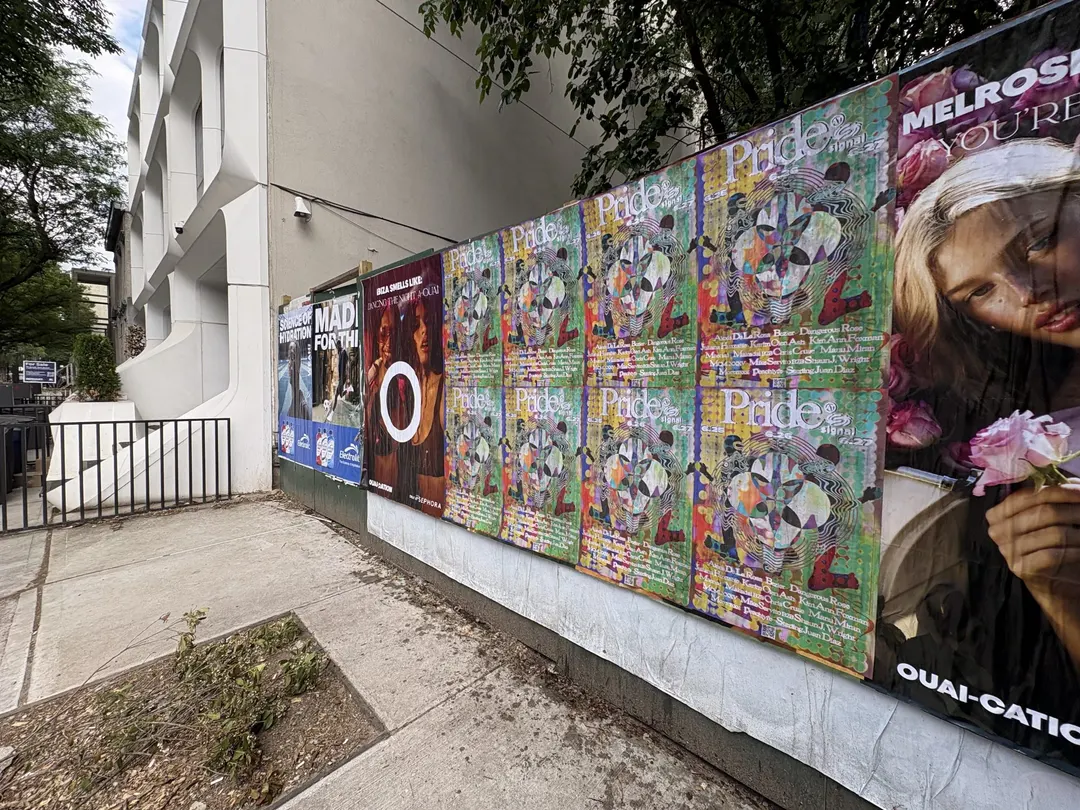
Installs stagger across the window: wheatpaste on prime walls in days one to three, stencils and pole stickers across the corners in days four to six, interior placements as the dwell layer in days seven to eight. The order keeps every format fresh at once.
Layer the formats
Wheatpaste, pole stickers, sidewalk stencils, and interior installs run as one strategy under a single measurement, with three to five creative variations rotated across them so repeat exposure reinforces instead of repeating.
Document every placement
You get a GPS-tagged saturation map covering the ten-block radius and every placement, per-format counts (walls, stickers, stencils, interiors), full photo documentation by format, and a social-ready image set.
Built to run together.
Expedited
From$7,000Expedited guerrilla marketing campaigns. Brief to wall in 24-72 hours. Product launches, album drops, news-cycle moments. True Religion: 36hr install.
View discipline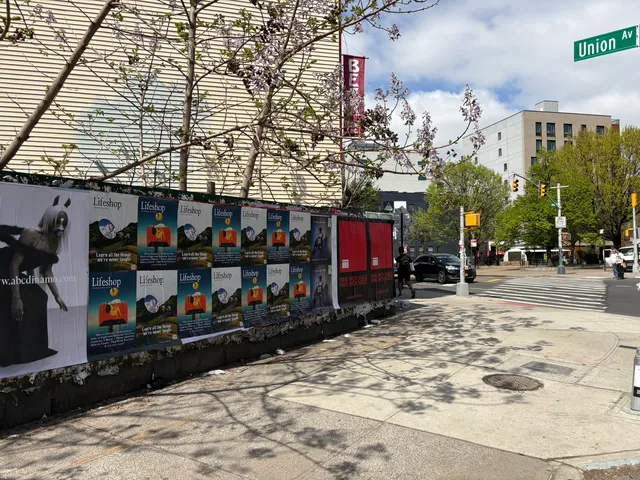
Multi-City Tours
From$25,000Multi-city guerrilla marketing tours. Coordinated wheatpaste, stencil, and interior install rollouts across 6 to 30 US cities in one sequence.
View discipline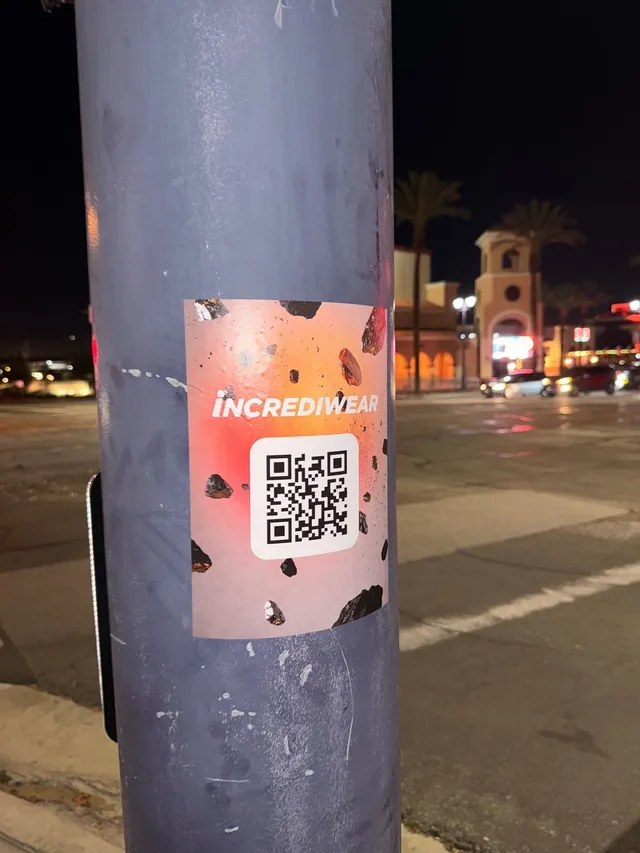
Launch Blitz
From$18,000Product launch street blitz. Synchronized wheatpaste, stencils, and pop-up window installs that hit launch day with full neighborhood saturation.
View disciplineWhere to go next.
Guides & field notes
Industries that run this
Frequently asked.
Q · 01 What counts as a saturation campaign?
It concentrates 30 to 80 placements across two to four formats inside a ten-block radius over four to eight weeks. The density is the point: enough wheatpaste, pole stickers, stencils, and interior installs in one zone that the brand becomes hard to miss for anyone moving through that neighborhood.
Q · 02 How do permits and compliance work across so many formats?
Each format carries its own rules, so we map them per neighborhood and build around legal surfaces. Wheatpaste runs on private property with owner consent, pole stickers get checked against utility-box policy by jurisdiction, sidewalk stencils vary city to city, and interior installs are arranged with the venue.
Q · 03 How much does a neighborhood saturation campaign cost?
It starts at $12,000. The number moves with placement count, the format mix, and the market tier of the neighborhood. Because printing and installation both run in-house, a multi-format build batches into one quote instead of four separate vendors.
Q · 04 How long does it take to execute?
Seven to fourteen days from final creative lock to full saturation. Installs stagger across the window: wheatpaste on prime walls first, then stencils and pole stickers across the corners, then interior placements last.
Q · 05 What proof do you deliver?
A GPS-tagged saturation map showing the ten-block radius and every placement, per-format counts (wheatpaste walls, stickers, stencils, interiors), full photo documentation by format, and a social-ready image set. Every install across our work is photographed and logged the same way, with 500 plus documented installs and zero municipal removals on record.
Q · 06 Where does saturation work best?
In dense creative-class and commercial neighborhoods where your audience already walks and the design community shares what it sees, like Williamsburg, Silver Lake, the Mission, Wynwood, Wicker Park, and East Austin. We rank candidates on foot traffic, demographic match, legal surface inventory, and cultural fit before you commit.
Run a saturation campaigns campaign?
Same crew, your brand.
Markets, window, creative direction. A scoped quote returns in 24-48 hours, print and install included, documented on every placement.