Pride & LGBTQ.
Street marketing for Pride festivals, LGBTQ brand launches, and year-round queer visibility. Wheatpaste, murals, and pop-ups, no rainbow-wash.
Four tensions only street resolves.
- 01
Pride month (June) is the unmovable peak window for LGBTQ brand activation, but the best campaigns run year-round. Brand managers underinvest in off-season community visibility and miss the opportunity to signal authenticity beyond one month
- 02
LGBTQ communities have heard a decade of corporate "rainbow-washing". Brands that show up only in June, with off-the-shelf pride creative, read as opportunistic and get called out on social immediately
- 03
Pride parade and festival geography is NOT one-size-fit-all. NYC Pride and San Francisco Pride dwarf most others in media footprint, but Chicago, LA, Miami, DC, Seattle, and Austin have distinct audience densities and cultural moments that drive different creative strategies
- 04
Reaching LGBTQ-friendly publications and cultural influencers requires timing and cadence that national media buyers miss. Out, Advocate, them., LGBTQ Nation, and local queer press have editorial cycles that matter more than Meta algorithms
Is this you?
If two or more match your roadmap, send the date.
- You run year-round LGBTQ visibility and need street proof you show up in the community on Tuesday, not just in June.
- You've been called rainbow-wash before and need creative that centers queer artists and founders, not your logo in pride palette.
- Your audience walks the Castro, Chelsea, Boystown, Capitol Hill. Broadcast and performance ads can't reach that density.
- You need queer press to pick it up. Out, Advocate, them., and LGBTQ Nation run on editorial cycles national media buyers miss.
- You're LGBTQ-owned and authenticity beats spend. A scrappy Castro poster series outperforms a $100k float by a brand that does no other community work.
- You have parade and festival permits to clear months ahead, with BID restrictions in pride-dense activation zones.
5 disciplines, one playbook.
Wheatpaste
Wheatpasting and wheatpaste advertising campaigns from $3,500 in NYC, LA, SF + 40 US cities. Published floors, 5-7 day lead (Expedited 24-72hr), GPS-tagged photo proof on every install. From $3,500Paste-Up Posters
Paste-up poster campaigns for product launches and neighborhood saturation. From $3,500, 5-7 day lead (Expedited 24-72hr), GPS-tagged photo proof in 40 US cities. From $3,500Poster Murals
Multi-panel poster murals. Full-wall paste-up installs spanning building sides and scaffold runs. Brand-scale visibility with photo proof in 40 US cities. From $8,000Sidewalk Stencils
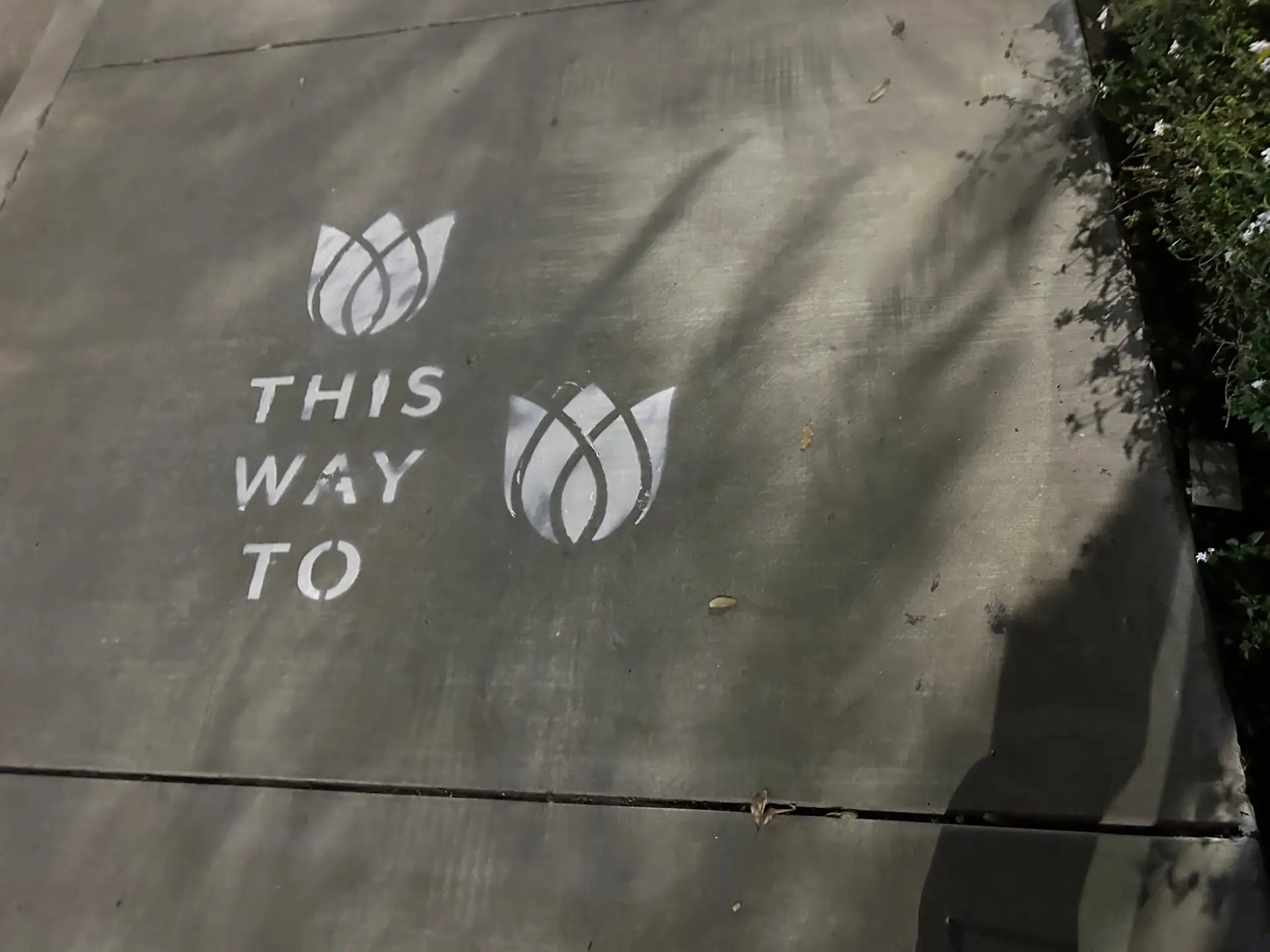
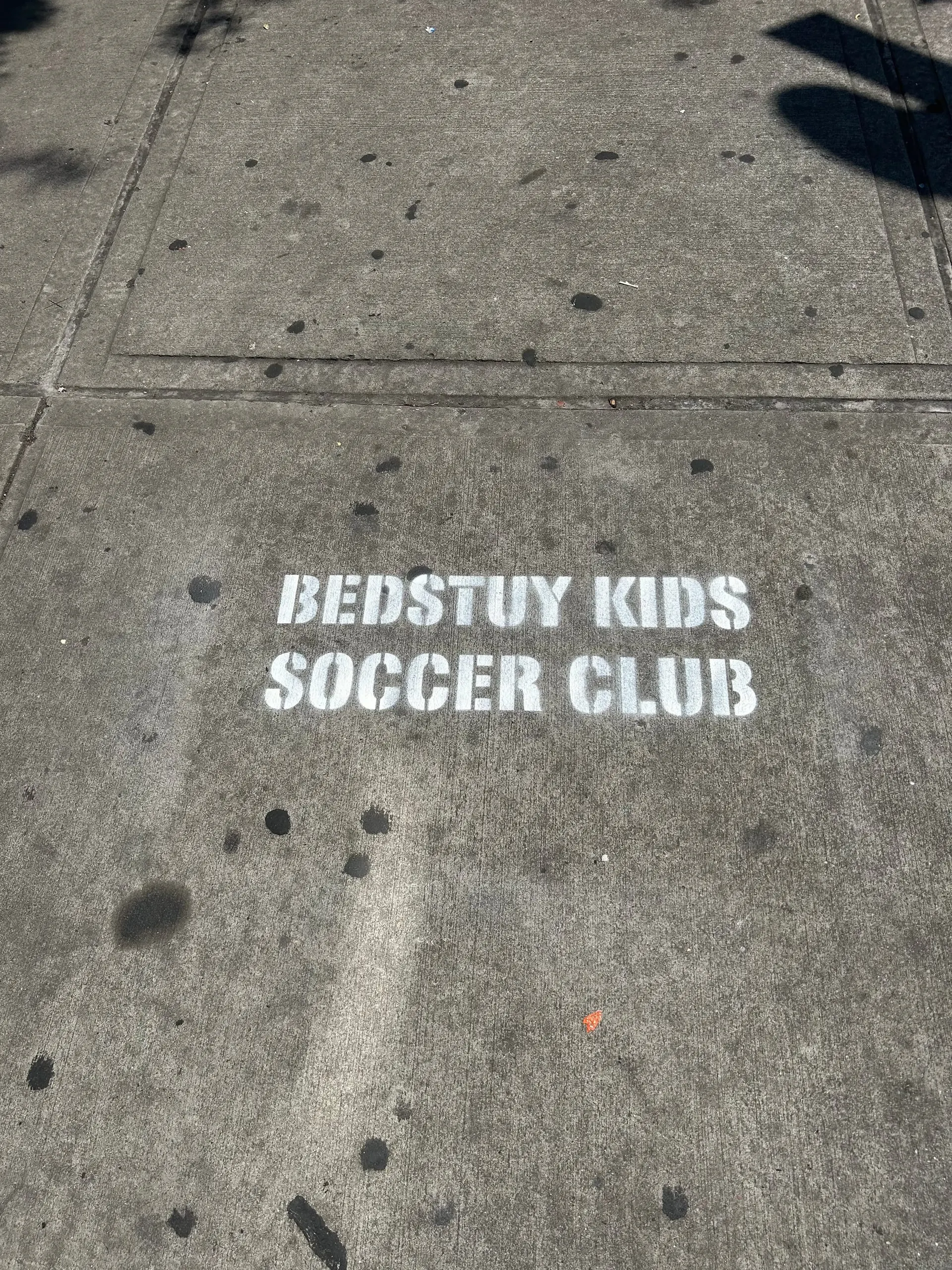
Sidewalk stencil campaigns from $2,500 in 40 US cities. Chalk-safe, removable, permitted-only. Expedited 24-72hr available. GPS-tagged photo proof. From $2,500Multi-City Tours
Multi-city guerrilla marketing tours. Coordinated wheatpaste, stencil, and interior install rollouts across 6 to 30 US cities in one sequence. From $25,000Starting floors · print, install, and GPS-stamped photo proof included in every quote. Final number varies by turnaround, size, and location count. Full rate card →
Sample creative directions.
Pre-tested format / neighborhood pairings. Pick a direction at brief intake and we route the surface set inside 24 hours.
- Castro film-history series Wheatpaste, three-poster narrative The Castro, San Francisco
- LGBTQ-owned wayfinding Sidewalk stencils, year-round Chelsea, Hell's Kitchen, NYC
- Pride-month multi-city blitz Wheatpaste, pride-week timing SoHo, Mission, Silver Lake, Boystown
- Year-round venue presence Interior installs, quarterly rotation LGBTQ-owned coffee shops, bars
- Parade-route corridor Pole stickers, placed weeks ahead 5th Ave, Market St, North Ave
The neighborhoods, not the metros.
We install where the audience already moves. Named corridors per market, permitted and photo-documented.
Hell's Kitchen · SoHo · Williamsburg · Bushwick · Lower East Side · Tribeca
SoMa · Mission District · Castro · Hayes Valley · Tenderloin · North Beach
Put it on the wall.
We have run this for pride & lgbtq.

Proof · Printed in-house · Installed by our crew
Street campaigns for Pride & LGBTQ brands. Proof included.
Send the brief; a scoped quote for your vertical comes back inside 24 hours — formats, neighborhoods, and a GPS-stamped photo of every placement when the run wraps.
- Quote in under 24 hours
- No discovery call. The brief is the call.
- Printing & Installation under one roof
Brief us · Quote in under 24 hours
Start your pride & lgbtq campaign.
Brand-safe by default.
- Private-property walls only Written owner consent on file for every surface. No public infrastructure, transit, or right-of-way.
- GPS-stamped photos within 48 hours Wide, mid, detail per placement. The proof your team forwards internally.
- FTC + local-code compliant Disclosures and permitting handled per contract. Legal reviews clean.
- Zero municipal removals on record 500+ documented installs, none taken down by a city.
Read the full field notes
Why LGBTQ Communities Choose Authentic Street Campaigns Over Corporate Pageantry
For a decade, LGBTQ brand activation was dominated by the pride float, the sponsored-float spot-buy, and the big-event partnership. Formats that concentrated brand presence in June and disappeared for eleven months. The audience watched. They noticed which brands showed up only when pride happened, and which brands sustained community investment year-round.
The street campaign solves a specific trust problem inside that landscape. A wheatpaste series in the Castro, a pole sticker corridor in Chelsea, an interior install in an LGBTQ-owned coffee shop in Boystown. These are physical proof points that a brand is committed to the community outside the promotional calendar. They read as “this brand believes in us on Tuesday, not just during pride week.”
Beyond Street Media runs LGBTQ campaigns as a serious community engagement vehicle, not a pride-month budget flush. That means year-round neighborhood presence, editorial timing that lands in queer media cycles, community briefing that locks messaging authenticity, and partnerships with LGBTQ-owned venues and cultural institutions. The format is the same wheatpaste, pole sticker, stencil, and interior kit we run for every other audience. But the strategic layer is built for a community that can distinguish authentic investment from tokenism in 48 hours.
What LGBTQ Brands and Allies Actually Need
Cultural credibility that survives scrutiny. A pride campaign that lives only in June, with off-the-shelf pride-palette creative, reads as opportunistic and gets called out on social immediately. LGBTQ communities have a decade of corporate rainbow-washing practice. They know the difference. Authentic campaigns sustain across the full pride season (May-July) or run year-round interior installs that signal long-term community commitment. The creative should center queer artists, LGBTQ founders, or community institutional partners. Not the brand’s logo in rainbow.
Neighborhood-level presence in LGBTQ cultural districts. Pride parades and festivals concentrate foot traffic on one day. Year-round presence in the Castro, Chelsea, Hell’s Kitchen, Boystown, Capitol Hill, Mission District, Silver Lake, and Wynwood is where the repeated audience touchpoint lives. Street campaigns in these neighborhoods hit the audience on their commute, in their local coffee shops, on the bars and retail blocks they frequent. That ambient presence outperforms a single parade appearance by orders of magnitude.
Strategic timing that lands in queer media cycles. Queer publications (Out, Advocate, them., LGBTQ Nation, local pride media) have 6-8 week editorial lead times. A campaign that locks creative in April will miss the May-June earned-media window. The best campaigns brief community media in March, land features in April, and activate posters in May. So the brand presence on the street arrives with coordinated cultural validation. National media buyers miss this cycle entirely.
Partnership with LGBTQ-owned and cultural-institution venues. Interior installs in LGBTQ-owned coffee shops, bookstores, and bars are the proof point of real community engagement. A brand running a $150k pride wheatpaste blitz but zero community venue partnerships reads hollow. The strongest campaigns reverse it: build the community venue install network first (12-month commitment), then expand with headline street campaigns during pride season. This signals that the brand sees LGBTQ commerce as a strategic channel, not a pride-month add-on.
How Beyond Street Media Works With Pride & LGBTQ Clients
1. Brief intake and community alignment. Campaign objective (pride-month brand launch, year-round community visibility, cultural-institution partnership, LGBTQ-owned business growth), target audience profile, target cities (pride calendar varies by metro), creative guardrails (authenticity and cultural sensitivity are non-negotiable), partnerships with LGBTQ community advisors or cultural institutions.
2. Community briefing and creative review. We route initial creative concepts through community partners. LGBTQ cultural advisors, the community venue network, or institutional partners like Frameline or local pride organizations. Feedback shapes the final direction. This step catches rainbow-wash before it hits the street.
3. Media and press coordination. We brief queer publications (Out, Advocate, them., LGBTQ Nation, local pride media) on the campaign timeline and secure editorial coverage windows. This happens in parallel with design iteration so the placement, press pickup, and street activation align.
4. Venue and BID coordination. For cities with strong LGBTQ infrastructure (NYC, SF, Chicago, LA, Miami, DC), we confirm interior install venues and parade-route compliance with local BIDs and pride committees. Permit windows are months in advance. We lock these early.
5. Installation with documentation. Every placement is photographed: street context, creative close-up, neighborhood documentation. The documentation package goes to community partners and media outlets, supporting earned-media coverage.
6. Attribution and community impact. Campaign output includes placement counts, press pickup in queer media, social sentiment from LGBTQ influencers, and brand-search lift in pride-dense geographies. The wrap deck emphasizes cultural impact (media mentions, influencer engagement, community venue feedback) alongside impression metrics.
Real Campaigns: Pride & LGBTQ in Action
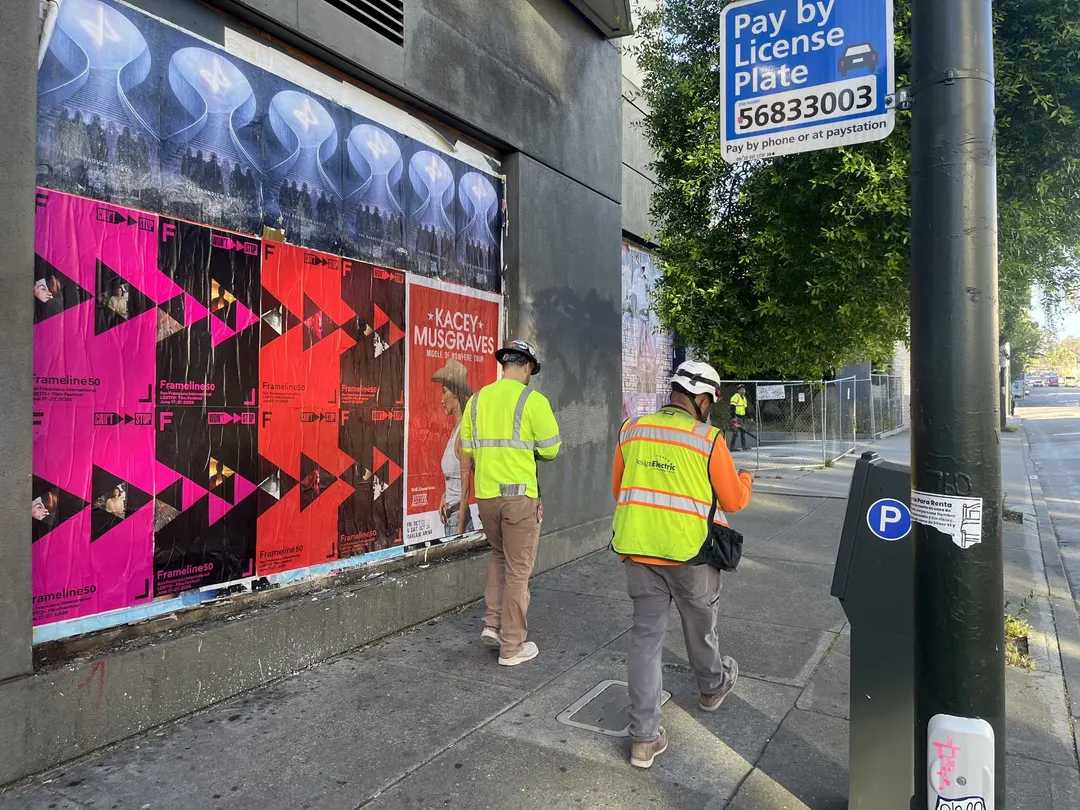
Frameline. San Francisco, CA. A multi-format guerrilla campaign supporting Frameline’s annual LGBTQ film festival, running across the Castro neighborhood and Market Street corridor. Wheatpaste posters centered the festival’s cultural mission rather than just event dates. Creative framed Frameline as the institution that holds LGBTQ film history and platform. Interior installs in Castro cafes and bookstores ran year-round, signaling sustained institutional presence. The campaign coordinated with Frameline’s press cycle in queer film media, landing features in Out, Advocate, and local SF pride outlets.
For LGBTQ cultural institutions, community organizations, and brands with authentic community commitment, the playbook combines interior installs for year-round venue presence, wheatpaste campaigns for neighborhood headline impact during pride season, and pole stickers for corridor density in pride-dense commercial districts. The execution is the same operational kit as any other campaign. The difference is the community briefing, press coordination, and authentic partnership that LGBTQ audiences expect.
Services LGBTQ Campaigns Use Most
Wheatpaste Advertising. Large-format poster campaigns in LGBTQ-density neighborhoods, timed to pride season or sustaining year-round community presence.
Paste-Up Poster Campaigns. Hand-pasted poster series in Castro, Chelsea, Boystown, and other LGBTQ cultural districts, with artistic and community-institution-focused creative.
Multi-Panel Poster Murals. Larger-format multi-surface installations that command presence in high-traffic LGBTQ neighborhood corridors.
Sidewalk Stencil Advertising. Ground-level wayfinding and brand presence outside LGBTQ-owned retail, coffee shops, and community venues.
Pole Sticker Advertising. Corridor-density placement on pride parade routes and in LGBTQ-coded neighborhoods, sustaining presence across the pride season and beyond.
Custom Poster Installs. Column wraps, bathroom-mirror placements, and bar-back installs inside LGBTQ-owned venues for year-round community visibility.
Multi-City Guerrilla Tours. Coordinated pride campaigns across NYC, San Francisco, Chicago, LA, Miami, and DC, with neighborhood-specific creative and BID alignment.
The Queer Press Cycle and Editorial Timing
Queer publications operate on a different editorial calendar than mass media. Out magazine, Advocate, them., and LGBTQ Nation plan coverage in December for May-June pride season. A 6-month lead time. Campaigns that lock creative and brief media in February land features in April-May. This timing advantage is available to any brand willing to plan ahead. Most don’t. The best Beyond Street Media campaigns brief community media 8-10 weeks before activation, locking earned-media coverage that arrives on the street with momentum.
Authenticity Over Optics: How to Avoid Rainbow-Wash
The fastest way for a brand to blow credibility with LGBTQ audiences is to treat pride as a limited-time marketing opportunity rather than a sustained community commitment. Red flags the audience watches for:
- Campaigns that vanish after pride month ends (no year-round community presence)
- Creative that centers brand identity instead of LGBTQ artists, community partners, or cultural institutions
- Paid-float partnerships with zero other community investment
- Press outreach that misses queer media cycles
- Interior installs that happen only during pride season (they notice)
- Venue partnerships with straight-owned nightlife rather than LGBTQ-owned community spaces
The antidote: reverse the budget allocation. Invest in the interior install network first (12-month commitment to LGBTQ-owned coffee shops, bars, bookstores, community centers). That’s the proof of sustained engagement. Then expand headline campaigns during pride season using the venue network as proof of partnership. The street campaign becomes a public display of existing community work, not a one-time activation.
Got a Community Brand Story? We’ve Got the Wall.
LGBTQ communities are watching. They notice which brands show up only in June and which ones are there Tuesday morning before pride even starts. Street media is the most credible format for signaling sustained presence. And Beyond Street Media is the agency that runs it with community briefing, press coordination, and authentic partnership rigor that the audience expects.
Pride & LGBTQ questions.
The 5 things pride & lgbtq brands ask before sending a brief. Same-day answers from the desk if yours isn't here.
Q · 01 Can a brand do pride marketing without looking like a rainbow-wash opportunist?
Yes, but only if the brand has a year-round LGBTQ community commitment. The queer audience has antennae for performative allyship. Campaigns that run May-through-July, funded only for pride season, feel exactly like what they are. The difference: brands that run sustainable interior install programs in LGBTQ venues (coffee shops, bookstores, bars) 12 months a year, then expand with poster and pole campaigns during pride, read as long-term partners. The street media becomes proof of sustained presence, not a one-month performance.
Q · 02 How do you handle pride event permits and BID restrictions?
Pride activation permits vary by city, but all major pride cities lock permits 90+ days in advance. NYC requires BID approval in Chelsea and SoHo (both LGBTQ commerce districts); SF requires community liaison engagement in the Castro; Chicago works through Boystown BID. Wheatpaste and pole campaigns don't require parade permits if they land outside the actual parade route. This is where year-round placements dominate. Interior installs bypass parade logistics entirely. The smart play: map non-permit surfaces in pride-dense neighborhoods (residential blocks in the Castro, bar backs in Chelsea), then layer parade-route pole placements once logistics clear.
Q · 03 Which cities have the strongest pride activation opportunity?
NYC (massive media footprint, Manhattan's Chelsea and SoHo dense with LGBTQ commerce, 5th Avenue parade route drives 2M+ viewers), San Francisco (Castro neighborhood is the historical core, Market Street parade hits 1M+, concentrated creative-class audience), Chicago (Boystown is dense and defined, North Avenue parade is established, younger demographic than SF or NYC), Los Angeles (Silver Lake and West Hollywood are multi-neighborhood targets, more dispersed than NYC/SF but high-value audience), Miami (Wynwood corridor, increasingly LGBTQ-forward, strong April-May tourism cycle before summer peaks), DC (Shaw and Logan Circle cultural institutions, pride is May and growing), Seattle (Capitol Hill neighborhood density, pride season June-July).
Q · 04 When is the right time to start a pride campaign?
There are two playbooks. June-peak: creative production and placement locks by early May, installation starts May 15-20 to catch the parade week momentum (NYC Pride is in June, SF is early-June, Chicago is mid-June, others vary). Year-round: interior installs and small-format placements (stencils, pole stickers) run continuously; wheatpaste headline campaigns launch in April and sustain through July. The second approach is stronger. It signals that your brand is committed to LGBTQ visibility regardless of the pride calendar.
Q · 05 What does a pride campaign cost, and how does year-round differ from June-only?
A single-neighborhood June activation (wheatpaste plus pole stickers in the Castro or Chelsea) runs $12,000 to $25,000 for a four-week pride-week push. A multi-city pride blitz across NYC, SF, Chicago, and LA lands at $60,000 to $150,000. Year-round programs invert the math: a 12-month interior install network in LGBTQ-owned venues runs a smaller monthly retainer, then expands with headline street campaigns during pride season. The year-round model costs more annually but reads as authentic commitment, which is the entire point with this audience.
We delivered.








Brand partners include: FIFA World Cup 2026, Palantir, Sézane, G-Shock, Mitchell & Ness, True Religion, Huda Beauty, Yonex, Relevance AI, Momentous, RYZE Coffee, Bloom Effects, Incrediwear, Brooklyn Museum, Sweat FC, HydroJug, Frameline, Alchemy, OneRepublic, Lone Fox, Vaura Pilates.
Got a pride & lgbtq launch?
Inquire now.
Send the Pride & LGBTQ brief: markets, window, creative direction. Vertical-specific quote back in 48 hours.