Guerrilla marketing across Massachusetts.
Wheatpaste, murals, stencils, and pole-stickers across Massachusetts. Permitted walls, hand-installed, GPS-stamped photo proof on every panel.
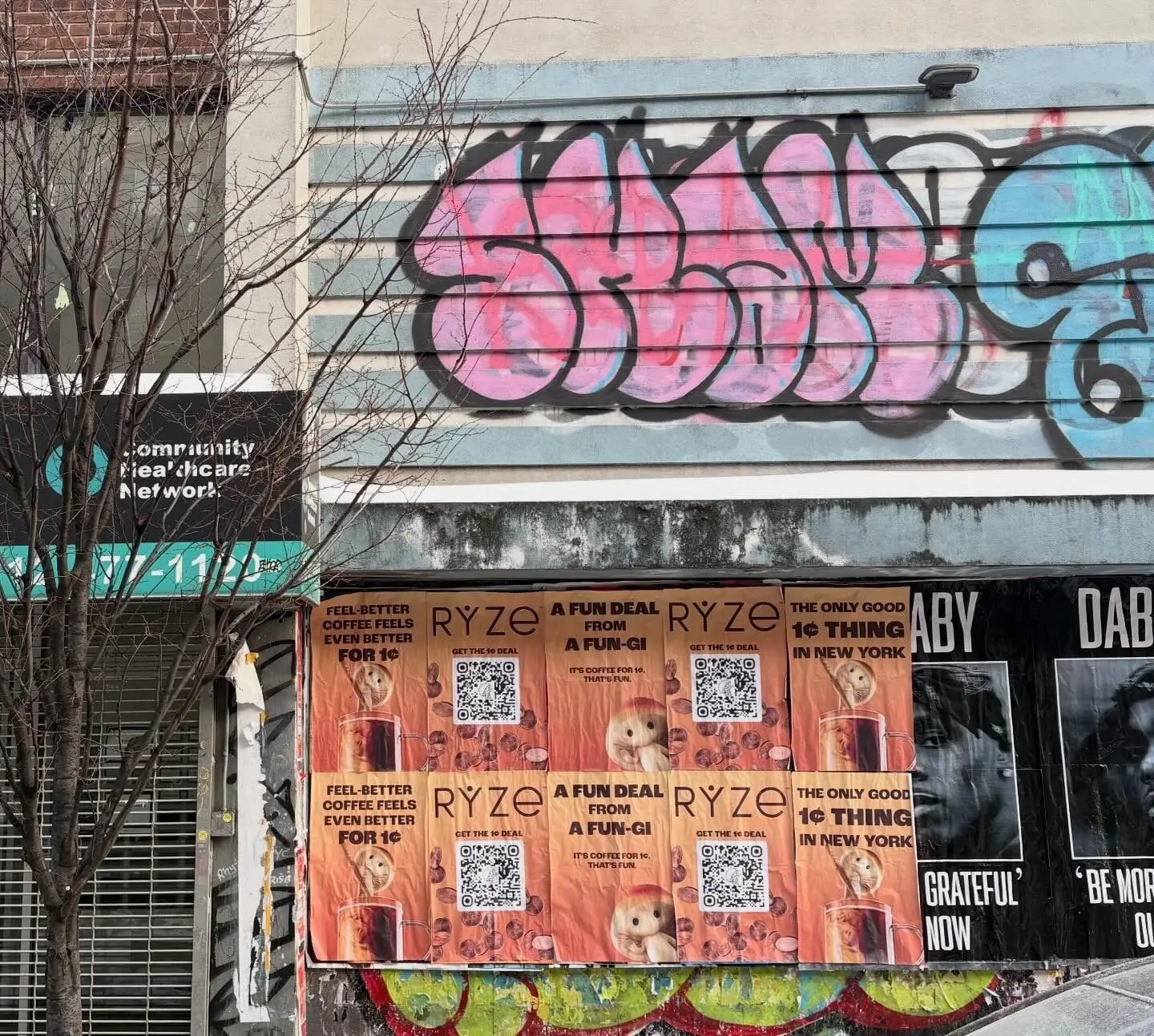
We delivered.




















Brand partners include: FIFA World Cup 2026, Palantir, Sézane, G-Shock, Mitchell & Ness, True Religion, Huda Beauty, Yonex, Relevance AI, Momentous, RYZE Coffee, Bloom Effects, Incrediwear, Brooklyn Museum, Sweat FC, HydroJug, Frameline, Alchemy, OneRepublic, Lone Fox, Vaura Pilates.
- 3 Cities covered
- 22 Neighborhoods scouted
- 100% GPS photo-proofed
- 0 Municipal removals on record
Every market in Massachusetts.
Boston anchors the state. Cambridge and Somerville read as their own market, and the rest of Massachusetts is quoted per city.
Boston
The densest student market in the country. September and January move more inventory than the rest of the year combined.
Boston. Districts: Allston, Jamaica Plain, South End, Back Bay, Fenway, Dorchester, Brighton, Charlestown, Seaport, Mission Hill, Roslindale, North End.
Cambridge, Somerville, and Greater Boston
Not suburbs for this work. Central Square and Davis hold some of the best inventory in the region.
Cambridge, Somerville, Brookline, Newton, Quincy, Medford, Malden, Waltham, Lynn, Salem, Framingham, Lowell, Lawrence, Everett, Chelsea.
Worcester, the Pioneer Valley, and the Cape
Quoted per city. Northampton and Amherst punch above their size.
Worcester, Springfield, New Bedford, Fall River, Northampton, Amherst, Pittsfield, Provincetown, Hyannis, Plymouth, Brockton, Holyoke.
Street-level marketing, printed and installed by us.
Guerrilla marketing puts your brand on the street where people actually walk, not on a screen they scroll past. We run it with wheatpaste posters (big paper prints brushed onto a wall with a flour-based paste), hand-painted murals, sidewalk stencils, pole snipes, and interior takeovers, all printed and installed by one crew. No media-owner middleman, no billboard rates. Every placement across Massachusetts is permitted, hand-applied, and photographed the day it goes up. It's how culture-driven brands in fashion, music, film, tech, and fitness get seen in a market.
- 01 Brief & route
You send the brand, markets, and dates. We map the Massachusetts cities and corridors where that buyer actually walks and price off the published floor.
- 02 Scout & secure
Crews scout walls on foot, then lock every surface in writing: owner agreement, BID-cleared scaffold, or permitted hoarding. The paper trail ships with the photos.
- 03 Print & install
We print in-house and hand-install from dawn, market by market. One accountable crew owns it end to end, with no print-shop handoff to a freelance installer.
- 04 Document
Every placement shot wide, mid, and detail, GPS-stamped on install day. The wrap deck lands within five business days with the full proof set.

Proof · Printed in-house · Installed by our crew
Guerrilla marketing across Massachusetts. Proof included.
Send the brief; a scoped Massachusetts quote comes back inside 24 hours, with a GPS-stamped photo of every placement when the run wraps.
- Quote in under 24 hours
- No discovery call. The brief is the call.
- Printing & Installation under one roof
Brief us · Quote in under 24 hours
Start your Massachusetts campaign.
Pick a format. We print and install it.
Every format is printed and installed in-house, scouted, hand-applied, and GPS-photographed across Massachusetts. Pick the one that fits the brief; the full catalog is one click away.
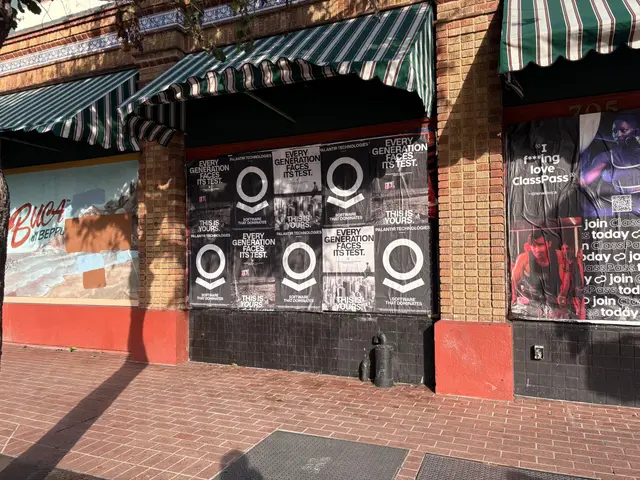
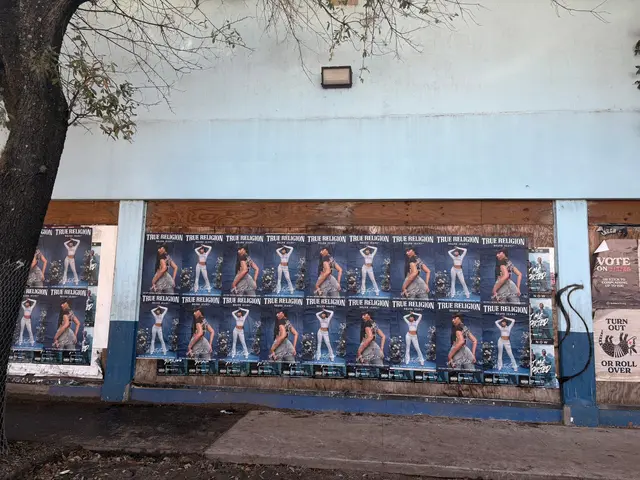
Wheatpaste & Posters
Hand-pasted poster walls on brick, scaffold, and hoarding.
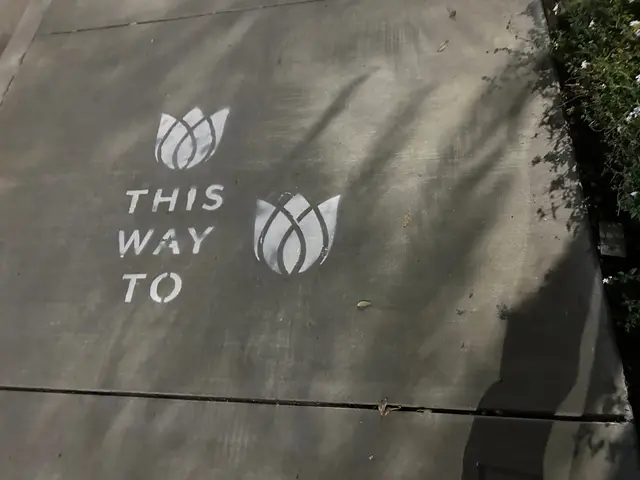
Sidewalk Stencils
Biodegradable street stencils on permitted corners.
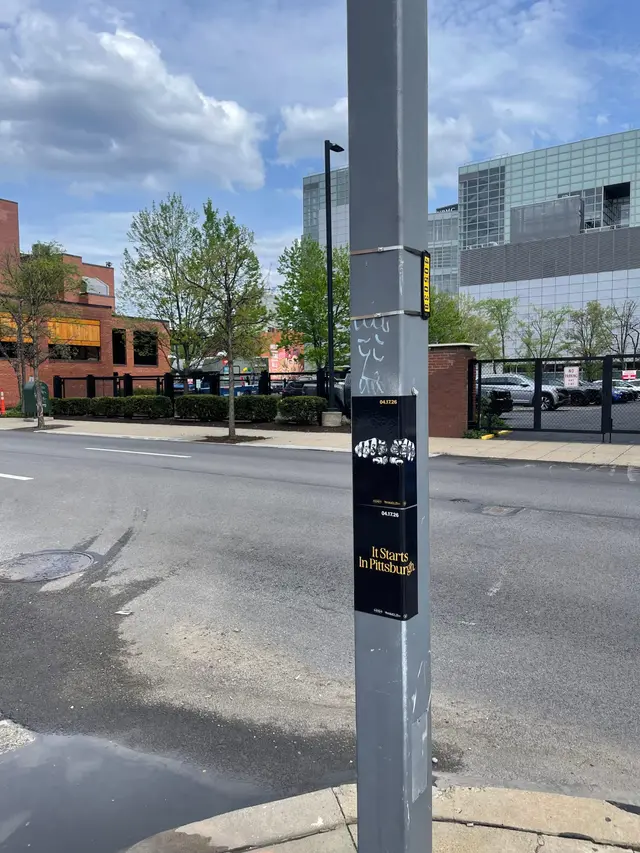
Pole Stickers & Snipes
Corridor saturation on poles, boxes, and news racks.
Hand-Painted Murals
Brush-painted brand walls at building scale.
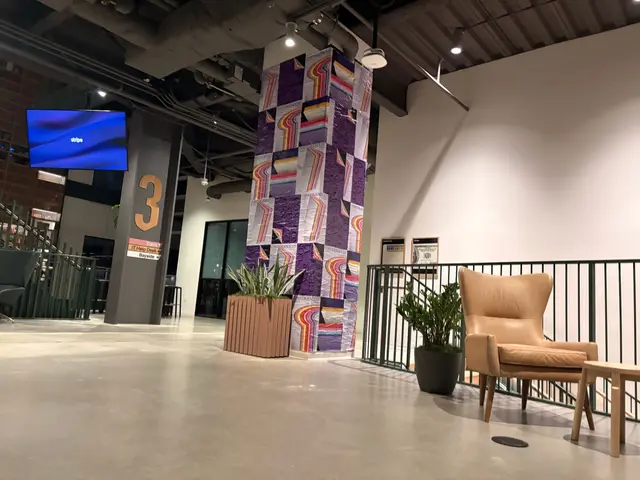
Custom Poster Installs
Posters and wraps inside venues, gyms, and pop-ups.
All 39 services
The full guerrilla-marketing catalog: wraps, decals, takeovers, and more.
Permit paths and lead times, city by city.
Every Massachusetts placement runs on permitted walls and written owner consent, with a documented paper trail. Zero municipal removals on record.
Legality, in one line. Whether a poster is legal in Massachusetts comes down to the surface and the owner's written consent, not the paste. The full rules are in is wheatpasting legal?, with the statute detail in wheatpaste laws by state. Our own permit and compliance practice across every market is set out in laws and permits. Operationally, street-level work is permitted city by city: Boston runs on city sign permits + owner consent (5-8 day lead in tier-1 corridors), and Cambridge layers its own BIDs and improvement districts on top.
What that means for you. Every Massachusetts city below is audited for the real permit path, and lead times reflect actual owner/BID response, not statutory minimums. We don't run paid work on transit property, state DOT right-of-way, or federal parkland; if a brief routes there, we redirect to adjacent private surfaces and document it in writing.
| City | Primary permit path | Owner consent + cost | Lead time |
|---|---|---|---|
| Boston | City sign permit + owner consent (9-neighborhood map on file) | $200-1,200 owner fee · BID corridors higher | 5-8 days |
| Cambridge | City sign permit + owner consent (7-neighborhood map on file) | $200-1,200 owner fee · BID corridors higher | 5-8 days |
| Worcester | Owner consent + scout-and-install field check | $0-500 owner fee · per-property | 7-12 days |
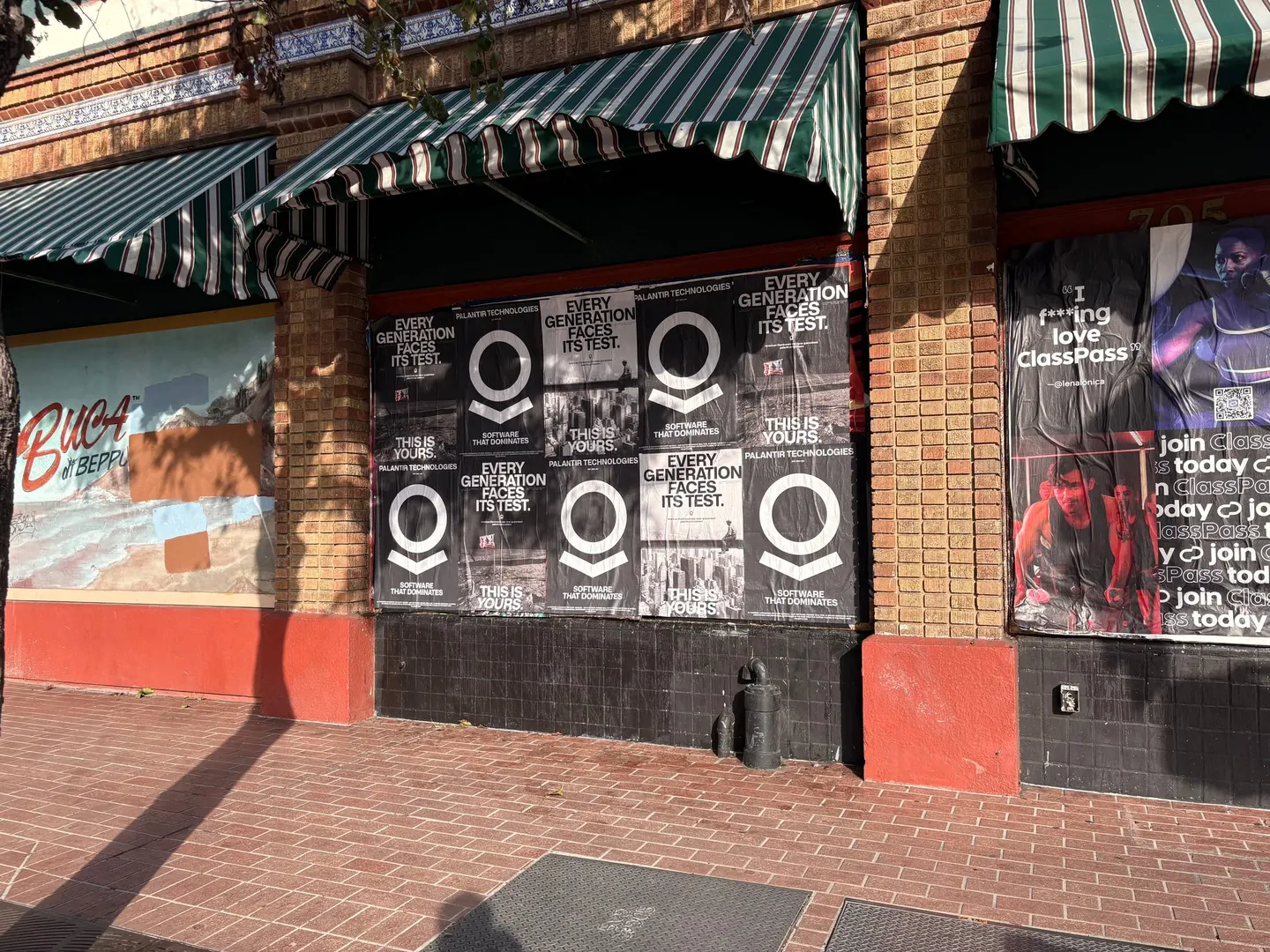
Why street media works across Massachusetts.
Boston cycles walls faster than most Northeast markets: 6-to-14 day rotations in the Seaport, South End, and Cambridge, driven by a development pace that turns hoardings and scaffold wraps every two weeks. The college calendar across Boston University, MIT, Harvard, and Northeastern shapes campaign timing more than the retail calendar does.
Published floors. No retainer.
Starting points by discipline for any Massachusetts brief. Print, install, and GPS-stamped photo proof are included in every floor.
Wheatpaste posters
Walls, scaffolds, hoardings · 5-7d lead · most common Massachusetts format From $3,500Sidewalk stencils
Permitted corners · biodegradable medium · permit class varies by city From $2,500Snipes + stickers
Poles, utility boxes, news boxes · corridor saturation · 5-10d lead From $3,000Expedited
24-72h brief-to-install · True Religion × Megan Thee Stallion, Houston · 36h signing to install +80-150%+Ranges vary by turnaround, size, location count, and combined service mix. Final quote returned in 24-48 hours. Briefs route through info@beyondstreetmedia.com with city, dates, and brand. Expedited timeline? Flag it in the brief.
Brief a Massachusetts campaignRead the full Massachusetts playbook Operator detail · booking, scouting, permits, timing
Boston rotates walls faster than any other Northeast market. Construction hoardings turn every 6 to 14 days in the Seaport and South End. Cambridge is its own city across the Charles: Kendall, Central, Harvard Square, each with a different audience. The college calendar across BU, MIT, Harvard, and Northeastern runs the year more than the retail calendar does. The crew that pastes the Seaport Tuesday runs Kendall Wednesday and Allston the next morning. Same operators, three reads.
Cities we cover in Massachusetts
| City | Neighborhoods | Surface focus | Typical hold |
|---|---|---|---|
| Boston | Seaport, South End, Back Bay, Beacon Hill, Allston, Fenway | Velocity walls, construction hoarding, pole arterials, retail sidewalks | 8-15 days |
Surface mix in Massachusetts
- Commercial walls: Seaport and South End mixed-use development, Back Bay storefront blocks
- Construction hoarding: continuous 6-to-14 day rotation in the Seaport, South End, and Kendall
- Pole inventory: Commonwealth, Huntington, Brookline, and the Charles River arterials
- Sidewalk stencils: Newbury Street, Beacon Hill, Harvard Square, Faneuil Hall retail density
- Interior installs: coffeehouses, fitness studios, bars, and bookshops across Cambridge, Somerville, and Allston
Permits in Massachusetts
Massachusetts General Laws Chapter 266 § 126A treats unauthorized poster placement as defacement. Private property with written owner consent is legal, and the consent is what we hold on file for every wall before paste goes up. Boston runs no city-wide private-property permit requirement; some commercial districts request 10-day event notification, and the documentation covers it. Industrial properties and active construction sites lock the fastest.
Private property plus written owner consent. No public infrastructure, no transit, no right-of-way.
Services available in Massachusetts
- Wheatpaste advertising
- Paste-up poster campaigns
- Sidewalk stencil advertising
- Pole sticker advertising
- Interior installs
If your audience is 18 to 32, the Boston-Cambridge campus corridor is the cheapest reach in the Northeast. Brief us 4 to 6 weeks ahead of back-to-school or spring semester and we ship three creative cuts across Allston, Kendall, and the Fenway in a single install window, then refresh the same walls when the hoardings turn 10 days later.
Cross the state line.
Massachusetts clients regularly run regional buys that spill into neighboring markets. Same operator contract, same field log. Different state line.
Statewide FAQ.
The questions every Massachusetts brief opens with, answered with the operator answer, not the marketing one.
Q · 01 Where in Massachusetts do you run campaigns?
Boston is the volume market: Seaport, South End, Back Bay, Beacon Hill, Allston, Fenway, and the Faneuil-Newbury retail corridor. Cambridge runs as a co-anchor across the Charles with Kendall, Central, and Harvard Square. Greater Boston also covers Somerville, Brookline, and Waltham for academic and young-professional density. The Berkshires (Pittsfield, Lenox, North Adams) bundle for cultural and arts-tourism campaigns. Each neighborhood pulls a different audience.
Q · 02 Is wheatpasting legal in Massachusetts?
Private property with written owner consent is legal. Massachusetts General Laws Chapter 266 § 126A covers tagging and defacement without consent; the consent itself is what we secure on every wall. Public infrastructure, transit, and right-of-way are never touched. Boston has no city-wide private-property wheatpaste permit; some commercial districts (Back Bay, Downtown Crossing) request event notification 10 days prior, and the documentation covers it.
Q · 03 What surfaces work best for wheatpaste in Massachusetts?
Velocity walls run the market: construction hoardings, scaffold wraps, and raw concrete that turn every 6 to 14 days in the Seaport and South End. Pole stickers carry downtown corridors and the arterials along Commonwealth, Huntington, and Brookline Avenue. Sidewalk stencils run heaviest in retail density: Newbury Street, Beacon Hill, Faneuil Hall, and Harvard Square. Interior installs anchor coffeehouses, fitness studios, and bars across Cambridge, Somerville, and Allston.
Q · 04 How much does a Massachusetts campaign cost?
Single-neighborhood Boston: $5K to $9K for 12 to 18 walls with print, install, and documentation. Multi-neighborhood Boston spanning Seaport, South End, and Back Bay: $14K to $24K. Cambridge add-on: $6K to $10K. A combined Boston-Cambridge campus-anchor run lands $20K to $34K. Berkshires bundle: $8K to $14K. Holds run 8 to 15 days, which is the trade for the fastest velocity-wall inventory in the Northeast.
Q · 05 How fast can a campaign go live?
7 to 14 days first-touch to first install: wall sourcing runs 3 to 5 days, owner lockdown 5 to 10, and the install itself 1 to 2. Pole sticker campaigns compress to 48 hours once the routes are mapped. Industrial properties and active construction sites lock fastest at 3 to 7 days. The Seaport and South End carry the largest pre-cleared inventory.
Got a wall in Massachusetts?
We've got the paste.
Tell us the city, the dates, and the brand. Beyond Street Media routes a Massachusetts-mapped install plan, usually inside 24 hours.