Nonprofits & Advocacy.
Wheatpaste, stencil, and mural campaigns for nonprofits and advocacy coalitions. Coalition-grade documentation and funder-audit reporting built in.
Four tensions only street resolves.
- 01
Lean budgets require maximum visibility per dollar spent. Digital ads for nonprofits cost 3-5x more per impression than street campaigns for the same neighborhood reach
- 02
Board and funder reporting demands documented proof of campaign reach. GPS-tagged photos, placement counts, and neighborhood-level targeting data
- 03
Coalition campaigns need consistent execution across member geographies and messaging discipline. Coordinated installs across 3-5 cities in 2 weeks is not optional, it's the deadline
- 04
Advocacy windows compress to legislative sessions and ballot deadlines. A campaign launching 6 weeks late is useless; production must compress to 7-10 days without losing quality
Is this you?
If two or more match your roadmap, send the date.
- You're working a lean budget and need maximum visibility per dollar where digital costs 3-5x more per impression than street.
- Your board and funders demand documented proof of reach, GPS-tagged photos, placement counts, and neighborhood-level data.
- You're running a coalition that needs consistent execution and messaging discipline across 3-5 cities in two weeks.
- Your advocacy window is closing on a legislative session or ballot deadline and production has to compress to 7-10 days.
- Your campaign is grant-funded and needs itemized invoicing tied to milestones for funder audits.
- You're a 501(c)(3) running issue advocacy and need clean compliance separated from FEC-regulated electoral work.
5 disciplines, one playbook.
Wheatpaste
Wheatpasting and wheatpaste advertising campaigns from $3,500 in NYC, LA, SF + 40 US cities. Published floors, 5-7 day lead (Expedited 24-72hr), GPS-tagged photo proof on every install. From $3,500Paste-Up Posters
Paste-up poster campaigns for product launches and neighborhood saturation. From $3,500, 5-7 day lead (Expedited 24-72hr), GPS-tagged photo proof in 40 US cities. From $3,500Sidewalk Stencils
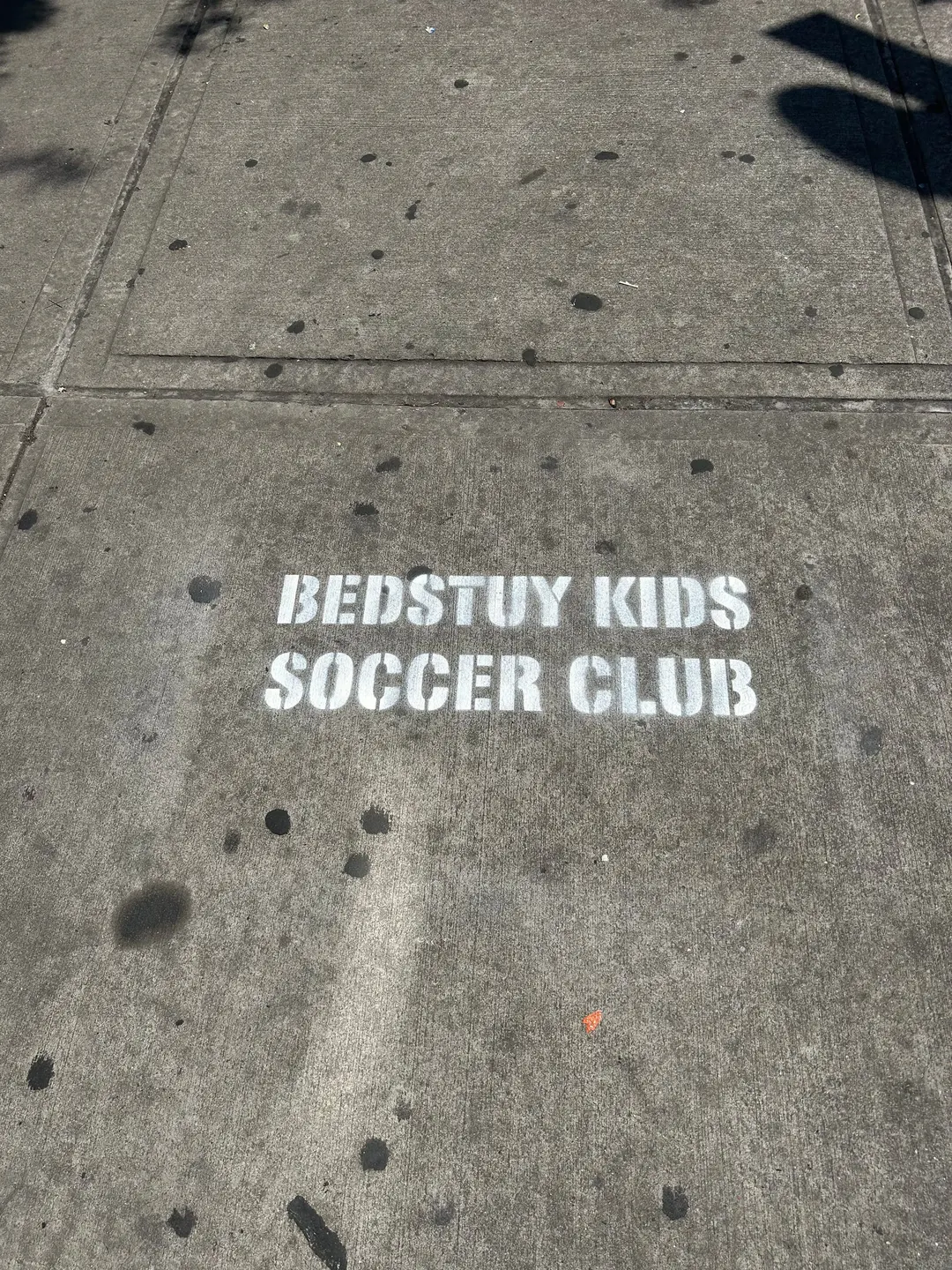
Sidewalk stencil campaigns from $2,500 in 40 US cities. Chalk-safe, removable, permitted-only. Expedited 24-72hr available. GPS-tagged photo proof. From $2,500Pole Stickers
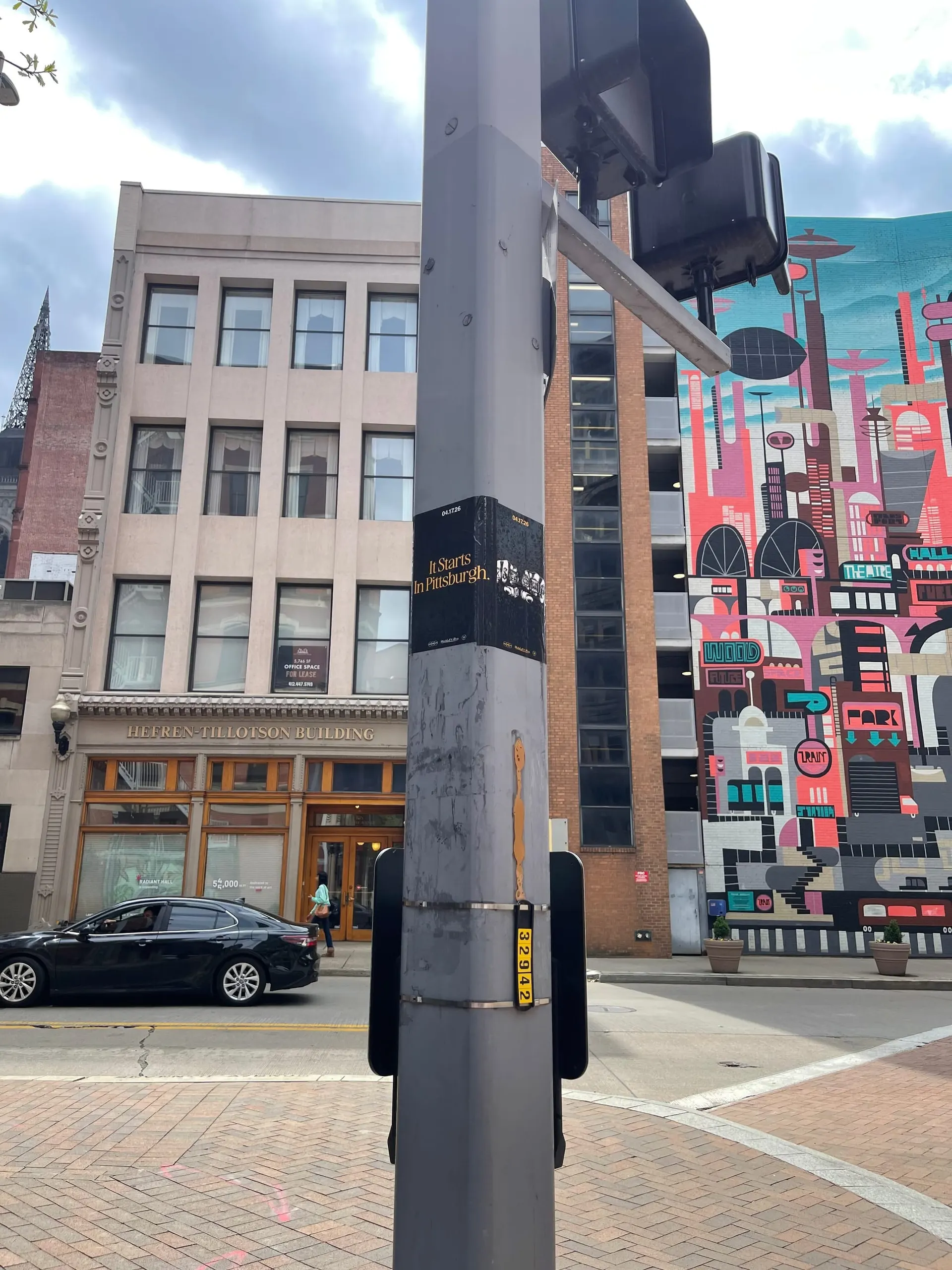
Pole sticker advertising and street pole takeovers in 40 US cities. Legal commercial-pole campaigns with geo-tagged photo proof on every install. From $3,000Chalk Stencils
Chalk stencil campaigns, washable, permit-light sidewalk stencils that drop in 3 days, ride 1-2 weeks, wash clean. Eco-friendly street visibility. From $2,500Starting floors · print, install, and GPS-stamped photo proof included in every quote. Final number varies by turnaround, size, and location count. Full rate card →
Sample creative directions.
Pre-tested format / neighborhood pairings. Pick a direction at brief intake and we route the surface set inside 24 hours.
- Housing coalition campaign Two-poster wheatpaste, 40 placements, 9-day turn East Harlem, Washington Heights, Astoria
- Multi-state voting rights Wheatpaste + stencils, 30 per city, 8-week rollout Philadelphia, Atlanta, Phoenix
- Community health initiative 12 interior installs + 20 exterior stencils NYC community hubs
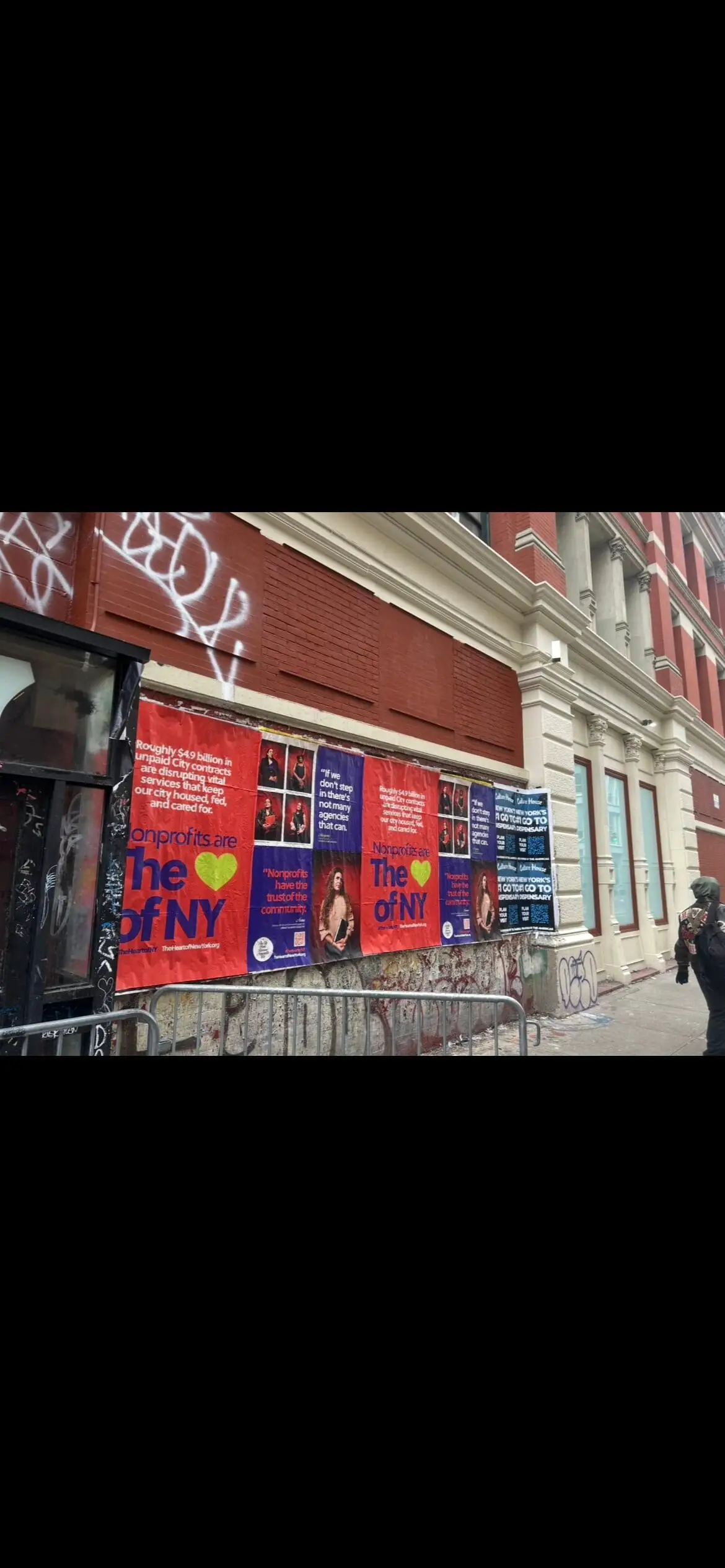
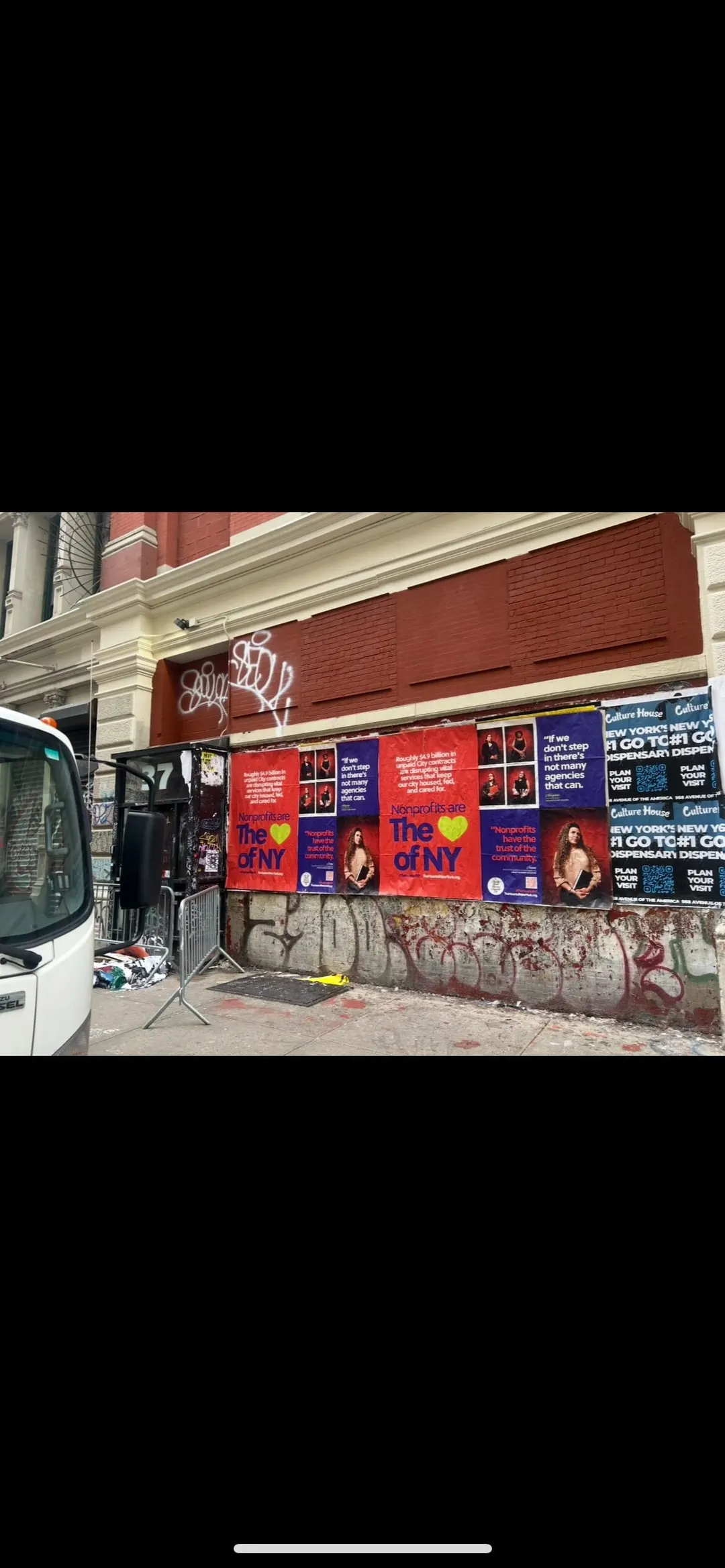
- Nonprofits of NY coalition Three-poster series, 60+ geo-tagged placements Manhattan, Brooklyn
The neighborhoods, not the metros.
We install where the audience already moves. Named corridors per market, permitted and photo-documented.
Hell's Kitchen · SoHo · Williamsburg · Bushwick · Lower East Side · Tribeca
RiNo · LoDo · Highland · Capitol Hill · Five Points · Colfax Avenue
Strip District · Lawrenceville · East Liberty · Downtown · Southside · Point Breeze
Put it on the wall.
We have run this for nonprofits & advocacy.
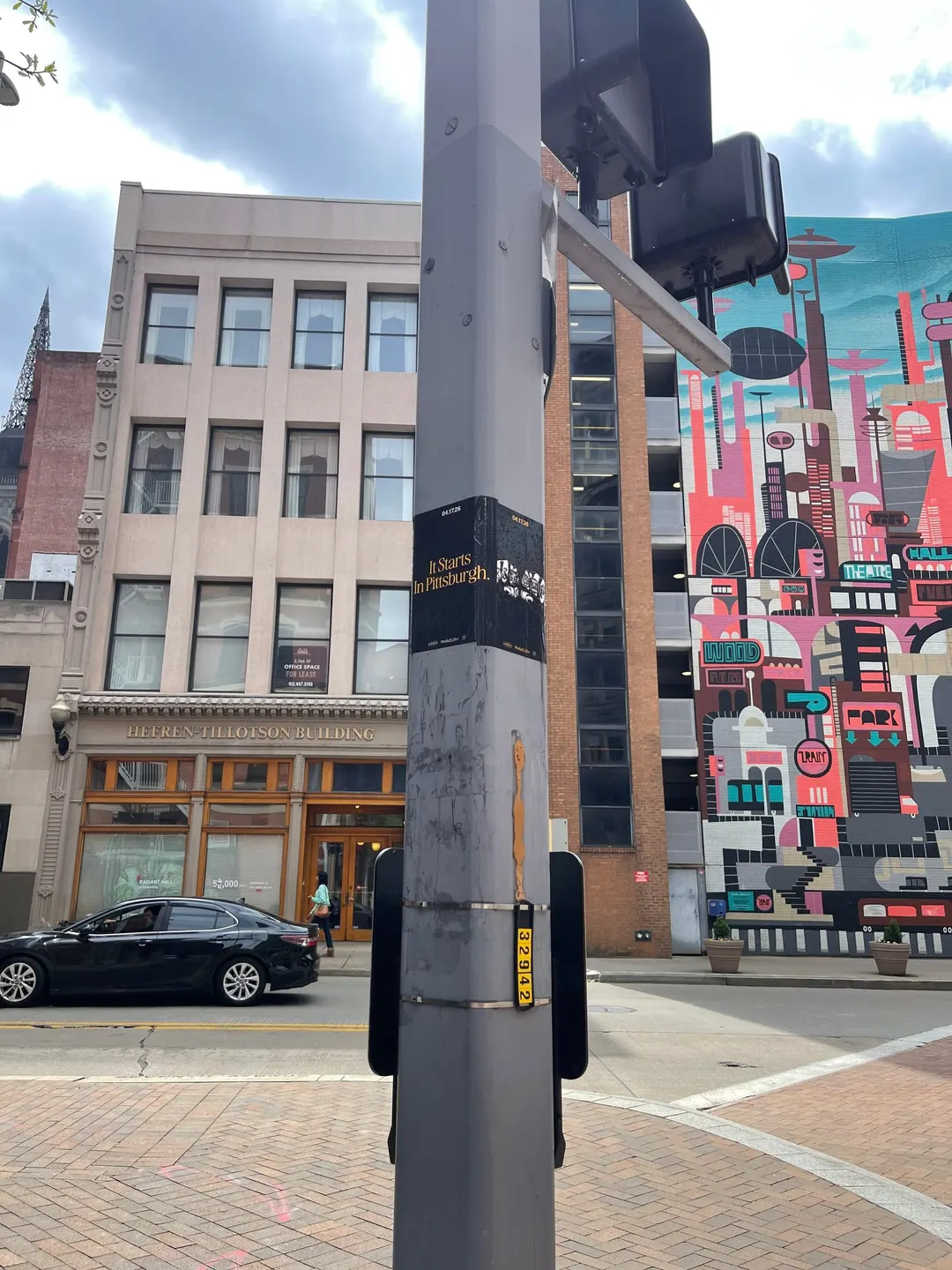

Proof · Printed in-house · Installed by our crew
Street campaigns for Nonprofits & Advocacy brands. Proof included.
Send the brief; a scoped quote for your vertical comes back inside 24 hours — formats, neighborhoods, and a GPS-stamped photo of every placement when the run wraps.
- Quote in under 24 hours
- No discovery call. The brief is the call.
- Printing & Installation under one roof
Brief us · Quote in under 24 hours
Start your nonprofits & advocacy campaign.
Brand-safe by default.
- Private-property walls only Written owner consent on file for every surface. No public infrastructure, transit, or right-of-way.
- GPS-stamped photos within 48 hours Wide, mid, detail per placement. The proof your team forwards internally.
- FTC + local-code compliant Disclosures and permitting handled per contract. Legal reviews clean.
- Zero municipal removals on record 500+ documented installs, none taken down by a city.
Read the full field notes
Your coalition needs visibility in the neighborhoods where your constituents live, work, and organize. While grant dollars are finite and digital ad costs continue to climb, the street remains the most efficient, most credible, and most measurable channel for nonprofit and advocacy reach. Especially when every install comes with proof.
Beyond Street Media partners with nonprofits, foundations, and advocacy coalitions to build street-level visibility in dense urban neighborhoods, with documentation built into every campaign. We manage the full pipeline. From design and funder-compliant invoicing to production, installation, and photo-proof packaging. Because coalitions don’t spend grant money on campaigns they can’t prove worked.
Why street campaigns work for nonprofits and coalitions
Nonprofits operate under budget constraints that make traditional advertising impossible. A single month of programmatic digital ads targeting 50,000 voters in five neighborhoods costs $8,000-$15,000. A coordinated wheatpaste and stencil campaign hitting the same five neighborhoods with saturation placement (30-40 installations per neighborhood) costs $4,000-$7,000 and generates infinitely more community engagement, social pickup, and board-reportable proof.
Street campaigns also convey community embeddedness in ways digital cannot. When a constituent walks past five posters from a housing nonprofit across their neighborhood, that organization reads as organized, funded, and locally rooted. Not a distant nonprofit headquartered upstate. Media outlets covering community issues photograph street installs. Community members share images organically. Social channels amplify. The physical install becomes the proof of presence, which funder auditors and board members recognize instantly.
For coalitions, the street creates coalition visibility across geographies. A coalition representing 20 member organizations can run a single coordinated campaign across 5 cities, with each member org getting documented proof that their coalition investment delivered reach in their target neighborhoods. Cost-sharing becomes transparent: the coalition coordinator pays a single invoice, documents the spend per city, and redistributes costs to members with placement photography to back it up.
Finally, nonprofit campaigns need documentation that digital cannot provide. A funder paying $5,000 for a campaign needs to see: where it ran (GPS-tagged photos), how long it ran (install/removal dates), and who saw it (neighborhood-level placement counts converted to reach estimates). Street campaigns deliver this automatically.
In-house printing keeps more of a tight grant budget in placement instead of print markup. We print on our own presses. See poster printing. For a coalition running one creative across three to five cities, a single batched run holds color and stock identical in every member geography, which matters when each org reports the same campaign to its own board. It also enables the 7-to-10-day turnaround advocacy windows demand, and it lets us rerun a poster fast when a legislative bill number or an event date on the artwork changes.
What we run for nonprofits and advocacy organizations
Beyond Street Media offers six core services for nonprofits and coalitions, each designed for lean budgets, board reporting, and coalition coordination:
Wheatpaste advertising. Multi-poster series installs, 7-10 day turnaround, neighborhood saturation, ideal for coalition campaigns and foundation-funded awareness work. A single neighborhood blitz (8-12 posters) saturates foot-traffic zones; multi-neighborhood campaigns (3-5 cities, 30-50 placements per city) convey coalition scale and coordinated reach.
Paste-up poster campaigns. Hand-pasted, large-format posters on pre-authorized walls and construction hoardings. Rapid deployment. Every install documented with GPS and photography for grant reporting and social amplification.
Sidewalk stencil advertising. Eco-friendly, durable, community-friendly messaging on concrete. Ideal for voter education, health awareness, housing advocacy, and rapid coalition drops in high-foot-traffic zones. Stencils align with nonprofit values (low-impact, replicable, neighborhood-scale).
Pole sticker advertising. Utility-pole placement for high visibility and rapid deploy in coalition geographies. Ideal for reinforcement messaging, event promotion, and coalition-member-organization cross-promotion across cities.
Chalk stencil campaigns. Rapid, non-permanent, eco-friendly option for test messaging and flash advocacy campaigns. 24-48 hour turnaround. Perfect for rapid response to legislative votes or community mobilization windows.
Interior installs. Poster placement in community centers, nonprofit partner offices, libraries, and health clinics. Durable professional installations in high-traffic donor and client zones. Ideal for long-term awareness campaigns and coalition partner activation.
Compliance and brand-safety notes
Nonprofit campaigns operate in cleaner legal territory than political campaigns. 501(c)(3) nonprofits can run educational and advocacy campaigns on healthcare, housing, voting rights, climate, education, and community issues without FEC attribution disclaimers or federal campaign finance reporting. This means faster production, simpler compliance, and more creative freedom.
The distinction is surgical: Issue advocacy (education, healthcare, housing) runs outside FEC jurisdiction. Direct electoral coordination (supporting or opposing a specific candidate) enters FEC territory and requires paid-for disclaimers and federal reporting. Most nonprofit coalitions operate in the issue-advocacy zone. We maintain compliance clarity upfront: if your campaign enters electoral territory, we flag it, ensure creative includes required disclaimers, and provide documentation for funder compliance.
Property-owner consent on every paid placement is non-negotiable. Beyond Street Media maintains relationships with building managers, BID offices, and general contractors in every market. You get explicit written permission before installation begins. This protects both your nonprofit and the property owner, and it gives your funder the legal cover they need.
For coalition campaigns, we coordinate consent and compliance across all member-organization geographies simultaneously. A single compliance checklist covers all five cities; a single production schedule coordinates installs; a single documentation package distributes credit to participating members. This is coalition-grade coordination.
Removal timelines depend on the surface and campaign duration. Wheatpaste on private walls typically runs 2-4 weeks unless the owner requires earlier removal. Stencils last longer. Interior installs stay up indefinitely unless the nonprofit removes them. For fixed-duration campaigns, we coordinate removal timing and include it in the project scope if specified upfront.
Past nonprofit and coalition work
In 2025, we executed the Nonprofits of NY coalition campaign. A 3-poster series addressing nonprofit-led civic participation and city contracts. Red, blue, and white messaging rolled out across Manhattan and Brooklyn neighborhoods, coordinated with coalition members in five different nonprofit sectors. Installation window: 8 days. Final documentation: 60+ geo-tagged placement photos, neighborhood-by-neighborhood install map, daily production logs, estimated reach of 250,000+ foot-traffic pedestrians across dense urban zones. The coalition used install photography in coalition reporting and board presentations. Social media amplified imagery organically. Local press covered the campaign. Documentation supported both coalition narrative and individual member-organization annual reports.
For nonprofit clients, we’ve executed interior poster installs in community partner networks, health-clinic awareness campaigns, and rapid-response advocacy stencil drops coordinated with legislative voting windows. Every campaign returned with board-reportable documentation and impact cards suitable for funder narrative and donor engagement.
Cities we activate for nonprofit and advocacy work
Nonprofits and coalitions concentrate in metro areas with highest poverty, housing instability, and health disparities, which aligns with our Tier-1 network. Top markets for nonprofit/coalition campaigns:
- New York City. 50+ nonprofits per neighborhood; coalition density highest in nation
- Washington DC. Advocacy coalition hub; NGO headquarters concentration
- Boston. Health and education nonprofits; foundation funding density
- Chicago. Housing and community development coalition network
- San Francisco. Tech-accountability and housing coalitions
- Los Angeles. Immigrant-rights and health coalitions
- Atlanta. Voting rights and community development focus
- Philadelphia. Housing and community-investment nonprofit cluster
Secondary markets (Tier 2) including Minneapolis, Denver, Portland, Austin, Seattle, Miami, and Houston support regional coalition campaigns. For national coalitions, we recommend clustered deployment (hit 3-5 metros in sequence, 2-3 week cycles) rather than nationwide spread.
How a multi-city coalition campaign runs
A coalition is not a single client. It is several organizations sharing one budget, one message, and one deadline, each reporting to a different board. The coordination is the work. We run it in four moves:
- One creative lock. The coalition coordinator signs off on the master artwork. We batch-print it on a single run so every city carries identical color and stock, and no member org ends up with off-brand sheets.
- Neighborhood distribution plan. We map which member covers which corridor so coverage does not overlap. A housing coalition might split East Harlem, Washington Heights, and Astoria across three orgs without doubling spend on the same block.
- Parallel install crews. Each metro gets a dedicated crew under the single coordinator, so a 3-to-5 city push lands inside a 10-to-14 day window. Lock creative on Day 1, installs spread across Days 7 to 14.
- Per-org documentation, single narrative. Each city closes with its own GPS-tagged packet, so every member proves where its contribution ran while the campaign reads as one coordinated effort.
Cost-sharing stays transparent throughout. We invoice the coordinator, who redistributes per the member agreement, and each org receives placement photography that backs its share of the spend. For rapid-response advocacy tied to a legislative vote, chalk stencil campaigns compress the cycle to 24 to 48 hours.
What lands in the funder report
A grant-funded campaign is only complete when the funder can verify it. Every run closes with a packet built for board reporting, funder narrative, and donor engagement, not a metrics screenshot:
- Geographic proof. GPS coordinates and a neighborhood-level install map showing exactly where the campaign ran. The Nonprofits of NY coalition returned 60-plus geo-tagged placement photos across Manhattan and Brooklyn.
- Reach estimate. Placement counts multiplied by foot-traffic density per corridor. The same coalition run estimated reach at 250,000-plus pedestrians across dense urban zones.
- Itemized invoicing. Design, production, installation, and documentation broken out by service, and split by funding source when restricted grant money and unrestricted donations have to be allocated separately in the books.
- Earned media log. Any press pickup or organic social amplification tracked and photographed into the wrap, so the board sees the campaign extended past the paid placements.
The result packages into a one-page impact card: X neighborhoods, Y placements, Z estimated impressions. A programmatic buy of the same five-neighborhood reach returns a dashboard. The street run returns documented placements an auditor can verify and a board can photograph, at a fraction of the digital cost.
Nonprofit and coalition campaigns require a different partner
Beyond Street Media was built for organizations that measure impact, report to funders, and need documentation. We don’t pitch “brand awareness”. We deliver documented reach. We don’t promise “viral”. We guarantee GPS-tagged placement photography. Your coalition spends grant dollars on campaigns they can prove worked. That’s what we build.
Nonprofits & Advocacy questions.
The 5 things nonprofits & advocacy brands ask before sending a brief. Same-day answers from the desk if yours isn't here.
Q · 01 What's the difference between 501(c)(3) nonprofit campaigns and FEC-regulated political campaigns?
501(c)(3) nonprofits can run educational and advocacy campaigns on most issues (healthcare, education, climate, housing, voting rights) without FEC attribution disclaimers. Direct electoral coordination (candidate campaigns, ballot initiatives) operates under federal FEC rules requiring paid-for disclaimers. Coalition advocacy for nonprofits sits mostly outside FEC jurisdiction. You're educating the public, not directly supporting a candidate. We handle both; we just flag the compliance tier upfront. Most nonprofit advocacy work needs less legal friction than federal candidate work.
Q · 02 Do you offer reduced rates for verified 501(c)(3) nonprofits?
Yes. We partner with nonprofits and foundations on mission-driven campaigns and offer tiered nonprofit pricing on multi-service bundles. Verification of 501(c)(3) status (Form 990 or IRS determination letter) unlocks our nonprofit rate. We also work with foundations funding coalition campaigns. You get coalition-volume pricing for coordinated multi-city deployments. Contact us for a nonprofit-specific quote.
Q · 03 What documentation do funders require, and do you provide it?
Grant funders typically require: itemized invoicing tied to project milestones, GPS-tagged placement photographs (proving the campaign ran where you said it ran), placement counts by neighborhood, install dates and duration, and compliance clearance (confirming all surfaces had owner consent). We provide all of this as standard. Every campaign returns with a wrap deck suitable for board reporting, funder narrative, and social-media amplification. If your funder requires a custom reporting format, we adapt.
Q · 04 How do coalition campaigns work across multiple member organizations?
Coalition campaigns share production costs across member orgs, reducing per-member spend. We work with the coalition coordinator to align on messaging, establish geographic distribution (which neighborhoods each city covers), and lock timelines. We then execute a single coordinated campaign and deliver separate documentation packages per member org. Each org gets proof of where their contribution ran. Cost-sharing is transparent: we invoice the coalition coordinator, who distributes costs per member-organization agreement.
Q · 05 What's the turnaround timeline for a multi-city coalition campaign?
Design-to-install for a 3-5 city coalition campaign runs 10-14 days for wheatpaste + stencil blitzes. If your coalition locks creative by Day 1, production starts immediately; installation spreads across Days 7-14 with coordinated crew scheduling. Faster is possible for single-city campaigns (7-9 days). Slower timelines (4-6 weeks) only make sense if your advocacy window is flexible. Most coalitions operate on 10-day cycles because that's when legislative or ballot deadlines hit.
We delivered.











Brand partners include: FIFA World Cup 2026, Palantir, Sézane, G-Shock, Mitchell & Ness, True Religion, Huda Beauty, Yonex, Relevance AI, Momentous, RYZE Coffee, Bloom Effects, Incrediwear, Brooklyn Museum, Sweat FC, HydroJug, Frameline, Alchemy, OneRepublic, Lone Fox, Vaura Pilates.
Got a nonprofits & advocacy launch?
Inquire now.
Send the Nonprofits & Advocacy brief: markets, window, creative direction. Vertical-specific quote back in 48 hours.