Wheatpaste poster advertising in Chicago.
Hand-installed paste-up posters across Wicker Park, Logan Square, Pilsen, the West Loop, and River North. Per-wall pricing, GPS photo proof on every install.
From $3,500, printing and installation both included. 7-10 days from brief to first wall.
500+ documented installs · a GPS photo of every wall · printed and installed in-house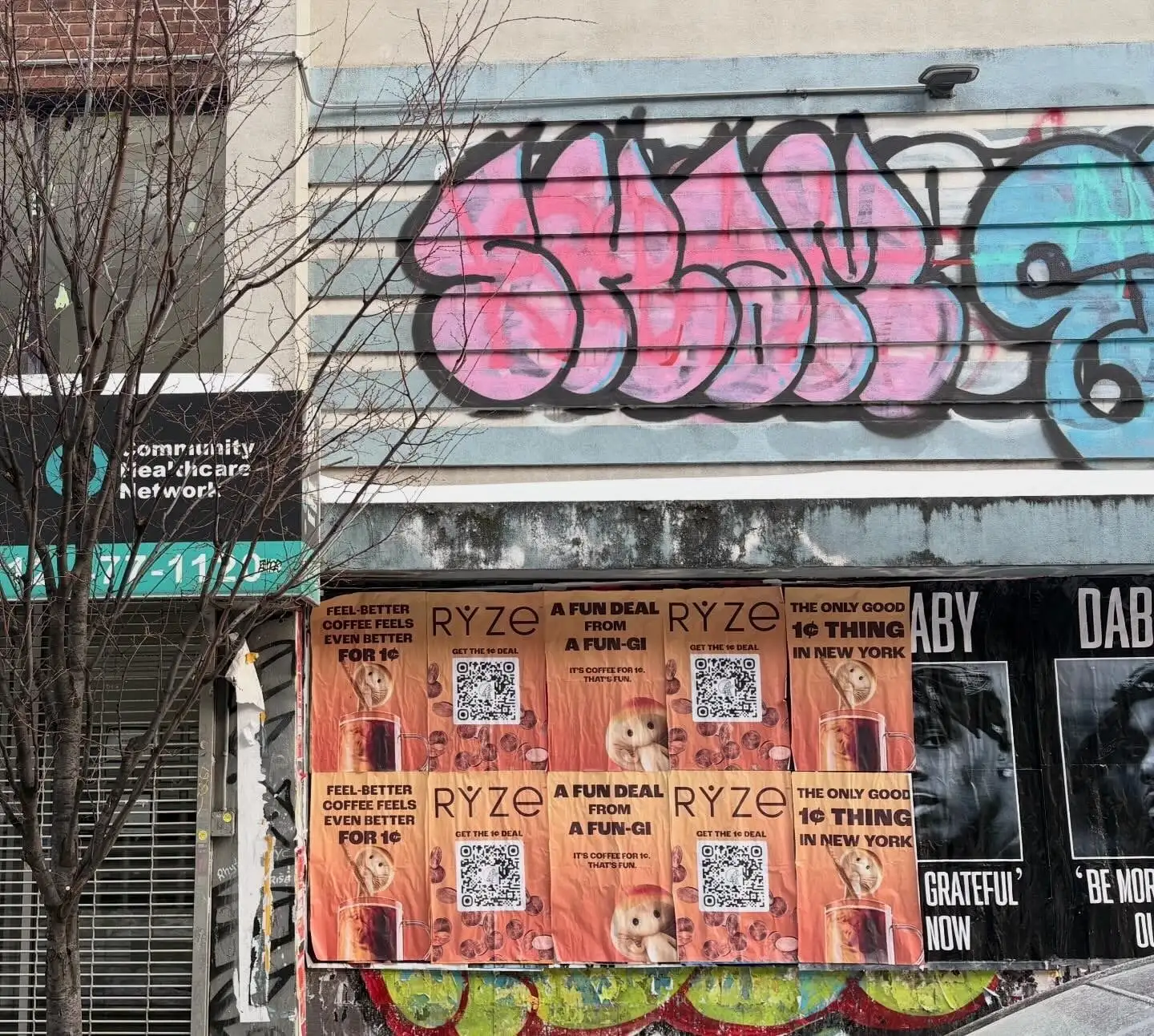
We delivered.




















Brand partners include: FIFA World Cup 2026, Palantir, Sézane, G-Shock, Mitchell & Ness, True Religion, Huda Beauty, Yonex, Relevance AI, Momentous, RYZE Coffee, Bloom Effects, Incrediwear, Brooklyn Museum, Sweat FC, HydroJug, Frameline, Alchemy, OneRepublic, Lone Fox, Vaura Pilates.
We print it, paste it, and prove it.
Print and install under one roof — heavyweight paper hand-pasted at wall scale by a local crew, then a GPS photo of every wall. No broker in the middle.
- Print + install, in-houseOne team, proof to paste — no broker, no markup
- Hand-pasted at wall scaleLocal crews, heavyweight paper — no vinyl, no machines
- A GPS photo of every wallWide · mid · detail, lat-long stamped on every install
- 500+ installs, zero removalsDocumented — the paper trail holds up
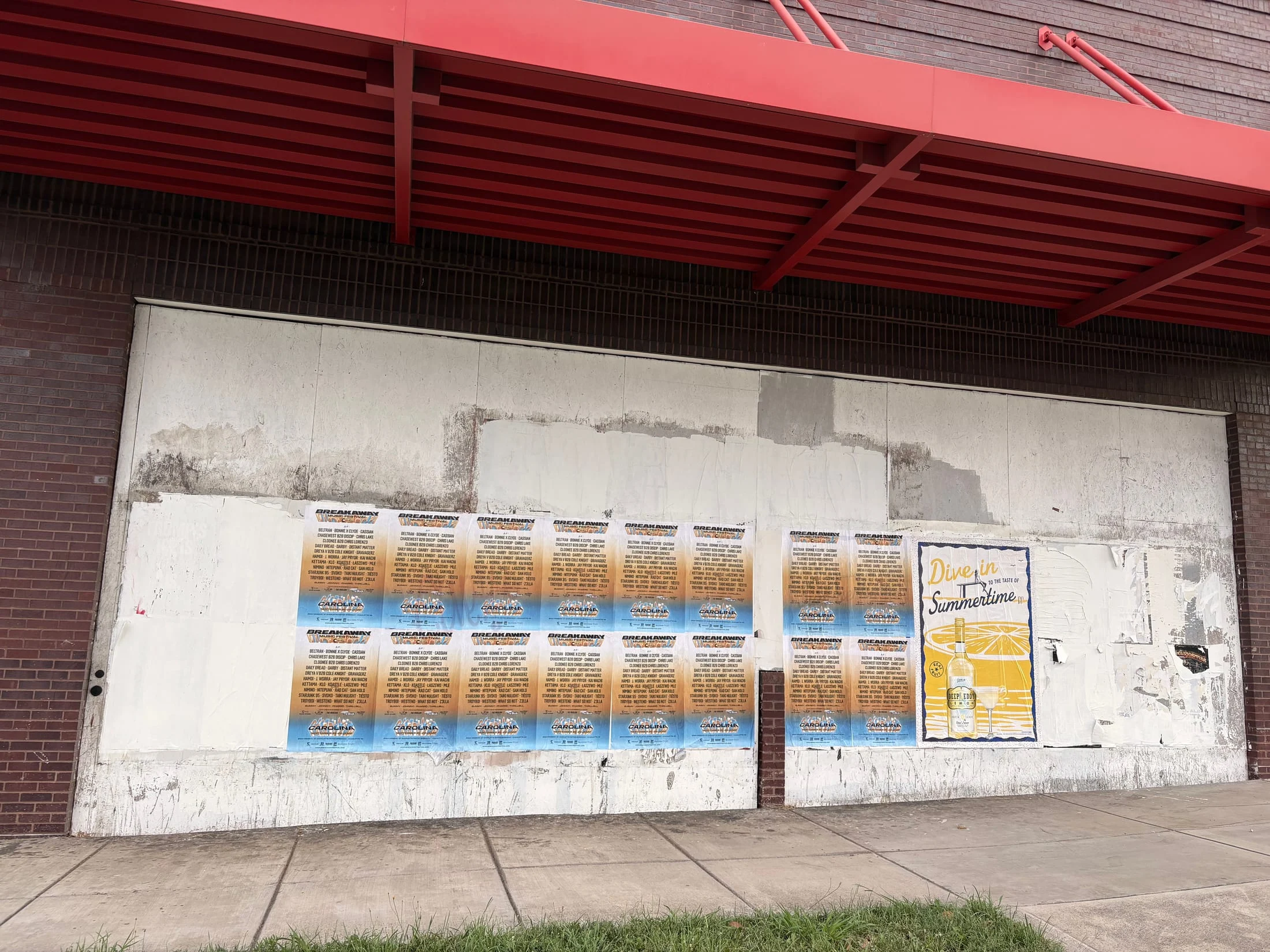
Heavyweight stock, up on the wall.
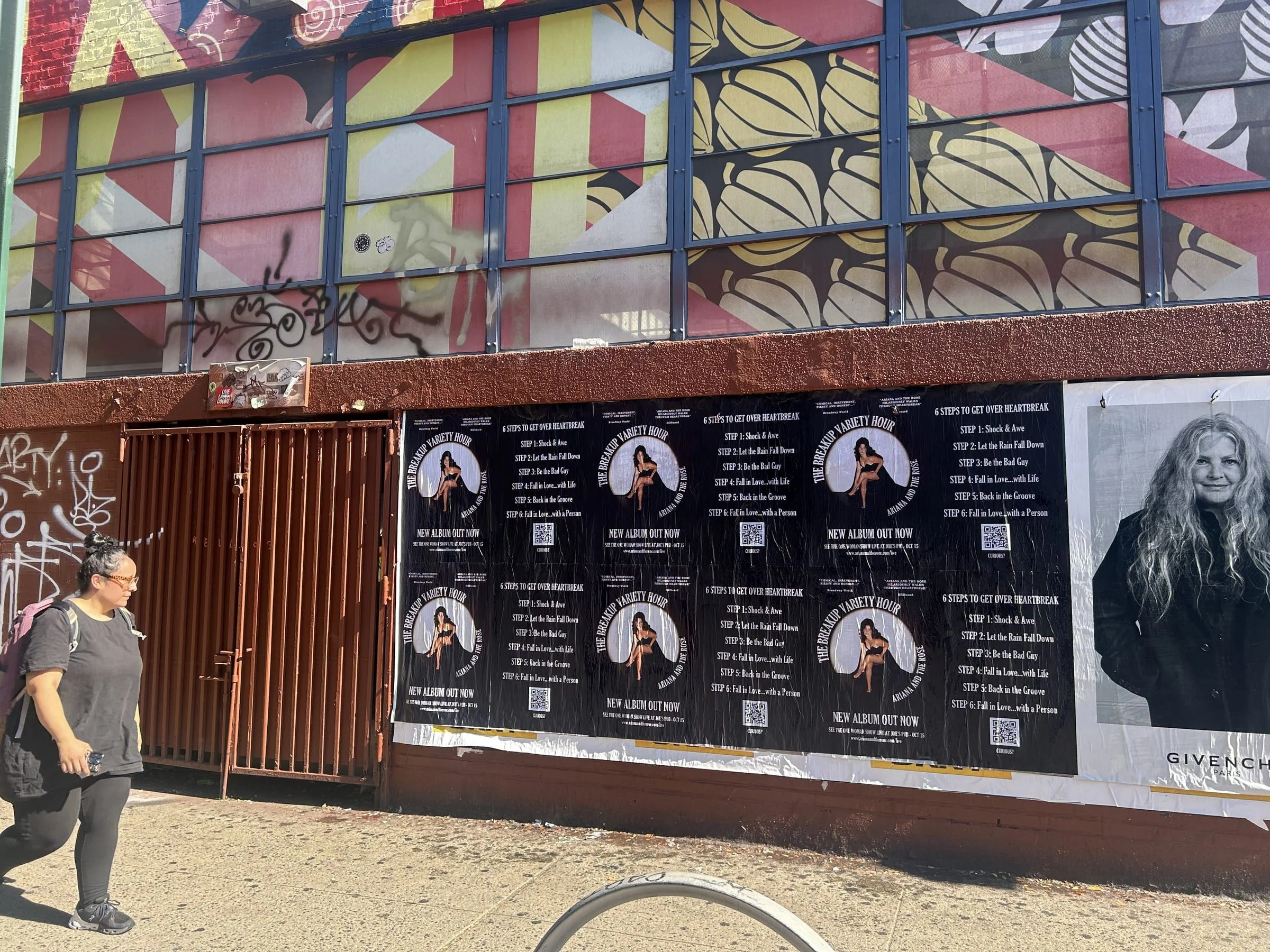
Where the city actually looks.
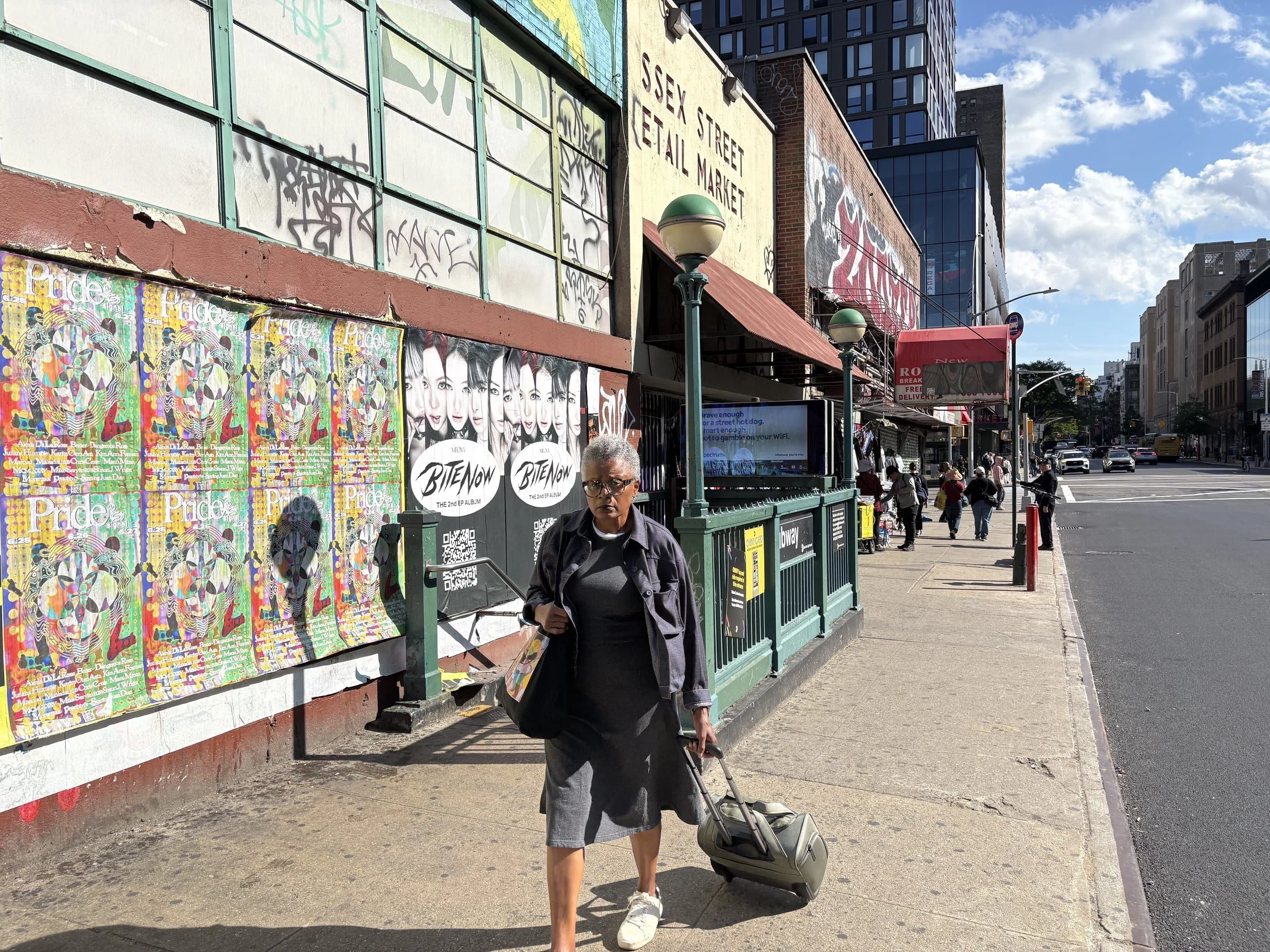
Block after block, Chicago-wide.
Brands run wheatpaste with us because it moves people — Sézane for Soho retail traffic, Palantir for recruiting, FIFA for the World Cup.
- 500posters · RYZE Coffee, NYC · 21-day hold
- 550posters · Frameline, SF · 30-day hold
- 300posters · True Religion, Houston · 42-day hold
500+ documented installs · zero municipal removals on record · a GPS photo of every wall
- From $3,500 Wheatpaste posters 36×48 in sheet · 7-10 days in Chicago
- From $2,500 Sidewalk stencils Biodegradable chalk · 5-7d lead
- From $3,000 Snipes + stickers Light-pole · utility-box · 5-10d
- From $18,000 Hand-painted murals Brush-painted · building scale
- Rush +80-150% Expedited campaigns 24-72hr brief-to-wall
Milwaukee Avenue holds the wall.
The Milwaukee Avenue corridor through Wicker Park and Logan Square carries roughly 8 to 12 high-visibility paste-friendly walls per block. The grid means more wall per square mile than any other Tier-1 in the country. Storefront shutters, painted commercial frontage, and boulevard brick sit at eye level on the streets your audience already walks. New paper reads as part of the corridor, not noise dropped on top of it.
That is the Chicago paste-up advantage. Not a billboard buy. Not CTA transit. Hand-installed wheatpaste at street scale on the surfaces a design-aware Midwest audience passes during Lollapalooza, Pitchfork, Riot Fest, and the Saturday gallery walk through Pilsen and River North. The wall is the campaign. Nothing surrounds it.
Installs ship in 7 to 10 days from approved creative to first paste-up live. Our crew covers Wicker Park, Logan Square, Pilsen, the West Loop, River North, and Bucktown on a routed dispatch. Winter pushes carry a 3 to 5 day weather buffer because lake-effect cold drops wall-surface temps below paste thresholds.
Eight neighborhoods. Eight registers.
- Wicker Park storefront shutters · painted commercial · 14-21 days
The Milwaukee Avenue corridor, 8 to 12 walls per block. Storefront shutters and painted commercial frontage. The densest paste-up audience in the Midwest. Highest paste velocity in the city.
- Logan Square boulevard brick · painted · 14-21 days
The California-Kedzie corridor along the boulevards. Boulevard brick and painted commercial walls. A high-velocity, design-aware audience. Pairs with Wicker Park on the Milwaukee Avenue run.
- Pilsen raw brick · mural-adjacent · 16-24 days
Fifteen blocks of organized mural culture along 18th Street. Raw brick, mural-adjacent walls. Paste-up here reads as part of the visual register only when the crew coordinates with the artist community. Not a posting zone.
- West Loop construction hoarding · retail · 12-20 days
The Fulton Market District. Construction hoarding and retail-corridor walls. Reaches design and creative buyers plus corporate-adjacent briefs. Strongest paste-up neighborhood for fashion, food, and agency work.
- River North commercial walls · 12-18 days
Downtown gallery corridors. Clean, controlled commercial walls. Reaches a downtown placement audience for product reveals and brand launches that want polished surfaces over raw brick.
- Bucktown residential-commercial frontage · 14-20 days
North of Wicker Park along the same corridor. Residential-commercial frontage. Extends the Milwaukee Avenue audience into a residential reach for DTC, fitness, and hospitality briefs.
- Wrigleyville commercial brick · 12-18 days
The game-day corridor around the ballpark. Commercial brick at street level. Heavy foot traffic on game days. Routing reroutes around home games so installs stay clean and crews avoid the crowd window.
- Andersonville neighborhood retail · 14-20 days
Neighborhood retail along Clark Street. Painted retail frontage at walking pace. The right neighborhood for independent-retail, food-and-beverage, and community-rooted briefs north of the river.
Six stages. Grid discipline.
Brief to refresh audit. Each stage owned by an operator on our crew. The weather-rated winter paste, the Pilsen artist coordination, the festival-week routing logic. All of it is the Chicago baseline.
- 01
Brief intake + wall count
Creative direction, target neighborhoods (Wicker Park, Logan Square, Pilsen, etc.), window, and budget go in; a wall count, neighborhood map, and per-wall budget come back. 24-48 hour first-pass scoping.
- 02
Local scout + owner permission
A scout walks the Milwaukee Avenue corridor and the requested neighborhoods. Walls confirmed with written owner consent on storefront, commercial, and hoarding surfaces. Pilsen runs through artist-community coordination before any paper is optioned. Option 1.4x final wall count for weather swaps.
- 03
Print + weather-rated paste prep
Print runs on weather-rated stock. Paste batches mixed to a weather-rated formulation that cures in low-temperature, lake-effect conditions. In winter the crew confirms surface temps before applying. Materials staged 48 hours before dispatch.
- 04
Dispatch day. Milwaukee Avenue first
Morning start on the Wicker Park and Logan Square corridor for the densest paste run. Pilsen mid-morning, coordinated with the mural blocks. West Loop and River North through the day. Bucktown and Andersonville to close. Most campaigns go live across multiple neighborhoods in a single routed dispatch, often over one weekend.
- 05
Photo log + client portal
Three GPS-stamped photos per wall (wide, mid, detail). Field-log app captures lat/long, timestamp, installer ID. Portal updates within 48 hours of install. No invoicing until the photo bundle is signed off.
- 06
Day 14 / 21 / 30 audits + refresh
Chicago wraps run longer than coastal markets because low winter UV preserves paste integrity, but freeze-thaw cycles test adhesion. Audits at day 14, 21, 30. Any wall that loses surface gets refreshed on the next dispatch. Festival-week walls get an event-day check layered on top.
Private property. Written consent. Period.
Chicago allows wheatpaste on private property with the owner's permission. We pull written consent on every install. Public infrastructure is never touched.
Every Chicago paste-up sits on a permitted private surface with written owner consent. We do not run on CTA transit, utility poles, light poles, or municipal right-of-way. Public infrastructure is off-limits. Period.
Municipal + zoning code. Chicago's sign and zoning code regulates sign placement and prohibits unauthorized posting on public right-of-way. Private wall inventory across the city is substantial, so our installs run exclusively on commercial walls, construction hoarding, and storefront partners with documented agreements.
Pilsen mural integration. The 18th Street corridor is fifteen blocks of organized mural culture, not open posting inventory. Paste-up there runs only with artist-community coordination, and work that respects existing murals earns repeat wall access. Crews that treat Pilsen as inventory get noticed for the wrong reasons inside a week, so this step adds lead time by design.
Complaint windows. Code Enforcement response on graffiti-coded complaints averages 45 to 60 days, one of the longer clean windows of any Tier-1 market. We treat that as headroom for a clean wrap, not a reason to cut corners on consent. Every surface is permissioned before paper ships.
500+ documented installs. Zero municipal removals on record. The paper trail holds up in any takedown dispute. The brand on the poster is never on the hook for a complaint we routed through.
The Chicago wheatpaste playbook Operator detail · surfaces, climate, timing
What paste-up advertising actually does in Chicago
Wheatpaste advertising in Chicago is hand-installed paste-up poster campaigns adhered to private walls with water-based adhesive. The category also goes by paste-up poster campaigns, street poster advertising, flyposting, and bill posting. The format converts on the same dynamic everywhere it works: a poster on a wall the right audience walks past, repeatedly, over weeks. In Chicago the variable that decides the campaign is the grid. The city’s street layout packs more wall per square mile than any other Tier-1 in the country, and the Milwaukee Avenue corridor through Wicker Park and Logan Square is the densest paste-up audience in the Midwest. Pasting Wicker Park reaches a high-velocity, design-aware register. Pilsen reaches a mural-literate cultural audience. The West Loop reaches Fulton Market design and agency buyers. River North reaches a downtown placement audience. The same poster, hung on the wrong corridor, lands on the wrong people.
That is the Chicago operator problem in plain language. The audience is not dispersed evenly across the city. It clusters in walkable corridors with their own visual codes. Reaching that audience through paid social is expensive because the targeting overlap with the rest of the country is wide and shallow. Reaching it through CTA transit or DOOH carries a high minimum spend and mostly highway-adjacent placement. Wheat pasting at neighborhood scale solves the geometry. Two well-placed walls on Milwaukee Avenue do more work than ten walls scattered across the wrong blocks.
When Chicago clients book paste-up over other formats
- Festival season (July through September). Lollapalooza, Pitchfork, and Riot Fest concentrate a music audience into tight windows. Music labels, promoters, and apparel brands run a 30 to 60 day pre-festival paste-up window so paper is on the wall when the crowd lands in Wicker Park, Logan Square, and the West Loop.
- Brand entry into the Midwest market. DTC, fashion, fitness, and food brands launching Chicago operations use multi-neighborhood paste-up to register presence before paid digital kicks in.
- Gallery and venue moments in Pilsen and River North. The paper-on-wall format reads as part of the neighborhood narrative rather than commercial intrusion, strongest where the visual culture already runs deep.
- Downtown convention windows. NRF, the Auto Show, and IMTS pull a national business audience into the Loop and River North. A tight paste-up footprint near the convention catchment hits decision-makers off the trade-show floor.
- Game-day adjacency in Wrigleyville. The ballpark corridor concentrates foot traffic on Cubs home days, so installs route around the games and hold for the surrounding week.
- Neighborhood retail openings. The one-mile catchment around a new restaurant, shop, or bar on Clark Street or along Milwaukee Avenue drives the spend.
Why the grid changes the surface math
Chicago’s surface inventory is more varied than a single-corridor coastal market because the built environment shifts every few blocks. Wicker Park and Logan Square favor storefront shutters and painted commercial frontage that hold paste cleanly at street level. The boulevard brick along the California-Kedzie corridor reads at both walking and idling-car speed. Pilsen’s raw, mural-adjacent brick on 18th Street is the most demanding surface in the city, not because the brick is hard to paste, but because the context is. Paper only belongs there when it respects the murals around it. The West Loop’s construction hoarding and retail walls in Fulton Market suit larger-format builds. River North’s clean commercial walls carry the polished, controlled look that downtown product launches want.
Standard poster sizes work across the grid: 24x36 single-sheet for tactical takeovers, 27x40 for higher-visibility single placements, 48x72 multi-panel builds for hero walls. Construction-hoarding posters run in the West Loop and other reinvention zones for longer visibility windows. Scaffold wrap suits downtown commercial cycles in River North and the Loop. Interior installs cover galleries, music venues, and bars across Wicker Park, Logan Square, and the West Loop for niche cultural reach without outdoor permitting overhead.
Why lake-effect winter is the real operational variable
Most paste-up shops treat winter as a dead season and let campaigns thin out from December through February. The honest reason is chemistry. Lake-effect cold drops wall-surface temps below the threshold where standard paste cures, and a poster applied to a frozen wall will lift at the corners within days. None of that disappears if you ignore it. It just leaks into the campaign and produces thin proof.
Our crew handles winter as a scheduling problem, not a stop. The paste batches are mixed to a weather-rated formulation that cures in low-temperature conditions, and crews schedule installs around mid-day thaw windows when surface temps come up. Surface temperature is confirmed before any paste touches brick. Counterintuitively, wraps often run longer in winter than summer because low UV preserves paste integrity, even as freeze-thaw cycles test the edges. The trade-off is lead time: winter pushes carry a 3 to 5 day weather buffer so the dispatch can wait for the right window instead of forcing paper onto a cold wall.
What the wrap deck includes
Every Chicago campaign closes with a documentation pack that holds up in any operator review. The pre-install site map shows confirmed walls with neighborhood context, foot-traffic notes per corridor, and property-owner approval status. Daily install logs ship photo batches and GPS logs while paper is still going up. The final wrap deck breaks placement count by neighborhood, install dates, duration, geo-tagged install map, and the full image archive. Pilsen installs add community-partnership notes that document the artist coordination, so the cultural side of the work is on the record. Compliance documentation closes the loop: property-owner permissions, city-specific code notes, and any disclaimers if the work was political or cause-related.
Internal cross-links
Paste-up advertising in Chicago works well in combination with other street formats. See our full guides on paste-up poster campaigns for the core hand-pasted poster format, snipe poster campaigns for rapid tactical coverage across the Milwaukee Avenue corridor, construction hoarding posters for the West Loop and Fulton Market reinvention zones, and pole sticker advertising for small-format coverage on Milwaukee, Damen, and 18th Street. For the canonical service overview, see wheatpaste advertising. For the broader Chicago coverage hub, see Chicago street advertising.
Chicago questions.
The short version. The brief covers the rest.
Q · 01 Is wheatpaste advertising legal in Chicago?
Yes. Every wall we paste is privately owned and cleared in writing first, and public infrastructure stays untouched: CTA transit, utility poles, traffic signs, or municipal right-of-way. Chicago's sign and zoning code regulates sign placement and prohibits unauthorized posting on public right-of-way. Zero municipal removals on record across 500+ documented installs.
Q · 02 How much does a wheatpaste campaign cost in Chicago?
Wheatpaste in Chicago starts at $3,500 per campaign with print and install included. Multi-neighborhood programs across Wicker Park, Logan Square, Pilsen, the West Loop, River North, and Bucktown price up from the published floor. The final number depends on turnaround, size, location count, and combined service mix, and it tracks print volume and crew days, not the brand on the poster. Festival-week briefs carry a premium on compressed install windows. Final quote returns in 24-48 hours. Full rate card is on our pricing page.
Q · 03 Which Chicago neighborhoods do you cover for paste-up campaigns?
Wicker Park, Logan Square, Pilsen, the West Loop, River North, Bucktown, Wrigleyville, and Andersonville. Wicker Park and Logan Square carry the highest density of paste-friendly walls along the Milwaukee Avenue corridor, roughly 8 to 12 high-visibility walls per block. Pilsen runs fifteen blocks of mural-integrated brick on 18th Street. The West Loop serves the Fulton Market design and agency audience. River North handles downtown placement on clean controlled walls. Each neighborhood carries distinct property-owner relationships and surface specs.
Q · 04 How fast can a Chicago campaign launch?
Seven to ten days from creative lock to first wall. Tier-1 pace, but property coordination runs 3 to 5 days because we secure written consent on every surface before paper ships. Installation moves fast once access is confirmed, and most campaigns go live across multiple neighborhoods in a single weekend. Pilsen adds lead time for artist-community coordination. Winter pushes absorb a 3 to 5 day weather buffer for cold-surface scheduling.
Q · 05 What proof do I get back from a Chicago campaign?
Three GPS-stamped photos per wall: wide, mid, detail. Delivered as a downloadable bundle and inside your client portal within 48 hours of install. A GPS install log with one row per wall (neighborhood, lat/long, install date, surface, installer ID). A 30-day audit memo with survival count and refresh log. The wrap deck breaks placement count by neighborhood with foot-traffic notes per corridor. Pilsen installs include community-partnership notes documenting the artist coordination.
Got a Chicago wall?
We've got the paste.
Send the brief. Wicker Park, Logan Square, Pilsen, West Loop, River North. Chicago paste-up quote is back within 48 hours, priced against the per-wall base above.