Guerrilla marketing across Hawaii.
Wheatpaste, murals, stencils, and pole-stickers across Hawaii. Permitted walls, hand-installed, GPS-stamped photo proof on every panel.
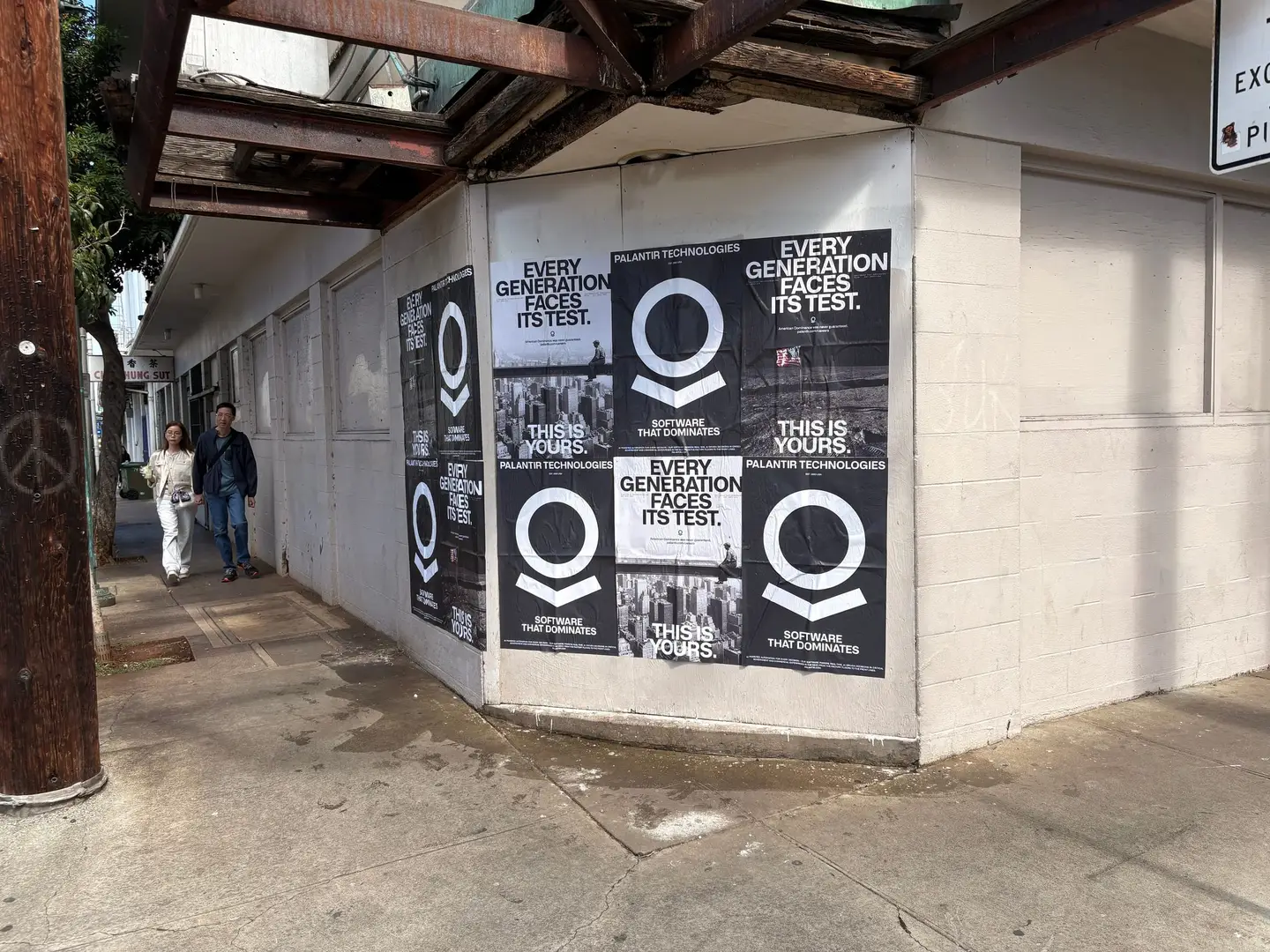
We delivered.




















Brand partners include: FIFA World Cup 2026, Palantir, Sézane, G-Shock, Mitchell & Ness, True Religion, Huda Beauty, Yonex, Relevance AI, Momentous, RYZE Coffee, Bloom Effects, Incrediwear, Brooklyn Museum, Sweat FC, HydroJug, Frameline, Alchemy, OneRepublic, Lone Fox, Vaura Pilates.
- 3 Cities covered
- 14 Neighborhoods scouted
- 100% GPS photo-proofed
- 0 Municipal removals on record
Cities we run in Hawaii.
Active install markets across Hawaii. Tap any city for its local work, neighborhoods, and pricing.
Every market in Hawaii.
Honolulu is the market. The neighbor islands are quoted per trip, and freight timing drives the schedule.
Honolulu and Oahu
Kakaako's mural district is the strongest street-media corridor in the state. Print ships ahead of the crew.
Honolulu, Waikiki, Kailua, Kaneohe, Pearl City, Aiea, Kapolei. Districts: Kakaako, Chinatown, Ala Moana, Manoa, Waikiki.
Maui, the Big Island, and Kauai
Quoted per trip and typically added to an Oahu window rather than booked alone.
Lahaina, Kahului, Kihei, Hilo, Kona, Waimea, Lihue, Kapaa, Wailuku.
Street-level marketing, printed and installed by us.
Guerrilla marketing puts your brand on the street where people actually walk, not on a screen they scroll past. We run it with wheatpaste posters (big paper prints brushed onto a wall with a flour-based paste), hand-painted murals, sidewalk stencils, pole snipes, and interior takeovers, all printed and installed by one crew. No media-owner middleman, no billboard rates. Every placement across Hawaii is permitted, hand-applied, and photographed the day it goes up. It's how culture-driven brands in fashion, music, film, tech, and fitness get seen in a market.
- 01 Brief & route
You send the brand, markets, and dates. We map the Hawaii cities and corridors where that buyer actually walks and price off the published floor.
- 02 Scout & secure
Crews scout walls on foot, then lock every surface in writing: owner agreement, BID-cleared scaffold, or permitted hoarding. The paper trail ships with the photos.
- 03 Print & install
We print in-house and hand-install from dawn, market by market. One accountable crew owns it end to end, with no print-shop handoff to a freelance installer.
- 04 Document
Every placement shot wide, mid, and detail, GPS-stamped on install day. The wrap deck lands within five business days with the full proof set.

Proof · Printed in-house · Installed by our crew
Guerrilla marketing across Hawaii. Proof included.
Send the brief; a scoped Hawaii quote comes back inside 24 hours, with a GPS-stamped photo of every placement when the run wraps.
- Quote in under 24 hours
- No discovery call. The brief is the call.
- Printing & Installation under one roof
Brief us · Quote in under 24 hours
Start your Hawaii campaign.
Pick a format. We print and install it.
Every format is printed and installed in-house, scouted, hand-applied, and GPS-photographed across Hawaii. Pick the one that fits the brief; the full catalog is one click away.
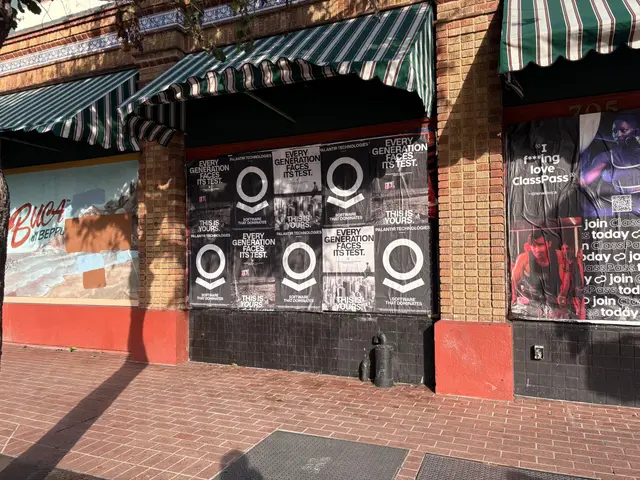
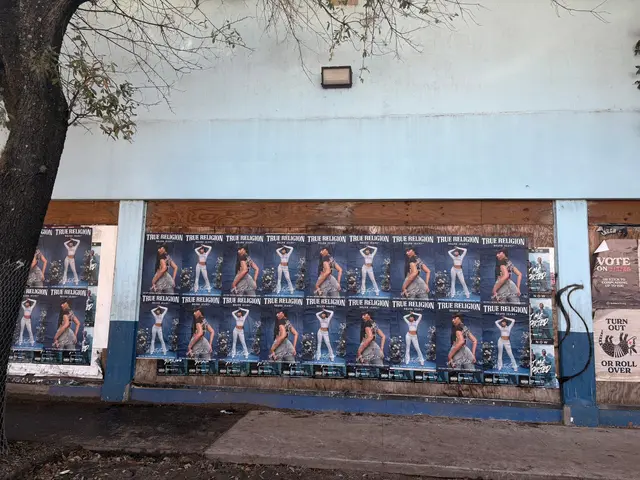
Wheatpaste & Posters
Hand-pasted poster walls on brick, scaffold, and hoarding.
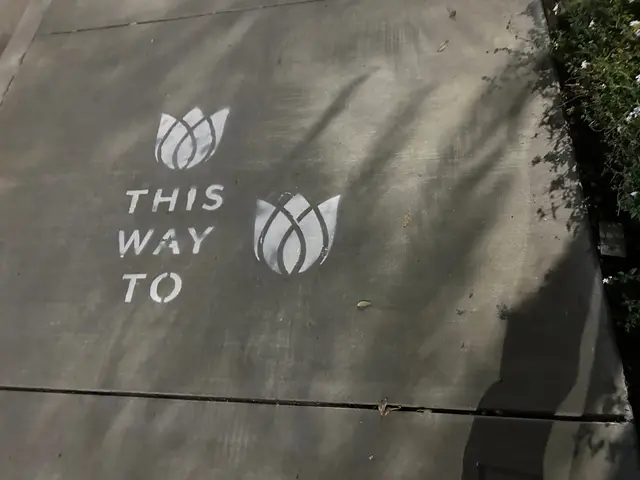
Sidewalk Stencils
Biodegradable street stencils on permitted corners.
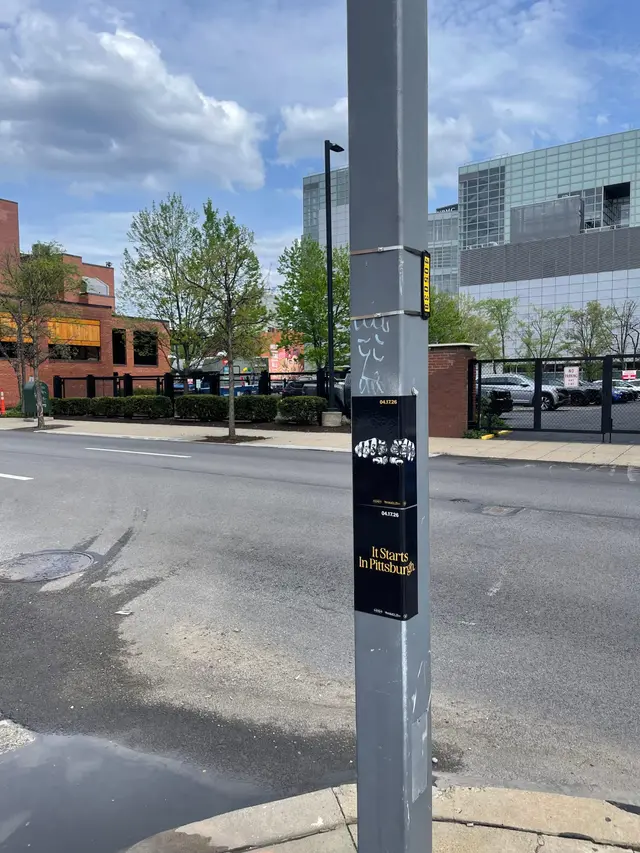
Pole Stickers & Snipes
Corridor saturation on poles, boxes, and news racks.
Hand-Painted Murals
Brush-painted brand walls at building scale.
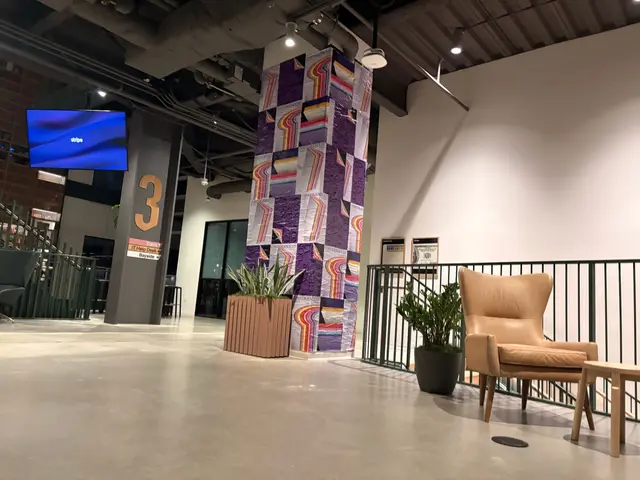
Custom Poster Installs
Posters and wraps inside venues, gyms, and pop-ups.
All 39 services
The full guerrilla-marketing catalog: wraps, decals, takeovers, and more.
Permit paths and lead times, city by city.
Every Hawaii placement runs on permitted walls and written owner consent, with a documented paper trail. Zero municipal removals on record.
Legality, in one line. Whether a poster is legal in Hawaii comes down to the surface and the owner's written consent, not the paste. The full rules are in is wheatpasting legal?, with the statute detail in wheatpaste laws by state. Our own permit and compliance practice across every market is set out in laws and permits. Operationally, street-level work is permitted city by city: Honolulu runs on city sign permits + owner consent (5-8 day lead in tier-1 corridors), and Hilo layers its own BIDs and improvement districts on top.
What that means for you. Every Hawaii city below is audited for the real permit path, and lead times reflect actual owner/BID response, not statutory minimums. We don't run paid work on transit property, state DOT right-of-way, or federal parkland; if a brief routes there, we redirect to adjacent private surfaces and document it in writing.
| City | Primary permit path | Owner consent + cost | Lead time |
|---|---|---|---|
| Honolulu | Owner consent + scout-and-install field check | $0-500 owner fee · per-property | 7-12 days |
| Hilo | Owner consent + scout-and-install field check | $0-500 owner fee · per-property | 7-12 days |
| Kailua-Kona | Owner consent + scout-and-install field check | $0-500 owner fee · per-property | 7-12 days |
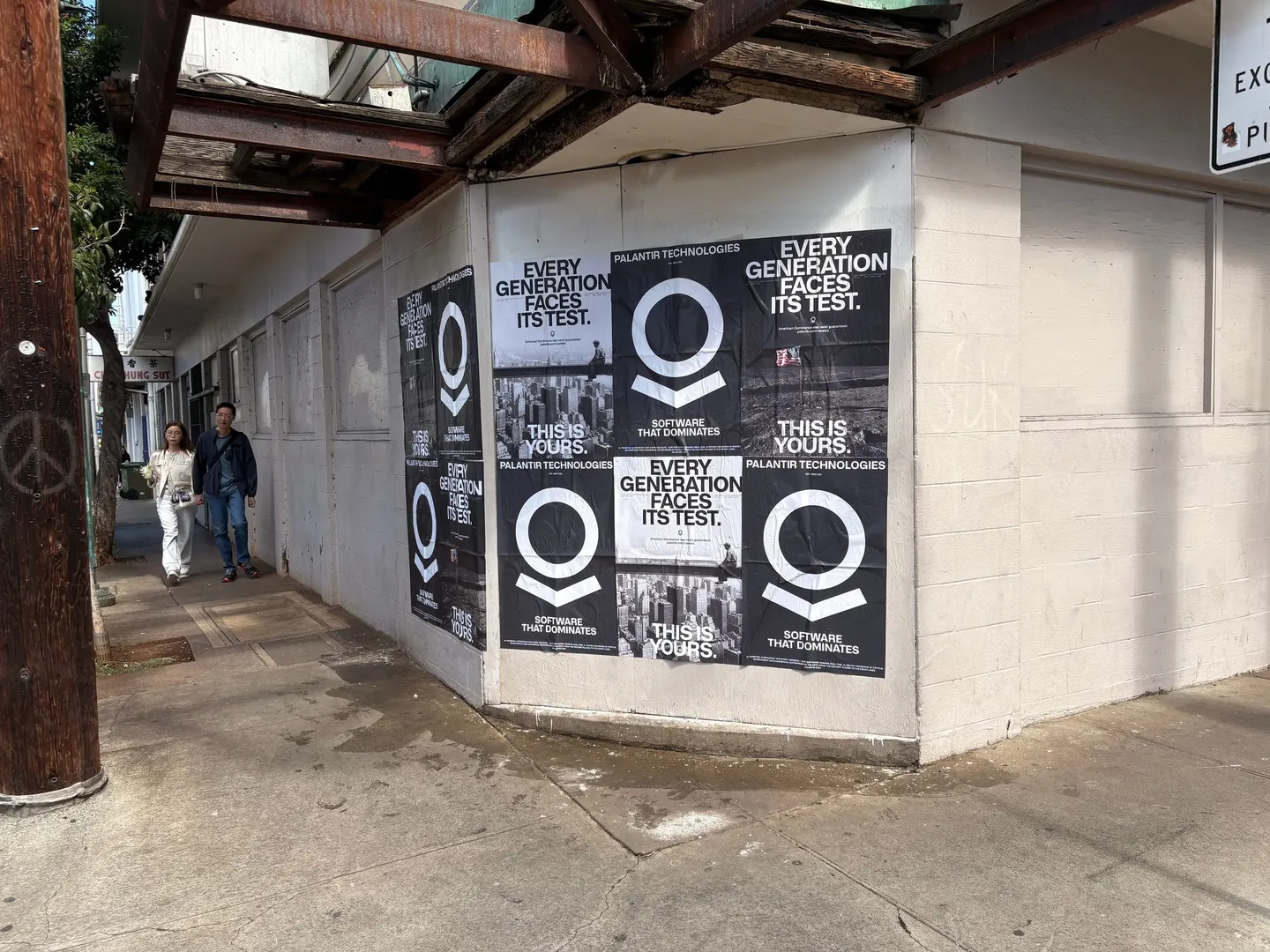
Why street media works across Hawaii.
Hawaii runs guerrilla campaigns across Honolulu, Hilo, Kailua-Kona. Permitted walls, hand-installed, GPS-stamped the day they go up. Real placements, not stock renders.
Published floors. No retainer.
Starting points by discipline for any Hawaii brief. Print, install, and GPS-stamped photo proof are included in every floor.
Wheatpaste posters
Walls, scaffolds, hoardings · 5-7d lead · most common Hawaii format From $3,500Sidewalk stencils
Permitted corners · biodegradable medium · permit class varies by city From $2,500Snipes + stickers
Poles, utility boxes, news boxes · corridor saturation · 5-10d lead From $3,000Expedited
24-72h brief-to-install · True Religion × Megan Thee Stallion, Houston · 36h signing to install +80-150%+Ranges vary by turnaround, size, location count, and combined service mix. Final quote returned in 24-48 hours. Briefs route through info@beyondstreetmedia.com with city, dates, and brand. Expedited timeline? Flag it in the brief.
Brief a Hawaii campaignRead the full Hawaii playbook Operator detail · booking, scouting, permits, timing
Hawaii runs three audiences inside one island chain. One million local residents read Chinatown, Kakaako, and the Ala Moana corridor. Ten million annual visitors read Waikiki and the Kalakaua strip. Fifty thousand active-duty military and dependents around Pearl Harbor, Hickam, and Schofield read the approach corridors without ever needing to touch base property. The crew runs three creative cuts off one print plan. Six to ten weeks of lead time, then a 21 to 35-day hold under humidity-rated paste.
Cities we cover in Hawaii
| City | Neighborhoods | Surface focus | Typical hold |
|---|---|---|---|
| Honolulu | Chinatown, Downtown, Kakaako, Ala Moana-Ward | Loft district, financial corridor, creative quarter | 21-35 days |
| Waikiki | Kalakaua, Kuhio, Diamond Head end | Tourist commercial walls, utility-box inventory | 21-35 days |
| Pearl Harbor approach | Aiea, Pearl City | Military-audience reach, off-base corridors | 21-35 days |
Surface mix in Hawaii
- Commercial walls: Chinatown loft district, Kakaako creative quarter, Kalakaua commercial walls
- Concrete and cinder-block: the local construction norm, humidity-rated formulations
- Pole inventory: Honolulu downtown and Waikiki main arterials
- Sidewalk stencils: downtown and tourist zones, humidity-resistant compounds
- Interior installs: retail, hospitality, tourism venues across Honolulu and Waikiki
Permits in Hawaii
Hawaii Revised Statutes treat unauthorized poster placement as criminal property damage. With written owner consent, the install is legal. Consent stays on file before paste goes up. State-owned beach assets, public infrastructure, and military property are never touched.
Private property plus written consent. No public infrastructure, no transit, no right-of-way.
Services available in Hawaii
- Wheatpaste advertising
- Paste-up poster campaigns
- Sidewalk stencil advertising
- Pole sticker advertising
- Interior installs
Honolulu tourism timing, the military-audience approach corridors, and the inter-island shipping schedule together shape every Hawaii campaign. Freight leaves the West Coast on a Matson sailing; the crew lands the week before; the install pass runs against arrival manifests at the airport and the harbor. The island is the constraint, and the constraint is the campaign.
Cross the state line.
Hawaii clients regularly run regional buys that spill into neighboring markets. Same operator contract, same field log. Different state line.
Statewide FAQ.
The questions every Hawaii brief opens with, answered with the operator answer, not the marketing one.
Q · 01 Why is Hawaii different from West Coast markets?
Hawaii runs as its own theater. Materials ship from the mainland, crew flies in, and lead time is measured in weeks. The audience splits three ways: roughly one million local residents, 10 million annual visitors, and a 50,000-person active-duty military population concentrated around Pearl Harbor, Hickam, and Schofield. Tropical humidity managed with the right paste formulation gives 21 to 35-day holds. One campaign, three audiences.
Q · 02 How long do installations hold in Hawaii's climate?
Tropical humidity and occasional salt air give 21 to 35-day holds standard across Honolulu and Waikiki. Humidity-rated paste formulation is the variable; the wrong paste sags inside a week. Wet season (November through March) lengthens cure time by 4 to 8 hours. Trade-wind exposure on the windward side cures faster than leeward Honolulu. Year-round installation is the standard.
Q · 03 What surfaces work best for wheatpaste in Hawaii?
Honolulu downtown carries painted commercial walls and the Chinatown loft district. Waikiki commercial corridors (Kalakaua, Kuhio) carry tourist-facing walls and utility-box inventory. Concrete and cinder-block construction is the local norm and cures well with humidity-rated paste. Brick is limited but present in Chinatown and the Aala Park district. Salt-air exposure on south-facing walls needs the salt-rated formulation.
Q · 04 Is wheatpasting legal in Hawaii?
Private property with the owner's written consent is legal. Hawaii Revised Statutes cover criminal property damage without consent; the consent is what we secure. Public infrastructure, state-owned beach assets, and transit are never touched. Honolulu runs moderate enforcement; the consent paperwork is the answer to any complaint.
Q · 05 What's the cost structure for Hawaii campaigns?
Operating costs run higher than mainland. Crew travel, freight from the West Coast, and accommodation are real line items. Single-city saturation: from $7K, typically landing in the $7K to $14K range. Multi-service combinations: $14K to $22K. Tourism-calendar peak (December through March) compresses installs against arrival schedules, which raises the value of every install day against 10 million annual visitor impressions.
Got a wall in Hawaii?
We've got the paste.
Tell us the city, the dates, and the brand. Beyond Street Media routes a Hawaii-mapped install plan, usually inside 24 hours.