Wheatpaste poster advertising in New Orleans.
Hand-installed paste-up posters across Bywater, the Marigny, the French Quarter, Magazine Street, and the Warehouse District. Per-wall pricing, GPS photo proof on every install.
From $3,500, printing and installation both included. 10-14 days from brief to first wall.
500+ documented installs · a GPS photo of every wall · printed and installed in-house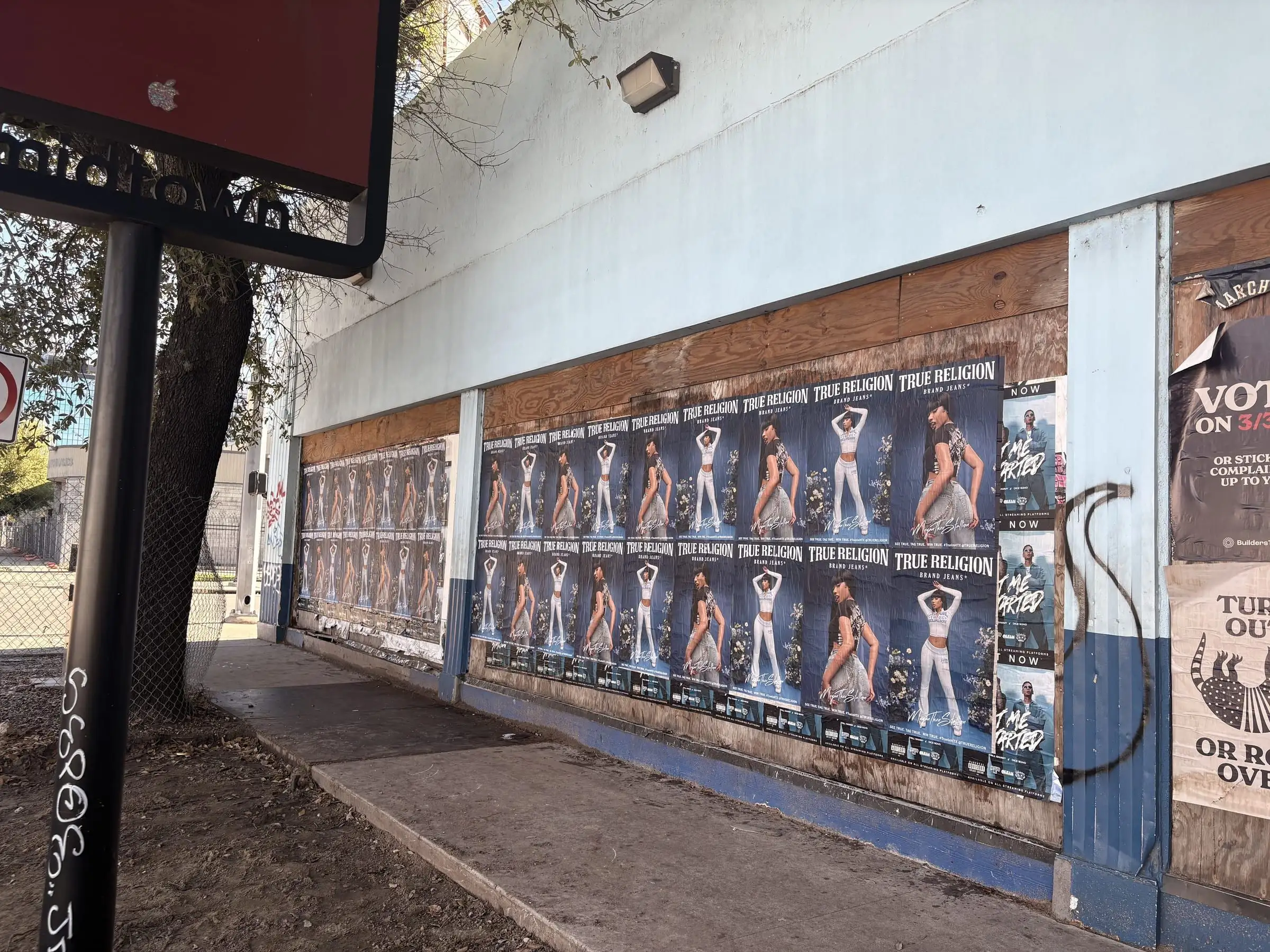
We delivered.




















Brand partners include: FIFA World Cup 2026, Palantir, Sézane, G-Shock, Mitchell & Ness, True Religion, Huda Beauty, Yonex, Relevance AI, Momentous, RYZE Coffee, Bloom Effects, Incrediwear, Brooklyn Museum, Sweat FC, HydroJug, Frameline, Alchemy, OneRepublic, Lone Fox, Vaura Pilates.
We print it, paste it, and prove it.
Print and install under one roof — heavyweight paper hand-pasted at wall scale by a local crew, then a GPS photo of every wall. No broker in the middle.
- Print + install, in-houseOne team, proof to paste — no broker, no markup
- Hand-pasted at wall scaleLocal crews, heavyweight paper — no vinyl, no machines
- A GPS photo of every wallWide · mid · detail, lat-long stamped on every install
- 500+ installs, zero removalsDocumented — the paper trail holds up
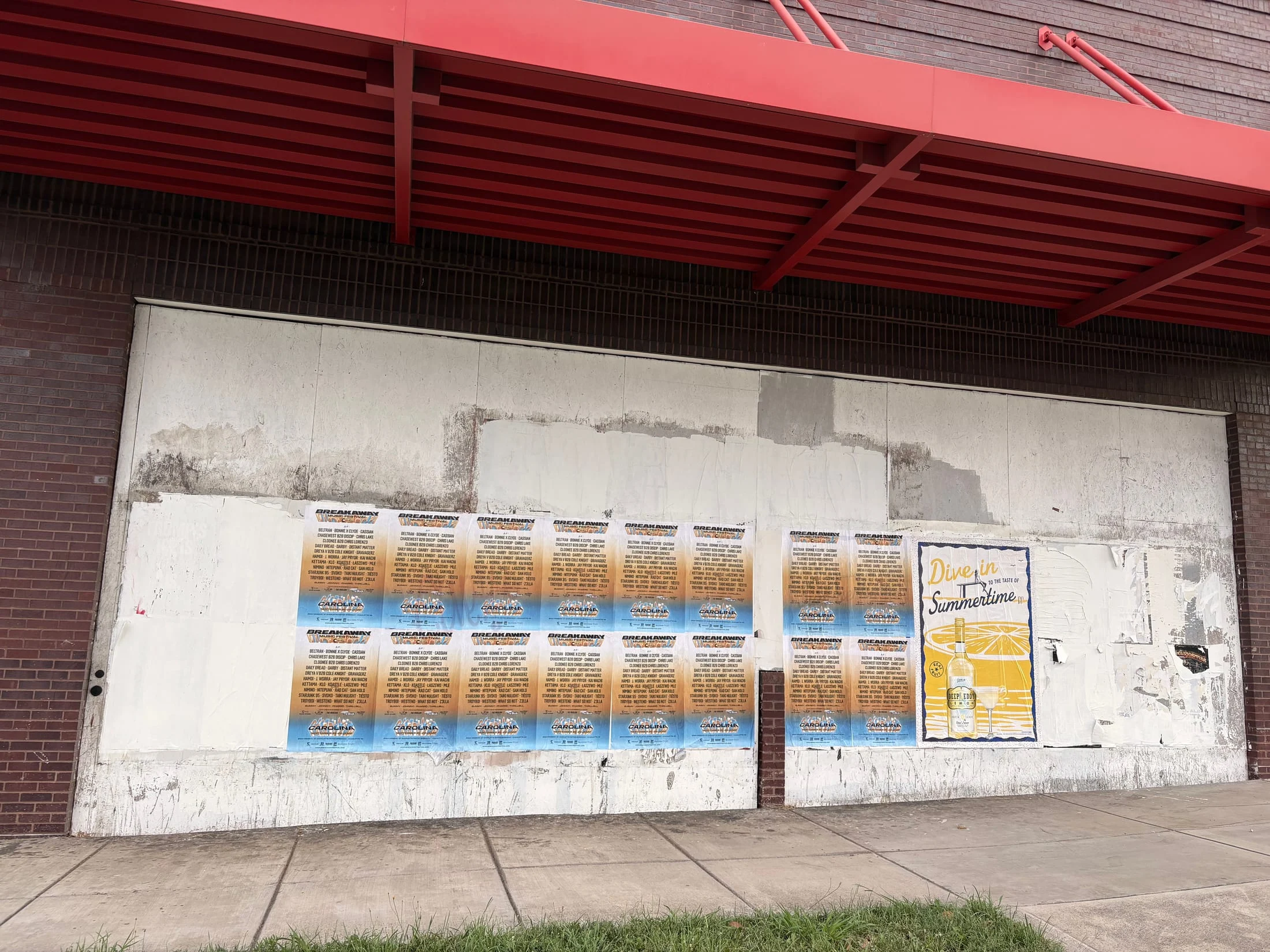
Heavyweight stock, up on the wall.
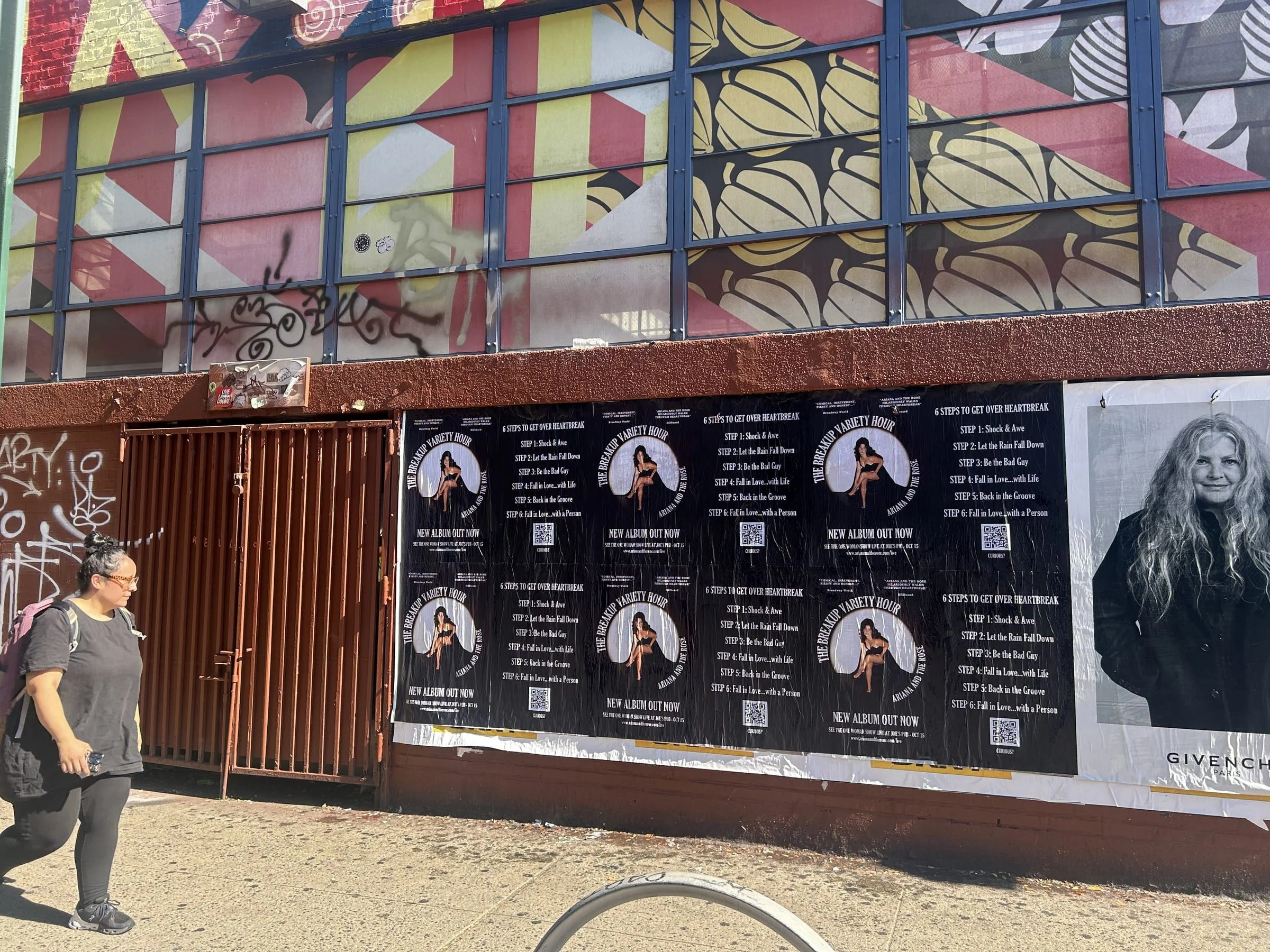
Where the city actually looks.
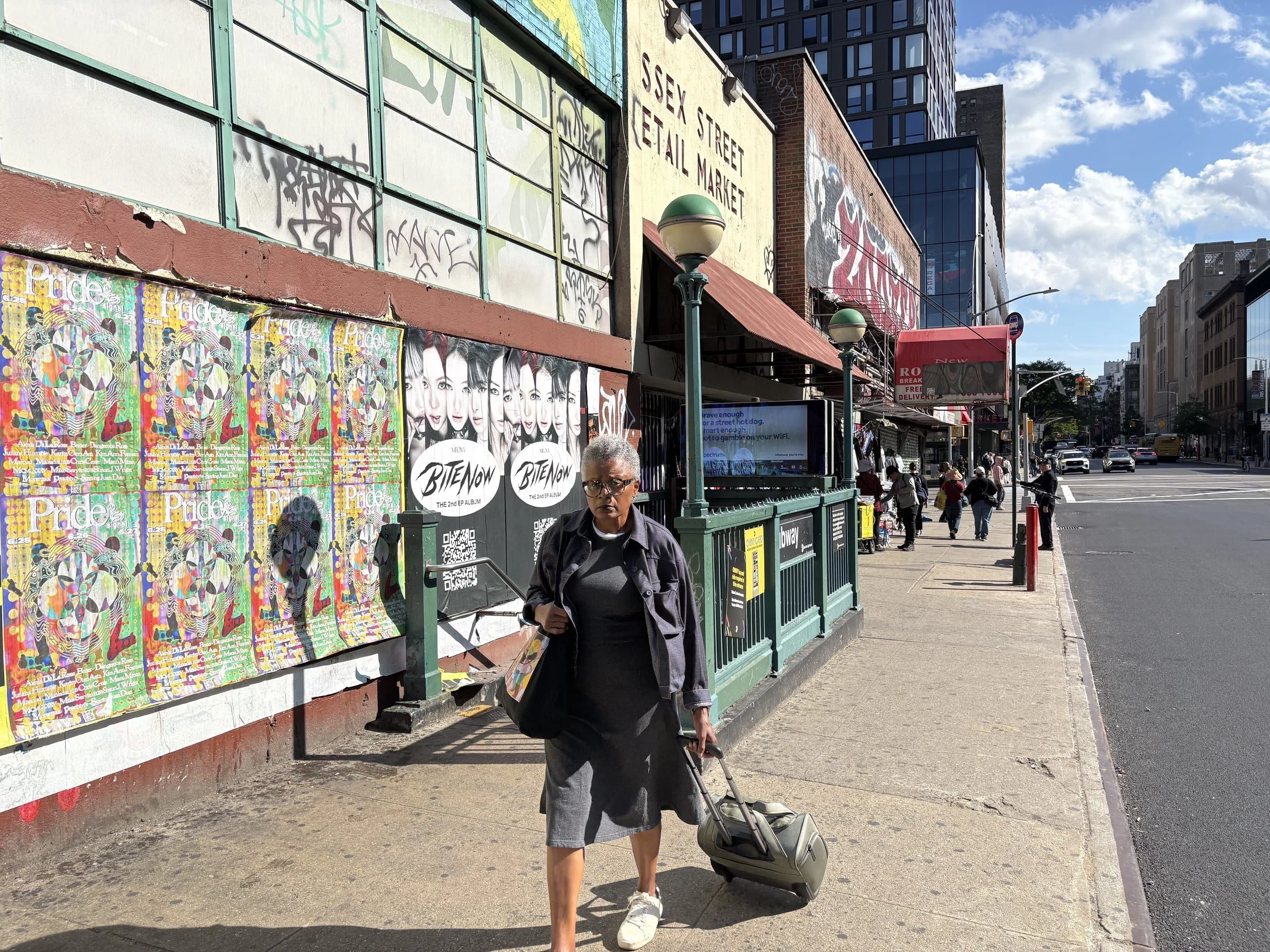
Block after block, New Orleans-wide.
Brands run wheatpaste with us because it moves people — Sézane for Soho retail traffic, Palantir for recruiting, FIFA for the World Cup.
- 500posters · RYZE Coffee, NYC · 21-day hold
- 550posters · Frameline, SF · 30-day hold
- 300posters · True Religion, Houston · 42-day hold
500+ documented installs · zero municipal removals on record · a GPS photo of every wall
- From $3,500 Wheatpaste posters 36×48 in sheet · 10-14 days in New Orleans
- From $2,500 Sidewalk stencils Biodegradable chalk · 5-7d lead
- From $3,000 Snipes + stickers Light-pole · utility-box · 5-10d
- From $18,000 Hand-painted murals Brush-painted · building scale
- Rush +80-150% Expedited campaigns 24-72hr brief-to-wall
St. Claude carries the brick.
St. Claude Avenue in Bywater carries the densest paste-friendly brick in New Orleans, and Frenchmen Street in the Marigny runs the venue corridor next door. Gallery and venue owners along both streets hold long-term partnerships with the crew, foot traffic peaks evening through late night around the venues, and new paper reads as part of the local creative register, not noise dropped on top of it.
That is the New Orleans operator advantage. Not a billboard buy. Not transit. Hand-installed paste-up at eye level on the surfaces your audience already walks: St. Claude brick, Frenchmen venue walls, Julia Street hoarding, and a mile and a half of Magazine Street retail. The festival calendar keeps a global tourist audience on the ground year-round that no other US city pulls block-for-block. The wall is the campaign. Nothing surrounds it.
Installs ship in 10-14 days from creative lock to first wall, with same-week doable for Bywater, the Marigny, and the Warehouse District. French Quarter coordination adds time because Vieux Carré Commission paperwork is real. Mardi Gras and Jazz Fest windows book 30 to 60 days out.
Where the paste holds.
- Bywater Raw brick · venue exterior · gallery storefront · 14-21 days
St. Claude Avenue carries the densest paste-friendly brick in the city. Raw brick, venue exteriors, and gallery storefronts embedded in the local creative register. The corridor that anchors most New Orleans campaigns.
- Marigny Raw brick · residential-arts wall · 14-21 days
Frenchmen Street raw brick and residential-arts walls along the venue corridor. Foot traffic peaks evening through late night around the clubs. Parts of the neighborhood carry historic-district restrictions we track.
- French Quarter VCC pre-approved wall · hospitality interior · 7-14 days
Global tourist density inside the strictest historic overlay in the US. We work VCC pre-approved walls and hospitality interiors only, because removal mandates run tight in the Vieux Carré. Coordination adds lead time, and the audience math justifies it.
- Warehouse District Construction hoarding · gallery exterior · 10-16 days
Construction hoarding and gallery exteriors along Julia Street and the Convention Center frontage. Galleries and convention traffic in one corridor. Hoarding inventory turns over with the construction cycle.
- Magazine Street Painted retail · boutique facade · 12-18 days
A mile and a half of independent-retail walking density. Painted retail and boutique facades rather than raw brick, so paper reads clean at install. The right corridor for retail, boutique, and hospitality briefs.
- Garden District Residential-corridor retail · 12-18 days
Residential-corridor retail along St. Charles Avenue reaching residential affluence. Historic-district restrictions keep the inventory selective, so permit lead runs longer here. Works for premium briefs targeting Uptown-corridor spend.
- Mid-City Commercial wall · 12-18 days
Commercial walls covering Bayou St. John and the Carrollton corridor. A local audience rather than a tourist one. Works as coverage extension beyond the river-adjacent neighborhoods.
Six stages. Vieux Carré discipline.
Brief to refresh audit. Each stage owned by a named operator on the crew that runs New Orleans. The humidity-adjusted paste prep, the VCC coordination, the festival booking logic, all of it is the New Orleans baseline.
- 01
Brief intake + wall count
You brief the creative, the neighborhoods (Bywater, the Marigny, Warehouse District, etc.), the window, and the budget. We answer with a wall count, a neighborhood map, and per-wall numbers. 48-hour first-pass scoping. Festival-week briefs get flagged early because those windows book 30 to 60 days out.
- 02
Local scout + property coordination
The city captain walks St. Claude, Frenchmen, Julia Street, and the requested corridors. Properties pulled from long-term gallery and venue partnerships in Bywater and the Marigny or scouted fresh on Magazine Street and in Mid-City. French Quarter briefs route to VCC pre-approved walls only. Extra walls optioned for hurricane-season weather swaps.
- 03
Print + humidity-adjusted paste prep
Print runs in-house on weather-rated stock. Paste batches mixed for the Gulf climate: June through September humidity shortens cure, so the mix and the install windows account for it. Materials staged 48 hours before dispatch.
- 04
Dispatch day. St. Claude first
Bywater and the Marigny go up in the morning so paste cures before the evening venue peak on Frenchmen. Warehouse District hoarding and Julia Street mid-day. Magazine Street through the afternoon walking hours. French Quarter walls land on their own VCC-coordinated schedule. Festival weeks scale to four teams hitting 50-plus walls.
- 05
Photo log + client portal
Three GPS-stamped photos per wall (wide, mid, detail). Field log captures lat/long, timestamp, installer ID. Photo proof lands inside 48 hours of install, daily logs while the campaign is live. VCC compliance documentation attached for any French Quarter wall.
- 06
Day 14 / 21 / 30 audits + refresh
June-through-September humidity shortens wrap lifespan, so summer runs carry tighter audit attention. Audits at day 14, 21, 30. Any wall that loses surface gets refreshed on the next dispatch. Festival-week walls (Mardi Gras, Jazz Fest, French Quarter Fest, Voodoo Fest) get an event-day check layered on top.
Private walls. Written consent. Overlay tracked.
New Orleans allows wheatpaste on private property with written owner consent. We pull that paperwork on every install, and inside the French Quarter we work only on Vieux Carré Commission pre-approved walls.
Every New Orleans paste-up sits on a permitted private surface with written owner consent. Public infrastructure, RTA transit, and municipal right-of-way are off-limits. Period.
The Vieux Carré Commission overlay. The French Quarter sits under the VCC, one of the strictest historic-district frameworks in the US. Facade modification is heavily restricted and removal mandates run tight. We work only on pre-approved walls inside the Quarter. Operators who don't know the overlay get shut down on the first wall, and that knowledge is the moat.
Bywater, the Marigny, and the Warehouse District. The flexible inventory lives here. Gallery and venue owners along St. Claude and Frenchmen hold long-term partnerships with the crew, which compresses the consent step. The Garden District and parts of the Marigny carry additional historic-district restrictions we track and route around.
The compliance matrix. Each overlay (VCC, Garden District, Holy Cross) is tracked by zip code so the legal register matches the exact block. Company-wide, that consent-first approach has held up across 500+ installs with zero removals. The paper trail holds up, and the brand is never on the hook for a complaint we routed through.
The New Orleans wheatpaste playbook Operator detail · surfaces, climate, timing
What paste-up advertising actually does in New Orleans
Wheatpaste advertising in New Orleans is hand-installed paste-up poster campaigns adhered to private walls with water-based adhesive. The category also goes by paste-up poster campaigns, wheatpasting, street poster advertising, flyposting, and bill posting. The format converts on the same dynamic everywhere it works: a poster on a wall the right audience walks past, repeatedly, over weeks. In New Orleans the variable is which wall. Pasting Bywater reaches the creative register that lives along St. Claude Avenue, the densest paste-friendly brick in the city. The Marigny reaches the Frenchmen Street venue crowd that moves evening through late night. The French Quarter reaches global tourist density inside the strictest historic overlay in the US. The Warehouse District reaches galleries and the Convention Center corridor along Julia Street. Magazine Street reaches a mile and a half of independent-retail walking density. The Garden District reaches residential affluence along St. Charles Avenue. Mid-City covers Bayou St. John and the Carrollton corridor. The same poster, hung on the wrong wall, lands on the wrong audience.
That is the New Orleans operator problem in plain language. The audience is not dispersed evenly across the metro, and it is not static. It concentrates along a handful of walkable corridors and then reshapes itself around the festival calendar, with Mardi Gras remaking the city for two weeks every February or March and Jazz Fest pulling a global music audience across two late-April and early-May weekends. Reaching that audience through paid social is expensive because the targeting overlap with the rest of the country is wide and shallow. Reaching it through transit is off the table because RTA transit and public infrastructure are off-limits, and the historic districts restrict what can go up on the street. Paste-up at neighborhood scale solves the geometry. Two well-placed walls on St. Claude and Frenchmen do more work than ten walls scattered across the metro.
When New Orleans clients book paste-up over other formats
- Mardi Gras (February or March). The city reshapes itself for two weeks. Brands paste in the run-up so paper is on the wall when the crowd lands. Festival weeks require 30 to 60 days of advance booking, and crews scale to four teams hitting 50-plus walls.
- Jazz Fest (late April and early May). Two weekends of global music audience. Labels, festival promoters, and hospitality brands paste Bywater, the Marigny, and Mid-City in the days before each weekend.
- French Quarter Fest (April). A heritage-music crowd concentrates inside and around the Quarter. VCC pre-approved walls and hospitality interiors carry the reach here, and the coordination lead time is part of the brief.
- Voodoo Fest (October). The alternative-music cohort moves through the city, and St. Claude and Frenchmen are the natural corridors for that register. October also sits in the cleaner stretch of the install calendar.
- Brand entry into the market. DTC, fashion, hospitality, and beverage brands launching in New Orleans use multi-neighborhood paste-up to register presence at street level before paid digital kicks in. The year-round tourist audience means the wall works harder here than the metro population suggests.
- Hospitality and retail openings. The walkable catchment around a new restaurant, bar, venue, or shop drives the spend. Magazine Street’s independent-retail density and the Frenchmen corridor are the usual briefs.
- Cultural moments: gallery shows, exhibits, drops. Julia Street galleries in the Warehouse District and the St. Claude gallery storefronts read paper as part of the neighborhood narrative, not commercial intrusion.
Why the crew runs New Orleans year-round
Most paste-up operators treat New Orleans as a festival-week fly-in. The problem with that model is the overlay. The French Quarter sits under the Vieux Carré Commission, one of the strictest historic-district frameworks in the US, where facade modification is heavily restricted and removal mandates run tight. Operators who don’t know the overlay get shut down on the first wall. The Garden District and parts of the Marigny carry additional historic-district restrictions of their own. None of that is visible from out of town, and none of it forgives improvisation.
The crew that runs New Orleans works the city year-round. Inside the Quarter, installs go only on VCC pre-approved walls, and the compliance matrix tracks each overlay (VCC, Garden District, Holy Cross) by zip code so the legal register matches the exact block. In Bywater and the Marigny, gallery and venue owners along St. Claude and Frenchmen hold long-term partnerships with the crew, which compresses consent timing and holds wall access campaign after campaign. The paste prep is adjusted for the Gulf climate: June through September humidity shortens cure and wrap lifespan, so the mix and the audit cadence account for it, and hurricane season (June through November) adds a weather-contingency buffer to every install plan. The festival calendar is built into the booking logic, because Mardi Gras, Jazz Fest, French Quarter Fest, and Voodoo Fest windows book 30 to 60 days out and scale crews to four teams. None of this scales if it is improvised per campaign.
The route logic follows the foot traffic. Around the Frenchmen venue corridor, the peak runs evening through late night, so paper goes up in the morning and cures before the crowd arrives. Bywater gets weekend daytime amplification at the gallery walks, so installs land before the weekend when a brief targets that audience. Magazine Street works on walking-retail hours, and the Warehouse District works on gallery and convention schedules along Julia Street. French Quarter walls run on the VCC coordination timeline, separate from everything else, because pre-approved inventory does not move on a dispatch day’s schedule. The sequencing is the difference between paper that meets its audience and paper that dries alone.
Surface mix, by neighborhood
New Orleans surface inventory shifts neighborhood by neighborhood. Bywater carries raw brick, venue exteriors, and gallery storefronts along St. Claude, the densest paste-friendly brick in the city and the corridor most embedded in the local creative register. The Marigny runs raw brick and residential-arts walls along Frenchmen, with foot traffic peaking evening through late night around the venues. The Warehouse District carries construction hoarding and gallery exteriors along Julia Street and the Convention Center frontage, and hoarding inventory turns over with the construction cycle rather than the campaign calendar. Magazine Street runs painted retail and boutique facades down a mile and a half of walking retail. The Garden District holds residential-corridor retail along St. Charles under historic-district restrictions that keep inventory selective. Mid-City carries commercial walls across Bayou St. John and Carrollton for local rather than tourist reach. The French Quarter is its own category: VCC pre-approved walls and hospitality interiors only.
Standard poster sizes work across the inventory: 24x36 single-sheet for tactical takeovers, 27x40 for higher-visibility single placements, 36x48 and larger multi-panel builds for hero walls. Pole inventory is off-limits as public infrastructure, so the format leans on permitted private brick, retail frontage, and hoarding. Interior installs run across French Quarter hospitality rooms and the Bywater and Marigny venue circuit for cultural reach without exterior overlay overhead.
How the paste behaves on New Orleans walls
The paste chemistry is water-based and mixed for the Gulf climate. The variable that matters most is humidity. June through September, heat and humidity shorten both the cure and the wrap lifespan, so summer campaigns run tighter audit attention and the crew plans refresh passes rather than assuming a spring-length hold. Hurricane season runs June through November and adds a weather-contingency buffer to install scheduling: extra walls are optioned so a storm window moves the install rather than killing it. October through May is the cleaner stretch for hold, and the festival calendar concentrates there for the same reason the paste prefers it.
Surface matters as much as season. Raw brick in Bywater and the Marigny takes paste well and holds it. Painted retail facades on Magazine Street read cleaner at install but turn over a touch faster. Construction hoarding in the Warehouse District holds well but lives on the construction schedule, not yours. Every wall gets three GPS-stamped photos at install (wide, mid, detail), photo proof lands inside 48 hours, and audits at day 14, 21, and 30 document the survival count rather than assuming it. Any wall that loses surface gets refreshed on the next dispatch, and festival-week walls get an event-day check layered on top.
Internal cross-links
Paste-up advertising in New Orleans works well in combination with other street formats. See our full guides on paste-up poster campaigns for the long-form poster method, sidewalk stencil advertising for ground-level saturation along Frenchmen and Magazine Street, and interior installs for French Quarter hospitality and Bywater venue reach without exterior overlay overhead. For the canonical service overview, see wheatpaste advertising.
New Orleans questions.
The short version. The brief covers the rest.
Q · 01 Is wheatpasting legal in New Orleans?
Yes, on private property with written owner consent, which we secure before every install. The French Quarter sits under the Vieux Carré Commission overlay, one of the strictest historic-district frameworks in the US, and we work only on pre-approved walls inside the Quarter. Bywater, the Marigny, and the Warehouse District carry more flexible inventory. Public infrastructure, RTA transit, and right-of-way are never touched. Company-wide, that consent-first approach has produced zero removals across 500+ installs.
Q · 02 How much does a New Orleans wheatpaste campaign cost?
Wheatpaste in New Orleans starts at $3,500 per campaign, print and install included. Multi-neighborhood programs across Bywater, the Marigny, the French Quarter, Magazine Street, the Garden District, and the Warehouse District price up from the published floor. Mardi Gras and Jazz Fest pricing runs roughly 30 percent higher, and French Quarter installs price slightly higher because of VCC coordination overhead. The final number tracks print volume and crew days, not the brand on the poster. Final quote returns in 24-48 hours.
Q · 03 How long does it take to launch a wheatpaste campaign in New Orleans?
Ten to fourteen days from creative lock to first install. Same-week is doable for Bywater, the Marigny, and the Warehouse District when print files are press-ready. French Quarter coordination adds time because VCC paperwork is real. Mardi Gras and Jazz Fest weeks require 30 to 60 days of advance booking because festival walls book out early.
Q · 04 Which New Orleans neighborhoods get the strongest paste-up coverage?
Bywater and the Marigny carry the densest paste-up coverage along St. Claude and Frenchmen. The Warehouse District serves galleries and the Convention Center corridor along Julia Street. Magazine Street holds a mile and a half of independent-retail walking density. The Garden District covers residential affluence along St. Charles. The French Quarter pulls global tourist density on VCC pre-approved walls. Mid-City covers Bayou St. John and Carrollton.
Q · 05 How do Mardi Gras and Jazz Fest affect wheatpaste timing?
Book early and plan for shorter wraps in the heat. Mardi Gras reshapes the city for two weeks every February or March, Jazz Fest runs two late-April and early-May weekends, French Quarter Fest adds a heritage-music crowd in April, and Voodoo Fest pulls the alternative-music cohort in October. Festival weeks require 30 to 60 days of advance booking and scale crews to four teams hitting 50-plus walls. Wraps run shorter during humid-season events because paste cures differently in heat and humidity.
Got a New Orleans wall?
We've got the paste.
Send the brief. Bywater, the Marigny, the Warehouse District, Magazine Street, the French Quarter. New Orleans paste-up pricing comes back in 48 hours flat, per-wall base as the anchor.