Guerrilla marketing across South Carolina.
Wheatpaste, murals, stencils, and pole-stickers across South Carolina. Permitted walls, hand-installed, GPS-stamped photo proof on every panel.
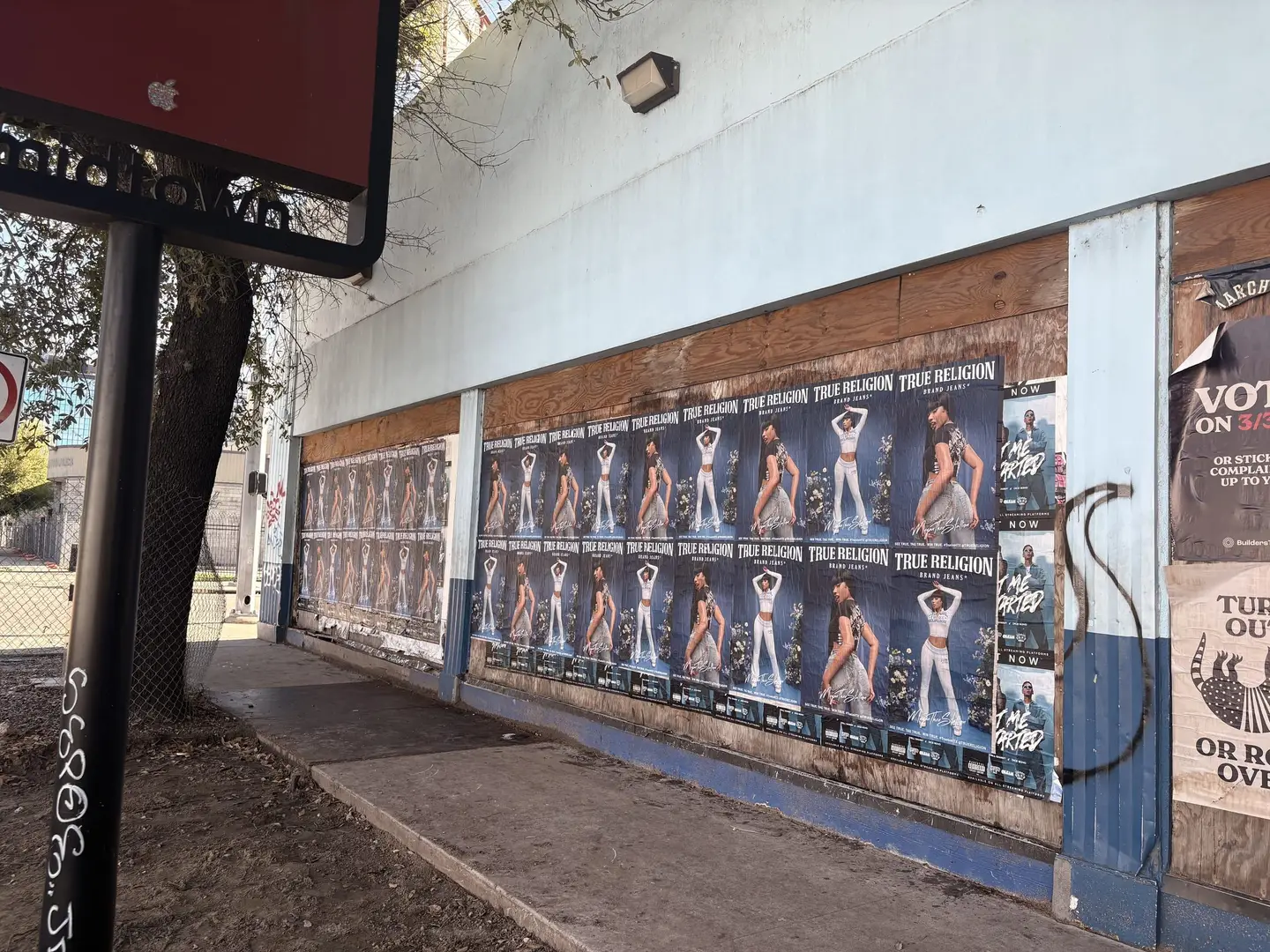
We delivered.




















Brand partners include: FIFA World Cup 2026, Palantir, Sézane, G-Shock, Mitchell & Ness, True Religion, Huda Beauty, Yonex, Relevance AI, Momentous, RYZE Coffee, Bloom Effects, Incrediwear, Brooklyn Museum, Sweat FC, HydroJug, Frameline, Alchemy, OneRepublic, Lone Fox, Vaura Pilates.
- 4 Cities covered
- 19 Neighborhoods scouted
- 100% GPS photo-proofed
- 0 Municipal removals on record
Cities we run in South Carolina.
Active install markets across South Carolina. Tap any city for its local work, neighborhoods, and pricing.
Every market in South Carolina.
Charleston and Greenville are the two strongest markets, and Columbia adds a student audience between them.
Charleston and the Lowcountry
Historic-district rules are stricter here than almost anywhere else we work, which we clear before dispatch rather than after.
Charleston, North Charleston, Mount Pleasant, Summerville, Beaufort, Hilton Head. Districts: King Street, Upper King, Cannonborough, Park Circle, Downtown.
Greenville and the Upstate
One of the better downtown revivals in the Southeast, and Main Street is genuinely walkable.
Greenville, Spartanburg, Anderson, Clemson, Easley, Simpsonville. Districts: Main Street, West End, Village of West Greenville.
Columbia and the rest of South Carolina
Quoted per city. The Vista and Five Points carry the student footfall.
Columbia, Rock Hill, Florence, Myrtle Beach, Sumter, Aiken, Greenwood, Orangeburg.
Street-level marketing, printed and installed by us.
Guerrilla marketing puts your brand on the street where people actually walk, not on a screen they scroll past. We run it with wheatpaste posters (big paper prints brushed onto a wall with a flour-based paste), hand-painted murals, sidewalk stencils, pole snipes, and interior takeovers, all printed and installed by one crew. No media-owner middleman, no billboard rates. Every placement across South Carolina is permitted, hand-applied, and photographed the day it goes up. It's how culture-driven brands in fashion, music, film, tech, and fitness get seen in a market.
- 01 Brief & route
You send the brand, markets, and dates. We map the South Carolina cities and corridors where that buyer actually walks and price off the published floor.
- 02 Scout & secure
Crews scout walls on foot, then lock every surface in writing: owner agreement, BID-cleared scaffold, or permitted hoarding. The paper trail ships with the photos.
- 03 Print & install
We print in-house and hand-install from dawn, market by market. One accountable crew owns it end to end, with no print-shop handoff to a freelance installer.
- 04 Document
Every placement shot wide, mid, and detail, GPS-stamped on install day. The wrap deck lands within five business days with the full proof set.

Proof · Printed in-house · Installed by our crew
Guerrilla marketing across South Carolina. Proof included.
Send the brief; a scoped South Carolina quote comes back inside 24 hours, with a GPS-stamped photo of every placement when the run wraps.
- Quote in under 24 hours
- No discovery call. The brief is the call.
- Printing & Installation under one roof
Brief us · Quote in under 24 hours
Start your South Carolina campaign.
Pick a format. We print and install it.
Every format is printed and installed in-house, scouted, hand-applied, and GPS-photographed across South Carolina. Pick the one that fits the brief; the full catalog is one click away.
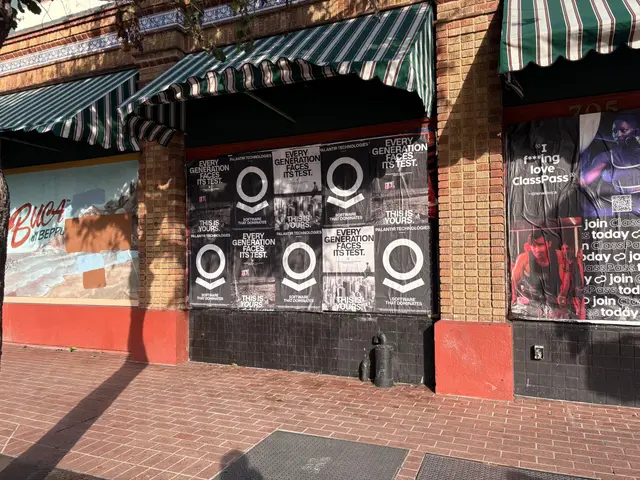
Wheatpaste & Posters
Hand-pasted poster walls on brick, scaffold, and hoarding.
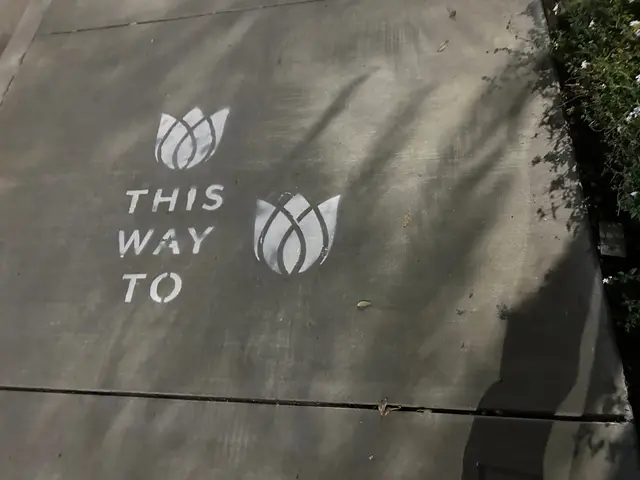
Sidewalk Stencils
Biodegradable street stencils on permitted corners.
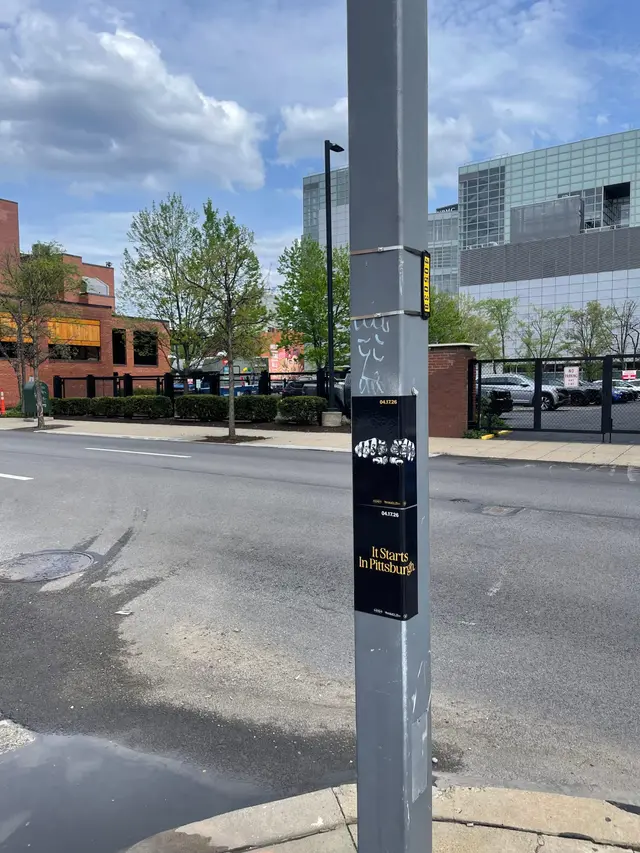
Pole Stickers & Snipes
Corridor saturation on poles, boxes, and news racks.
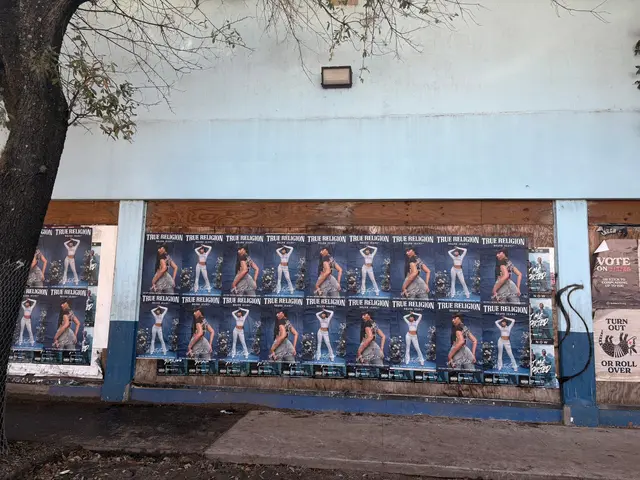
Hand-Painted Murals
Brush-painted brand walls at building scale.
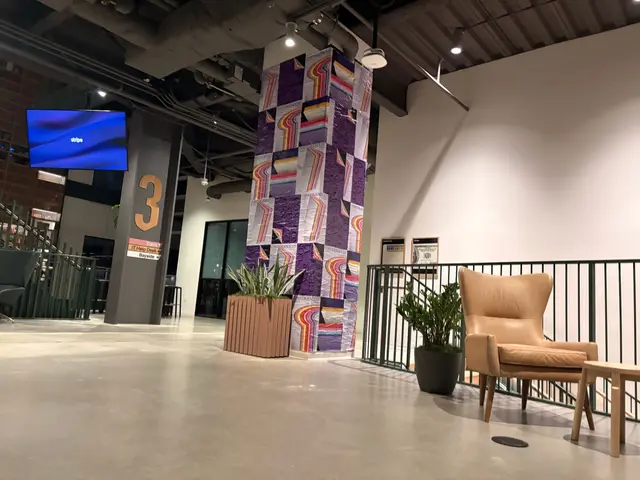
Custom Poster Installs
Posters and wraps inside venues, gyms, and pop-ups.
All 39 services
The full guerrilla-marketing catalog: wraps, decals, takeovers, and more.
Permit paths and lead times, city by city.
Every South Carolina placement runs on permitted walls and written owner consent, with a documented paper trail. Zero municipal removals on record.
Legality, in one line. Whether a poster is legal in South Carolina comes down to the surface and the owner's written consent, not the paste. The full rules are in is wheatpasting legal?, with the statute detail in wheatpaste laws by state. Our own permit and compliance practice across every market is set out in laws and permits. Operationally, street-level work is permitted city by city: Charleston runs on city sign permits + owner consent (5-8 day lead in tier-1 corridors), and Greenville layers its own BIDs and improvement districts on top.
What that means for you. Every South Carolina city below is audited for the real permit path, and lead times reflect actual owner/BID response, not statutory minimums. We don't run paid work on transit property, state DOT right-of-way, or federal parkland; if a brief routes there, we redirect to adjacent private surfaces and document it in writing.
| City | Primary permit path | Owner consent + cost | Lead time |
|---|---|---|---|
| Charleston | City sign permit + owner consent (8-neighborhood map on file) | $200-1,200 owner fee · BID corridors higher | 5-8 days |
| Greenville | Owner consent + scout-and-install field check | $0-500 owner fee · per-property | 7-12 days |
| Columbia | Owner consent + scout-and-install field check | $0-500 owner fee · per-property | 7-12 days |
| Myrtle Beach | Owner consent + scout-and-install field check | $0-500 owner fee · per-property | 7-12 days |
Why street media works across South Carolina.
South Carolina runs four distinct reads inside a half-day drive. Charleston is port, tourism, and historic district. Greenville is the BMW corridor and a downtown that rebuilt itself for foot traffic. Columbia is the capital and a state-university town. Code response stays light outside the Charleston historic core.
Published floors. No retainer.
Starting points by discipline for any South Carolina brief. Print, install, and GPS-stamped photo proof are included in every floor.
Wheatpaste posters
Walls, scaffolds, hoardings · 5-7d lead · most common South Carolina format From $3,500Sidewalk stencils
Permitted corners · biodegradable medium · permit class varies by city From $2,500Snipes + stickers
Poles, utility boxes, news boxes · corridor saturation · 5-10d lead From $3,000Expedited
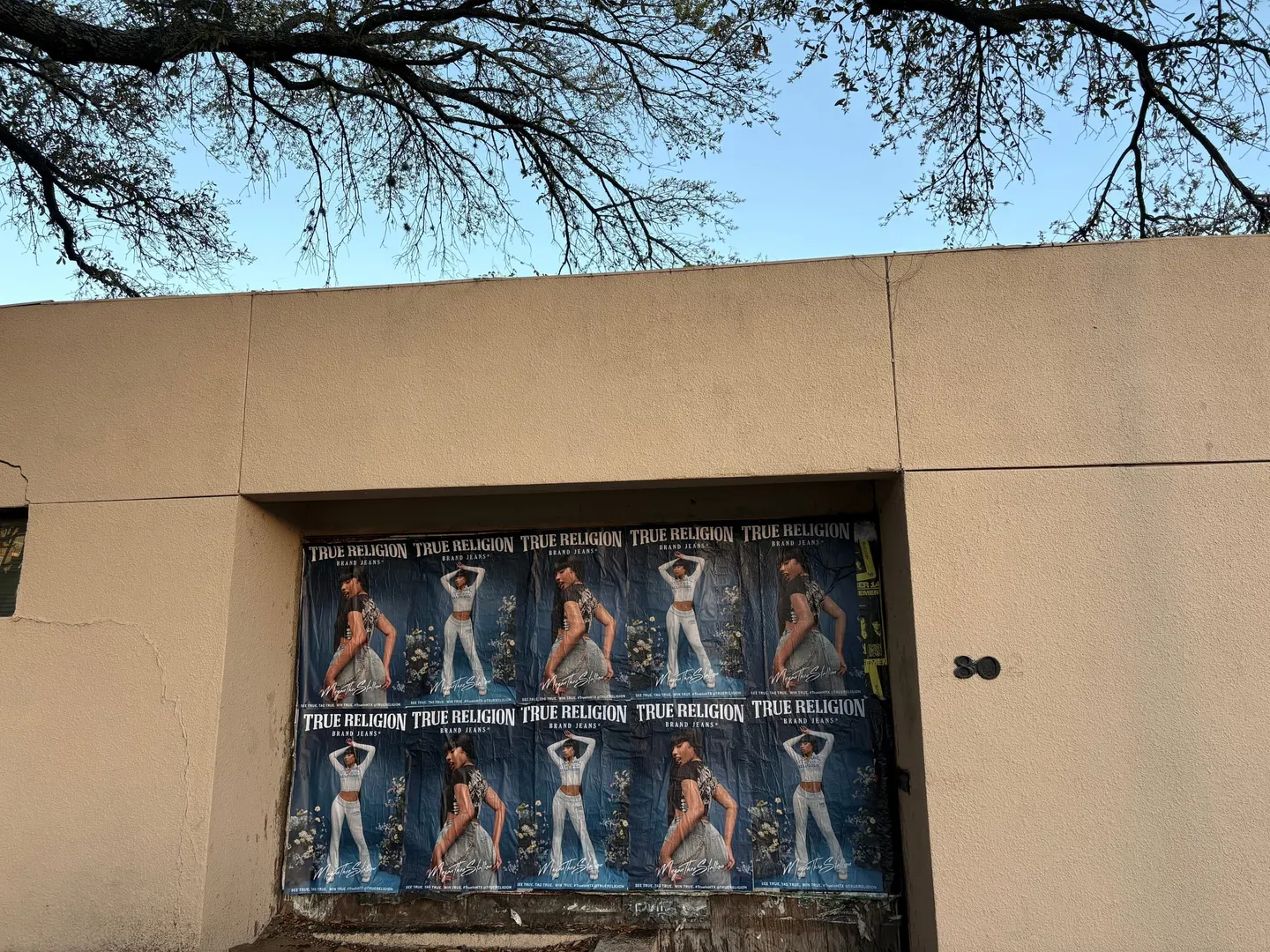
24-72h brief-to-install · True Religion × Megan Thee Stallion, Houston · 36h signing to install +80-150%+Ranges vary by turnaround, size, location count, and combined service mix. Final quote returned in 24-48 hours. Briefs route through info@beyondstreetmedia.com with city, dates, and brand. Expedited timeline? Flag it in the brief.
Brief a South Carolina campaignRead the full South Carolina playbook Operator detail · booking, scouting, permits, timing
Four South Carolina cities, four different reads. Charleston is port, tourism, and historic district. Greenville is the BMW corridor with a downtown built for foot traffic. Columbia is capital, government, and USC. Hilton Head is resort hospitality. The crew that runs King Street this month runs Main Street in Greenville next month, then the Vista in Columbia the month after. Same operators, four audiences.
Cities we cover in South Carolina
| City | Neighborhoods | Surface focus | Typical hold |
|---|---|---|---|
| Charleston | King Street, historic district, contemporary downtown | Heritage brick, retail storefronts, commercial mixed-use | 20-35 days |
| Greenville | Downtown core, Main Street, Falls Park, West End | Painted commercial, mixed-use conversion | 20-30 days |
| Columbia | Vista, Five Points, Main Street, USC-adjacent | Mixed commercial-residential, institutional | 20-35 days |
| Hilton Head | Commercial corridor | Resort-adjacent retail and hospitality | 25-40 days |
Surface mix in South Carolina
- Commercial walls: Charleston King Street and historic district, Greenville downtown core, Columbia Vista and Five Points
- Construction hoarding: rotates through downtown growth zones in Greenville and Columbia
- Pole inventory: King Street, Main Street, Gervais Street arterials
- Sidewalk stencils: citywide, humidity-adjusted compounds, year-round
- Interior installs: hospitality, restaurants, and retail across King Street, the Vista, and Hilton Head
Permits in South Carolina
SC Code § 16-13-10 treats unauthorized property alteration as vandalism. With written owner consent, the install is legal. We hold consent on file for every wall before paste goes up. Enforcement is lighter than the Northeast: Greenville moves on complaints in 10 to 14 days, Charleston historic district in 15 to 21, Columbia in 14 to 21, Hilton Head in 21 to 30. Outside the Charleston historic core, property owners actively welcome commercial activation.
Private property plus written consent. No public infrastructure, no transit, no right-of-way.
Services available in South Carolina
- Wheatpaste advertising
- Paste-up poster campaigns
- Sidewalk stencil advertising
- Pole sticker advertising
- Interior installs
Charleston ports, Greenville builds BMWs, Columbia legislates, Hilton Head hosts. Four different audiences inside a single tank of gas. Brief us the city, the neighborhood, and the vertical, and we’ll route the print accordingly.
Cross the state line.
South Carolina clients regularly run regional buys that spill into neighboring markets. Same operator contract, same field log. Different state line.
Statewide FAQ.
The questions every South Carolina brief opens with, answered with the operator answer, not the marketing one.
Q · 01 Where in South Carolina do you run campaigns?
Charleston (King Street, historic district, contemporary downtown, NoMo), Greenville (downtown core, Main Street, Falls Park corridor, West End), Columbia (Vista, Five Points, Main Street, USC-adjacent), Hilton Head (commercial corridor, resort-adjacent retail). Each city pulls a different audience. Charleston: tourists, heritage buyers, port-adjacent professionals. Greenville: BMW corridor tech, young professionals, downtown retail. Columbia: state government, USC students, mixed commercial. Hilton Head: hospitality and resort traffic.
Q · 02 Is wheatpasting legal in South Carolina?
Private property with the owner's written consent is legal. SC Code § 16-13-10 covers vandalism without consent; the consent itself is what we secure before any paste hits a wall. Public infrastructure (poles, transit, right-of-way) is never touched. Enforcement runs lighter than the Northeast: Greenville responds in 10 to 14 days, Charleston historic district 15 to 21, Columbia 14 to 21, Hilton Head 21 to 30.
Q · 03 How much does a South Carolina campaign cost?
Single-city, single-neighborhood: $3K to $7K for 8 to 12 walls with print, install, and documentation. Charleston historic district runs $4K to $9K because the permitting overhead is higher. Greenville downtown $3.5K to $8K. Columbia Vista $3K to $7K. Hilton Head resort-corridor installs $2.5K to $6K. A three-city statewide run lands at $20K to $40K. Holds average 20 to 40 days, which raises the per-day CPM against the same dollar spent on the coasts.
Q · 04 How fast can a campaign go live?
Greenville runs 48 to 72 hours on pre-cleared walls. Charleston and Columbia run 72 to 96 hours. New properties need 5 to 7 days of owner coordination. Owner outreach is the long pole, not crew availability.
Q · 05 Which South Carolina neighborhoods get the strongest coverage?
Charleston: King Street carries the densest retail brick, historic district holds heritage-conscious property owners, contemporary downtown pulls younger audiences. Greenville: downtown core has the densest wall inventory, Falls Park corridor pulls event-adjacent foot traffic, West End covers mixed conversion. Columbia: Vista is young-professional density, Five Points is retail and hospitality, USC-adjacent corridors run year-round. Hilton Head: resort-corridor retail concentration with the longest holds in the state.
Got a wall in South Carolina?
We've got the paste.
Tell us the city, the dates, and the brand. Beyond Street Media routes a South Carolina-mapped install plan, usually inside 24 hours.