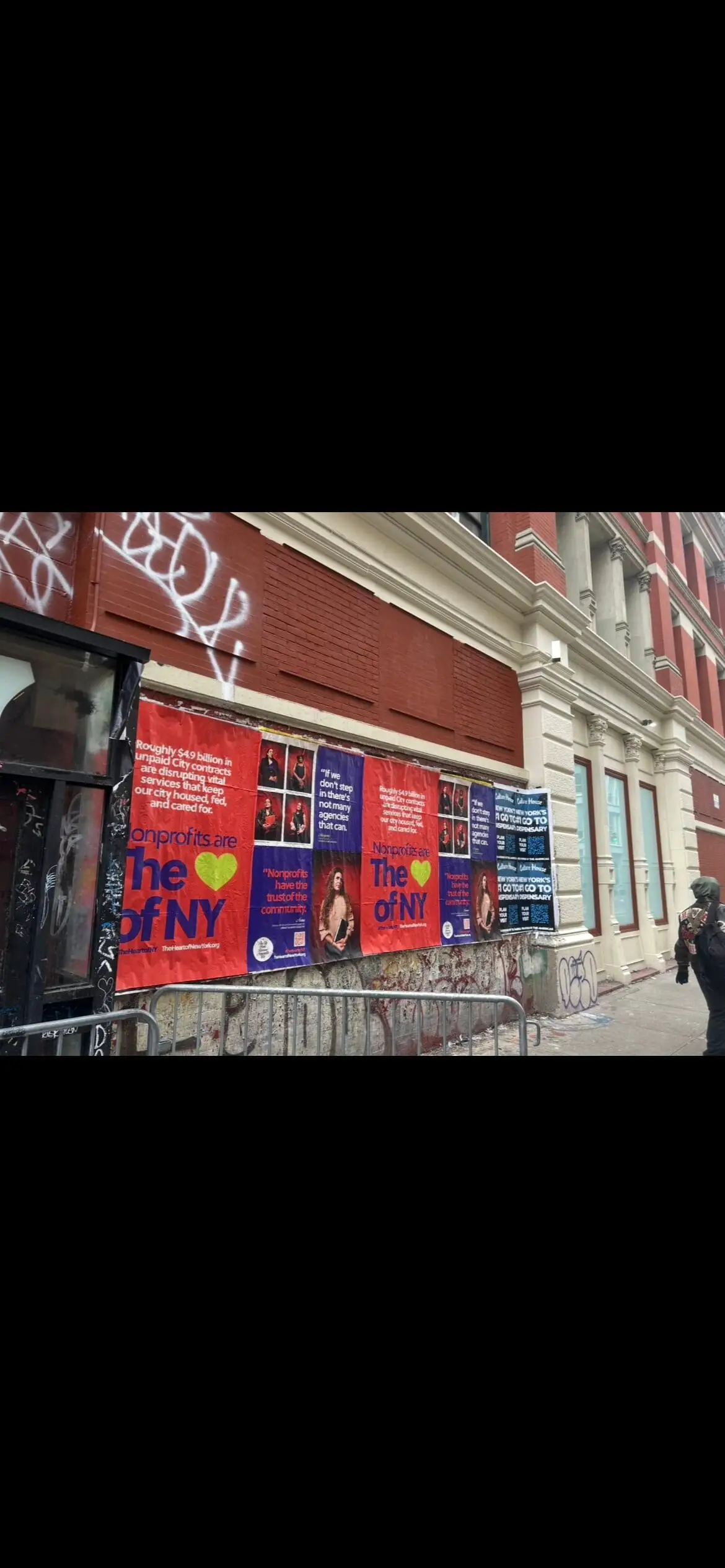
Publishers & Media.
Street campaigns for publishers, podcasters, and newsletter platforms. IRL credibility in coffee shops, bookstores, and creator neighborhoods.
Four tensions only street resolves.
- 01
Publisher subscription churn is rising as readers access content freely elsewhere; retaining high-LTV subscribers requires IRL credibility signals that owned-media channels alone cannot build
- 02
Podcast networks compete in an attention auction where listeners can start, pause, and delete without friction; the winning networks are the ones that feel real, have community presence, and signal cultural legitimacy in the markets where their audience lives
- 03
Newsletter creator platforms (Substack, Ghost, Beehiiv) have democratized publishing, but creator differentiation is locked in engagement metrics; creators launching newsletters need IRL presence to break through the crowded digital platform and signal serious content
- 04
Magazine relaunches and cultural publications face the cultural-placement problem. Getting coverage in the right neighborhoods (SoHo, Williamsburg, Echo Park, the Mission) that signals taste and audience, not just geographic spray
Is this you?
If two or more match your roadmap, send the date.
- You're losing high-LTV subscribers to free content elsewhere and owned-media channels alone can't rebuild the credibility that keeps them.
- You're a podcast network fighting the attention auction where listeners start, pause, and delete without friction, and you need to feel real in the markets where they live.
- You're a newsletter creator stuck in the metrics and need IRL presence to break through a crowded platform and signal serious content.
- You're relaunching a magazine and need cultural placement in the right neighborhoods that signals taste, not geographic spray.
- You're a B2B or independent publisher trying to reach decision-makers where LinkedIn ads are ignored and inbox saturation is high.
- You're a media company building awareness for a content property without the budget for broadcast or premium placement.
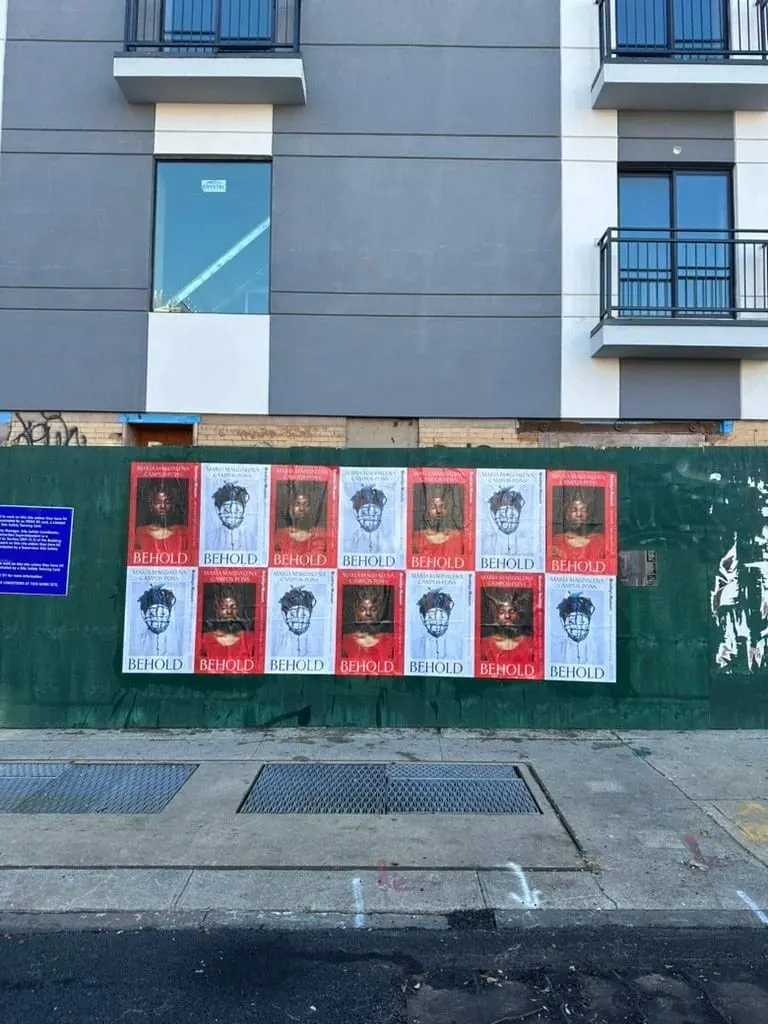
5 disciplines, one playbook.
Wheatpaste
Wheatpasting and wheatpaste advertising campaigns from $3,500 in NYC, LA, SF + 40 US cities. Published floors, 5-7 day lead (Expedited 24-72hr), GPS-tagged photo proof on every install. From $3,500Paste-Up Posters
Paste-up poster campaigns for product launches and neighborhood saturation. From $3,500, 5-7 day lead (Expedited 24-72hr), GPS-tagged photo proof in 40 US cities. From $3,500Poster Murals
Multi-panel poster murals. Full-wall paste-up installs spanning building sides and scaffold runs. Brand-scale visibility with photo proof in 40 US cities. From $8,000Pole Stickers
Pole sticker advertising and street pole takeovers in 40 US cities. Legal commercial-pole campaigns with geo-tagged photo proof on every install. From $3,000Coffee Shop Posters
Coffee shop poster programs in 40 U.S. cities. Counter cards, column wraps, and wall placements in partner cafes with full photo proof on every install. From $3,000Starting floors · print, install, and GPS-stamped photo proof included in every quote. Final number varies by turnaround, size, and location count. Full rate card →
Sample creative directions.
Pre-tested format / neighborhood pairings. Pick a direction at brief intake and we route the surface set inside 24 hours.
- Literary magazine launch Wheatpaste 12 posters + 15 bookstore interiors Williamsburg, Brooklyn
- Podcast network series Wheatpaste + pole stickers, 3-week run Mission District, SF
- Newsletter creator growth Wheatpaste 6 posters + coworking interiors Echo Park, Silver Lake, LA
- Magazine relaunch blitz Wheatpaste + pole stickers + bookstore posters SoHo, NYC
- B2B publisher reach Pole stickers + professional-venue interiors Financial District, Flatiron
The neighborhoods, not the metros.
We install where the audience already moves. Named corridors per market, permitted and photo-documented.
Hell's Kitchen · SoHo · Williamsburg · Bushwick · Lower East Side · Tribeca
Put it on the wall.
We have run this for publishers & media.
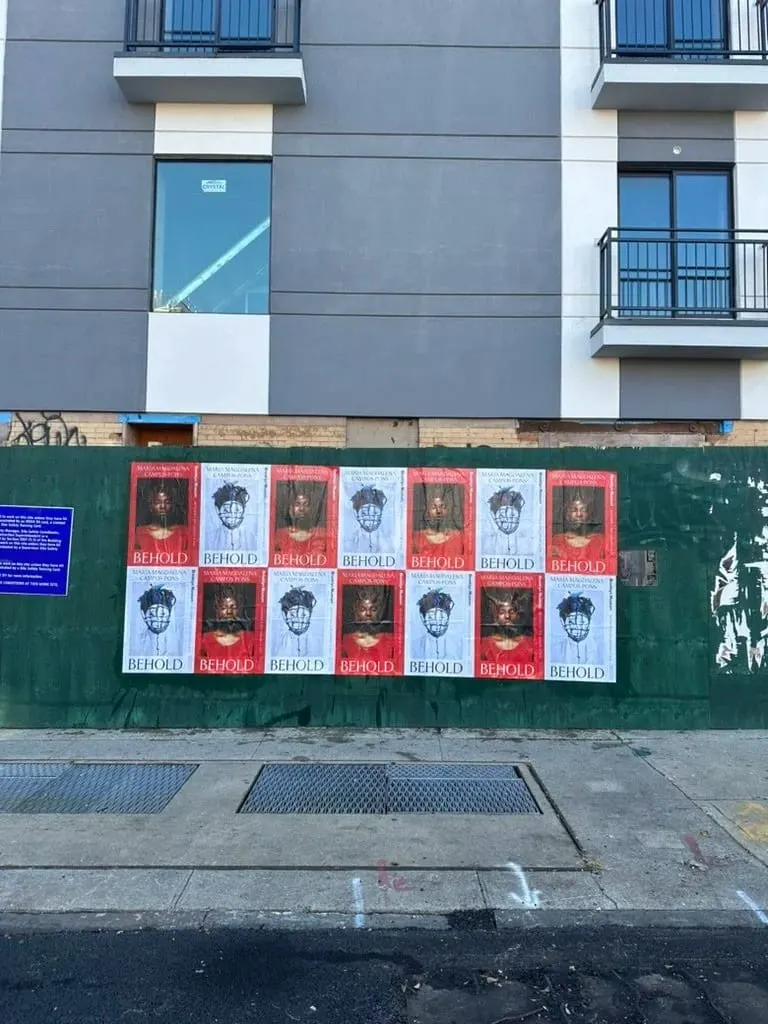

Proof · Printed in-house · Installed by our crew
Street campaigns for Publishers & Media brands. Proof included.
Send the brief; a scoped quote for your vertical comes back inside 24 hours — formats, neighborhoods, and a GPS-stamped photo of every placement when the run wraps.
- Quote in under 24 hours
- No discovery call. The brief is the call.
- Printing & Installation under one roof
Brief us · Quote in under 24 hours
Start your publishers & media campaign.
Brand-safe by default.
- Private-property walls only Written owner consent on file for every surface. No public infrastructure, transit, or right-of-way.
- GPS-stamped photos within 48 hours Wide, mid, detail per placement. The proof your team forwards internally.
- FTC + local-code compliant Disclosures and permitting handled per contract. Legal reviews clean.
- Zero municipal removals on record 500+ documented installs, none taken down by a city.
Read the full field notes
Why Publishers and Media Brands Choose Guerrilla
Publishers, podcasters, and media creators operate in an attention market where the floor has dropped out. Magazine newsstand sales collapsed in 2010 and have never recovered. Podcast discovery is algorithmic and crowded, Spotify now hosts 18 million podcasts, and listener loyalty is one-click away from switching. Newsletter platforms democratized publishing, but the difference between a newsletter that grows and one that stays at 200 subscribers is cultural presence: the signal that the creator or publication is real, published, and trusted enough to be seen in public spaces.
Street media solves a specific publishing problem: it builds subscriber awareness, creator credibility, and cultural legitimacy in the exact neighborhoods where readers, listeners, and engaged audiences live. A magazine relaunch that lands on bookstore shelves in Williamsburg only works at scale if readers see the cover on the street first. A newsletter creator competing with thousands of Substack peers needs IRL proof that their publication exists and is worth subscribing to. A podcast network launching a flagship show needs to own the cultural conversation in the cities where their audience commutes.
Beyond Street Media runs media-brand campaigns with the specificity that literary culture and content creators demand: named neighborhoods, independent bookstore partnerships, coffee-shop placement density, and creative execution that respects editorial aesthetics. We do not treat media brands as consumer packaged goods. The street presence is the credibility signal, the visible proof that the publication has earned the right to occupy that neighborhood.
What Publishers and Media Brands Actually Need
Subscriber acquisition without the CAC ceiling of digital channels. A wheatpaste and bookstore interior campaign for a new literary magazine in Brooklyn costs less than two weeks of paid-acquisition spend on Facebook, and the placement generates higher-intent subscriber conversion because the audience is self-selected by neighborhood choice and venue affinity. The street proof is the conversion lever.
Cultural placement in the right neighborhoods. Magazine launches live or die on whether they show up in the right part of the city. SoHo for high-design editorial. Williamsburg for indie and culture publishing. The Mission for tech and culture coverage. Silver Lake for west-coast editorial. Street campaigns let publishers own specific neighborhoods, signal editorial taste through placement context, and build the neighborhood-level legitimacy that publications need to earn critical coverage and industry attention.
Podcast network presence at listener scale. Podcasts are consumed by a distributed audience, but networks are built in hubs, San Francisco for tech podcasts, Brooklyn for culture and politics coverage, LA for entertainment content. Street campaigns in these neighborhoods give podcast networks a visible presence where listeners expect to see cultural authority. A network’s flagship show on a pole sticker outside a coffee shop signals that the network is real, invested, and audience-aware in that market.
Newsletter creator credibility when starting. New newsletter creators need to solve the cold-start problem: how do you convince someone to subscribe to your newsletter when they have not heard of you and have access to 500 other newsletters in the same space? Street presence solves this. A creator running wheatpaste in neighborhoods that match their audience and beat (climate writers in green-forward neighborhoods, finance writers in financial districts, culture critics in cultural hubs) builds immediate credibility and gives early subscribers a story (“I saw it on the street and signed up”).
Channel diversification for B2B and independent publishers. Trade publications and research platforms invest heavily in digital sponsorships, email sponsorships, and LinkedIn advertising, all to reach the same founder, operator, and decision-maker audience. Street media opens a channel that decision-makers cannot ignore: a pole sticker in the Financial District or a coworking-space interior poster reaches the target audience during the hours when they are thinking about business, walking their neighborhood, and not scrolling.
How Beyond Street Media Works With Publishers and Media Brands
1. Intake brief. Publication or platform identity, target reader profile, target markets (cities and specific neighborhoods), campaign objective (subscriber acquisition, awareness, relaunch, festival promotion, series launch), creative assets (cover, promotional image, headline), sign-up landing page or download URL, campaign duration.
2. Venue and surface mapping. We identify the neighborhoods that match your reader profile and the venues (bookstores, coffee shops, coworking spaces, design shops, cultural institutions) that align with your editorial identity. For wheatpaste campaigns, we map the high-foot-traffic corridors in those neighborhoods. For interior campaigns, we confirm bookstore and coffee-shop partner capacity.
3. Creative optimization. Publication and newsletter creative is typographic and cover-focused, magazine covers and newsletter graphics work as street creatives because they are designed for legibility and stopping power. We size creative for the surface (large-format wheatpaste, pole sticker condensed, interior poster placement) and add a CTA, QR code, or domain redirect that drives to your sign-up landing page or podcast player.
4. Install and placement documentation. Every placement is photographed with the publication cover or creative visible, in context (coffee shop interior, neighborhood street, bookstore window). The placement log documents the venue, neighborhood, and date. For bookstore and coffee-shop interiors, we provide photos that you can share with your audience on social, the street proof becomes marketing content itself.
5. Reporting and attribution. Campaign close-out deck ties placement count to subscriber acquisition, download, or listen data. For campaigns with QR codes or UTM-tagged URLs, we track conversion from street placement to sign-up. The attribution report shows what the street channel contributed to subscriber growth.
Real Campaigns: Publishers and Media in Action
Independent Literary Magazine Launch. Brooklyn, NY. A new quarterly literary magazine needed cultural placement in the right neighborhood to establish editorial credibility. We ran a 12-poster wheatpaste series across Williamsburg and Brooklyn with the magazine’s cover image, plus interior posters in 15 independent bookstores and literary-adjacent coffee shops. The street campaign drove 340 new subscriptions over four weeks, with 73% of conversions sourced to the wheatpaste street awareness (via UTM tracking on the campaign landing page).
Podcast Network Series Launch. San Francisco, CA. A culture-and-politics podcast network was launching a flagship investigative series. The campaign ran large-format wheatpaste in the Mission District (the primary listener neighborhood for the network’s audience), paired with pole stickers on the corridor between Mission-area coffee shops and coworking spaces. The creative featured the series title and a provocative headline, with a QR code linking to the series’ Spotify show page. The network tracked 1,200 new followers from the campaign over three weeks.
Newsletter Creator Growth Campaign. Los Angeles, CA. An independent climate journalist launching a paid newsletter needed to differentiate from the newsletter noise. We ran a 6-poster wheatpaste series across Echo Park and Silver Lake (neighborhoods aligned with the publication’s audience demographic and editorial beat), plus interior posters in coworking spaces and independent coffee shops. The campaign messaging emphasized the writer’s expertise and the newsletter’s research-first approach. The campaign acquired 180 paid subscribers at a CAC 40% lower than the creator’s prior paid-acquisition spend on Instagram.
Services Publishers and Media Brands Use Most
Wheatpaste Advertising. Large-format publication covers and promotional graphics in high-foot-traffic neighborhoods, creating the street presence that establishes editorial credibility and drives sign-up.
Paste-Up Poster Campaigns. Hand-pasted poster series in allied neighborhoods for indie publishers and magazines seeking venue control and cultural placement over algorithm-driven feed real estate.
Pole Sticker Advertising. Corridor-density placement in coffee shop and bookstore neighborhoods, building repeated impressions for podcast networks and newsletter platforms in high-engagement venues.
Coffee Shop Poster Programs. Interior venue partnerships with independent coffee shops, creating the dwell-time placement where readers and listeners spend their morning commute and work hours.
Multi-Panel Poster Murals. Large-format neighborhood takeovers for major magazine relaunches and film festival promotions, creating the visual presence that signals cultural event and editorial scale.
Multi-City Guerrilla Tours. Coordinated multi-market campaigns for national publishers, podcast networks, and newsletter platforms launching properties across five to ten cities simultaneously.
Magazines, Podcasts, Newsletters: The Publication-Specific Playbook
For literary and cultural magazines: Neighborhood-owned strategy. The campaign runs in the single neighborhood or city-pair that owns your editorial identity. Wheatpaste headline placement, heavy interior bookstore density, and cultural-venue partnerships (galleries, design shops, literary institutions) are the credibility stack.
For podcast networks: Hub-city focus. Networks target the three to five cities where their listener base concentrates. Wheatpaste in creator-dense neighborhoods (Williamsburg, the Mission, Silver Lake, Capitol Hill) paired with pole-sticker corridor density between high-engagement venues (coffee shops, coworking spaces, bookstores) creates repeated audience touchpoints during commute and work hours.
For newsletter creators and platforms: Creator-neighborhood matching. A climate writer campaigns in green-forward neighborhoods. A tech writer campaigns in startup hubs. A culture critic campaigns in cultural-dense areas. The neighborhood choice is the targeting mechanism, the audience self-selects by living there. Bookstore and coffee-shop interior placement provides the dwell-time proof for the audience that already uses those venues.
For magazine relaunches: Full-format neighborhood blitz. The relaunch uses wheatpaste for headline presence, pole stickers for corridor reinforcement, interior bookstore posters for retail presence, and optional mural placement for visual dominance in the key neighborhood. The visible presence creates the editorial-event feeling that relaunches require.
For B2B media and research publishers: Financial-district and professional-venue targeting. Trade publications and research platforms campaign in the neighborhoods where decision-makers work and walk. Financial district pole stickers, professional-building and coworking-space interior posters, and coffee-shop placement in professional-services areas (SoMa for tech, Flatiron for finance, West Loop for agency/creative) all reach the operator audience at professional venue scale.
Got a Reader to Acquire? We’ve Got the Shelf.
Publishers and media brands are getting priced out of the digital subscriber funnel. The same audience that reads your newsletter is scrolling Instagram, receiving email blasts, and tuned out to the algorithmic feed. Street media works because it reaches readers in the off-algorithm moments, the morning walk to the coffee shop, the browse of the bookstore, the commute. The placement is the proof that the publication is real, published, and worth the subscription.
Publishers & Media questions.
The 5 things publishers & media brands ask before sending a brief. Same-day answers from the desk if yours isn't here.
Q · 01 Can street media build a subscriber base for a publisher?
Yes. When the campaign directs readers to sign-up landing pages with clear CTAs, QR codes, or domain redirects. Street posters run in neighborhoods where your target reader walks, at frequency that builds recall. Bookstores, coffee shops, and independent venues are your placement partners. Not billboards. A wheatpaste series across NYC's Lower East Side + Williamsburg, paired with interior posters in 20 independent bookstores, builds both street presence and retail affinity for literary publications.
Q · 02 Can street media support a magazine relaunch?
Magazine relaunches are ideal street-media opportunities because they require cultural placement that signals taste and editorial credibility. A relaunch campaign pairs wheatpaste headline placements in key upscale neighborhoods with interior posters in independent bookstores, design shops, and coffee shops that share the magazine's aesthetic. The magazine cover becomes the creative. Pole stickers at boutique intersections build corridor density. The result is a neighborhood-owned relaunch story that trades publications and local media naturally amplify.
Q · 03 Can you coordinate bookstore and coffee-shop interior placements alongside street posters?
Yes, and for publishers that pairing is the core play. We map the independent bookstores, coffee roasters, and design shops that match your editorial identity, confirm interior-placement consent with each venue owner, and run them alongside the exterior wheatpaste corridor. A literary launch might run 12 street posters plus interior placement in 15 to 20 bookstores in one neighborhood. The interior venues supply dwell-time exposure and shareable photo proof; the street posters supply the headline presence that earns trade-press pickup.
Q · 04 Do you print the covers and creative in-house?
Yes. We print on our own presses, which matters for media brands because a magazine cover or newsletter graphic lives or dies on print fidelity. See poster printing. You hand us the cover file; we handle stock and sizing for large-format wheatpaste, condensed pole stickers, and interior bookstore posters. In-house printing keeps a relaunch or issue-drop on one timeline and lets us rerun creative fast when an editorial cover or a launch date shifts late.
Q · 05 What is the typical budget for a media-brand street campaign?
Entry-level media campaigns start at $5,000-$12,000 for a single-market wheatpaste blitz (10-15 placements) with optional bookstore interior installs. Mid-tier multi-format campaigns across two to three markets run $30,000-$80,000 for sustained campaigns over four to eight weeks. Major relaunch programs with multi-city presence, heavy interior placement in bookstores and coffee shops, and multi-format execution (wheatpaste + pole stickers + murals) run $100,000-$250,000+.
We delivered.


















Brand partners include: FIFA World Cup 2026, Palantir, Sézane, G-Shock, Mitchell & Ness, True Religion, Huda Beauty, Yonex, Relevance AI, Momentous, RYZE Coffee, Bloom Effects, Incrediwear, Brooklyn Museum, Sweat FC, HydroJug, Frameline, Alchemy, OneRepublic, Lone Fox, Vaura Pilates.
Got a publishers & media launch?
Inquire now.
Send the Publishers & Media brief: markets, window, creative direction. Vertical-specific quote back in 48 hours.