Food & Beverage.
Wheatpaste, sticker, and bar-bathroom campaigns for restaurant and beverage brands. Neighborhood saturation where the buyer eats and drinks.
Four tensions only street resolves.
- 01
Restaurant openings in saturated neighborhoods require density saturation at launch. Paid digital alone cannot build the neighborhood presence needed to compete with existing establishments
- 02
Beverage brands (coffee, craft breweries, alcohol, energy drinks) need placement where consumption happens. Inside bars, coffee shops, and restaurants, not in a commute tunnel
- 03
Alcohol-creative restrictions vary by state and often require venue-level liquor-license confirmation before any bar-bathroom or restaurant placement is legal
- 04
Coffee-brand competitive restrictions in venue programs (Starbucks, Local Blend exclusivity clauses) mean F&B brands need custom venue partnerships, not syndicated networks
Is this you?
If two or more match your roadmap, send the date.
- You're opening a restaurant in a saturated neighborhood and need density at launch so the room reads as established by opening night.
- Your beverage brand needs placement where consumption happens, inside bars, coffee shops, and restaurants, not in a commute tunnel.
- Your alcohol creative faces state-by-state rules and venue-level liquor-license confirmation before any bar-bathroom placement is legal.
- You're a coffee brand locked out of syndicated networks by Starbucks or Local Blend exclusivity and need custom venue partnerships.
- Food-delivery saturation has plateaued your acquisition and you need street-level neighborhood presence to break through digital fatigue.
- You're launching a craft beverage that needs in-venue credibility and external brand awareness running at the same time.
5 disciplines, one playbook.
Wheatpaste
Wheatpasting and wheatpaste advertising campaigns from $3,500 in NYC, LA, SF + 40 US cities. Published floors, 5-7 day lead (Expedited 24-72hr), GPS-tagged photo proof on every install. From $3,500Paste-Up Posters
Paste-up poster campaigns for product launches and neighborhood saturation. From $3,500, 5-7 day lead (Expedited 24-72hr), GPS-tagged photo proof in 40 US cities. From $3,500Bathroom Advertising
Bar and restaurant bathroom advertising in 40 U.S. cities. Mirror clings, stall-door posters, and venue placements with full photo proof on every install. From $3,000Coffee Shop Posters
Coffee shop poster programs in 40 U.S. cities. Counter cards, column wraps, and wall placements in partner cafes with full photo proof on every install. From $3,000Coasters & Menus
Custom drink coasters, table tents, and menus printed and delivered for bars and restaurants across 40 U.S. metros. We design, print, and ship. Your tabletop, done right. From $2,500Starting floors · print, install, and GPS-stamped photo proof included in every quote. Final number varies by turnaround, size, and location count. Full rate card →
Sample creative directions.
Pre-tested format / neighborhood pairings. Pick a direction at brief intake and we route the surface set inside 24 hours.
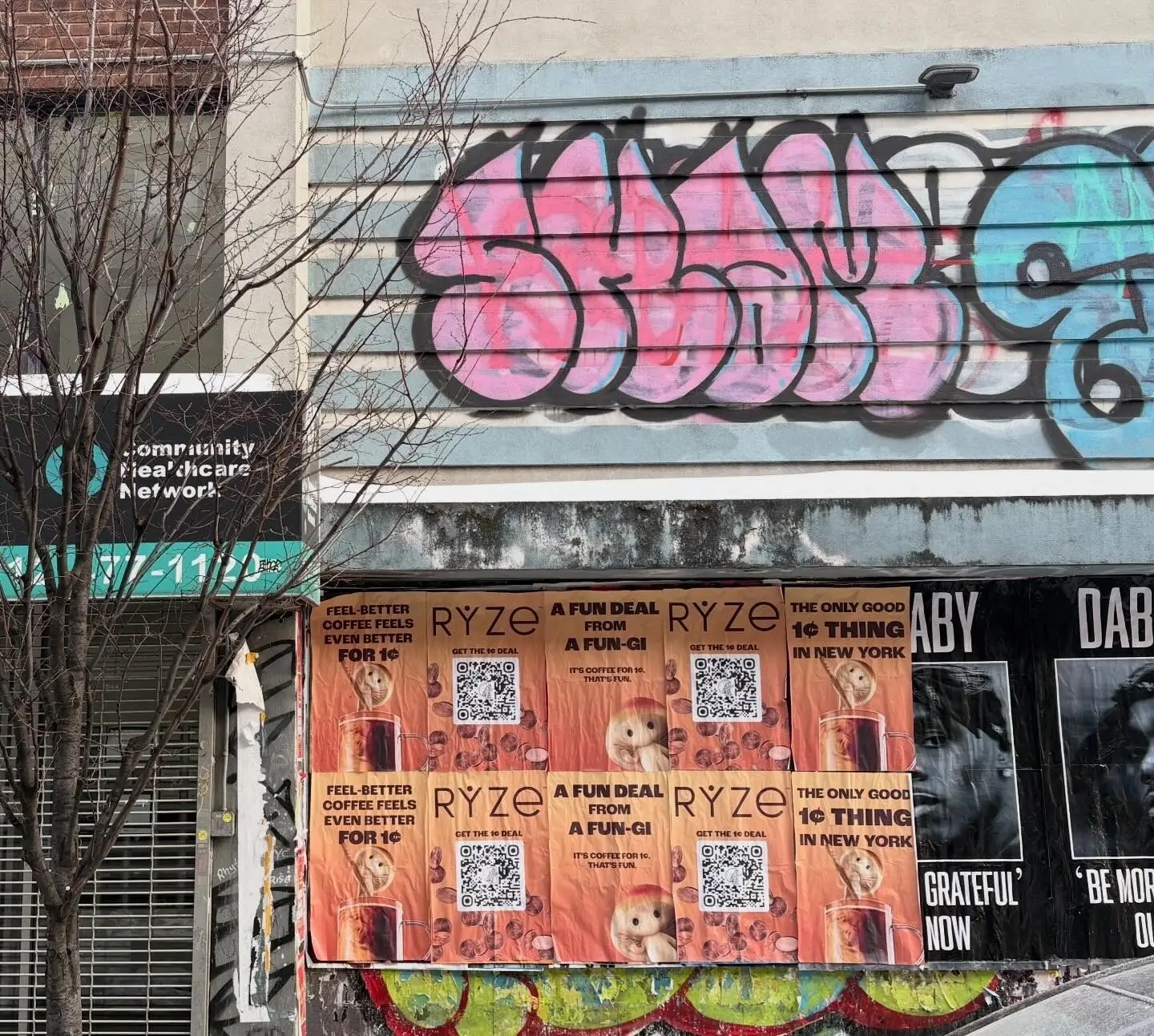
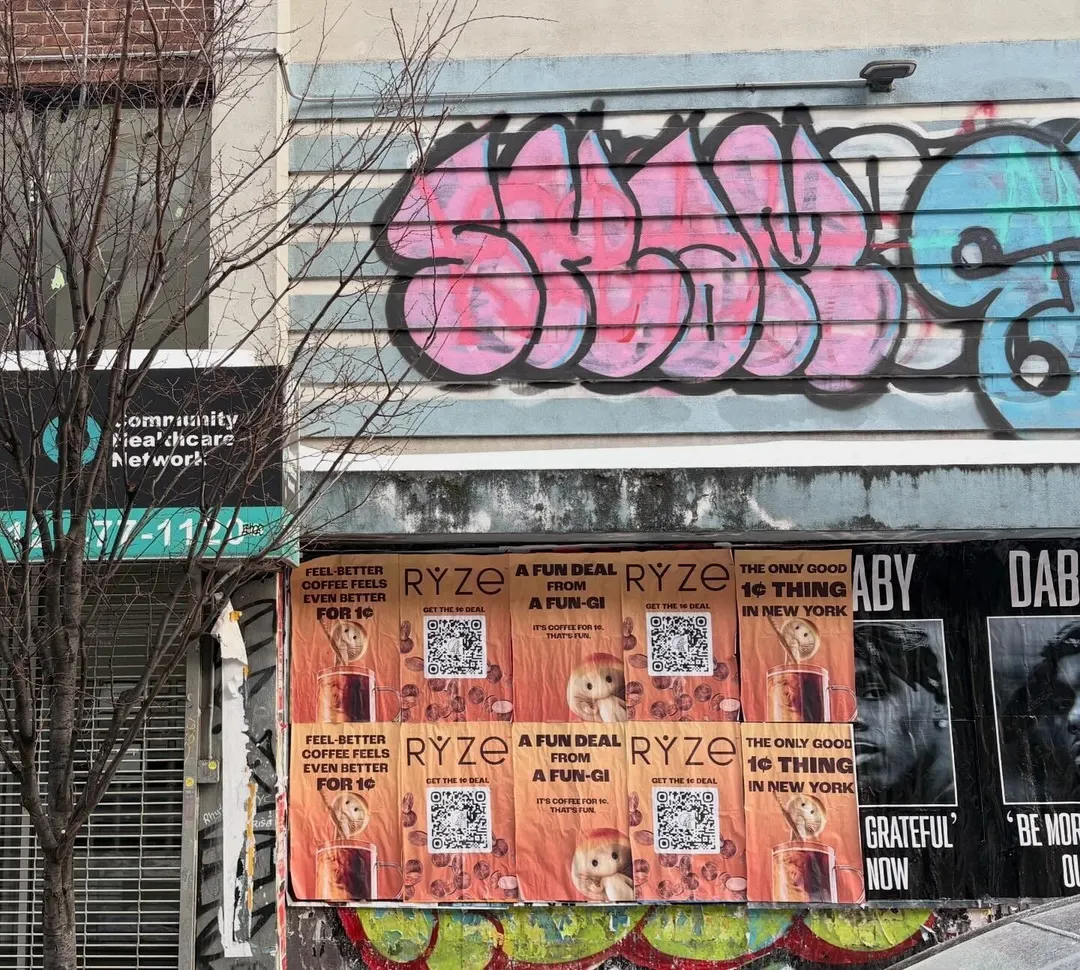
- Mushroom-coffee launch Wheatpaste + partner coffee-shop installs Williamsburg, Lower East Side
- Cocktail-bar pre-opening Wheatpaste + pole stickers + interior, 2-week run Silver Lake, LA
- Craft brewery distribution Wheatpaste, 30 placements, 6 weeks + 25 tap venues East Austin, South Congress
The neighborhoods, not the metros.
We install where the audience already moves. Named corridors per market, permitted and photo-documented.
Hell's Kitchen · SoHo · Williamsburg · Bushwick · Lower East Side · Tribeca
Put it on the wall.
We have run this for food & beverage.
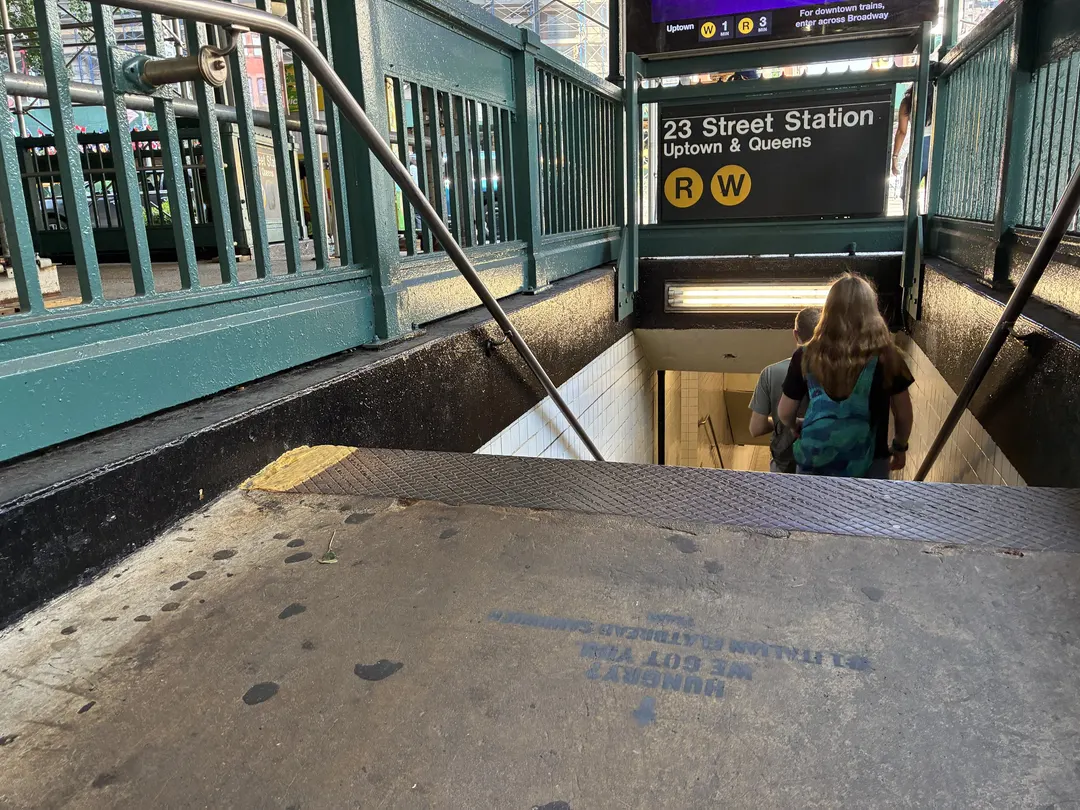

Proof · Printed in-house · Installed by our crew
Street campaigns for Food & Beverage brands. Proof included.
Send the brief; a scoped quote for your vertical comes back inside 24 hours — formats, neighborhoods, and a GPS-stamped photo of every placement when the run wraps.
- Quote in under 24 hours
- No discovery call. The brief is the call.
- Printing & Installation under one roof
Brief us · Quote in under 24 hours
Start your food & beverage campaign.
Brand-safe by default.
- Private-property walls only Written owner consent on file for every surface. No public infrastructure, transit, or right-of-way.
- GPS-stamped photos within 48 hours Wide, mid, detail per placement. The proof your team forwards internally.
- FTC + local-code compliant Disclosures and permitting handled per contract. Legal reviews clean.
- Zero municipal removals on record 500+ documented installs, none taken down by a city.
Read the full field notes
Why Street Campaigns Work for Food & Beverage Brands
Food and beverage brands exist in a specific geography. Restaurants open at neighborhood density, bars cluster in walkable districts, coffee shops anchor retail corridors. The buyer makes the decision to eat, drink, or order while moving through those neighborhoods. A wheatpaste poster on the wall between their commute and the bar reads as an ambient endorsement from the neighborhood itself. A bathroom poster inside a partner venue captures the buyer at the exact moment of consumption. A counter card in a coffee shop lands the brand where the buyer is already buying the category.
Digital channels flatten geography. A Facebook ad reaches the target audience across the entire metro area, but the audience is scrolling on their phone. Not walking into a bar, not ordering coffee, not entering a restaurant. Street media solves the precise problem that digital cannot: it reaches the buyer where the buying actually happens.
For restaurants launching in crowded neighborhoods, the saturation effect matters. A restaurant opening on the Lower East Side is competing with 200 other restaurants within walking distance. A two-week street campaign (wheatpaste + poles + interior venue posters) makes the new restaurant visible enough that it reads as established by opening night. For beverage brands, the venue partnership strategy works in reverse. You place the brand inside the venues where the audience already congregates, and use external wheatpaste and poles as the credibility signal that the brand is serious enough to be everywhere.
Alcohol-restricted brands gain confidence from compliance-aware execution. Spirits, beer, and hard-seltzers face state-specific creative and venue-license rules that digital agencies have never navigated. Beyond Street Media routes alcohol creative through state regulators and venue-license audits, so the campaign clears before install.
What We Run for Food & Beverage Brands
Wheatpaste Advertising. Large-format posters in restaurant-density neighborhoods, brewery-cluster zones, and food-delivery-driven commercial corridors. Entry point for restaurant openings and beverage brand launches.
Paste-Up Poster Campaigns. Hand-pasted 18x24 and larger poster formats targeting food and beverage audience density in urban markets.
Bar & Restaurant Bathroom Advertising. Venue-partner placements inside bars, breweries, and restaurants, capturing high-dwell-time interior surfaces where the buyer is already in the consumption environment.
Coffee Shop Poster Programs. Counter-card and wall-mounted placements in partner coffee shops, capturing repeat daily exposures for CPG and specialty beverage brands.
Custom Poster Installs. Column wraps, bar-back installations, and custom venue-partner builds for restaurant groups and beverage brands needing permanent or semi-permanent in-venue branding.
Multi-City Guerrilla Tours. Coordinated multi-market F&B launches across 4-8 cities simultaneously, ideal for national restaurant groups and beverage brands expanding regionally.
Product Launch Street Blitz. Concentrated 2-4 week campaigns supporting new product introductions, seasonal beverage drops, and restaurant menu launches with neighborhood saturation and venue coordination.
Compliance & Brand-Safety Notes
Alcohol creative and venue licensing. Bar-bathroom and restaurant-interior placements are only legal in venues holding an active liquor license. Before any alcohol-brand campaign, we audit each venue partner’s license status through state ABC records. Spirits, beer, and hard-seltzers face different creative restrictions by state. Some prohibit health claims, others restrict outdoor advertising near schools. We route alcohol creative through state TTB and ABC approval pathways before production, adding 1-2 weeks to the timeline. Multi-state alcohol campaigns require state-by-state compliance stacking; this is built into pricing and scheduling.
FDA health claims on CPG packaging. Coffee-supplement brands, energy drinks, and functional-beverage CPGs cannot make health claims on outdoor creative that exceed what is pre-approved on the packaged product. We flag health-claim language at creative intake and align poster copy to packaging approval before design. Functional-food brands (mushroom coffee, adaptogens, collagen drinks) need particular attention here.
Venue-partner competitive restrictions. Many premium coffee shops have exclusive Starbucks or Local Blend partnership agreements that prevent competitive beverage brands from counter-card placement. We vet venue agreements before handshake. For CPG beverage brands in highly restricted markets (Seattle, Bay Area), we build custom venue networks or shift to exterior-only campaigns.
Restaurant-opening timeline. Restaurant launches need wheatpaste + pole + interior placements coordinated with final permitting, signage installation, and soft-opening dates. If permitting delays push opening back 2-4 weeks, the street campaign needs the same delay to land the credibility effect at opening, not six weeks pre-opening when the restaurant is not yet known to be opening.
Past F&B Work
RYZE Coffee, New York City. Wheatpaste campaign for mushroom-coffee brand entering caffeine-saturated market. 25 placements across Williamsburg and Lower East Side, delivering 4-6 touch-points per target-audience member per week.
Verified campaigns for F&B verticals include restaurant openings in NYC (Lower East Side), LA (Silver Lake, Echo Park), San Francisco (Mission District), beverage brand interior venue programs across the East Coast, and brewery launch campaigns in Austin (East Austin corridor) and Portland (Alberta Arts District).
Cities We Activate for Food & Beverage Brands
F&B brands activate strongest in restaurant-density neighborhoods across these markets:
New York City. Lower East Side (density: 200+ bars/restaurants within 0.5 miles), Williamsburg (vintage food scene, craft beer concentration), Astoria (food-court model, neighborhood saturation), Bushwick (emerging F&B, younger demographic), East Village (pizza/Italian density).
Los Angeles. Silver Lake (coffee-shop density, food-culture hub), Echo Park (emerging restaurant scene, walkability), DTLA Arts District (food-vendor density, bar clusters), Venice Beach (hospitality density, beachfront foot traffic).
San Francisco. Mission District (restaurant density, bar clusters), Hayes Valley (food-hall culture, beverage shopping), SoMa (happy-hour density, tech-worker commute).
Miami. Wynwood (art + food + beverage hub), Brickell (young professional, happy-hour density).
Austin. East Austin (food truck + brewery corridor), South Congress (restaurant-density neighborhood), Rainey Street (bar cluster, 6th Street extension).
Nashville. Lower Broadway (tourist-driven restaurant/bar density), East Nashville (emerging food scene, neighborhood bars).
Portland. Alberta Arts District (coffee + indie restaurant scene), Hawthorne (food-cart culture, brewery corridor).
Chicago. Wicker Park (food scene, younger demographic), Logan Square (restaurant innovation, bar density), West Loop (chef-driven restaurants, weekend foot traffic).
How a typical F&B program runs week-by-week
Most Beyond Street Media food-and-beverage engagements run on a four-week cadence around an opening, a launch SKU, or a seasonal push. Week one is the venue map and creative lock. We confirm the bars, restaurants, and coffee shops where bathroom and counter placements will land, walk the surrounding wheatpaste corridor with the brand team, and route every creative through the host venue’s content review (alcohol brands need TTB-cleared copy at this stage, supplements and functional-beverage brands need FTC-substantiated claim copy, and any creative referencing a competitor brand gets pulled before print).
Week two is print and pre-stage. Posters go to the print shop, interior placements ship to the regional crew hub, and the install team confirms venue-by-venue access windows around service hours. Week three is the install push. Bathroom mirror clings the morning before opening night, counter cards as the line forms for first service, wheatpaste in the surrounding corridor on a Tuesday-Wednesday overnight when foot traffic is lowest. Week four is the proof package: photo deck per venue, GPS-confirmed wheatpaste map, daily install logs, and a wrap deck the brand can send to retail partners, distributors, and the press team without further production. The same cadence scales to a multi-city beverage rollout by adding parallel crew teams in each metro and a single cross-market PM.
Got a new restaurant or beverage brand? We’ve got the walls, the venues, and the neighborhood density to make opening week look like year three.
Food & Beverage questions.
The 5 things food & beverage brands ask before sending a brief. Same-day answers from the desk if yours isn't here.
Q · 01 How do you handle alcohol-advertising restrictions by state?
Alcohol creative is regulated differently in every state. Some require only truthful (no false health claims), others require age-gating on digital links, and some restrict outdoor advertising near schools or playgrounds. More critically, bar-bathroom and restaurant-interior placements are only legal if the venue holds an active liquor license. Before any campaign, we confirm the state-specific TTB and ABC rules with your in-house compliance team, audit each venue partner's license status, and document approval for every placement. For multi-state spirits or beer launches, Beyond Street Media routes creative through state ABC offices where required. The timeline adds 1-2 weeks to production, and it protects both you and the venues from enforcement risk.
Q · 02 What's the best way to launch a restaurant in a competitive neighborhood?
Restaurant launches in dense neighborhoods (Lower East Side NYC, Echo Park LA, Mission SF) require density saturation. You need enough wall coverage and interior placement in nearby venues that the new restaurant reads as established before day one. Beyond Street Media runs a two-week blitz combining wheatpaste in the neighborhood corridor, pole stickers at key intersections, and interior posters in adjacent bars and coffee shops. The multi-touch environment (your customer sees the brand 4-6 times in a week crossing their commute neighborhood) moves the needle from 'I think I saw that place' to 'that place is already packed.' Entry price: $12,000-$25,000 for a single-neighborhood two-week launch; scale to $40,000-$75,000 for multi-neighborhood metro coverage.
Q · 03 Can street campaigns work for craft beverages competing against big brands?
Yes. Craft breweries, small-batch spirits, and specialty coffee brands use guerrilla campaigns as their primary brand-building tool because they cannot compete on media spend with incumbents. A brewery launching in Austin can run a $35,000 campaign across East Austin, South Congress, and Rainey Street neighborhoods for eight weeks, hitting the target audience (20-45, higher education, disposable income) in the exact places they already drink. The brewery can reinforce the street presence with tap-handle placement in partner venues simultaneously. Craft-beverage launches consistently outperform digital-only campaigns on both venue pickup speed and social media word-of-mouth.
Q · 04 What's the difference between a bar-bathroom poster and a coffee-shop poster program?
Bar-bathroom placements are 5x7 or 4x6 posters in high-dwell-time spaces (bathroom mirrors and entry doors) in licensed venues. They capture 30-90 seconds of attention and are typically rotated monthly. Coffee-shop counter-card programs are smaller (8.5x11 or A4) permanent installs on cafe counters and walls, refreshed weekly or monthly, targeting 15-30 second dwell during ordering. The bar strategy is high-impact brand awareness (spirits, craft beer, evenings). The coffee strategy is repeat exposure for CPG brands (energy drinks, specialty coffee, health beverages) that want daily touchpoints with the same audience.
Q · 05 Do you print the posters, or do we hand you finished files?
We print in-house. Bar-bathroom 5x7s, coffee-shop counter cards, and large-format wheatpaste all come off our own presses. See poster printing. You hand us the artwork; we handle stock, sizing, and weatherproofing for exterior paste-up. This keeps a restaurant or brewery launch on one timeline instead of waiting on a third-party print shop, and it lets us rerun a creative mid-campaign in 48 hours if a menu or pricing detail changes.
We delivered.














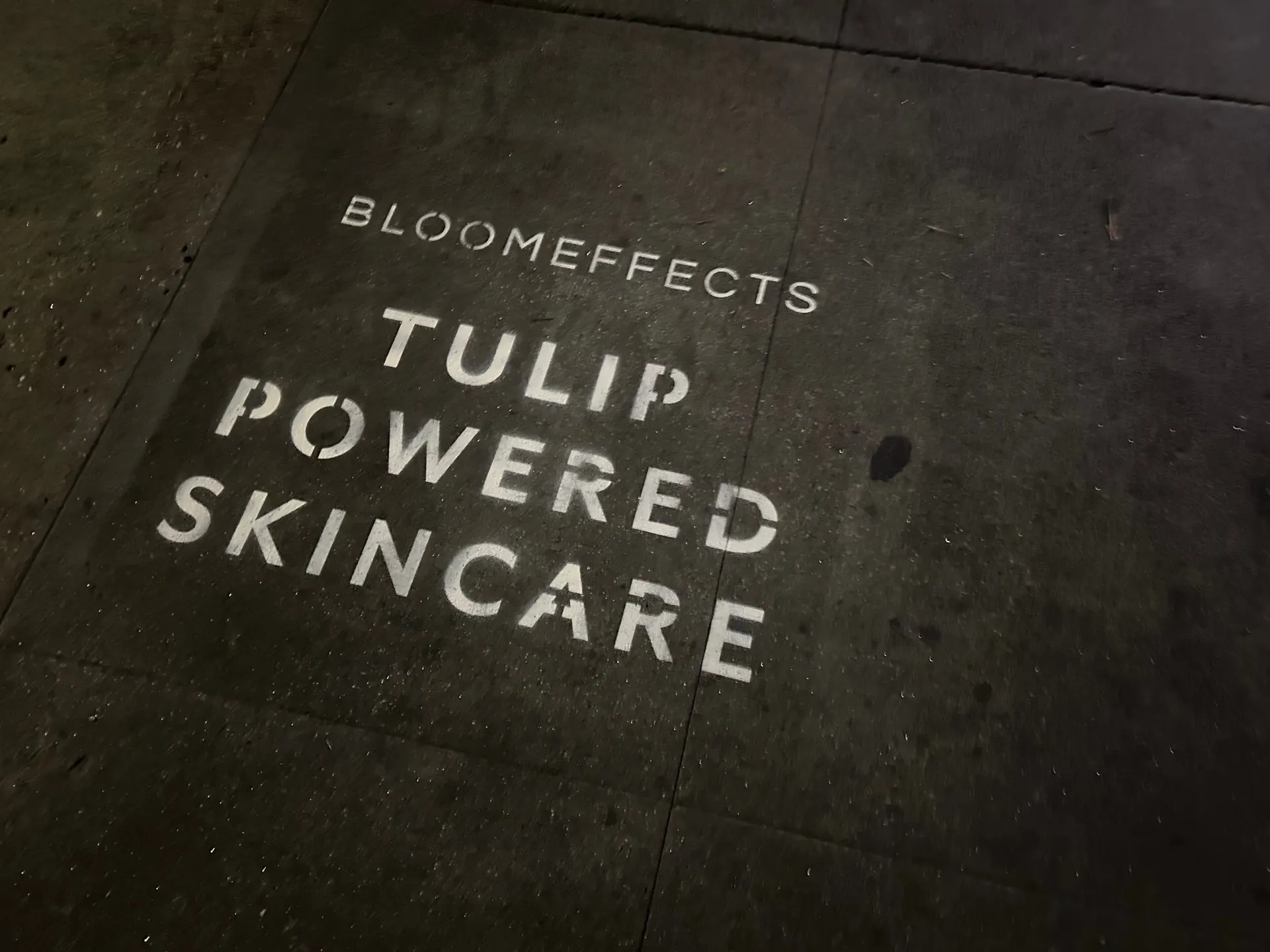
Brand partners include: FIFA World Cup 2026, Palantir, Sézane, G-Shock, Mitchell & Ness, True Religion, Huda Beauty, Yonex, Relevance AI, Momentous, RYZE Coffee, Bloom Effects, Incrediwear, Brooklyn Museum, Sweat FC, HydroJug, Frameline, Alchemy, OneRepublic, Lone Fox, Vaura Pilates.
Got a food & beverage launch?
Inquire now.
Send the Food & Beverage brief: markets, window, creative direction. Vertical-specific quote back in 48 hours.