Sports & Athletic.
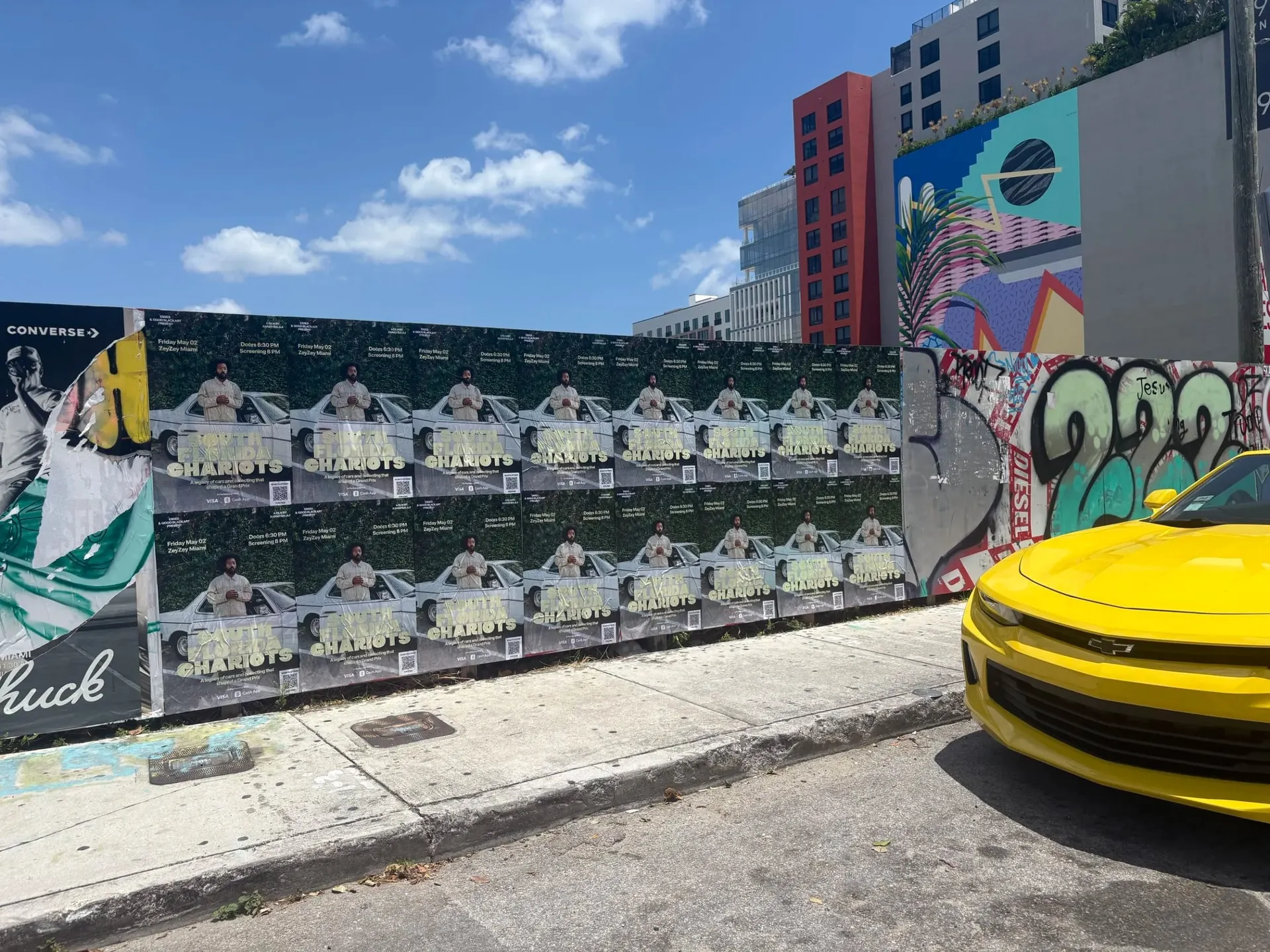
Wheatpaste, mural, and game-day campaigns for sports brands and leagues. Neighborhood saturation around stadiums, run clubs, and fitness corridors.
Four tensions only street resolves.
- 01
Game-day timing windows are unmovable. Campaigns need to launch and install within a compressed 48-72 hour window that must sync with event day, not around it
- 02
Stadium vicinity ad inventory is locked by venue and league control. Beyond Street Media operates in the surrounding neighborhoods where the audience actually lives and trains
- 03
Sponsorship activation requires photo proof and press-cycle integration. Street placements produce social-amplified photo assets same-day that feed sports media pickup
- 04
Athletic-apparel buyers self-select to fitness-cluster neighborhoods. Williamsburg, West Hollywood, the Mission, Brickell, Capitol Hill concentrate the audience before and after game day
Is this you?
If two or more match your roadmap, send the date.
- Your game-day window is unmovable, install has to sync to event day inside a compressed 48-72 hour window.
- Stadium-vicinity inventory is locked by venue and league, so you need the surrounding neighborhoods where the audience lives and trains.
- Your sponsorship needs photo proof and press-cycle pickup, same-day social-amplified assets that feed sports media.
- Your athletic buyers cluster in fitness neighborhoods, Williamsburg, West Hollywood, the Mission, Brickell, Capitol Hill.
- You're running a multi-city league or tour, simultaneous execution across 4-6 markets with unified creative, locked weeks ahead.
- Your run clubs and races run on event calendars, install schedules mapped against actual race dates, not generic campaign windows.
5 disciplines, one playbook.
Wheatpaste
Wheatpasting and wheatpaste advertising campaigns from $3,500 in NYC, LA, SF + 40 US cities. Published floors, 5-7 day lead (Expedited 24-72hr), GPS-tagged photo proof on every install. From $3,500Paste-Up Posters
Paste-up poster campaigns for product launches and neighborhood saturation. From $3,500, 5-7 day lead (Expedited 24-72hr), GPS-tagged photo proof in 40 US cities. From $3,500Poster Murals
Multi-panel poster murals. Full-wall paste-up installs spanning building sides and scaffold runs. Brand-scale visibility with photo proof in 40 US cities. From $8,000Sidewalk Stencils
Sidewalk stencil campaigns from $2,500 in 40 US cities. Chalk-safe, removable, permitted-only. Expedited 24-72hr available. GPS-tagged photo proof. From $2,500Gym Installs
Gym and fitness club poster installs in 40 U.S. cities. Locker-room, floor, and studio placements in partner gyms with full photo proof on every install. From $3,000Starting floors · print, install, and GPS-stamped photo proof included in every quote. Final number varies by turnaround, size, and location count. Full rate card →
Sample creative directions.
Pre-tested format / neighborhood pairings. Pick a direction at brief intake and we route the surface set inside 24 hours.
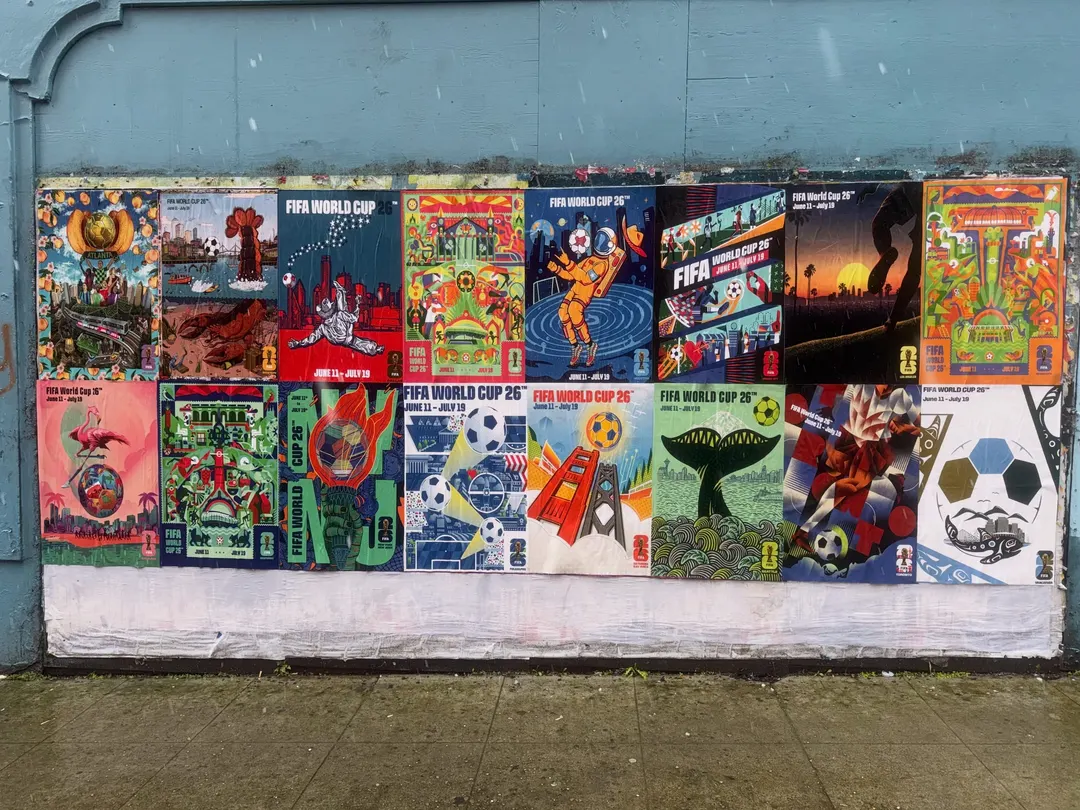
- FIFA World Cup multi-city tour Wheatpaste, 14 city-specific variants Seattle, Toronto, host cities
- Run-club interior installation Photo-collage wall, season-long Brooks run-club venue, Seattle
- Racquet-sport pop-up routing Sidewalk stencils, neon-green SoHo, 117 Wooster St, NYC
- Youth-soccer recruitment Paste-up posters, retail frontage Bed-Stuy, Brooklyn
- Game-day sports-watch hybrid Stencils + wheatpaste, in-season High-foot-traffic neighborhoods, NYC
The neighborhoods, not the metros.
We install where the audience already moves. Named corridors per market, permitted and photo-documented.
Capitol Hill · Pioneer Square · South Lake Union · Belltown · Ballard · Fremont
Downtown LA · Arts District · Silver Lake · Echo Park · Venice · Santa Monica
Wynwood · Design District · Brickell · South Beach · Little Havana · Downtown
Hell's Kitchen · SoHo · Williamsburg · Bushwick · Lower East Side · Tribeca
Put it on the wall.
We have run this for sports & athletic.
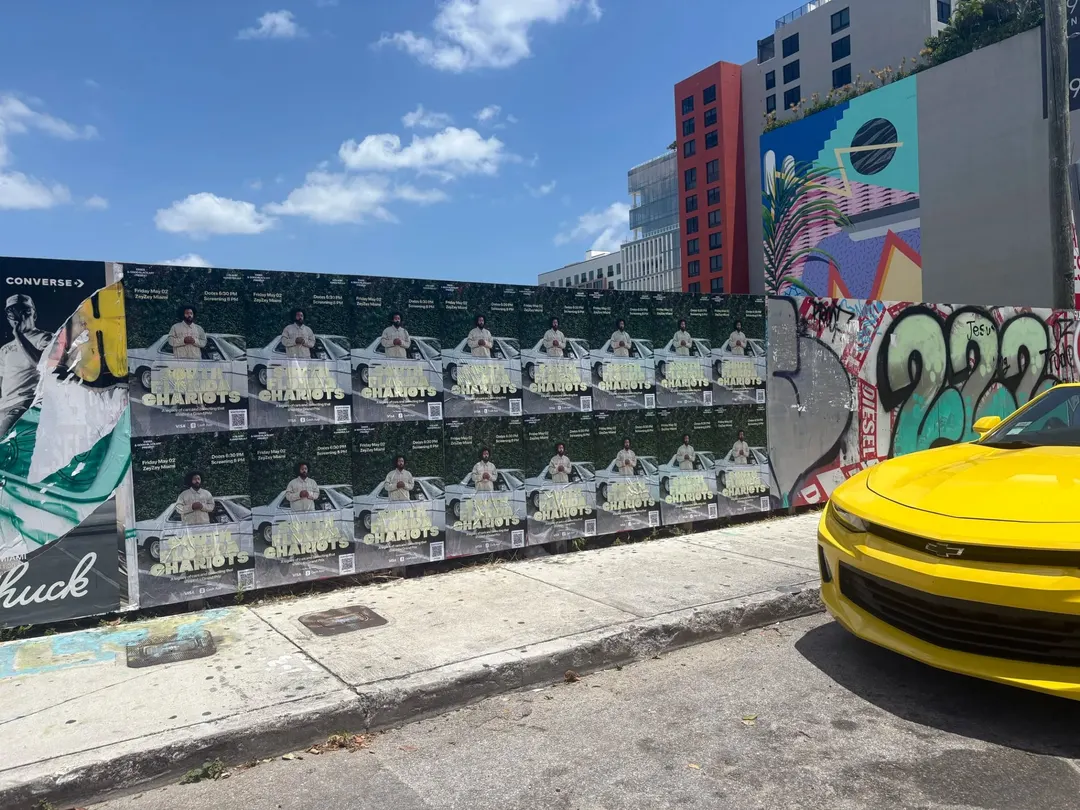

Proof · Printed in-house · Installed by our crew
Street campaigns for Sports & Athletic brands. Proof included.
Send the brief; a scoped quote for your vertical comes back inside 24 hours — formats, neighborhoods, and a GPS-stamped photo of every placement when the run wraps.
- Quote in under 24 hours
- No discovery call. The brief is the call.
- Printing & Installation under one roof
Brief us · Quote in under 24 hours
Start your sports & athletic campaign.
Brand-safe by default.
- Private-property walls only Written owner consent on file for every surface. No public infrastructure, transit, or right-of-way.
- GPS-stamped photos within 48 hours Wide, mid, detail per placement. The proof your team forwards internally.
- FTC + local-code compliant Disclosures and permitting handled per contract. Legal reviews clean.
- Zero municipal removals on record 500+ documented installs, none taken down by a city.
Read the full field notes
Why Street Campaigns Work for Sports Brands
Sports and athletic brands face a unique timing and geography problem that traditional media cannot solve. Game-day demand peaks in a 24-48 hour window around an actual event. That window is unmovable and unauctioned. Stadium advertising inventory is locked by venue and league control, leaving the surrounding neighborhoods as the only place where a brand can actually claim presence at scale. Athletic apparel buyers concentrate in fitness-cluster neighborhoods (Williamsburg, West Hollywood, the Mission, Brickell, Capitol Hill). The same neighborhoods where run clubs meet, where marathoners do their final training runs, and where the sports fan density peaks pre- and post-game.
Street media solves this. A wheatpaste blitz in West Hollywood the week before a major race hits the runner audience in their actual training neighborhood. A multi-city FIFA World Cup campaign that installs simultaneously across 4-6 host cities produces 14+ city-specific photo assets that drive same-day social and sports-media pickup. A Brooks Run Club interior installation in a Seattle run-club venue becomes proof of community investment that any other format could never deliver.
For leagues, sponsors, and teams, the street campaign is the only media format that can sync to unmovable event timing, operate outside locked-down stadium zones, and produce photo-ready press assets same-day. The audience lives in these neighborhoods. The timing is dictated by the event, not by the media auction. The campaign generates earned media on its own because sports fans document and share the installations.
The Calendar Runs the Campaign
Sports timing is not a preference. It is a hard constraint, and the install schedule works backward from a date that will not move.
Game-day and event windows compress to 48-72 hours. A championship, a fight card, a race weekend, an F1 takeover. The creative has to appear live across every target corridor inside a window measured in hours. We lock neighborhood selection, surface booking, and crews two to three weeks ahead, then install 36-48 hours before the event so the brand is everywhere on the day. Multi-city tours hold a 24-hour install window across all markets so the presence reads national, not sequential.
Race calendars set their own taper. For a major marathon in Boston, NYC, or Chicago, we install 7-10 days before race day in the training-corridor neighborhoods where runners do their final taper miles. The audience is at its densest and most receptive in that window, and the photography it generates feeds the race-week press cycle.
Run-club and community programs run season-long. A run-club interior install stays up for the full outdoor season, March through October. The brand becomes part of the room rather than an ad in it, which is why a Brooks Run Club photo-collage wall reads as community partnership instead of sponsorship.
What We Run for Sports and Athletic Brands
Wheatpaste Advertising. Large-format poster campaigns in fitness-cluster neighborhoods and game-day corridors, timed to sync with event windows and synchronized across multiple cities for league tours.
Paste-Up Poster Campaigns. Hand-pasted poster programs for recruitment, team tryouts, and event promotion. Used for Sweat FC youth soccer activation and game-day season announcements.
Multi-Panel Poster Murals. Large-scale narrative installations across 4-8 connected panels, ideal for league sponsorship presence and marquee brand moments around major sporting events.
Sidewalk Stencil Advertising. Ground-level wayfinding for pop-up activations, stadium neighborhood anchors, and brand-to-venue navigation. Used for Yonex sports-equipment pop-ups and race-event routing.
Gym & Fitness Club Installs. Interior installations inside gyms, run-club venues, and fitness community spaces. Proof of brand presence in the athletic community itself.
Multi-City Guerrilla Tours. Coordinated simultaneous campaigns across 4-12 cities with unified creative and synchronized install. Purpose-built for league tours, championship rotations, and national sports-brand launches.
Product Launch Street Blitz. Compressed-timeline campaigns that execute in 48-72 hours, coordinating all logistics to hit storefronts, fit-tech venues, and flagship neighborhoods in parallel across target markets.
Compliance & Brand-Safety Notes
Stadium-vicinity restrictions: Most leagues and venues control an immediate exclusion zone (300-500 feet) around the stadium perimeter. Beyond Street Media does not campaign inside venue exclusion zones. We operate in the surrounding neighborhoods where the audience actually lives, trains, and walks. Which is often where the campaign performs better because the audience is present pre- and post-event, not just during the event window.
Trademark and league approval: All league logos, team marks, official championships, and event branding require pre-approval from the league or sanctioning body. We manage the approval routing on your behalf, provide clean artwork for review, and build the approval timeline into the production schedule (typically 5-7 days). Multi-city campaigns are approved at the league level once, then all markets clear without additional review.
Sponsorship contractual compliance: Sponsorship agreements often define “proof of presence,” media exclusivity, and placement duration. We review the relevant sections at intake to confirm that street placement photo proof meets your contractual obligations. For partnerships that include multiple sponsorship categories, we clarify whether street media counts toward impression guarantees, media commitments, or as a separate activation layer. The contractual layer is part of the campaign brief.
Event-specific authorization: Game-day campaigns, race activations, and championship rotations require event-specific sign-off from the event authority. We coordinate this in parallel with creative production so that approval timing does not delay the install schedule.
Past Sports Work
Beyond Street Media has executed campaigns for FIFA, Brooks Run Club, Incrediwear, Yonex badminton, G-Shock sports watches, and youth soccer organizations. The work spans global tournament coordination, community-embedded run-club activations, and neighborhood-level event marketing.
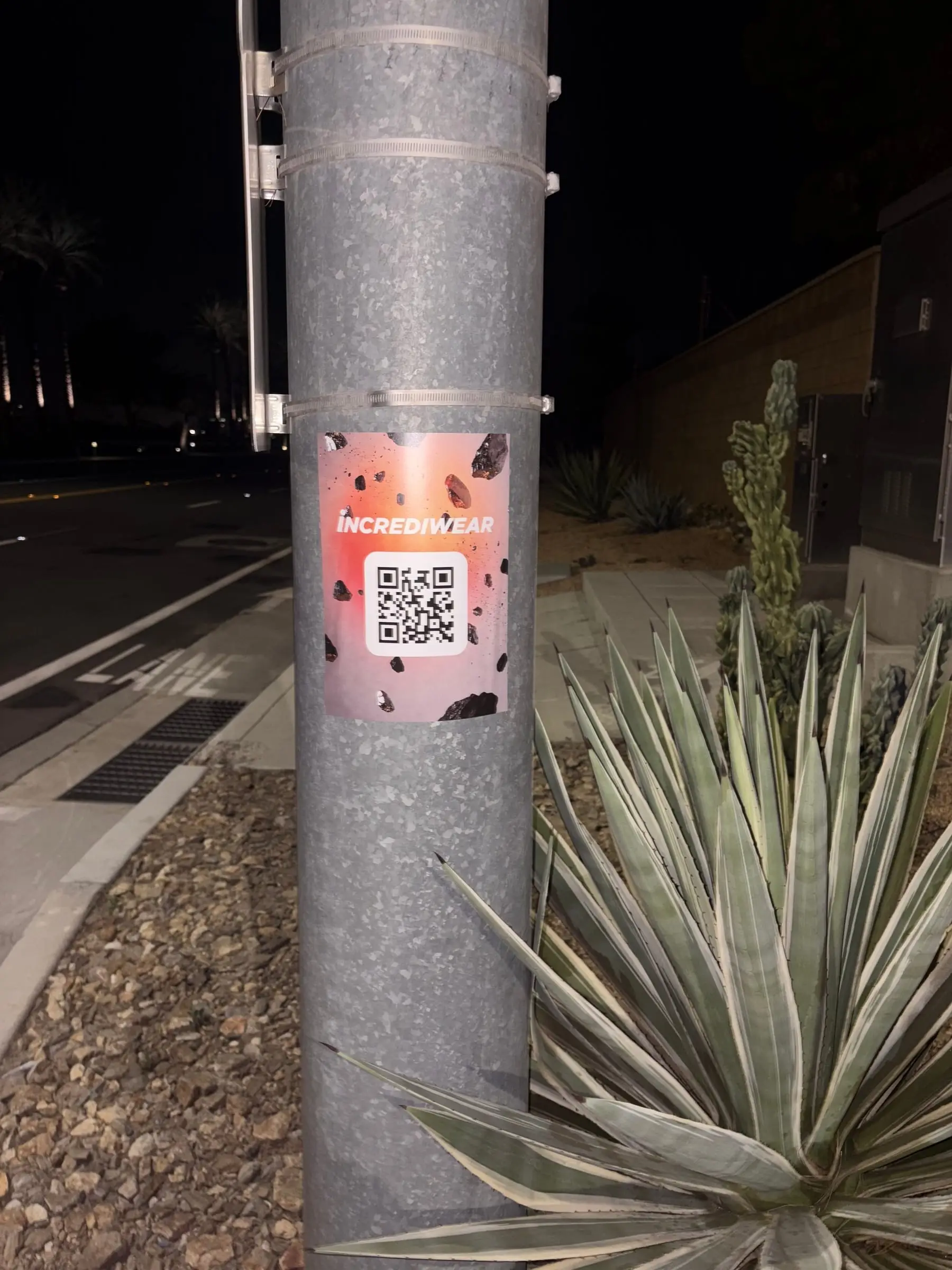
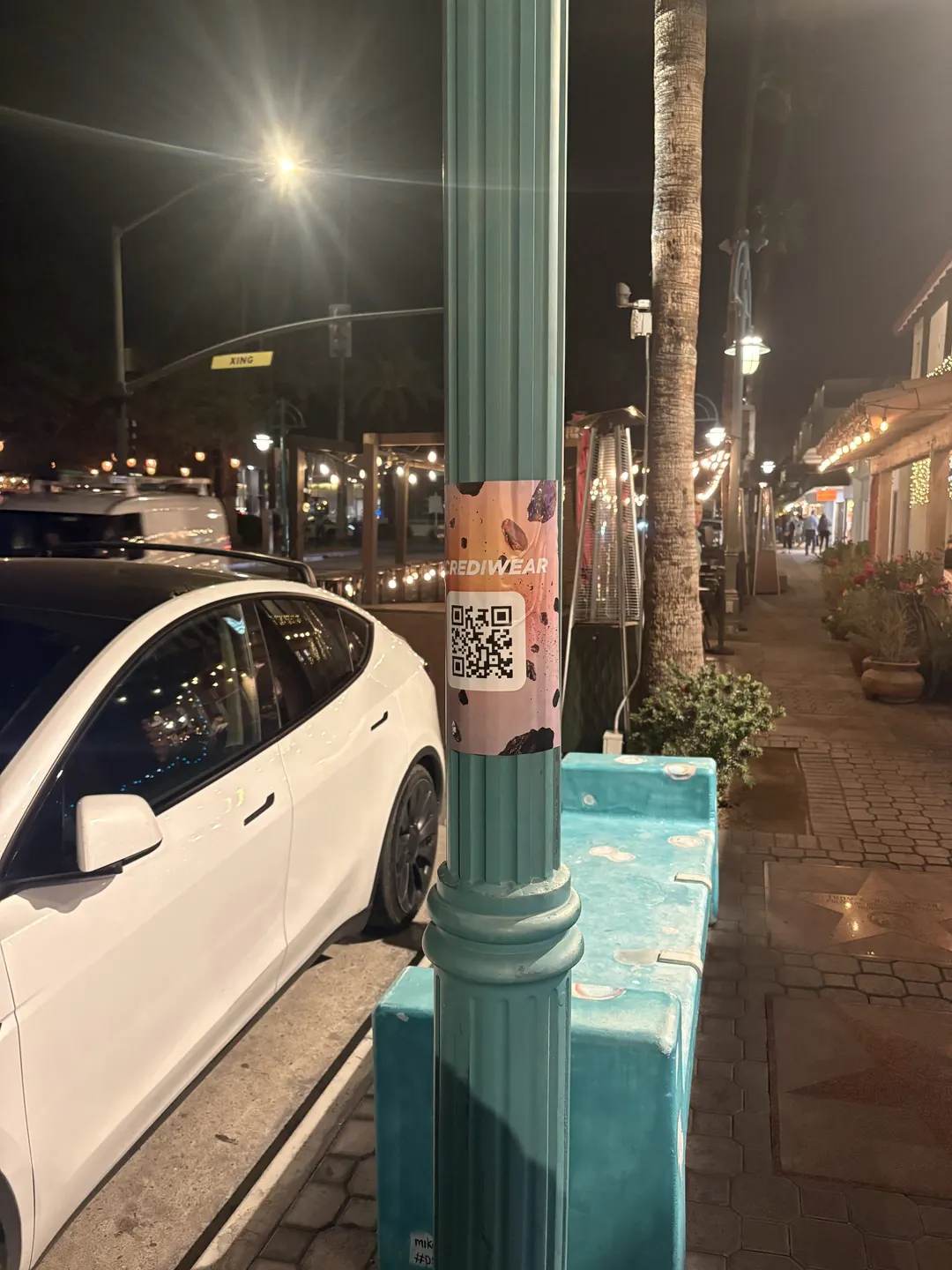
- Incrediwear. Orange County, CA. A pole-sticker campaign for the recovery-wear brand across Newport Beach and Huntington Beach, hitting the SoCal athletic and surf audience on the lamp-post corridors where they train and walk year-round. The campaign reached a fitness audience in its home market with the durability-and-recovery message at street level.
- FIFA World Cup 2026 Multi-City Campaign. Coordinated wheatpaste installations across multiple host cities with 14 city-specific poster variants, unified on the same install window. The campaign generated social media pickup and sports media coverage across all markets.
- Brooks Run Club Interior Activation. Photo-collage wall installation inside a run-club venue positioning Brooks as community partner, not sponsor. The work demonstrates brand integration into the actual athletic community.
- Yonex Badminton Pop-Up Sidewalk Stencil Campaign. Ground-level wayfinding stencils in SoHo driving foot traffic to a badminton equipment pop-up. The campaign integrated sports-specific messaging with venue navigation.
- Sweat FC Youth Soccer Recruitment Posters. Multi-location poster placement targeting youth soccer players and families in neighborhoods where the community is concentrated. The campaign supported live recruitment and team-building.
We Print the City Variants In-House
A multi-city league tour does not work on a third-party print queue. The FIFA World Cup run shipped 14 city-specific poster variants on one synchronized window because we print on our own presses. See poster printing.
In-house printing does two things a sports campaign cannot live without. Once the league signs off on the master template, every city variant prints from the same system with consistent color and crop, so the brand reads as national rather than sequential. And it makes the 48-to-72-hour game-day window possible, with no print queue standing between league approval and crews on the street. The same control feeds gym and fitness club installs, where season-long interior panels rotate on schedule rather than on a vendor’s lead time.
Measuring a Sports Campaign
Sports brands measure on press pickup and proof of presence, and the street campaign is built to produce both.
Photo proof lands same-day for sponsorship compliance. League sponsorships require evidence that sponsor messaging showed up in earned media within 24 hours of the event. A headline wheatpaste or mural in a high-foot-traffic corridor gets amplified by fans, local sports reporters, and team accounts, and the resulting photo asset is the press-cycle deliverable that validates the sponsorship line.
Install logs and GPS stamps document the contractual obligation. A pinned installation log with real-time photo proof confirms that street placement met the property’s proof-of-presence requirement, whether the contract counts street media as impressions, media placements, or a separate activation layer.
QR and event-routing read attribution at the corridor level. Wayfinding stencils and pole stickers carrying app-download or ticket QR codes tie street discovery to a measurable action. A youth-recruitment blitz reads signups against the install corridor, the way the Sweat FC run tracked tryout registrations to street-adjacent foot traffic.
Cities We Activate for Sports Brands
Sports and athletic brands concentrate their campaigns in fitness-cluster neighborhoods and sport-specific city hubs. These are the cities where run clubs gather, where game-day audiences live, where multi-city tours anchor, and where athletic apparel retailers drive sales.
- New York City. Williamsburg, Bushwick, East Village, SoHo (high jogger density, sports-fan concentration, run-club presence, fitness retail). Game-day campaigns for major sports events anchor in these neighborhoods.
- Los Angeles. West Hollywood, Venice, Silver Lake, Echo Park (year-round outdoor training, athletic apparel concentration, fitness-culture density, sports-celebrity proximity).
- San Francisco. Mission District, Hayes Valley, Marina (runner and cyclist concentration, fitness-club density, tech-sports scene, marathon-prep corridors).
- Seattle. Capitol Hill, Ballard, Fremont, SoDo (run-club culture, outdoor sports tradition, game-day traffic patterns, athletic-apparel retail concentration).
- Boston. Back Bay, Seaport, Cambridge (marathon prep hub, collegiate sports culture, race-event annual calendar, athletic-apparel market concentration).
- Miami. Wynwood, Brickell, Edgewater (fitness culture, sports-fan density, seasonal athletic events, outdoor year-round training).
- Chicago. Wicker Park, River North, West Loop (game-day infrastructure, fitness-corridor density, multi-sport urban culture, run-club presence).
- Atlanta. Old Fourth Ward, East Atlanta, Midtown (sports-franchise presence, growing fitness culture, event-hub infrastructure, street-culture alignment).
- Nashville. East Nashville, the Gulch, 12 South (game-day routes for the Titans and Predators, run-club density, fitness-studio cluster on the East side).
- Las Vegas. Arts District (18b), Downtown Container Park, Strip-adjacent corridors (combat-sports event traffic, marathon weekend, F1 race-week saturation, NFL game-day routes).
- Washington DC. Shaw, U Street, Navy Yard (Nationals + Capitals + Commanders foot traffic, run-club density on the Mall corridor, fitness-studio cluster around Logan and Dupont).
Sports & Athletic questions.
The 5 things sports & athletic brands ask before sending a brief. Same-day answers from the desk if yours isn't here.
Q · 01 Can we run street campaigns inside stadium-vicinity exclusion zones?
No. Venues and leagues control immediate stadium zones (typically 300-500 feet around the perimeter). Beyond Street Media campaigns run in the surrounding neighborhoods where the audience actually lives and trains. For a stadium in downtown LA, we activate in the Arts District and Boyle Heights rather than immediately adjacent to the venue. For Seattle stadiums, we focus on Capitol Hill, Ballard, and SoDo where the sports fan density is highest. This approach actually reaches the audience better. They walk home post-game through neighborhoods where we're already present.
Q · 02 What does a sports or athletic-brand campaign cost?
A single-city game-day or fitness-neighborhood blitz (wheatpaste plus pole stickers) runs $15,000 to $35,000 for the compressed event window. Run-club interior installations priced per venue run season-long. A multi-city league or tour across 4 to 6 markets with synchronized install lands at $90,000 to $250,000 depending on city count and format. Youth-recruitment and local pop-up wayfinding campaigns sit at the lower end. Final quote returns in 24 to 48 hours and varies by market count, league-approval complexity, and creative-variant volume.
Q · 03 How do you manage the compressed game-day timing window for sports events?
Game-day campaigns operate on a fixed-window schedule that syncs to event day, not campaign-day. We work backward from the event date to lock neighborhood selection, surface booking, and installation teams 2-3 weeks in advance. The actual install typically runs 36-48 hours before game day. Multi-city campaigns require simultaneous coordination. All markets install within a 24-hour window so the creative appears live across all venues on game day. We track this with a pinned installation log and real-time photo proof.
Q · 04 Which neighborhoods are best for athletic-apparel and sports brand activation?
Athletic audiences concentrate in fitness-cluster neighborhoods: NYC (Williamsburg, Bushwick, East Village. Morning jogger density 6am-9am), LA (West Hollywood, Venice, Silver Lake. Year-round outdoor training), SF (Mission, Hayes Valley, Marina. Runner and cyclist concentration), Seattle (Capitol Hill, Ballard, Fremont. Run clubs and outdoor culture), Boston (Back Bay, Seaport, Cambridge. Collegiate and marathon prep), Miami (Wynwood, Brickell. Fitness culture), and Chicago (Wicker Park, River North, West Loop). We map campaigns to the neighborhoods where the target audience trains and meets, not just where they live.
Q · 05 What compliance and league approval do we need for team or league campaigns?
League campaigns require trademark pre-approval (logos, team names, official marks) and event-specific authorization from the league or team sponsorship office. We handle the approval request on your behalf, provide clean artwork for review, and wait for sign-off before any production starts. Most leagues have a 5-7 day pre-approval window. For multi-city campaigns, approval is managed at the league level once, then all markets clear automatically. Stadium-vicinity placement is subject to local city permit requirements, which we handle in parallel.
We delivered.














Brand partners include: FIFA World Cup 2026, Palantir, Sézane, G-Shock, Mitchell & Ness, True Religion, Huda Beauty, Yonex, Relevance AI, Momentous, RYZE Coffee, Bloom Effects, Incrediwear, Brooklyn Museum, Sweat FC, HydroJug, Frameline, Alchemy, OneRepublic, Lone Fox, Vaura Pilates.
Got a sports & athletic launch?
Inquire now.
Send the Sports & Athletic brief: markets, window, creative direction. Vertical-specific quote back in 48 hours.