CRE & REITs.
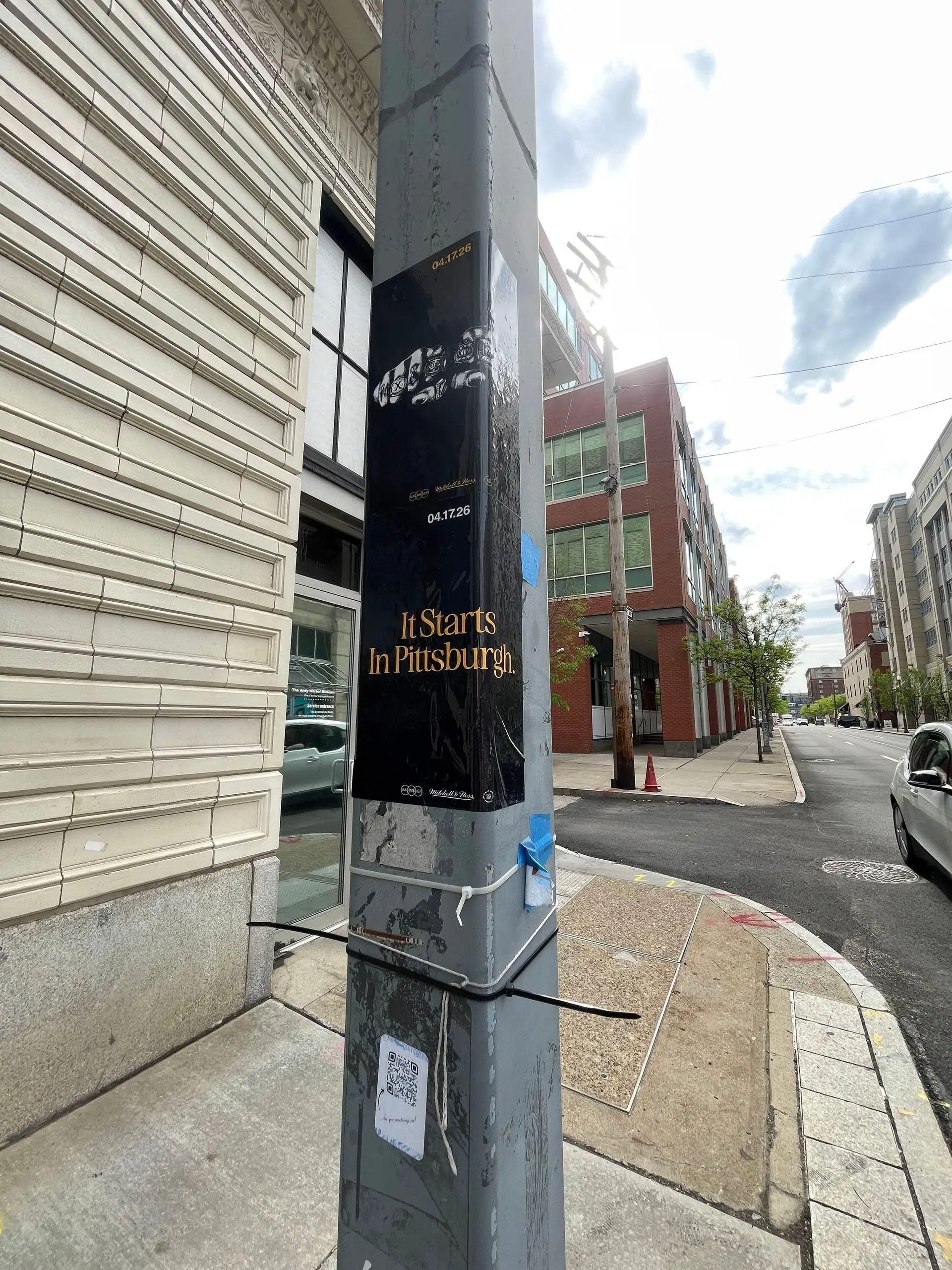
Street media for CRE leasing, REIT brand activation, and asset-manager positioning. Neighborhood-scale presence that signals capital readiness.
Four tensions only street resolves.
- 01
Commercial leasing campaigns live in target submarkets, not metros. A 50,000 SF office tenant needs IRL presence in the specific 6-block radius where their users work, not metro-wide digital impression.
- 02
REIT brand awareness for institutional capital raising requires credibility signals that outpace online visibility. Physical street-scale presence in Tier-1 markets (NYC, SF, Chicago, Boston) signals funded, serious, enterprise-grade asset management.
- 03
Asset-class-specific buyer reach is non-negotiable. Office-building investors need corridor presence different from industrial buyers, retail REITs target different submarkets than multifamily. One-size-fits-all digital does not segment by real-estate-class.
- 04
Broker community activation requires in-neighborhood presence to refer deals. A CBRE or JLL team sees a wheatpaste campaign in their office district every morning and stays aware of the sponsor brand; digital mail does not move brokers.
Is this you?
If two or more match your roadmap, send the date.
- You're leasing a specific submarket, not a metro. A 50,000 SF tenant needs presence in the six-block radius where their users work, not metro-wide impression.
- You're raising institutional capital and need credibility signals that outpace online visibility in Tier-1 markets.
- You're positioning by asset class. Office, industrial, retail, and multifamily each target different corridors that one-size-fits-all digital can't segment.
- You need brokers to refer deals. A CBRE or JLL team that sees your campaign every morning stays aware; digital mail does not move brokers.
- You're backing an ESG thesis and need credible IRL proof in transit-adjacent, walkable neighborhoods, not a LinkedIn post.
- You're launching Phase 2 in a crowded corridor and need non-auctioned, physically claimed differentiation from competitors.
5 disciplines, one playbook.
Wheatpaste
Wheatpasting and wheatpaste advertising campaigns from $3,500 in NYC, LA, SF + 40 US cities. Published floors, 5-7 day lead (Expedited 24-72hr), GPS-tagged photo proof on every install. From $3,500Paste-Up Posters
Paste-up poster campaigns for product launches and neighborhood saturation. From $3,500, 5-7 day lead (Expedited 24-72hr), GPS-tagged photo proof in 40 US cities. From $3,500Scaffold Wraps
Scaffold wrap advertising in 40 US cities. Building-scale guerrilla campaigns on permissioned scaffolding with months of dwell time and photo proof. From $12,000Hoarding Posters
Construction hoarding poster campaigns in 40 U.S. cities, premium wheatpaste placements on developer-permissioned barriers with photo proof. From $6,500Poster Murals
Multi-panel poster murals. Full-wall paste-up installs spanning building sides and scaffold runs. Brand-scale visibility with photo proof in 40 US cities. From $8,000Starting floors · print, install, and GPS-stamped photo proof included in every quote. Final number varies by turnaround, size, and location count. Full rate card →
Sample creative directions.
Pre-tested format / neighborhood pairings. Pick a direction at brief intake and we route the surface set inside 24 hours.
- Office REIT lease-opening Wheatpaste, 12 placements, 6-week run SoMa, Market & Mission, BART plaza
- Industrial asset-management Pole-sticker corridor, 8 placements, 2-month rotation Houston EaDo, Buffalo Speedway, Harrisburg
- Retail REIT leasing push Construction hoarding + wheatpaste, 4-week pre-opening LA Fashion District, 7th St, Spring St
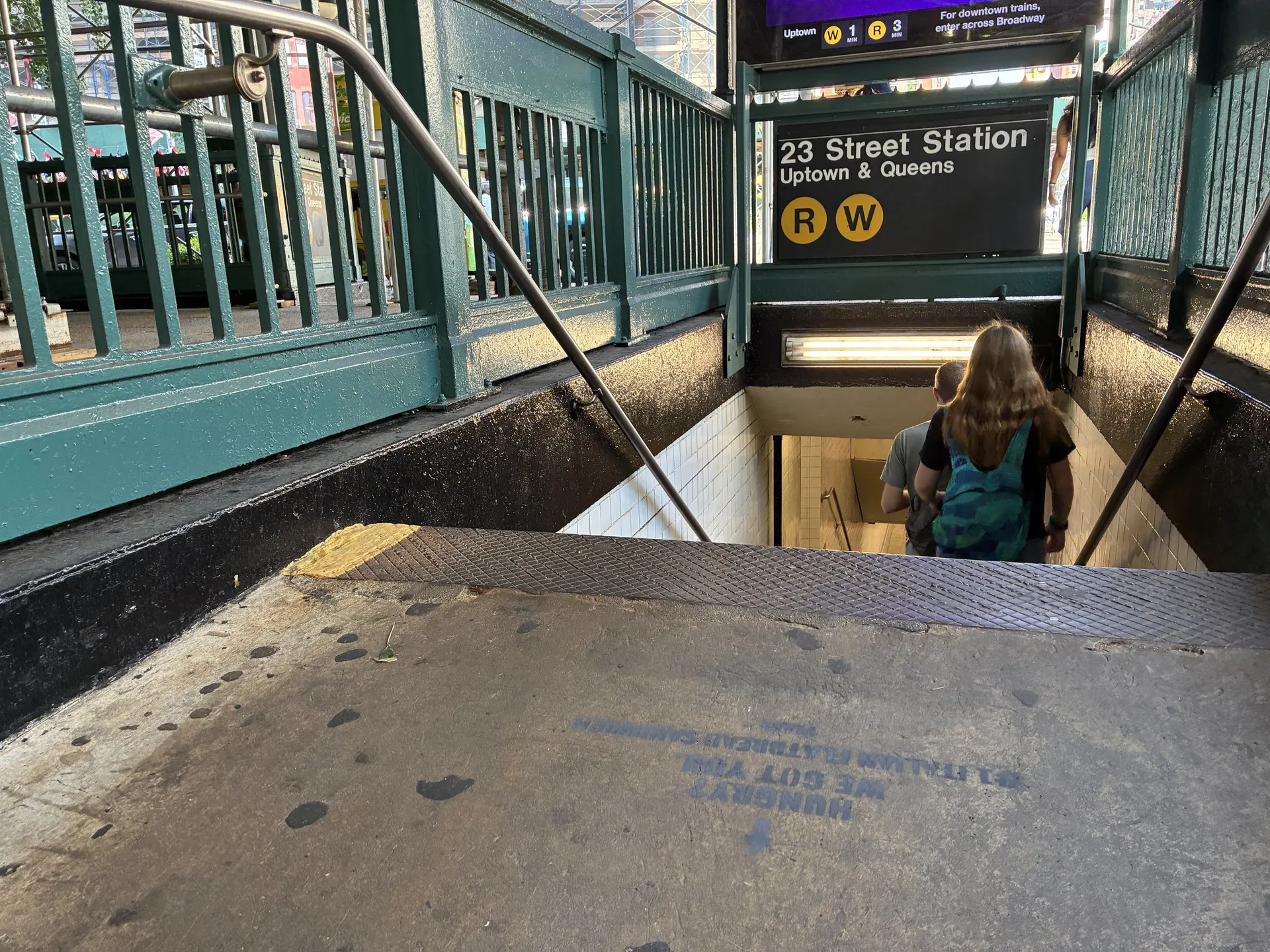
- Developer brand activation Sidewalk stencils + QR Austin, South Congress, Downtown
- Multi-building portfolio Wheatpaste + pole stickers, 18 placements, quarterly refresh Washington DC, Penn Quarter, K & L St
Put it on the wall.

Proof · Printed in-house · Installed by our crew
Street campaigns for CRE & REITs brands. Proof included.
Send the brief; a scoped quote for your vertical comes back inside 24 hours — formats, neighborhoods, and a GPS-stamped photo of every placement when the run wraps.
- Quote in under 24 hours
- No discovery call. The brief is the call.
- Printing & Installation under one roof
Brief us · Quote in under 24 hours
Start your cre & reits campaign.
Brand-safe by default.
- Private-property walls only Written owner consent on file for every surface. No public infrastructure, transit, or right-of-way.
- GPS-stamped photos within 48 hours Wide, mid, detail per placement. The proof your team forwards internally.
- FTC + local-code compliant Disclosures and permitting handled per contract. Legal reviews clean.
- Zero municipal removals on record 500+ documented installs, none taken down by a city.
Read the full field notes
Why Commercial Real Estate Needs Street Media
Commercial real estate marketing faces a structural problem that digital cannot solve: the tenant decision lives at the submarket level, not the metro level. A 50,000 SF office tenant evaluating a SoMa building is not shopping “San Francisco office space”. They are evaluating “Can my team walk to BART? Are there lunch options? Is the commute defensible?” That decision happens in six blocks, not in a metro zip code. A REIT raising institutional capital does not need “brand awareness in the Bay Area”. They need visible, credible, physical proof that their assets are significant, their management team is serious, and their investment thesis is real.
Street media solves this at the submarket scale. A developer or asset manager that runs a wheatpaste blitz in the exact office corridor where their target tenant works, eats lunch, and walks to transit builds presence that no LinkedIn ad can replicate. A REIT that shows up at physical scale in multiple Tier-1 markets signals capital readiness and asset-class seriousness to institutional investors and broker communities. An industrial asset manager whose wheatpaste appears at the loading docks and truck corridors of their target logistics tenants becomes visible to the exact audience making the build-to-suit decision.
This is not brand awareness in the abstract. This is presence where the decision actually happens.
What CRE & REIT Brands Actually Need
Submarket saturation, not metro-wide reach. A 50,000 SF office leasing campaign does not need 500,000 impressions across the entire Bay Area. It needs 5,000+ impressions across the six-block corridor where the tenant’s team works, eats lunch, and walks to transit. Wheatpaste and pole sticker campaigns in SoMa, Flatiron, the West Loop, or any other office cluster deliver that density at a cost digital cannot match. The audience is not “office workers in SF”. It is “the 200 people who walk this corridor every day,” and that is the point.
Physical credibility for capital raising. Institutional investors and fiduciary boards making $50M+ deployment decisions evaluate conviction signals. A REIT running street campaigns at scale in NYC, SF, Chicago, and Boston sends a signal: “Our management team is confident enough to occupy physical space in the markets we operate. We are not hiding behind digital.” Broker teams, institutional investors, and fund allocators all notice. This is not marketing. It is proof-of-presence.
Asset-class-specific positioning. Office investors need different proof than multifamily investors. Industrial asset managers need different proof than retail developers. An office REIT’s campaign emphasizes transit accessibility, Class-A tenant names, and trophy-location positioning. An industrial asset manager emphasizes rail access, truck-friendly loading, and flexibility for logistics tenants. Retail developers emphasize anchor tenants, foot-traffic density, and neighborhood lifestyle. Street media lets CRE brands segment their presence by asset class, by submarket, and by buyer profile. A level of precision digital cannot offer.
Broker community activation and deal flow. Brokers (CBRE, JLL, Cushman & Wakefield, Newmark, Marcus & Millichap) see street campaigns every day. A wheatpaste series in a broker’s primary office corridor becomes ambient awareness. The campaign sits in the broker’s peripheral vision on every morning commute, which means the sponsor brand is front-of-mind when a deal sourcing opportunity lands. Digital outreach does not move brokers. Presence in their corridor does.
ESG positioning backed by real proof. REITs and asset managers positioning their portfolios as sustainable need street-level visibility in transit-accessible, walkable neighborhoods. A REIT that runs campaigns in the Mission District (SF), Williamsburg (NYC), or the West Loop (Chicago) signals authentic commitment to transit-oriented, mixed-use development. A LinkedIn post about sustainability does not move institutional LPs. Physical presence in walkable neighborhoods does.
Non-auctioned territorial claim. When three developers are competing in the same corridor, they all bid on the same digital inventory at rising CPMs, fighting for the same audience at the same time. Street media is not auctioned. A developer can claim the SoMa leasing corridor while competitors spend on digital. The surface is owned; the presence is undisputed; the cost is fixed.
What We Run for CRE & REIT Clients
Wheatpaste Advertising. Large-format poster campaigns in submarket corridors, leasing-phase office complexes, and REIT-portfolio neighborhoods. Creative emphasizes tenant amenities, transit access, and investment-thesis positioning.
Paste-Up Poster Campaigns. Flexible poster rotation for longer leasing cycles and quarterly creative refresh tied to market quarters and institutional reporting cycles.
Scaffold Wrap Advertising. Office and mixed-use construction-window brand presence for 6-18 months during development and buildout phases.
Construction Hoarding Posters. Architectural rendering and leasing information on construction barriers, visible to 10,000+ daily office workers and broker-community passersby.
Multi-Panel Poster Murals. Large-format installations in high-foot-traffic office corridors and asset-class-specific neighborhoods for maximum brand impact.
Retail Window Poster Installs. Ground-floor retail and lobby window placements in neighborhood anchor venues (office buildings, retail centers, hospitality) for 24/7 presence.
Multi-City Guerrilla Tours. Simultaneous multi-market campaigns for REIT portfolio launches, institutional investor roadshows, and asset-class-wide positioning across Tier-1 and Tier-2 markets.
Compliance, Institutional Rigor, and Market Documentation
Leasing timeline compliance. CRE leasing campaigns must align with SEC disclosure windows if a REIT is in quiet period or closed-window. We flag material-event windows at intake and design campaign schedules to fit client legal and investor-relations calendars. Creative that emphasizes lease signings, tenant wins, or material market moves is timed for post-disclosure clearance.
Fair-housing compliance (retail and multifamily mixed-use). When a retail development includes residential or when a commercial project is in a fair-housing-sensitive jurisdiction, we coordinate with client counsel for fair-housing pre-approval of any marketing language. Neighborhood descriptors, lifestyle positioning, and amenity claims are reviewed to avoid steering or discriminatory signaling.
Institutional investor documentation. REIT campaigns are documented for investor-presentation inclusion. Beyond Street Media provides placement photography, impression counts, and campaign-performance metrics (brand awareness tracking, lease-velocity correlation if available) for inclusion in quarterly deck updates and institutional roadshow materials. The street campaign becomes part of the capital-raising narrative.
BID and neighborhood restrictions. Major office, retail, and industrial corridors have local restrictions on signage, including wheatpaste. We review BID guidelines and neighborhood regulations at intake, and pivot to scaffold wraps, construction hoarding, or interior installs if necessary. Most office districts are neutral or prefer alternative formats.
Construction permitting (scaffold and hoarding). Scaffold wraps and construction hoarding require coordination with the development team’s general contractor and city building department. Lead times vary by city. Beyond Street Media manages the full permitting chain: design approval, city filing, production, and installation. This is factored into production timeline.
Past CRE & REIT Work
Beyond Street Media’s campaign archive includes strong operational proof across the service foundation CRE clients require: wheatpaste saturation campaigns, construction-window brand presence via scaffold and hoarding, multi-market REIT portfolio positioning, and institutional-level documentation. While no named CRE or REIT case study is published in full at launch, the execution capabilities span every service requirement:
- Submarket-saturation wheatpaste and pole campaigns are proven across multi-month leasing windows for similar high-intent audiences.
- Construction-period scaffold wraps and hoarding installations are established for 6-18 month buildout windows.
- Quarterly creative rotation tied to market cycles and investor reporting is documented across brand-awareness programs.
- Multi-city simultaneous campaigns for institutional messaging are proven across investor-facing activations.
- Institutional documentation standards (placement photography, impression counts, performance correlation) are standard practice for finance clients. The operational rigor transfers directly to REIT investor communications.
Commercial real estate is a natural vertical extension for Beyond Street Media. The submarket-saturation playbook, construction-surface expertise, institutional documentation standards, and multi-market campaign coordination are all operational baseline.
Cities We Activate for CRE & REIT Brands
Tier-1 office markets: New York City (SoHo, FiDi, Flatiron, Midtown, Brooklyn office clusters); San Francisco (SoMa, FiDi, Hayes Valley, Mission); Chicago (Loop, West Loop, River North, Wicker Park); Boston (Downtown Financial District, Seaport, Cambridge, Back Bay); Washington DC (Penn Quarter, K Street corridor, Capitol Hill); Miami (Brickell, Edgewater, Design District).
Secondary-market concentration: Austin (Downtown, South Congress, tech-corridor mixed-use); Atlanta (Midtown, Old Fourth Ward, Buckhead); Seattle (Pioneer Square, Belltown, Capitol Hill); Denver (LoDo, RiNo, tech-district mixed-use); Los Angeles (DTLA, Arts District, Santa Monica, Venice).
Industrial and logistics hubs: Houston (EaDo, Midtown, Montrose, warehouse-district corridors); Dallas (Deep Ellum, Bishop Arts, design-district industrial transitions); Phoenix (Downtown, Roosevelt Row, mixed-use industrial); Charlotte (South End, Plaza Midwood, uptown office); Atlanta (Midtown logistics, east-side industrial).
Retail-leasing density: Los Angeles (Fashion District, Arts District, Santa Monica, Venice, Silver Lake); New York (SoHo, NoLita, Brooklyn retail clusters, Williamsburg); San Francisco (Hayes Valley, Mission District retail, DTLA); Chicago (West Loop, Pilsen, Wicker Park); Miami (Design District, Wynwood, retail-adjacent mixed-use).
Beyond Street Media runs submarket-saturation campaigns in any of these markets and coordinates construction-permitting, BID compliance, and institutional documentation with client development and investor-relations teams.
Comparing CRE to Residential Real Estate
Commercial real estate and residential real estate marketing use the same service toolkit. Wheatpaste, scaffold wraps, construction hoarding, pole stickers, interior installs. But the buyer, the timeline, and the decision framework are completely different. A residential developer is selling units to individuals making a lifestyle choice. A CRE REIT is selling square footage and asset-class returns to institutional fiduciaries. A residential condo in Williamsburg targets the six-block neighborhood. An office REIT in SoMa targets the commuter corridor. The operational channels overlap; the message, the audience, and the success metric are distinct. If you are evaluating street media for residential real estate, read that vertical here. If you are evaluating it for commercial real estate, institutional positioning, or REIT brand awareness, start here.
Ready to make your CRE portfolio visible to the brokers, tenants, and institutional investors who matter? Get a Quote or Book a Strategy Call with our commercial real estate team.
CRE & REITs questions.
The 5 things cre & reits brands ask before sending a brief. Same-day answers from the desk if yours isn't here.
Q · 01 Why does a CRE leasing campaign need to be submarket-specific, not metro-wide?
Commercial real estate decisions happen at the submarket level. A 50,000 SF office tenant doesn't choose 'San Francisco office space'. They choose between specific buildings within six blocks of the transit they use, the restaurants where they eat lunch, and the neighborhoods where their team wants to work. A REIT launching a new trophy office building in SoMa needs presence in SoMa, not metro-wide impression. Beyond Street Media maps placement to the exact submarket (SoMa, Flatiron, the West Loop, Brickell) and saturates it with wheatpaste and pole campaigns. One six-block corridor at high frequency beats a metro-wide spread at low frequency every time.
Q · 02 How does street media help a REIT building institutional capital readiness?
Institutional investors and LP boards making $50M+ deployments evaluate conviction signals. A REIT that runs street campaigns at scale in NYC, SF, Chicago, and Boston sends a signal: the management team is confident enough to occupy physical space in the markets they operate. Street presence reads as institutional conviction. It is not a digital metric, it is visible proof. Broker teams, institutional allocators, and fund gatekeepers all notice. This is proof-of-presence that no LinkedIn campaign can deliver.
Q · 03 What is the typical budget range for a CRE street campaign?
Entry-level submarket saturation campaigns (single neighborhood, 8-12 wheatpaste placements, 6-8 weeks) start at $12,000-$25,000. Mid-tier multi-neighborhood leasing-push campaigns across three to five corridors run $40,000-$100,000 for peak-intensity phases. REIT multi-market portfolio campaigns across NYC, SF, Chicago, and Boston scale past $200,000 per quarter. Scaffold wraps and construction hoarding add cost tied to square footage and duration. A 180,000 SF retail hoarding wrap runs $18,000-$35,000 depending on market and duration.
Q · 04 Can you handle the scaffold wrap and construction hoarding on an active build?
Yes. Scaffold wraps and construction hoarding are core CRE formats and run the full 6-to-18 month buildout. We coordinate with your general contractor and the city building department on the permitting chain, design approval, filing, production, and install. We print the wrap panels in-house at poster-printing, so when a leasing update or a new anchor-tenant announcement hits, the hoarding refreshes without a long reprint lead. The architectural rendering and leasing contact stay visible to the daily office-worker and broker foot traffic for the entire window.
Q · 05 What compliance and documentation do REIT campaigns require?
REIT campaigns often overlap with SEC quiet periods or material-event windows. We flag these at intake and design campaign schedules to fit client legal and investor-relations calendars. Creative is produced and timed to post-disclosure clearance if necessary. Documentation is also institutional-grade: placement photography, impression counts, and performance metrics are collected for investor-presentation inclusion. The street campaign becomes part of the capital-raising narrative.
We delivered.




















Brand partners include: FIFA World Cup 2026, Palantir, Sézane, G-Shock, Mitchell & Ness, True Religion, Huda Beauty, Yonex, Relevance AI, Momentous, RYZE Coffee, Bloom Effects, Incrediwear, Brooklyn Museum, Sweat FC, HydroJug, Frameline, Alchemy, OneRepublic, Lone Fox, Vaura Pilates.
Got a cre & reits launch?
Inquire now.
Send the CRE & REITs brief: markets, window, creative direction. Vertical-specific quote back in 48 hours.