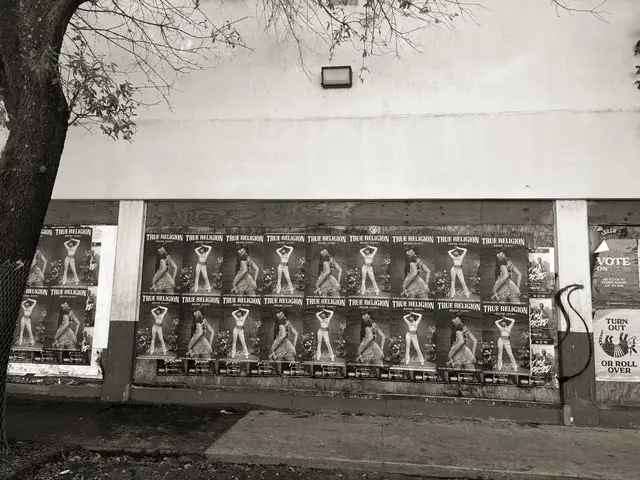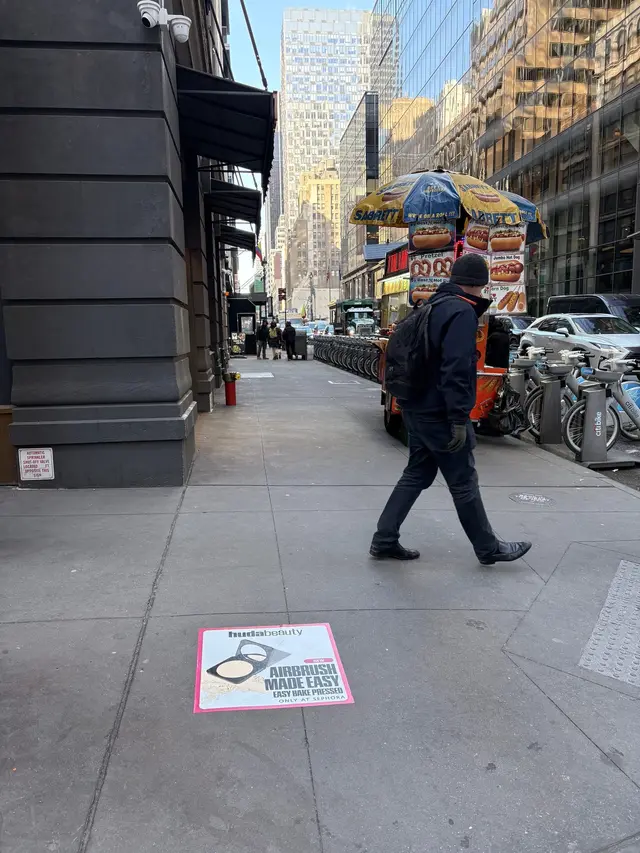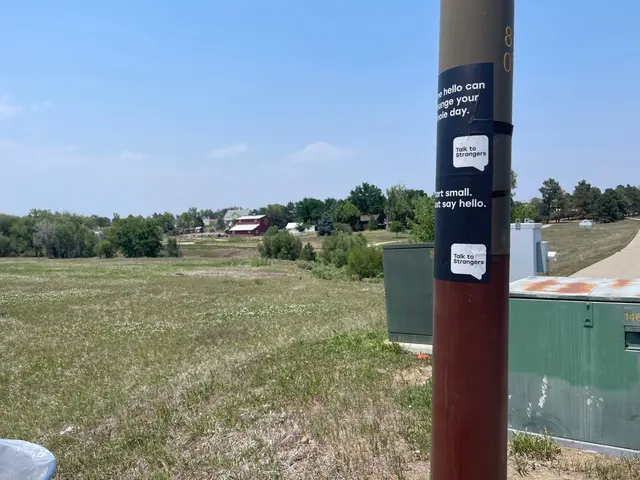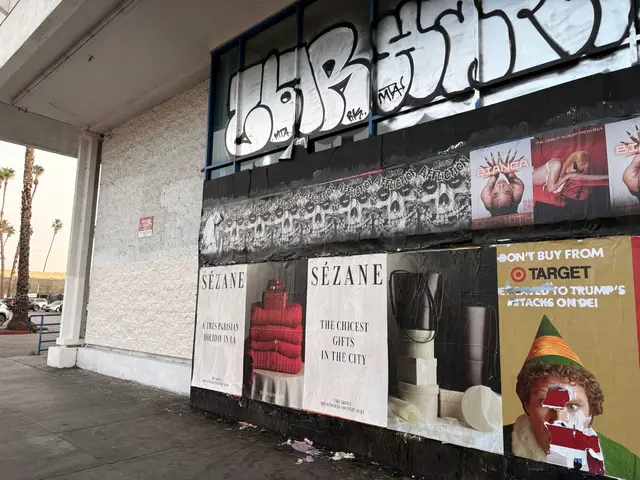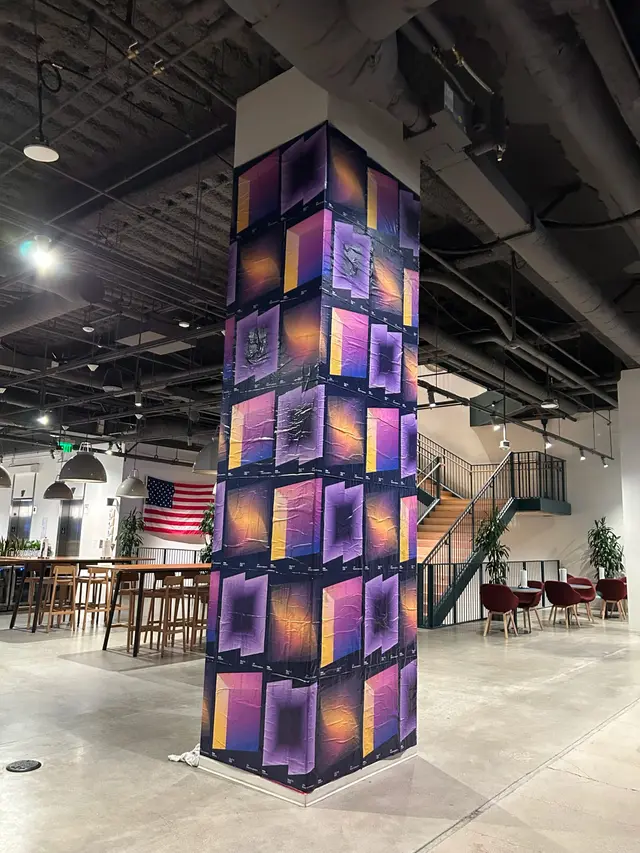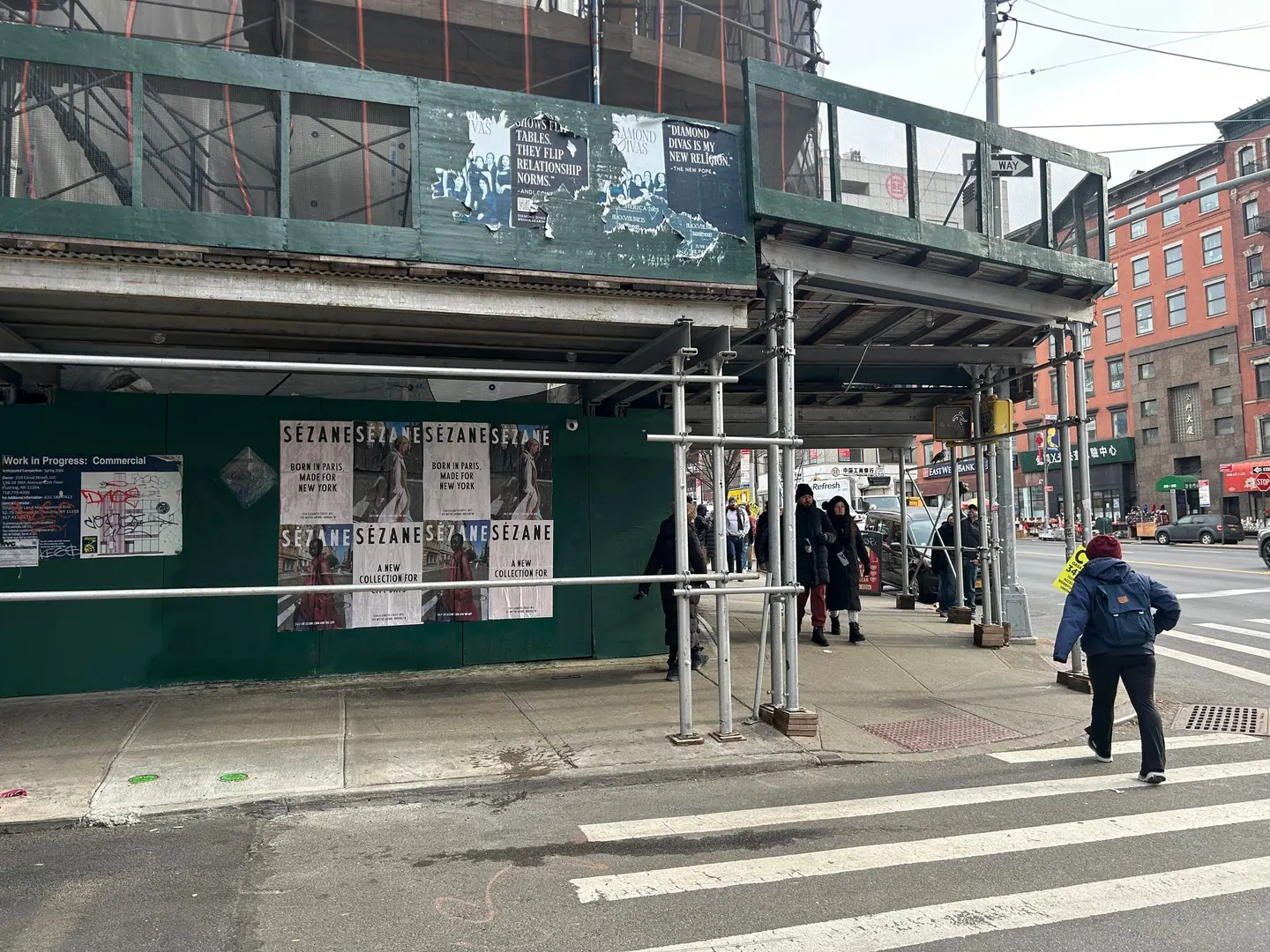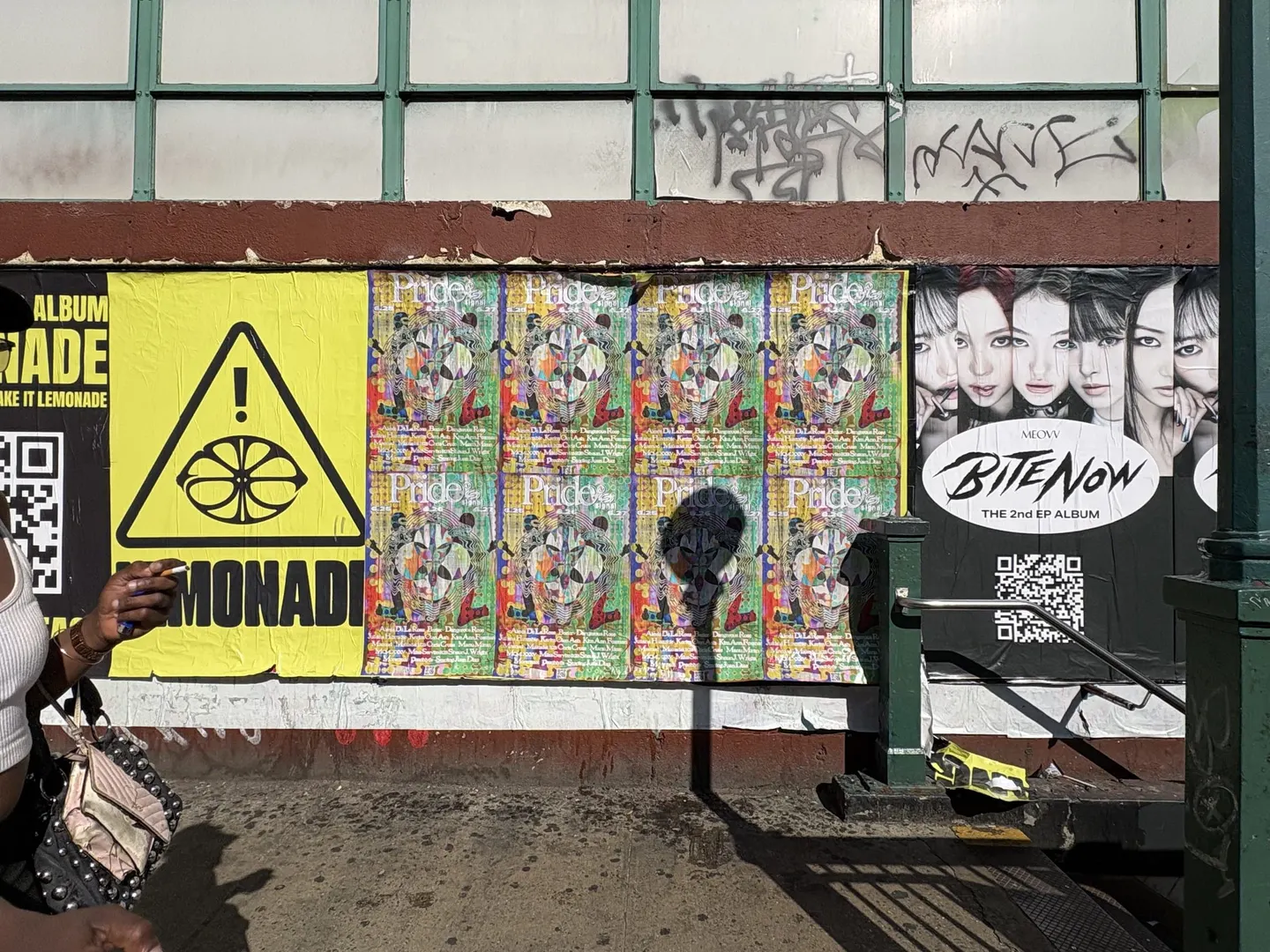




















Guerrilla street marketing in Chicago.
Wheatpaste, murals, stencils, and pole-stickers across Chicago, from Wicker Park, Logan Square, Pilsen. Permitted walls, hand-installed, GPS-stamped photo proof.

- 6Neighborhoods on route
- 7–10dBrief to first install
- 100%GPS photo-proofed
- 0Municipal removals on record
Six formats. One field log.
Brands launching in Chicago use BSM's same-week dispatch and photo proof to convert street media into earned coverage. Format-mix typically skews wheatpaste plus scaffold in this market. The rest run on demand.
Three reasons brands book us here.
What a Chicago brief gets from an operator crew that a print-and-handoff shop can't match. Permit-clean, documented, on the ground.
The grid carries more wall per dollar
Wicker Park and Logan Square run 8 to 12 high-visibility walls per block. The Milwaukee Avenue corridor stretches across both and pulls the densest paste-up audience in the Midwest. Pilsen adds raw-brick integration. West Loop adds corporate-adjacent creative reach. Coastal Tier-1 inventory depth at meaningfully lower per-placement cost.
Pilsen is a working gallery, not a posting zone
Fifteen blocks of organized mural culture along 18th Street. Paste-up here reads as part of the visual register when crews coordinate with the artist community. Work that respects existing murals earns long-term wall access. Operators who treat Pilsen as inventory get noticed for the wrong reasons inside a week.
Lake-effect winter is the operational variable
December through February drops wall-surface temps below standard paste thresholds. Our crews schedule winter installs around mid-day thaw windows, run weather-rated formulations, and confirm surface temps before applying. Wraps run longer in winter because low UV preserves paste integrity.
6 core neighborhoods.
The corners BSM scouts weekly in Chicago, the surfaces operators know by hand. Brief specifies the audience. We route to the corridor where the audience already walks.
- 01Wicker ParkMilwaukee Ave corridorStorefront shutters · painted commercialT1
- 02Logan SquareCalifornia-Kedzie corridorBoulevard brick · paintedT1
- 03Pilsen18th StreetRaw brick · mural-adjacentT1
- 04West LoopFulton Market DistrictConstruction hoarding · retailT1
- 05River NorthDowntown gallery corridorsCommercial wallsT1
- 06BucktownNorth of Wicker ParkResidential-commercial frontageT1
Surfaces, and the rules.
6 neighborhoods scouted weekly. 40+ wheatpaste walls, 12+ BID-permitted scaffold corners, 8+ mural-ready sites, 20+ interior partners: brick, concrete, hoarding, storefront. Every surface runs on a BID permit, private-property owner agreement in writing, or permitted construction hoarding through the GC. The paperwork ships with the photo bundle.
Chicago allows wheatpaste on private property with owner permission. The municipal code (Article XIII, §13-20-500) and the zoning code (§17-12-1000) regulate sign placement and bar unauthorized posting on public right-of-way, but private wall inventory is substantial. Code Enforcement response averages 45 to 60 days for graffiti-coded complaints, one of the longer clean windows of any Tier-1. Wicker Park and Logan Square run the highest-velocity street walls. Pilsen carries the mural-integration zone. West Loop serves design and creative briefs. We never touch public infrastructure (poles, CTA transit, right-of-way).
What this means for the buyer: the wall stays up for the contracted window, the photo proof is legally clean, and the brand carries zero downstream risk on takedown or municipal complaint.
Working with us in Chicago means the photo bundle ships with the permit paperwork. Zero takedowns by city action across BSM history. If a wall is targeted by override paste from another crew, we refresh it on the next paste night.
Brief to documented, four moves.
Every Chicago campaign runs the same operator sequence. One crew owns it end to end: print, paste, and proof. No print-shop handoff to a freelance installer.
Brief & route
You send the brand, dates, and audience. We map the Chicago corridors where that buyer actually walks and price off the published floor.
Scout & secure
Crews scout walls on foot, then lock every surface in writing: owner agreement, BID-cleared scaffold, or permitted hoarding. The paper trail ships with the photos.
Install at dawn
Crews paste from 6am with climate-rated formula, moving neighborhood to neighborhood. Tier-1 dispatch means same-week turnarounds on print-ready creative.
Document
Every wall shot wide, mid, and detail, GPS-stamped on install day. The wrap deck lands within five business days with the full proof set.
The Chicago playbook.
Operator-grade detail on how BSM books, scouts, and ships campaigns in Chicago. The long view buyers ask for before signing the PO.
Chicago's grid means more wall per square mile than any other Tier-1 in the country, roughly 8 to 12 high-visibility walls per block along Milwaukee Avenue, plus fifteen blocks of organized mural culture in Pilsen along 18th Street. The audience reads the street at a different register than New York or LA. Chicago rewards stability over velocity: crews that stay embedded and respect Pilsen's artist community earn repeat wall access campaign after campaign.
Music festivals reshape the city: Lollapalooza (late July/early August), Pitchfork (mid-July), Riot Fest (mid-September). Sports run Bears, Bulls, Blackhawks, Cubs, White Sox; the Chicago International Film Festival lands in October; conventions include NRF, the Auto Show, and IMTS. Lake-effect winter (December through February) drops wall-surface temps below paste thresholds, so crews schedule mid-day thaw windows and run weather-rated formula. Plan winter pushes with a 3 to 5 day buffer. Wraps run longer in winter because low UV preserves paste integrity.
What lands when the wrap ships.
Within five business days of the final Chicago install, the wrap deck reads as a complete record of the run. Receipts, not a recap.
- Image galleryEvery wall photographed twice: at install and at the 48-hour cure-confirmation mark.
- GPS install logLatitude, longitude, address, neighborhood, and surface type for every placement.
- Foot-traffic estimatePer-neighborhood reach modeled from Chicago pedestrian and transit data.
- Permit + consent paperworkThe owner agreement, BID clearance, or hoarding permit behind every surface.
- Earned social pickupAny culture-media or social posts referencing the campaign in the first 14 days.
- Removal documentationRestoration photos confirming a clean takedown when the campaign concludes.
Cross the city line.
Chicago briefs regularly extend into the rest of Illinois. Same operator contract, same field log, different ZIP code. Pick a sibling market and we route the brief in 48 hours.
What the brief actually costs.
BSM publishes per-discipline floors. No RFP gatekeeping. Every Chicago brief starts from the same published rate card. Permits + scaffold pass through at cost. No agency markup.
Wheatpaste posters
Walls, scaffolds, hoardings · 5–7d leadFrom $3,500Sidewalk stencils
Permitted corners · biodegradable medium · 14–21d weather windowFrom $2,500Snipes + stickers
Poles, utility boxes, news boxes · corridor saturationFrom $3,000Expedited
24–72h brief-to-install on any format above · Chicago crews on standby+80–150%+Ranges vary by turnaround, size, location count, and service mix. Murals $18k–$65k+. Final quote in 24–48h.
Buyer questions.
What Chicago brand managers ask on intake calls. Permit reality, lead time, minimums, photo proof. If your question isn't here, brief us directly.
Q · 01 Is wheatpasting legal in Chicago?
Yes, with written owner consent on private property. Chicago Municipal Code Article XIII (Signs, Billboards & Related Structures, §13-20-500 et seq.) and the zoning code (§17-12-1000) regulate sign placement and prohibit posting on public right-of-way. Our installs run exclusively on commercial walls, construction hoarding, and storefront partners with documented agreements. Wicker Park, Logan Square, and Pilsen have the heaviest inventory.
Q · 02 How much does a Chicago wheatpaste campaign cost?
Wheatpaste in Chicago starts at $3,500 per campaign, print and install included. Multi-neighborhood programs across Wicker Park, Logan Square, Pilsen, West Loop, River North, and Bucktown price up from the published floor. The final number depends on turnaround, size, location count, and combined service mix, and it tracks print volume and crew days, not the brand on the poster. Final quote returns in 24-48 hours.
Q · 03 Which Chicago neighborhoods get the heaviest paste-up coverage?
Wicker Park and Logan Square run high-velocity street walls with design-aware audiences. Pilsen integrates with mural culture. West Loop serves creative agencies and corporate clients. River North handles downtown placement. Bucktown extends north for residential reach. Wrigleyville covers game-day. Andersonville pulls neighborhood retail along Clark Street.
Q · 04 How long does it take to launch a Chicago campaign?
Seven to ten days from creative lock to first install. Tier-1 pace, but property coordination takes 3 to 5 days. Installation runs fast once access is secured. Most campaigns go live in a single weekend across multiple neighborhoods. Winter campaigns absorb a 3 to 5 day weather buffer.
Q · 05 What surfaces work in Chicago?
Wicker Park and Logan Square favor painted commercial walls and storefront shutters. Pilsen runs on raw brick and integrated mural partnerships. West Loop offers construction hoarding and retail-corridor walls. River North serves corporate briefs with clean controlled surfaces. Pole inventory along Milwaukee, Damen, and 18th Street supports sticker and street-pole takeover work.
Q · 06 What proof do I get after a Chicago campaign wraps?
GPS-stamped photo proof inside 48 hours of install. Daily logs while the campaign is live. The wrap deck includes the full gallery, neighborhood breakdown, foot-traffic analysis per corridor, and adjacent mural context. Pilsen installs include community-partnership notes documenting artist coordination.
Got a corner in Chicago?
We've got the paste.
Tell us the neighborhood, the dates, and the brand. Chicago-mapped install plan back in 24–48 hours.