Wheatpaste poster advertising in Portland.
Hand-installed wheatpaste posters across Alberta, Mississippi, Hawthorne, the Pearl District, and North Williams. Per-wall pricing, GPS photo proof on every install.
From $3,500, printing and installation both included. 7-14 days from brief to first wall.
500+ documented installs · a GPS photo of every wall · printed and installed in-house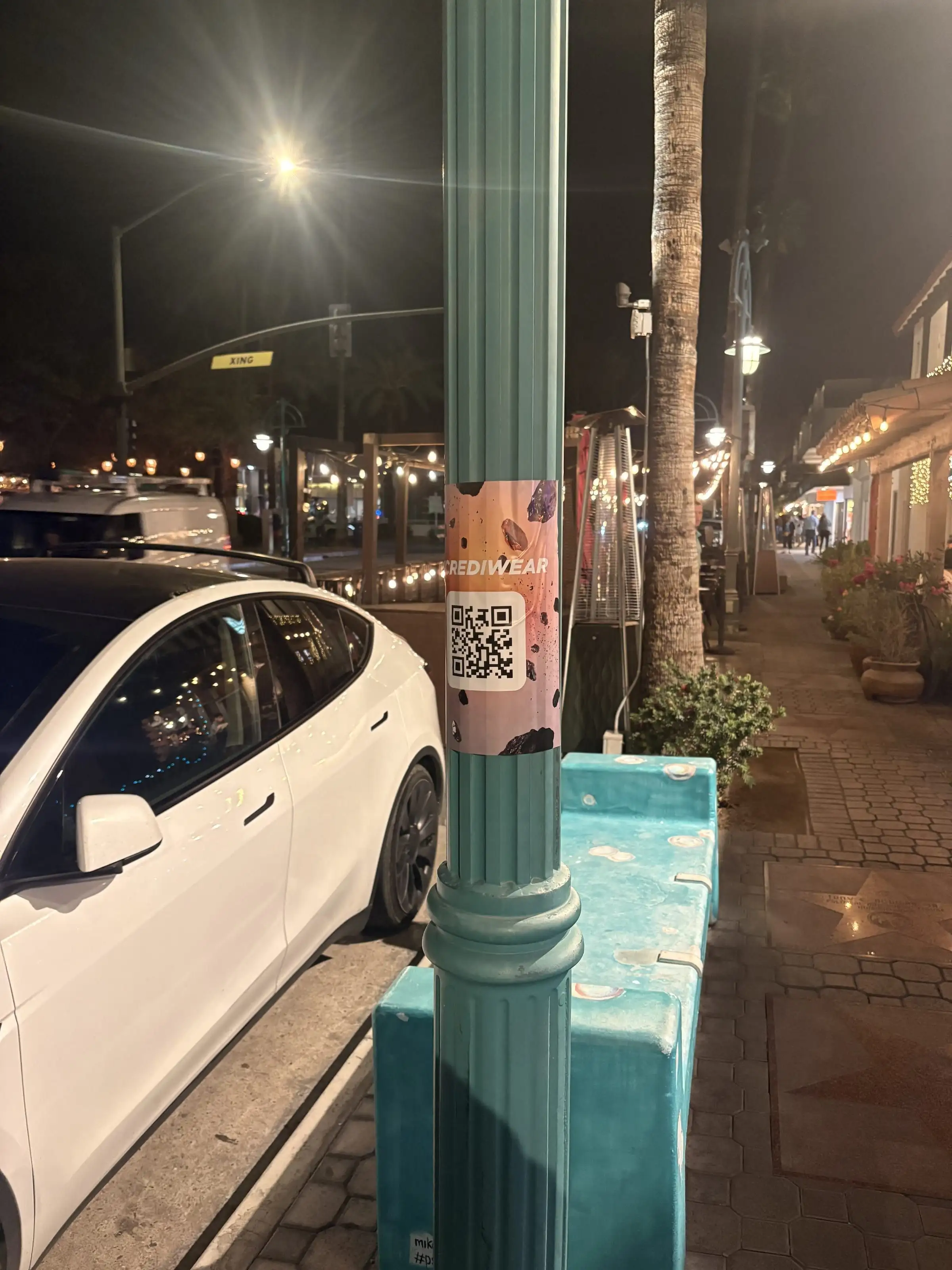
We delivered.




















Brand partners include: FIFA World Cup 2026, Palantir, Sézane, G-Shock, Mitchell & Ness, True Religion, Huda Beauty, Yonex, Relevance AI, Momentous, RYZE Coffee, Bloom Effects, Incrediwear, Brooklyn Museum, Sweat FC, HydroJug, Frameline, Alchemy, OneRepublic, Lone Fox, Vaura Pilates.
We print it, paste it, and prove it.
Print and install under one roof — heavyweight paper hand-pasted at wall scale by a local crew, then a GPS photo of every wall. No broker in the middle.
- Print + install, in-houseOne team, proof to paste — no broker, no markup
- Hand-pasted at wall scaleLocal crews, heavyweight paper — no vinyl, no machines
- A GPS photo of every wallWide · mid · detail, lat-long stamped on every install
- 500+ installs, zero removalsDocumented — the paper trail holds up
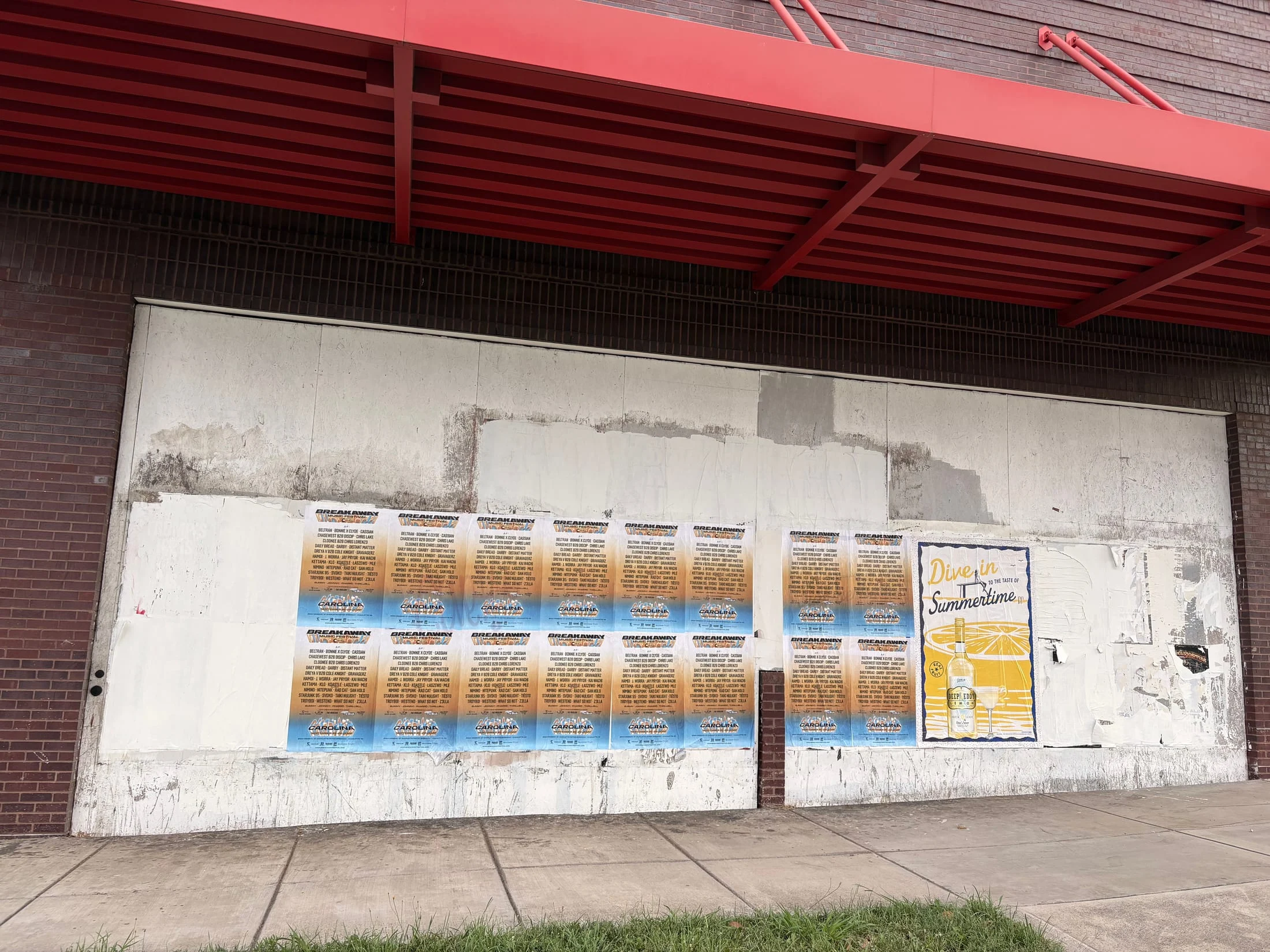
Heavyweight stock, up on the wall.
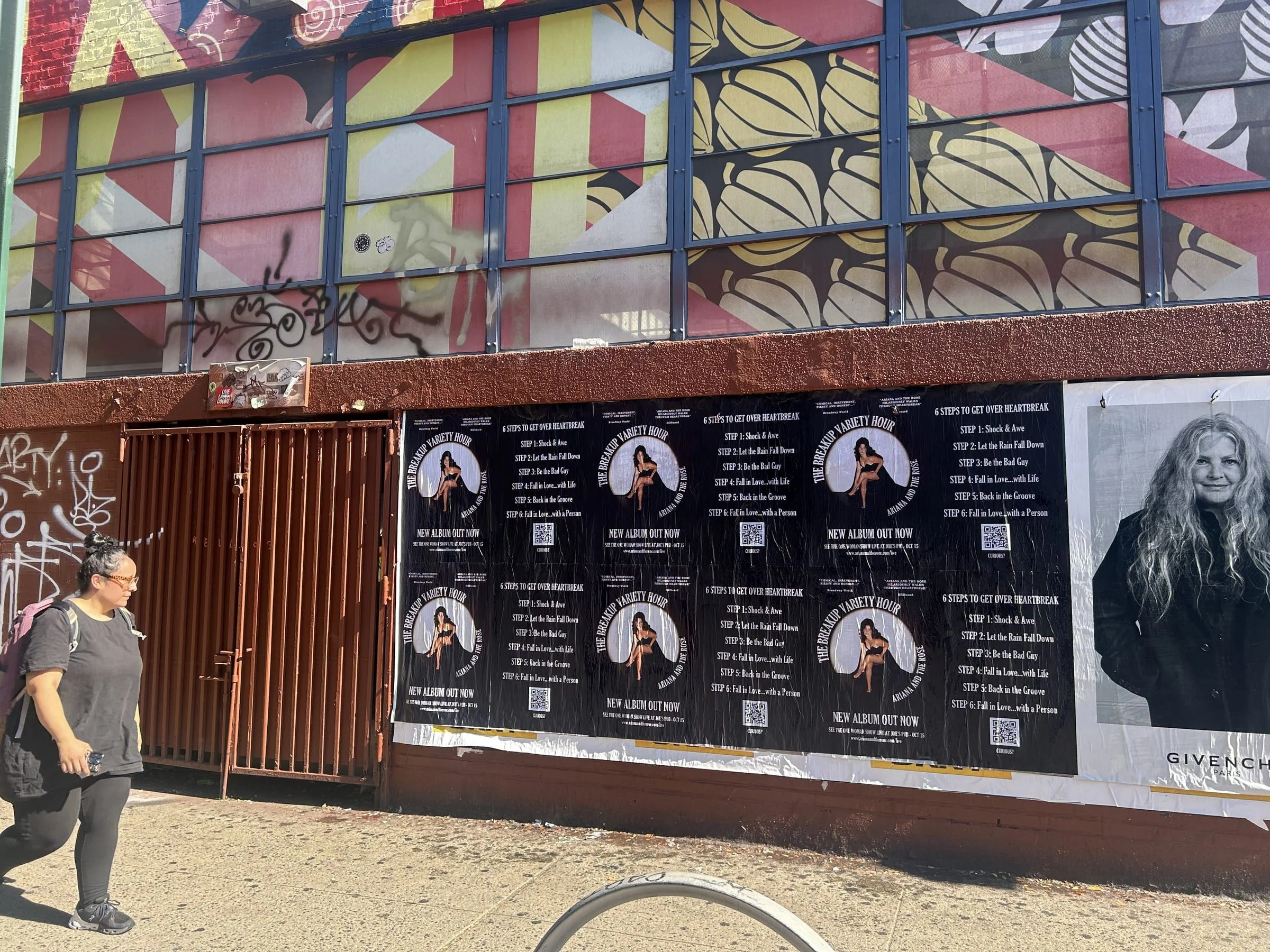
Where the city actually looks.
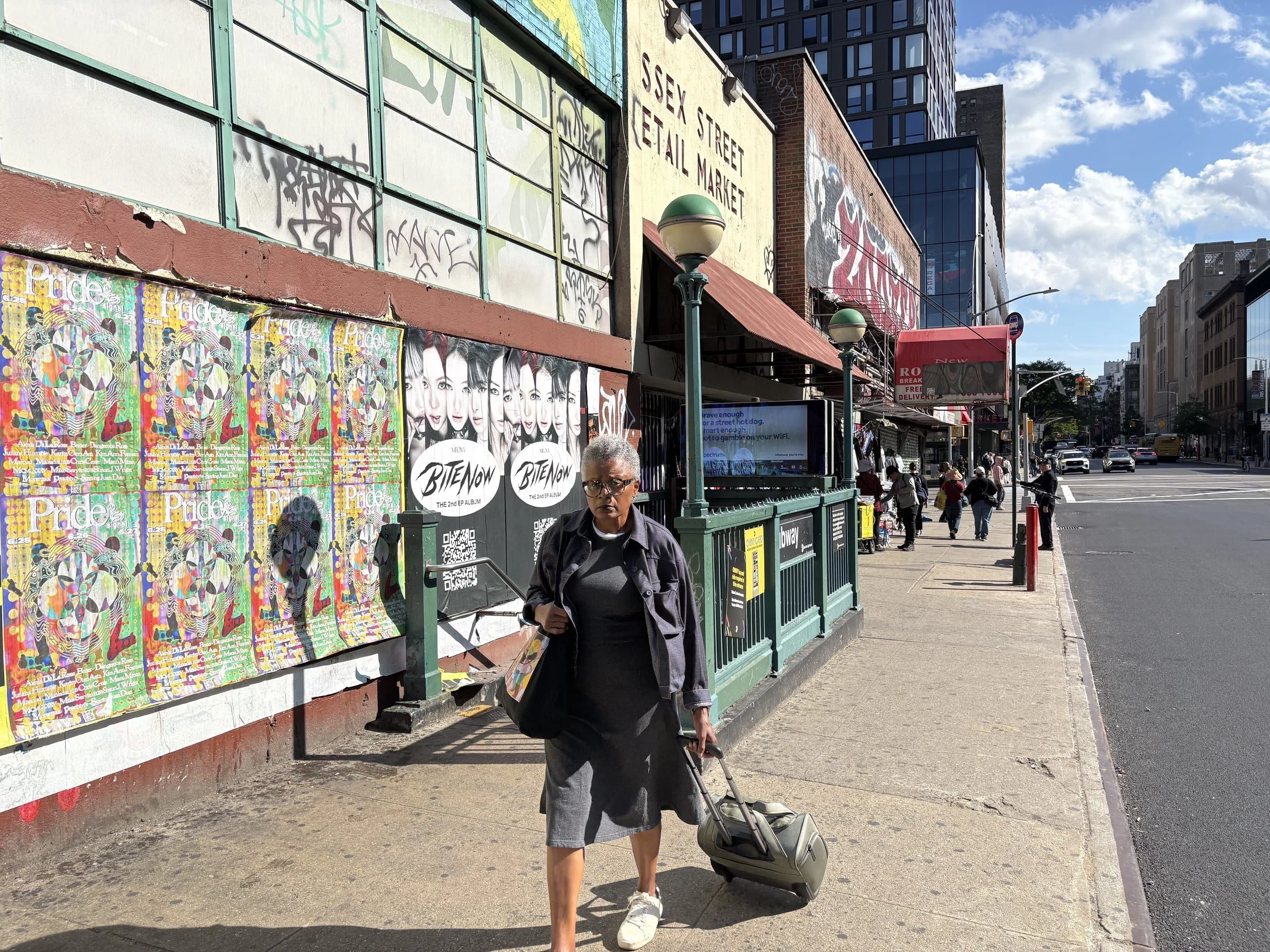
Block after block, Portland-wide.
Brands run wheatpaste with us because it moves people — Sézane for Soho retail traffic, Palantir for recruiting, FIFA for the World Cup.
- 500posters · RYZE Coffee, NYC · 21-day hold
- 550posters · Frameline, SF · 30-day hold
- 300posters · True Religion, Houston · 42-day hold
500+ documented installs · zero municipal removals on record · a GPS photo of every wall
- From $3,500 Wheatpaste posters 36×48 in sheet · 7-14 days in Portland
- From $2,500 Sidewalk stencils Biodegradable chalk · 5-7d lead
- From $3,000 Snipes + stickers Light-pole · utility-box · 5-10d
- From $18,000 Hand-painted murals Brush-painted · building scale
- Rush +80-150% Expedited campaigns 24-72hr brief-to-wall
A city that reads the street.
NE Alberta Street and North Mississippi Avenue carry roughly forty active brick walls between them, the densest mural-culture inventory in Portland. Property owners on both corridors support visual work directly, Last Thursday pulls the densest single-night foot traffic in the Alberta Arts District every month, and adjacent murals frame every campaign. Strong paper reads as part of the visual register, not noise dropped on top of it.
That is the Portland operator advantage. Not a billboard buy. Not transit. Hand-installed paste-up at eye level on the surfaces your audience already walks: the Alberta and Mississippi mural blocks, SE Hawthorne's indie-retail storefronts, the Pearl District's design-firm corridors. And Portland punches above its population on social. Strong work gets photographed by passersby and spread through independent media and Pacific Northwest cultural newsletters within hours, so earned amplification exceeds the install footprint by a wide multiplier.
Installs ship in 7-14 days from approved creative to first paste-up live. June through September runs on standard 7am starts. October through May, the crew schedules installs inside 24-hour dry windows because wheatpaste adhesion requires a dry surface, and most wet-season briefs absorb a 2-day weather-contingency buffer. Last Thursday, Feast Portland, and Pickathon windows book ahead.
Where the paste holds.
- Alberta Arts District Raw brick · gallery storefronts · mural corridors · 14-21 days
NE Alberta Street raw brick, gallery storefronts, and mural corridors. The densest mural-culture inventory in the city, and Last Thursday pulls peak foot traffic once a month. The corridor that books first in Portland.
- Mississippi Raw brick · venue exteriors · restaurant frontage · 14-21 days
North Mississippi Avenue raw brick, venue exteriors, and restaurant frontage. Carries the densest mural-culture wall inventory alongside Alberta. The right register for music, food-and-beverage, and arts briefs.
- Hawthorne Painted commercial · indie-retail storefronts · 12-18 days
Painted commercial walls and indie-retail storefronts along SE Hawthorne. The independent retail corridor. Works for briefs that want distance from the corporate register.
- Pearl District Construction hoarding · painted commercial · 10-16 days
Construction hoarding and painted commercial along the design-firm corridors. Concentrates design firms, creative-industry offices, and above-average disposable income. Hoarding rotates through the corridor during ongoing development, so placements refresh with the build cycle.
- NW 23rd Boutique retail · residential-corridor walls · 12-18 days
Boutique retail and residential-corridor walls along NW 23rd Avenue. Reaches the boutique retail audience. The right register for fashion, beauty, and premium consumer briefs.
- Division Street Restaurant frontage · arts-corridor walls · 12-18 days
Restaurant frontage and arts-corridor walls along SE Division. SE Portland's restaurant-and-arts corridor. Strong for hospitality openings and food-and-beverage briefs.
- North Williams Cycling-and-retail corridor walls · 12-18 days
Cycling-and-retail corridor walls along N Williams. Reaches the commute-by-bike audience at eye level twice a day. Pedalpalooza in summer and Cross Crusade in fall put the cycling calendar on this corridor.
- Downtown Commercial walls · 10-16 days
Commercial walls along the office corridors. Bridges the other registers when a brief needs daytime professional reach. Works as a connector across multi-neighborhood blitzes.
Six stages. Dry-window discipline.
Brief to refresh audit. The dry-window routing, the overlay pre-clearing, the property coordination on Alberta and Mississippi, all of it is baseline for the crew that runs Portland.
- 01
Brief intake + wall count
Send us creative, the neighborhoods in play (Alberta, Mississippi, Hawthorne, the Pearl District, etc.), your dates, and budget. Within 48 hours you have a wall count, a neighborhood map, and a per-wall budget.
- 02
Local scout + property coordination
The crew walks NE Alberta, North Mississippi, and the requested corridors. Consent comes fast on Alberta and Mississippi, where long-standing relationships with gallery and studio owners hold across campaigns. Pearl District placements pre-clear against the district's zoning rules. The wall list carries extra options so wet-season swaps never stall the route.
- 03
Print + wet-weather paste prep
Posters print in-house on weather-rated stock. Paste batches mixed for the Pacific Northwest wet season, because adhesion requires a dry surface before application. The crew tracks the forecast from day one and stages materials ahead of the first viable dry window.
- 04
Dispatch day. Dry window first
June through September runs standard 7am starts. October through May the route locks to a 24-hour dry window: Alberta and Mississippi first because they absorb the most paper density, Hawthorne and Division mid-day, the Pearl District, NW 23rd, and Downtown to close. The full neighborhood set lands inside the window.
- 05
Photo log + proof delivery
Three GPS-stamped photos per wall (wide, mid, detail). Proof delivers inside 48 hours of install, with daily logs while the campaign is live. No invoicing until the photo bundle is signed off.
- 06
Day 14 / 21 / 30 audits + refresh
Wet-season rain can shorten wall life, so audits run at day 14, 21, and 30. Any wall that loses surface gets refreshed on the next dispatch. Event-window walls (Last Thursday, Feast Portland, Pickathon) get an event-day check layered on top.
Private property. Written consent. Every wall.
Portland allows wheatpaste on private property with written owner consent. We pull that paperwork on every install. Public infrastructure is never touched.
Every Portland paste-up sits on a permitted private surface with written owner consent. We do not run on TriMet transit, utility poles, or municipal right-of-way. Period.
Alberta, Mississippi, and Hawthorne. All three corridors carry active mural and street-art culture with property owners who support visual work directly. Long-standing relationships with gallery and studio owners on Alberta and Mississippi hold across campaigns, which compresses the consent step. Lead time inside these corridors is the shortest of any Portland neighborhood we run.
Neighborhood overlays. The legal framework varies by overlay: the Alberta Arts District, the Mississippi-Williams overlay, and Pearl District zoning each carry distinct facade-modification rules. The compliance matrix tracks each layer by zip code, so the legal register matches the exact block before a single sheet goes up.
500+ documented installs. Zero municipal removals on record. The written-consent paper trail holds up in any takedown dispute. The brand is never on the hook for a complaint we routed through.
The Portland wheatpaste playbook Operator detail · surfaces, climate, timing
What paste-up advertising actually does in Portland
Wheatpaste advertising in Portland is hand-installed paste-up poster campaigns adhered to permitted private walls with water-based adhesive. The category also goes by paste-up poster campaigns, wheatpasting, street poster advertising, flyposting, and bill posting. The format converts on the same dynamic everywhere it works: a poster on a wall the right audience walks past, repeatedly, over weeks. In Portland the variable is which wall. Pasting Alberta reaches the mural-culture register and the Last Thursday crowd. Mississippi reaches the venue and restaurant audience on the same register. The Pearl District reaches design firms and creative-industry offices with above-average disposable income. Hawthorne reaches independent retail along SE Hawthorne. NW 23rd reaches boutique retail. Division Street reaches SE Portland’s restaurant-and-arts corridor. North Williams reaches the cycling commute. The same poster, hung on the wrong wall, lands on the wrong audience.
That is the Portland operator problem in plain language. This is a city that reads the street closely, and the audience concentrates along specific corridors: two mural-dense streets on the inner east side, a design district in the northwest, a handful of retail spines. Reaching them through paid social is expensive because the targeting overlap with the rest of the country is wide and shallow. Reaching them through transit or DOOH is expensive because minimum spends run high and the placements sit on arterials rather than the walkable blocks where Portland actually spends its attention. Paste-up at neighborhood scale solves the geometry. Two well-placed walls on the right corridor do more work than ten walls on the wrong one.
Forty brick walls on two streets
The corridor math starts on the inner east side. Roughly forty active brick walls live along NE Alberta Street and North Mississippi Avenue, the densest mural-culture wall inventory in the city. Property owners on both corridors support visual work directly, and adjacent murals frame every campaign, so strong paper reads as part of the visual register rather than dropped on top of it. Last Thursday on Alberta pulls the densest single-night pedestrian foot traffic in the neighborhood, every month, which gives a well-timed install a recurring audience spike no other Portland corridor matches.
The second half of the math is amplification. Portland punches above its population on social. Strong work gets photographed by passersby, posted, and spread through independent media and Pacific Northwest cultural newsletters within hours. Earned amplification on a well-placed campaign exceeds the install footprint by a wide multiplier. The wall is the campaign, and in this city the wall keeps working after the crew drives away.
When Portland clients book paste-up over other formats
- Last Thursday on Alberta (monthly). The Alberta Arts District’s monthly peak pulls the densest single-night pedestrian foot traffic in the neighborhood. Gallery, music, and consumer briefs paste in the days leading up so paper is on the wall when the crowd lands.
- Pickathon (August) and PDX Pop Now (summer). Portland’s music calendar concentrates in summer. Record drops, festival promos, and apparel briefs paste Mississippi’s venue exteriors and Alberta’s mural blocks in the run-up.
- Feast Portland and craft-beer week. Food-and-beverage briefs paste Division Street’s restaurant frontage, Mississippi’s restaurant blocks, and Hawthorne ahead of the food calendar’s compression points.
- Trail Blazers, Timbers, and Thorns home dates. Home dates compress foot traffic on a predictable schedule. Briefs that want that audience time installs against the calendar.
- Pedalpalooza (summer) and Cross Crusade (fall). Cycling briefs own North Williams, the cycling-and-retail corridor, where the audience passes at eye level twice a day.
- Brand entry into the Pacific Northwest. DTC, fashion, and hospitality brands opening Pacific Northwest operations use multi-neighborhood paste-up across Alberta, Mississippi, the Pearl District, and Downtown to register presence before paid digital kicks in.
- Hospitality and retail openings. The walkable catchment around a new restaurant, bar, or shop drives the spend. Hawthorne, Division, and NW 23rd are the natural corridors.
Why the crew runs Portland through the wet season
Most paste-up operations treat October-through-May Portland as a blackout. Rain arrives often enough that a naive install schedule fails, because wheatpaste adhesion requires a dry surface before paste application. That constraint does not disappear if you ignore it. It leaks into the campaign as peeling paper and thin proof.
The crew that runs Portland schedules around it instead. Wet-season installs lock to 24-hour dry windows. Crews track the forecast from the day the brief lands, stage materials ahead of the first viable window, and most wet-season briefs absorb a 2-day weather-contingency buffer in the timeline, not the price. June through September runs on standard 7am starts with no buffer. The consent side moves fastest where the relationships are oldest: gallery and studio owners on Alberta and Mississippi hold agreements across campaigns, and the compliance matrix tracks each neighborhood overlay (the Alberta Arts District, the Mississippi-Williams overlay, Pearl District zoning) by zip code so the legal register matches the exact block. None of this scales if it is improvised per campaign.
Surface inventory, by neighborhood
Portland’s surface mix shifts corridor by corridor. Alberta and Mississippi run raw brick: gallery storefronts and mural corridors on NE Alberta, venue exteriors and restaurant frontage on North Mississippi. Raw brick takes paste well and holds it, and both corridors sit inside the city’s densest mural culture, so paper reads in context. Hawthorne runs painted commercial and indie-retail storefronts along SE Hawthorne, a smoother read that turns over a touch faster than brick. The Pearl District runs construction hoarding and painted commercial along the design-firm corridors, and the hoarding rotates through the corridor during ongoing development, so placements refresh with the build cycle rather than the weather. NW 23rd carries boutique retail and residential-corridor walls along NW 23rd Avenue. Division Street carries restaurant frontage and arts-corridor walls along SE Division. North Williams carries cycling-and-retail corridor walls that read at handlebar speed. Downtown’s commercial walls along the office corridors bridge the other registers when a brief needs daytime professional reach.
Standard poster sizes work across the inventory: 24x36 single-sheet for tactical takeovers, 27x40 for higher-visibility single placements, 36x48 and larger multi-panel builds for hero walls. Pole inventory is off-limits as public infrastructure, along with TriMet transit and municipal right-of-way, so the format leans on permitted private brick, storefront frontage, and hoarding. Interior installs run across Alberta’s gallery storefronts, Mississippi’s venues, and Division’s restaurants for niche cultural reach without exterior weather exposure.
How the paste behaves on Portland walls
The paste chemistry is water-based, and in Portland the forecast is the whole conversation. One seasonal factor drives the prep: rain. October through May, Portland gets rain often enough that install scheduling shifts entirely to dry-weather windows, because adhesion requires the surface to be dry before paste application. Paste over a wet wall and the bond never sets. So the crew tracks the forecast, schedules installs inside 24-hour dry windows, and builds a 2-day weather-contingency buffer into most wet-season briefs so a moving front does not blow the timeline. June through September is the clean season: standard 7am starts, no buffer, and the longest natural wall life of the year.
Surface matters as much as sky. Raw brick on Alberta and Mississippi takes paste well and holds it. Painted commercial on Hawthorne and in the Pearl District reads cleaner but turns over a touch faster. Construction hoarding in the Pearl rotates with the development cycle, so hold there tracks the build schedule rather than the weather. Every wall gets three GPS-stamped photos at install (wide, mid, detail), proof delivers inside 48 hours, and audits at day 14, 21, and 30 document the survival count rather than assuming it. Any wall that loses surface in a rain stretch gets refreshed on the next dispatch, and wet-season briefs get dry-window install documentation in the wrap deck.
Internal cross-links
Paste-up advertising in Portland works well in combination with other street formats. See our full guides on paste-up poster campaigns for the long-form poster method, sidewalk stencil advertising for ground-level saturation along Alberta and Mississippi, and interior installs for gallery and venue reach without exterior weather exposure. For the canonical service overview, see wheatpaste advertising.
Portland questions.
The short version. The brief covers the rest.
Q · 01 Is wheatpasting legal in Portland?
Yes, on private property with written owner consent, and we secure that paperwork before every install. Public infrastructure (utility poles, TriMet transit, right-of-way) is never touched, period. Alberta, Mississippi, and Hawthorne carry active mural and street-art culture, so property owners support visual work directly. The legal framework varies by neighborhood overlay (the Alberta Arts District, the Mississippi-Williams overlay, and Pearl District zoning each carry distinct facade-modification rules), and we pre-clear against the relevant layer by zip code. 500+ documented installs, zero municipal removals on record.
Q · 02 How much does a wheatpaste campaign cost in Portland?
Wheatpaste in Portland starts at $3,500 per campaign with print and install included. Multi-neighborhood programs across Alberta, Mississippi, Hawthorne, the Pearl District, Downtown, and NW 23rd price up from the published floor. The final number depends on turnaround, size, location count, and combined service mix, and it tracks print volume and crew days, not the brand on the poster. Final quote returns in 24-48 hours.
Q · 03 Which Portland neighborhoods get the strongest paste-up coverage?
Alberta and Mississippi carry the densest mural-culture inventory in the city along NE Alberta and N Mississippi, roughly forty active brick walls between them. The Pearl District serves design firms and creative-industry offices. Hawthorne pulls independent retail along SE Hawthorne. NW 23rd covers boutique retail. Division Street covers SE Portland's restaurant-and-arts corridor. North Williams holds the cycling-and-retail corridor. Downtown bridges them all.
Q · 04 How fast can a Portland wheatpaste campaign launch?
Seven to fourteen days from creative lock to first install during dry windows. Wet-season campaigns (October through May) schedule around 24-hour dry windows and absorb a 2-day weather-contingency buffer. Property coordination in Alberta and Mississippi is fast because long-standing relationships with gallery and studio owners hold across campaigns. Last Thursday, Pickathon, and Feast Portland timing books ahead of the event window.
Q · 05 Does Portland rain affect wheatpaste installs?
Yes. October through May, install scheduling shifts to dry-weather windows because wheatpaste adhesion requires the surface to be dry before paste application. Crews track the forecast and schedule installs in 24-hour dry windows, and most wet-season campaigns absorb a 2-day weather-contingency buffer in the timeline. June through September runs on standard 7am starts with no buffer.
Got a Portland wall?
We've got the paste.
Send the brief. Alberta, Mississippi, Hawthorne, the Pearl District, North Williams. Portland paste-up numbers return inside 48 hours, built on the published per-wall base.