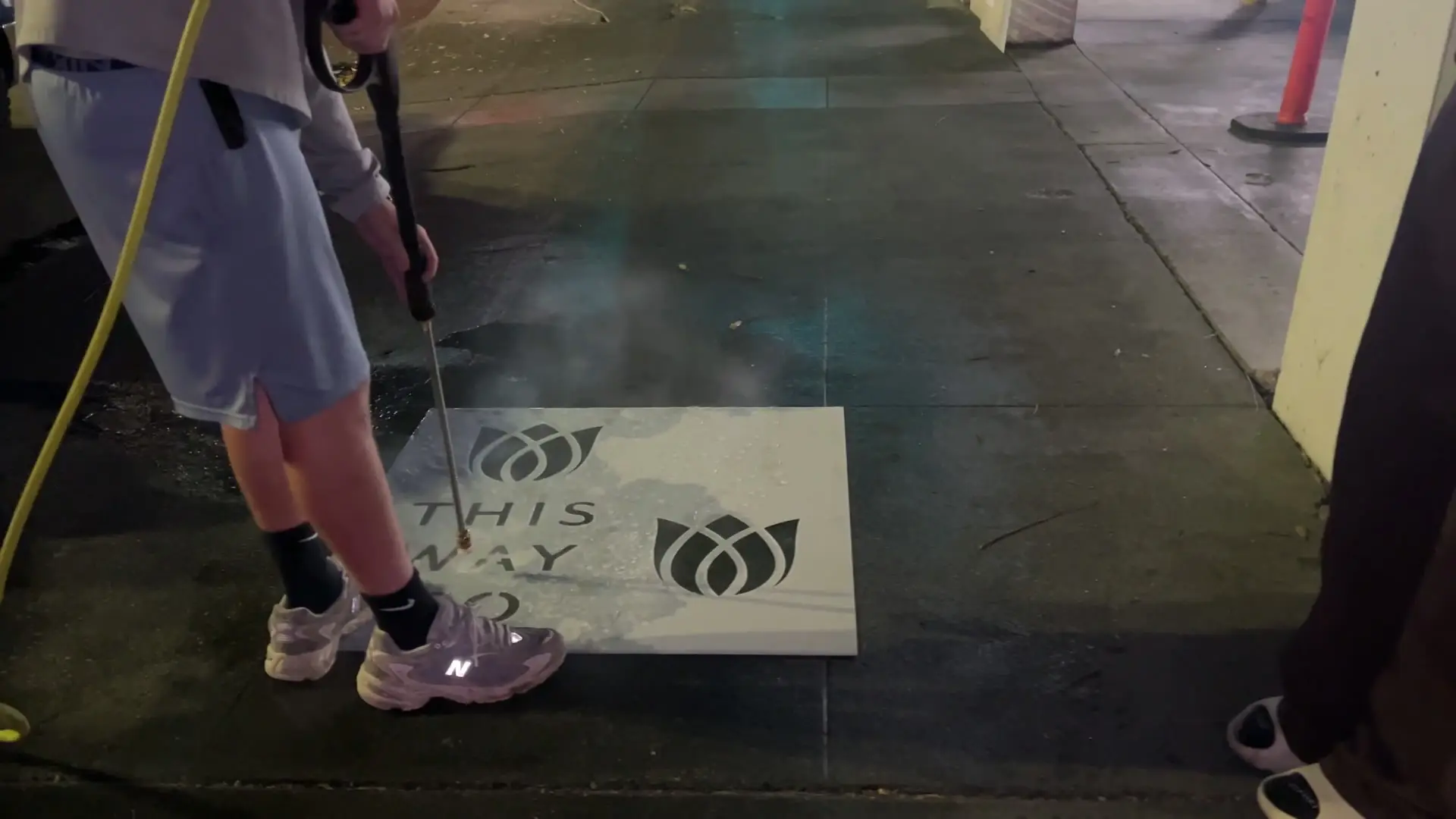
Reverse Stencil & Clean-Tag Advertising.
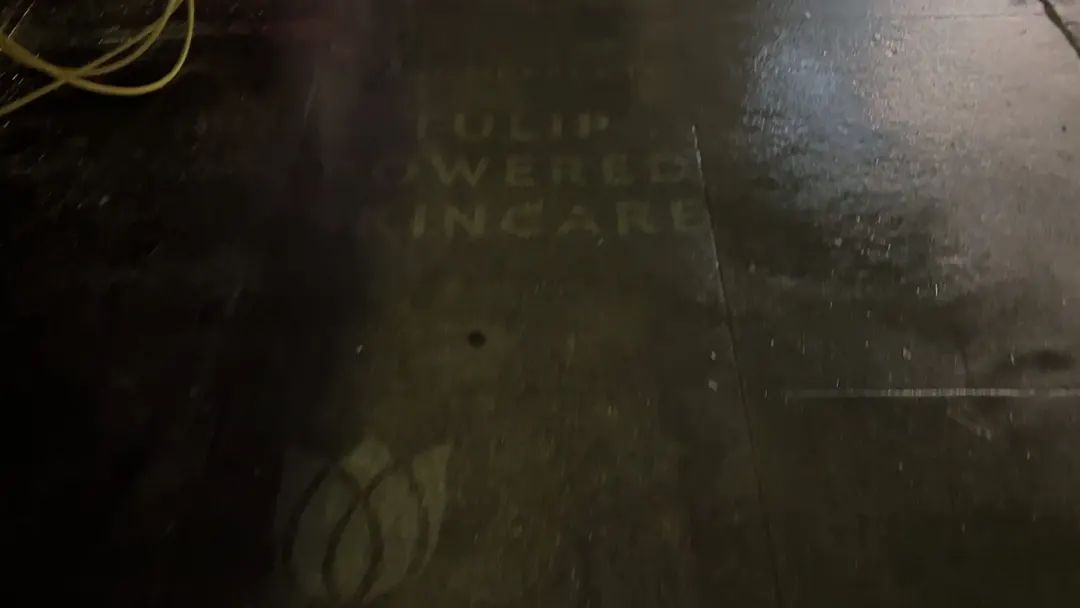
Reverse stencil clean-tag advertising. Pressure-washed logo on dirty concrete. No ink, no paint deposited. 40 US cities. Geo-tagged photo proof.
We delivered.




















Brand partners include: FIFA World Cup 2026, Palantir, Sézane, G-Shock, Mitchell & Ness, True Religion, Huda Beauty, Yonex, Relevance AI, Momentous, RYZE Coffee, Bloom Effects, Incrediwear, Brooklyn Museum, Sweat FC, HydroJug, Frameline, Alchemy, OneRepublic, Lone Fox, Vaura Pilates.
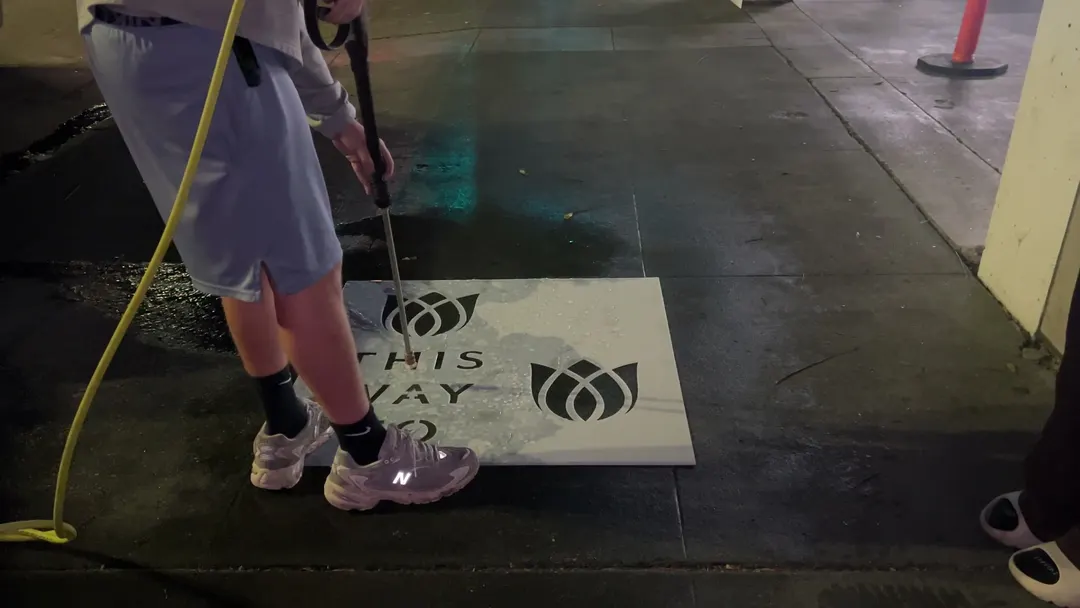
Washed Into The Sidewalk
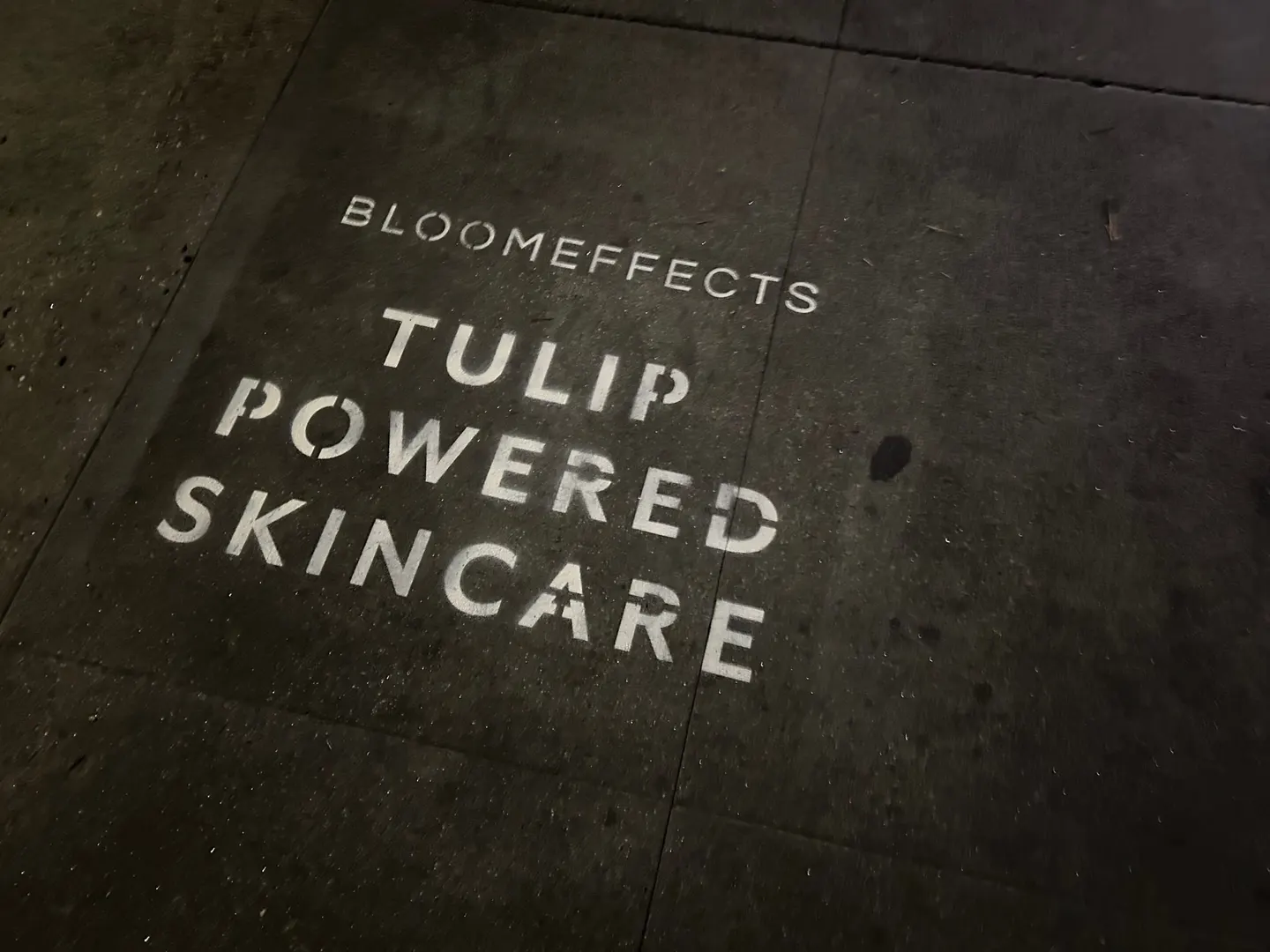
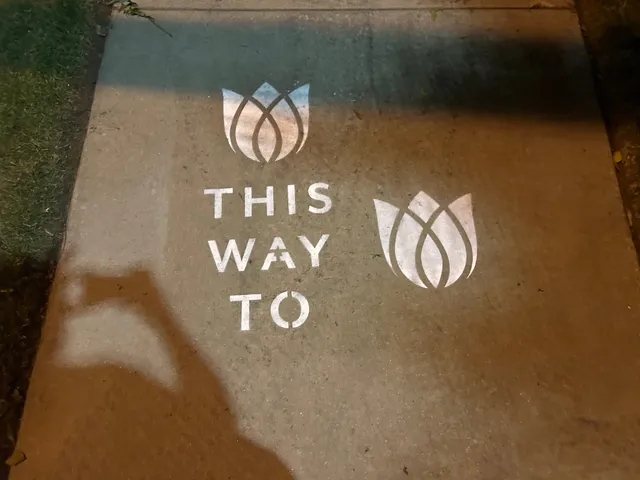
Reverse stencil lays a cut stencil on a dirty sidewalk, runs a pressure washer through the cut-out at 2,000 to 3,000 PSI, then lifts it to reveal your logo as a clean patch of concrete against the surrounding grime. Nothing is deposited: no paint, no ink, no adhesive. The mark is the absence of dirt. Over 2 to 6 weeks normal foot traffic and dust resoil the surface, so it self-erases.
- Cleaning, not adding
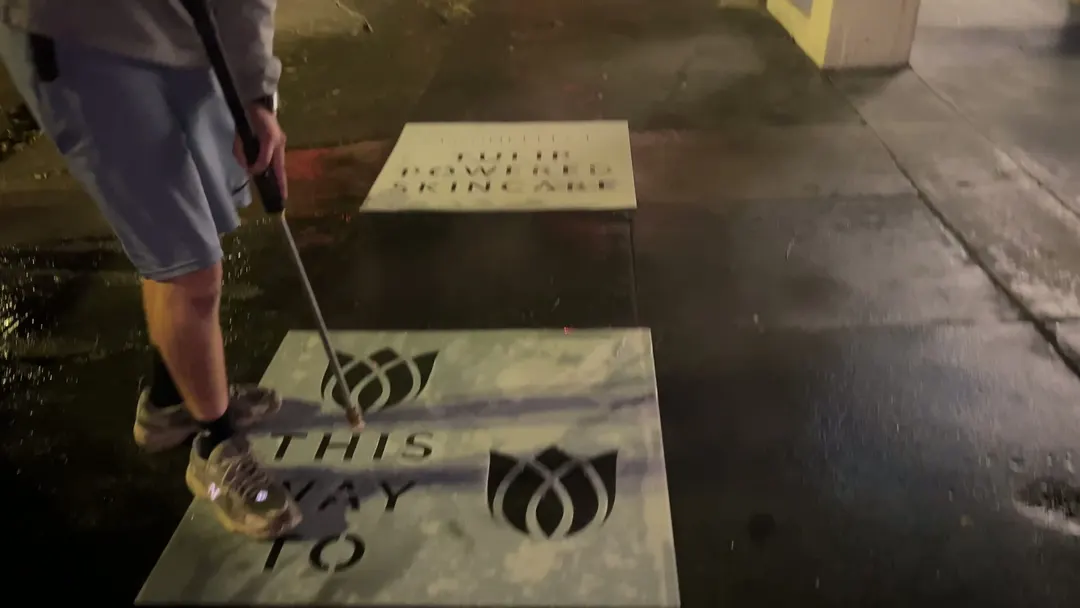
The message is power-washed into the pavement through a cut template. Nothing is applied to the surface at all.
- Contrast does the work
The design appears as clean pavement against the street's accumulated grime; the dirtier the block, the sharper it reads.
- Fades on its own
As the pavement weathers back, the tag disappears. Being temporary is the point of the format.
Who it's for.
- You want a sidewalk presence in a market where paint-medium stencils carry ordinance risk, and the no-material-deposited profile lowers that friction.
- You want the press story baked into the deliverable, because the before/after pair (dirty corridor to clean mark) is the most republished image in guerrilla advertising.
- You want a water-only campaign that leaves no chemicals, detergents, or pigment on the pavement.
- You have a target corridor with built-up grime (concrete, weathered pavers, plaza, loading-dock) rather than clean or freshly washed pavement.
Why it works.
- Subtraction, not addition
Because no material is deposited, most U.S. cities classify the mark outside paint-medium graffiti ordinances, which lowers permit friction and ordinance risk.
- The before/after pair
Shooting the dirty corridor, then the same frame with the clean mark revealed, gives you a contrast image that trade press and social keep recirculating after the run ends.
- Self-erasing by design
The mark fades over 2 to 6 weeks as the surface re-soils, so you control dwell and can re-run on a cadence as the original placements wear off. A rained-on, regularly scrubbed sidewalk fades it faster; a sheltered, grimy corridor holds it longer.
- The city is the medium
The brand gets washed into existing grime instead of pasted or painted over it, which is what makes the work land as mechanically clever rather than another flyer.
We have run this before.
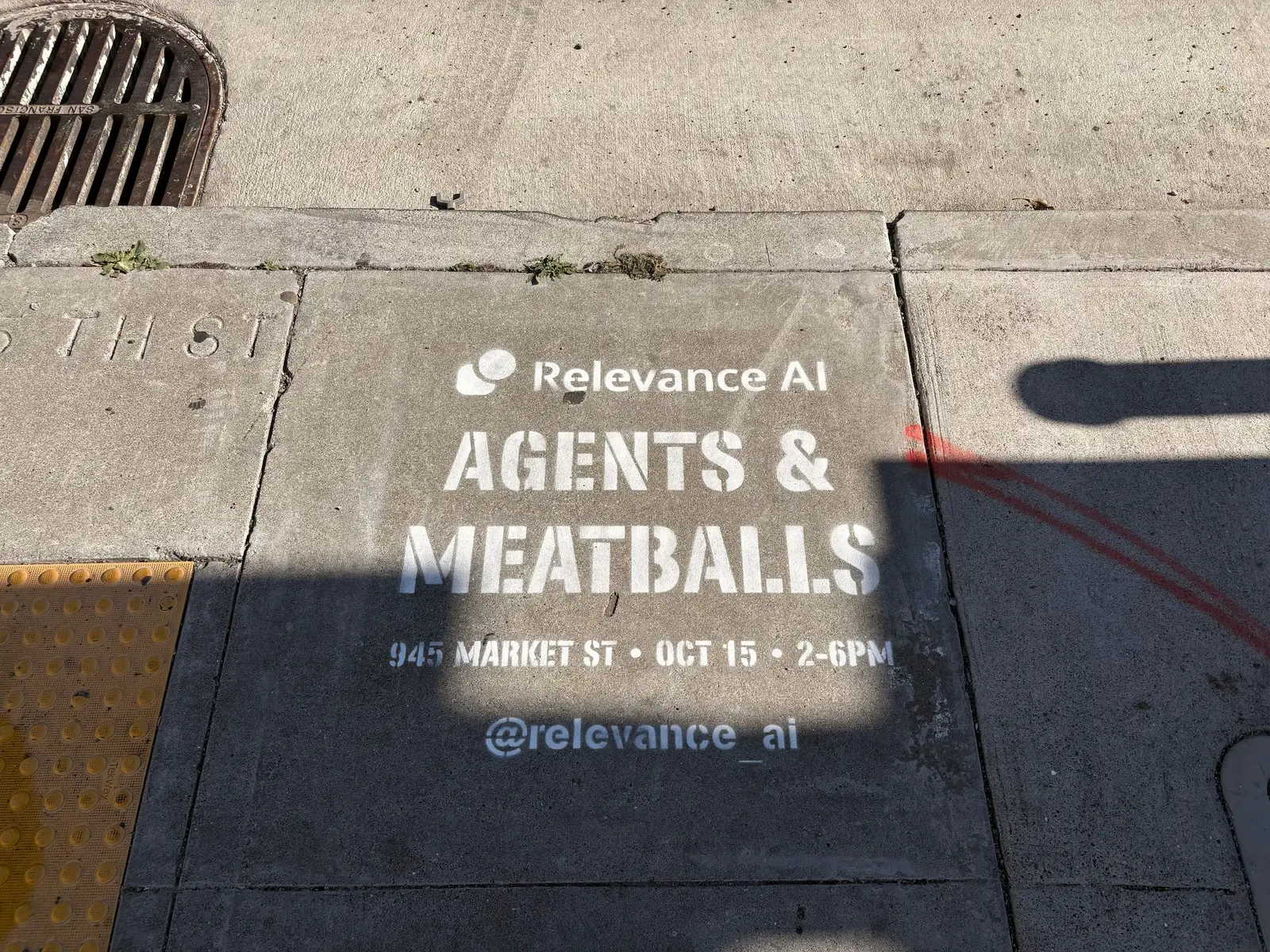
Every placement we install is photographed with GPS coordinates the day it goes up — the full photo record ships with your wrap deck.
500+ documented installs · Zero municipal removals on record · A GPS photo of every placement
Proof · Printed in-house · Installed by our crew
Reverse Stencils, priced in the open. Proof included.
Floors start at $3,500 with printing and installation included, 4-7 days turnaround. Send the brief; a scoped reverse stencils quote comes back inside 24 hours with a GPS-stamped photo of every placement when the run wraps.
- Quote in under 24 hours
- No discovery call. The brief is the call.
- Printing & Installation under one roof
Brief us · Quote in under 24 hours
Start your reverse stencils campaign.
How it's made.
Surface scouting first
The make-or-break step. The route lead walks the corridor (or pulls Street View plus crew confirmation) and grades every potential placement on a four-point dirt scale, returning a map of confirmed sites, alternates, and dead-zones before any production starts. Roughly 30 to 40 percent of a typical urban corridor is too clean for the format. If your target is too clean, we say so before quoting the work.
Stencils cut thicker
Reverse stencils are cut heavier than paint stencils so they hold up to pressure-wash spray without flexing or tearing, standard 4mm aluminum or 60-mil mylar depending on run length and edge detail. We cut and print in-house. Single-color marks ship in 2 days; multi-element layouts with logo, type, and a QR code need one extra day for registration.
Water-only crews
Each install pair carries a 2,000 to 3,000 PSI portable washer, a 25-gallon water tank, the placement manifest, and the photo SOP. No chemicals or detergents, and pressure stays at the low end of the range to remove dirt without etching the substrate.
Set, run, reveal
The stencil is laid flat and weighted at the corners, then the wand runs slow consistent passes through the cut-out. A 36-by-36 mark sets in 90 seconds to 3 minutes depending on grime density, then the stencil lifts and the surface air-dries.
Documentation built in
For every placement we capture the wide before, the matching wide after, a close-finish shot, a first-hour foot-traffic frame, and a 24-hour wear frame. Every install carries a GPS-stamped photo, and the live daily log pushes placement counts, neighborhoods, and surface notes to your team by end of day.
Wrap deck and re-run plan
Final delivery is the geo-tagged before/after pairs, the placement map, neighborhood counts, and surface-grade notes, in the deck within 5 business days. It includes a recommended re-run cadence if you want to extend coverage as the original marks re-soil.
Built to run together.
Chalk Stencils
From$2,500Chalk stencil campaigns, washable, permit-light sidewalk stencils that drop in 3 days, ride 1-2 weeks, wash clean. Eco-friendly street visibility.
View discipline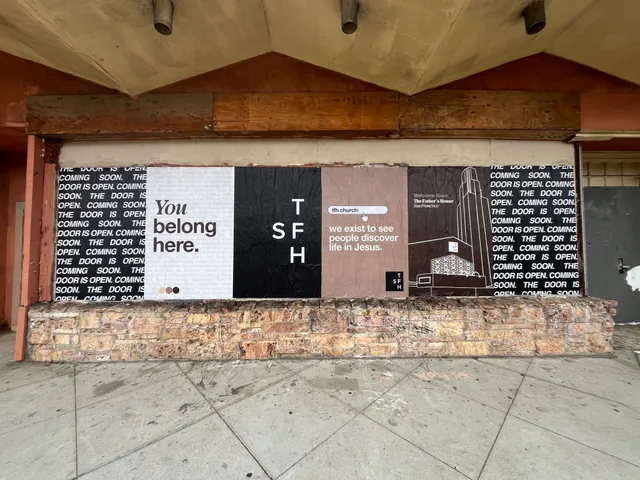
Fence Wraps
From$4,800Printed mesh banners on chain-link construction fencing across 30 US cities. Building-scale brand presence around active development sites with photo proof.
View discipline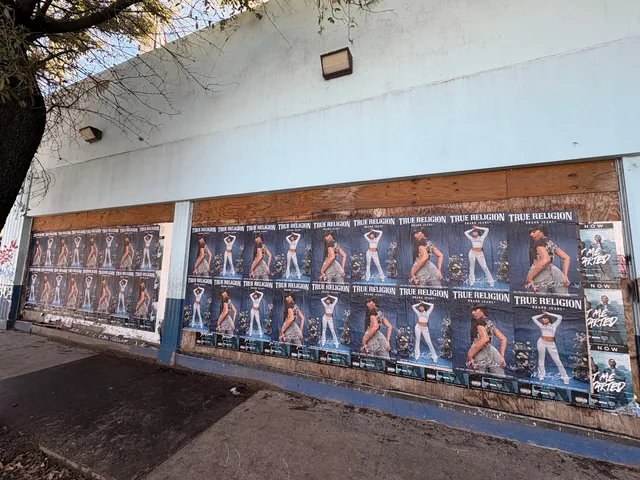
Hoarding Posters
From$6,500Construction hoarding poster campaigns in 40 U.S. cities, premium wheatpaste placements on developer-permissioned barriers with photo proof.
View disciplineWhere to go next.
Guides & field notes
Frequently asked.
Q · 01 What is reverse stencil or clean-tag advertising?
Also called reverse graffiti or clean-tagging, it advertises by cleaning rather than applying. Our crew cuts your design as a template, holds it to soiled pavement, and pressure-washes through the openings, so the message shows up as bright freshly washed concrete inside the street grime. No paint or adhesive ever touches the ground, and the mark fades naturally as the sidewalk weathers back.
Q · 02 Is reverse stencil advertising legal?
In most U.S. cities it falls outside paint-medium graffiti ordinances because no material is deposited. NYC, San Francisco, Boston, Pittsburgh, Detroit, and Philadelphia generally permit it on private-frontage sidewalks with property-owner consent, while Houston and Atlanta classify clean-tag as advertising on public property and restrict it. We keep a city-by-city matrix and run only where it is legal.
Q · 03 What surfaces does it work on?
Only dirty or weathered porous surfaces: concrete with built-up grime, weathered pavers, tunnel-approach pavement, unsealed plaza pavers, and loading-dock concrete. It does not work on clean concrete, sealed pavement, polished stone, or freshly washed sidewalks. Surface scouting is the first step of every brief, and if your corridor is too clean we tell you before any production starts.
Q · 04 How much does a campaign cost and how fast is it?
Reverse-stencil campaigns start at $3,500, with standard turnaround of 4 to 7 days. Pricing is driven by surface scouting, crew hours, and stencil complexity, and material cost is near-zero. Multi-neighborhood and multi-city runs scale up depending on coverage and dwell, and your final quote returns in 24 to 48 hours.
Q · 05 What deliverables do we get?
The signature deliverable is the before/after pair: a wide shot of the dirty corridor and a wide shot of the same frame with the clean mark revealed. We also capture a close-finish shot, a first-hour foot-traffic frame, and a 24-hour wear frame. GPS-stamped photos plus a placement map ship in the wrap deck within 5 business days.
Q · 06 Why work with BSM on this?
We handle both printing and installation in-house, so the stencil cutting and the field wash run through one team. We have operated with 500-plus documented installs company-wide and zero municipal removals on record, and every placement comes with a GPS-stamped photo.
Run a reverse stencils campaign?
Same crew, your brand.
Markets, window, creative direction. A scoped quote returns in 24-48 hours, print and install included, documented on every placement.