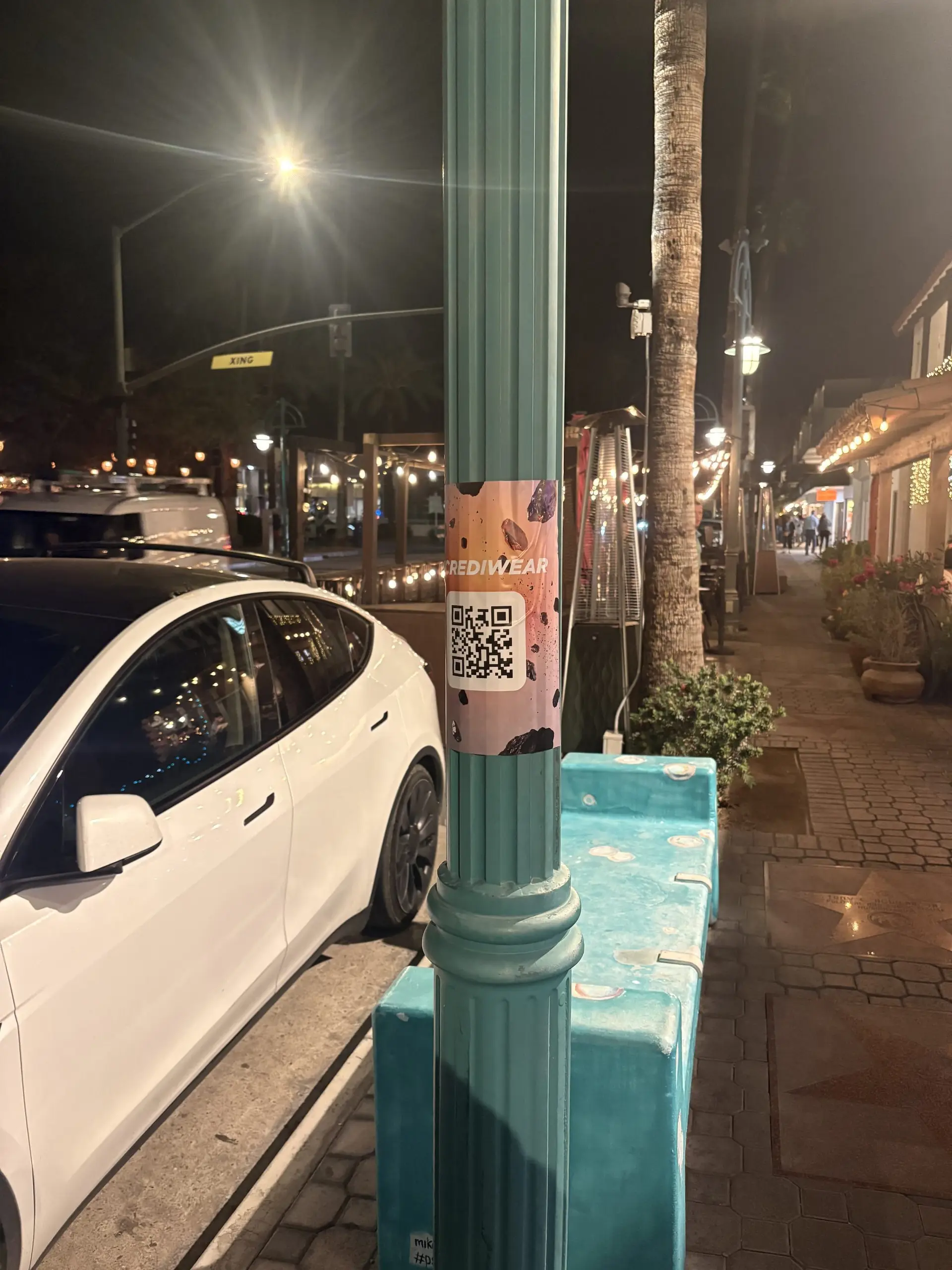
Handbill Distribution.
Handbill distribution at concert venues, festivals, and pedestrian corridors across 35 US cities. Crew-distributed, daily reach logs and photo proof.
We delivered.





















Brand partners include: FIFA World Cup 2026, Palantir, Sézane, G-Shock, Mitchell & Ness, True Religion, Huda Beauty, Yonex, Relevance AI, Momentous, RYZE Coffee, Bloom Effects, Incrediwear, Brooklyn Museum, Sweat FC, HydroJug, Frameline, Alchemy, OneRepublic, Lone Fox, Vaura Pilates.
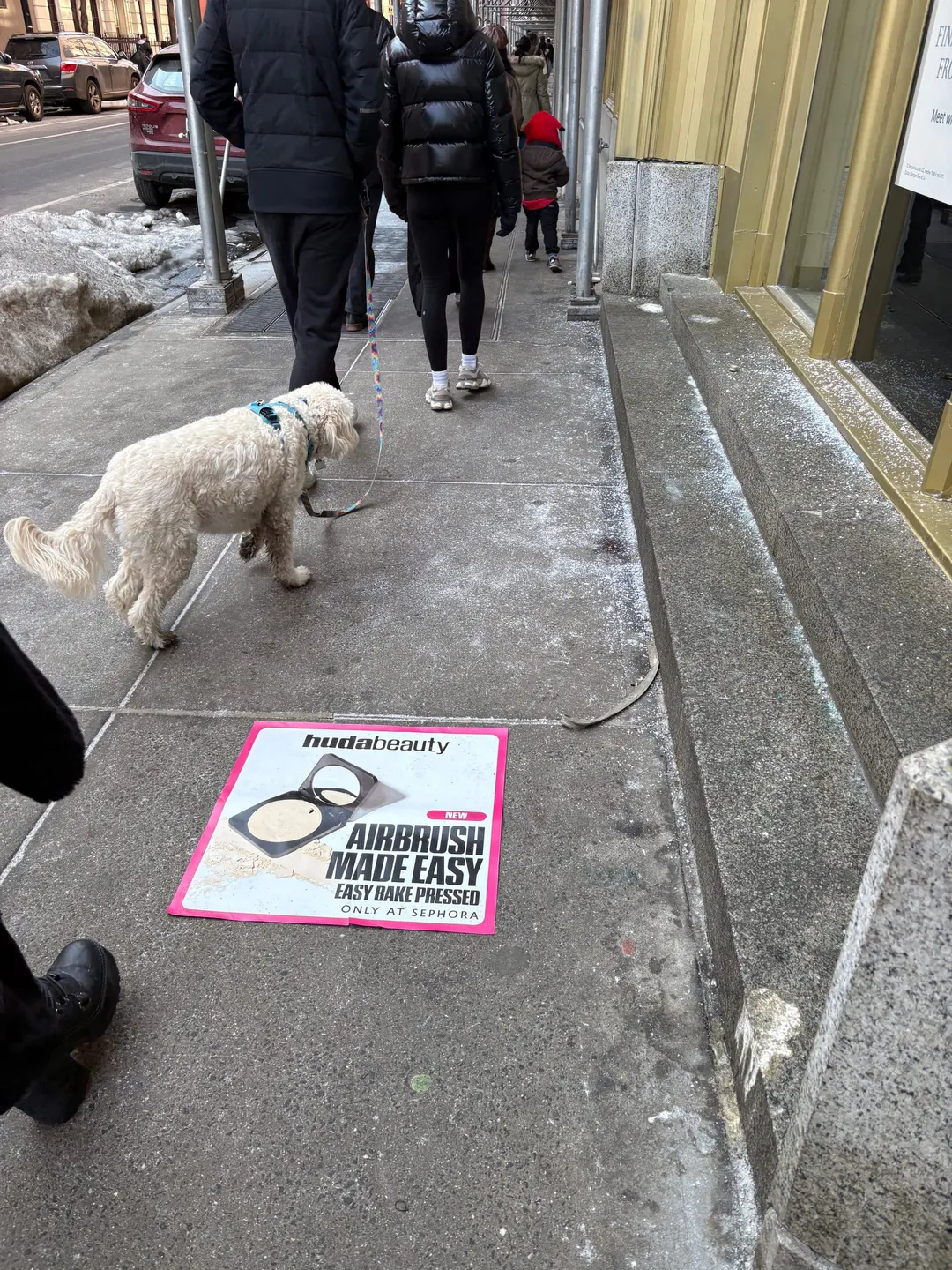
Paper, into a hand
Handbill distribution is hand-to-hand flyer delivery run by a trained street team at high-pedestrian ingress and egress points: concert exits, festival entrances, transit-hub doorways, pop-up storefronts. A distributor approaches at the right-shoulder angle, offers the flyer brand-side up, and delivers one tuned line for the offer. A program ships the printed paper, the crew, daily reach logs, and a final wrap deck, with scan-rate data when the artwork carries a tracking code.
Who it's for.
- You are staging a launch tonight and need a physical artifact in the hands of people already walking into the right room.
- You are running a product drop across several cities and want one crew model repeated market to market.
- You want a low-cost format that ties directly to action (scan now, come tonight, visit by Saturday) instead of a passive impression.
- You care about who reads the flyer, not just how many get handed out, so crew approach and audience match matter to you.
Why it works.
- Located, timed audience
It puts a physical object into the hand of a specifically located audience at a specifically timed moment, which is the one thing a digital channel cannot do.
- Approach decides the read
The right-shoulder hand-off and a no-pressure single line are what separate a read flyer from a trashed one, so crew protocol carries as much weight as the location.
- Trackable to a scan
A scan code on the back turns a paper drop into measurable response, and that data flows into the daily reporting.
- Built for ingress points
Venue ingress and egress zones concentrate the exact crowd an event or drop is built for, so the same flyer converts harder there than on a random sidewalk.
We have run this before.
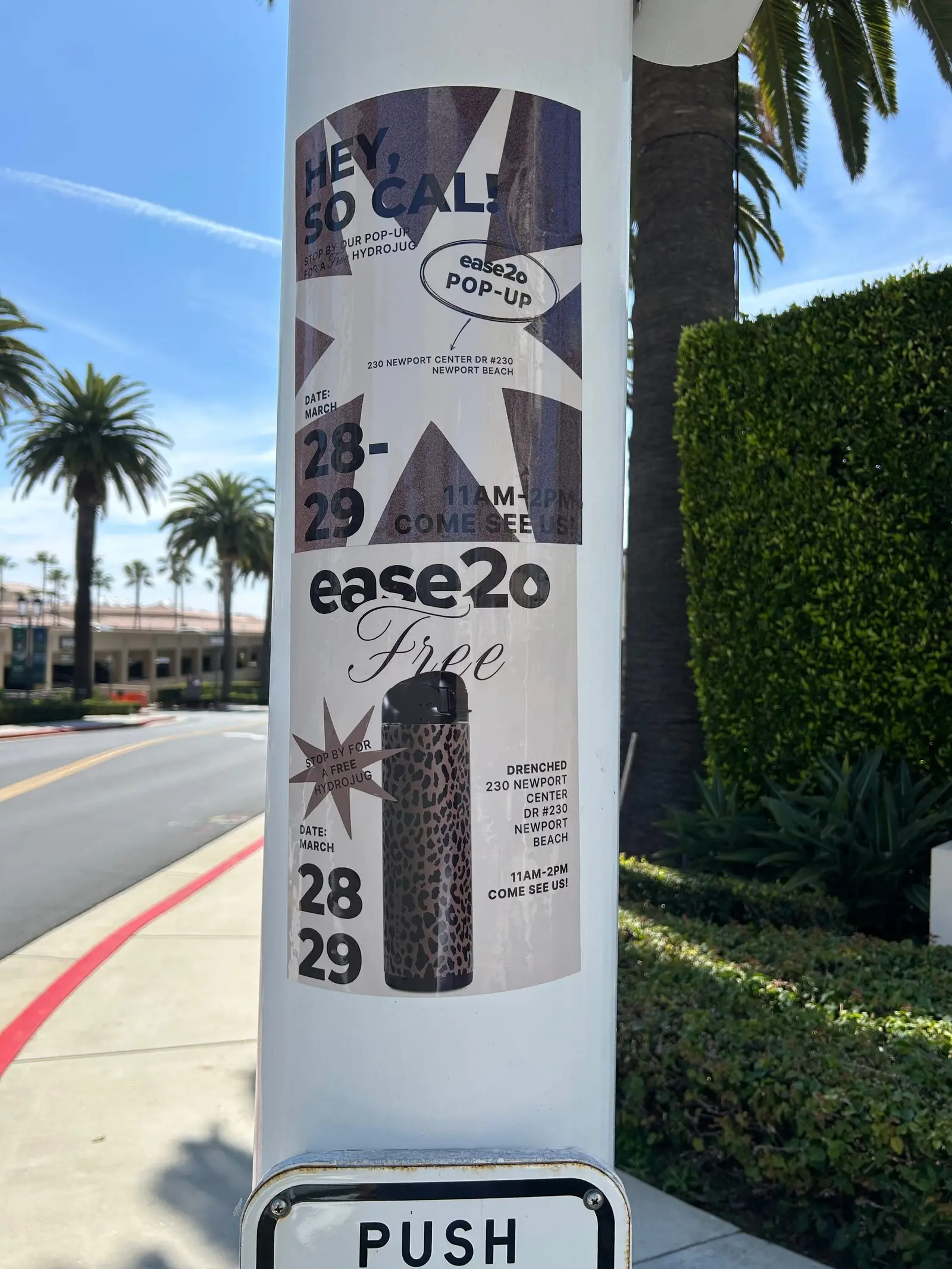
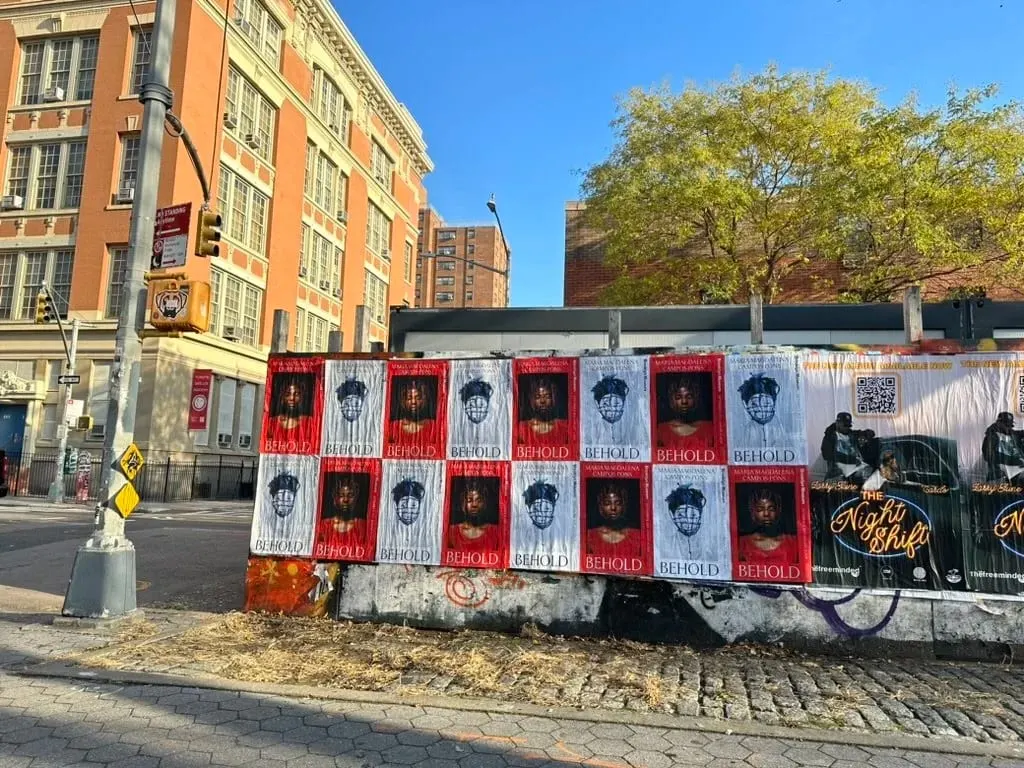
Every placement we install is photographed with GPS coordinates the day it goes up — the full photo record ships with your wrap deck.
500+ documented installs · Zero municipal removals on record · A GPS photo of every drop
Proof · Printed in-house · Installed by our crew
Handbills, priced in the open. Proof included.
Floors start at $1,800 with printing and installation included, 3-7 days turnaround. Send the brief; a scoped handbills quote comes back inside 24 hours with a GPS-stamped photo of every placement when the run wraps.
- Quote in under 24 hours
- No discovery call. The brief is the call.
- Printing & Installation under one roof
Brief us · Quote in under 24 hours
Start your handbills campaign.
How it's made.
Audience and route scouting
We map the ingress and egress points where the right crowd actually moves, then confirm legal distribution zones in each market before any crew dispatches. The route lead handles that check up front.
Format and stock
Standard handbills run 4x6 double-sided, 5x7 for a premium feel, and 8.5x11 folded to 5.5x8.5 for event programs and longer copy. Premium finishes like spot-UV, foil stamp, die-cut, and tear-off coupons add roughly 10 to 25 percent to print cost.
Printing and installation in-house
We print the paper and field the crew under one roof, so the stock, the script, and the drop are one accountable job instead of a print shop plus a separate labor vendor.
Hand-off protocol
Distributors approach at a calculated right-shoulder angle, never the chest-blocking front approach, and offer the flyer brand-side up with one line tuned to the audience and the offer. The no-pressure approach is what protects the read rate.
Documentation and reporting
Every program returns daily reach logs and a GPS-stamped photo record from the field, with scan-rate data folded in when the artwork carries a tracking code. The campaign closes with a final wrap deck.
Built to run together.
A-Frames
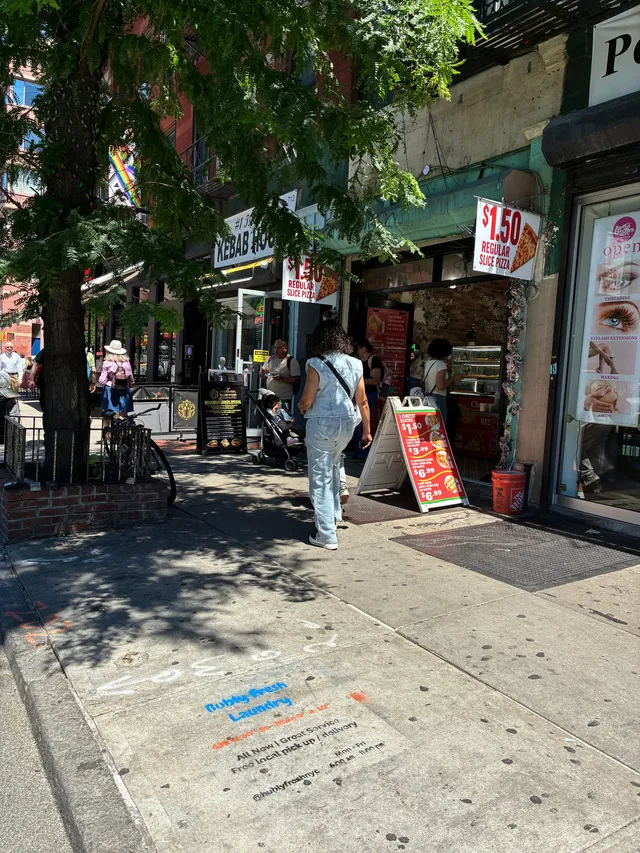
From$2,400Managed A-frame and sandwich-board placement, daily out/in service, and overnight storage across 30 US cities. Coroplast or chalkboard print included.
View discipline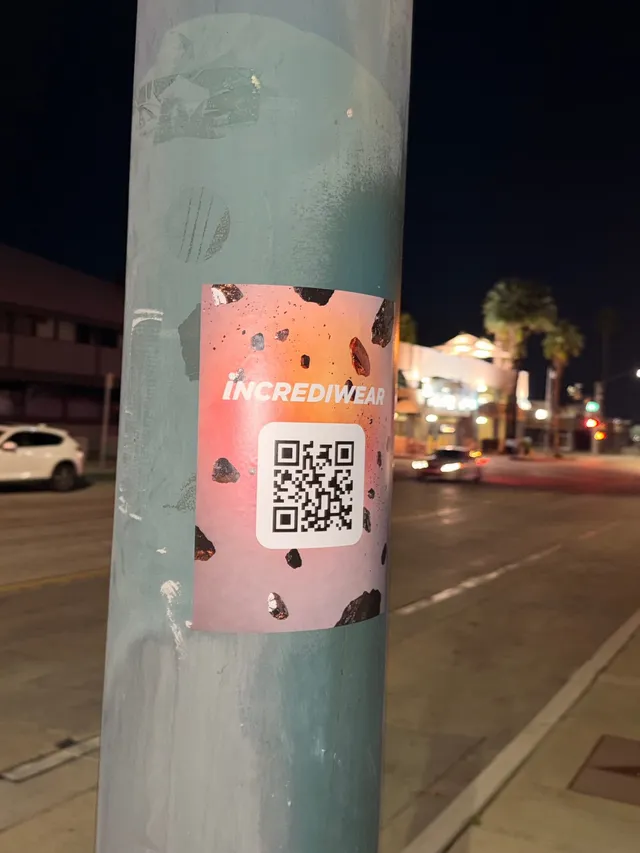
Door Hangers
From$2,200Residential door hanger distribution across single-family, condo, and apartment-building doorways in 35 US cities. Hand-placed, route-mapped, photo-logged.
View discipline
Yard Signs
From$2,800Managed yard sign placement, monitoring, and retrieval for political, real-estate, and event campaigns across 40 US cities. Coroplast print, photo proof.
View disciplineWhere to go next.
Guides & field notes
Frequently asked.
Q · 01 What does a handbill program cost?
Programs start at $1,800. That covers crew labor, distribution staging, daily reporting, and the final wrap deck. Premium finishes (spot-UV, foil, die-cut, perforations) and multi-day or multi-city scope move the final number. Print is quoted separately or rolled into the project line item, and a final quote returns in 24 to 48 hours.
Q · 02 How fast can you launch?
Three to seven business days from approved brief to the first crew on shift. The usual bottleneck is print production (about 2 to 4 days for runs under 25,000, longer for premium finishes), not crew availability. Rush windows of 48 to 72 hours are possible when the print is press-ready on intake.
Q · 03 Where do you distribute handbills?
High-pedestrian ingress and egress zones: concert venue exits, festival entrances, transit-hub doorways, neighborhood corridor crosswalks, gallery-opening sidewalks, brand pop-up storefronts, conference centers, and university gates. We do not distribute inside subway cars, on public transit, or anywhere municipal flyering is prohibited, and we scout and confirm legal zones for every market before a program launches.
Q · 04 How is this different from door hanger distribution?
Handbills are hand-to-hand: a trained crew approaches pedestrians at high-traffic ingress and egress points and offers the flyer directly, so the conversion intent is event-driven (come tonight, scan now, visit by Saturday). Door hangers are unattended and residential, hung on doors along a route for residents in a ZIP, with a longer mailbox-life intent. See our door hanger distribution service for residential work.
Q · 05 Can you track results from a paper drop?
Yes, when the artwork carries a scan code on the back. That turns the drop into measurable response, and the scan-rate data integrates with the daily reach logs the crew files from the field.
Q · 06 Do you handle the printing too?
Yes. We print the handbills and run the distribution in-house, so the stock, finish, and field crew are one job under one team rather than a print-only shop plus a separate labor vendor.
Run a handbills campaign?
Same crew, your brand.
We've got the crew.