Guerrilla street marketing in St. Paul.
Wheatpaste, murals, stencils, and pole-stickers across St. Paul, from Lowertown, West Seventh, Downtown. Permitted walls, hand-installed, GPS-stamped photo proof.
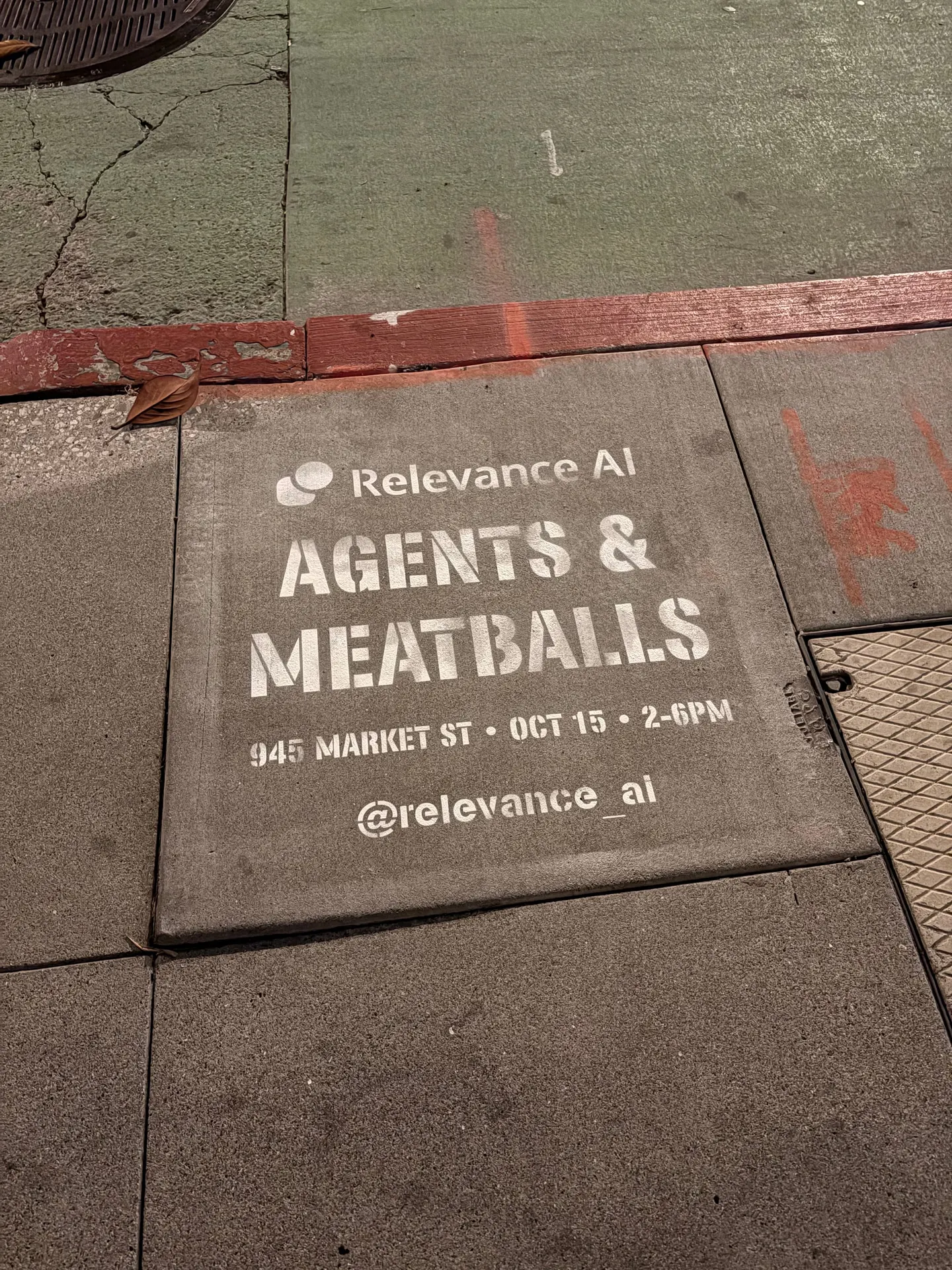
We delivered.




















Brand partners include: FIFA World Cup 2026, Palantir, Sézane, G-Shock, Mitchell & Ness, True Religion, Huda Beauty, Yonex, Relevance AI, Momentous, RYZE Coffee, Bloom Effects, Incrediwear, Brooklyn Museum, Sweat FC, HydroJug, Frameline, Alchemy, OneRepublic, Lone Fox, Vaura Pilates.
- 6Neighborhoods on route
- 7-10dBrief to first install
- 100%GPS photo-proofed
- 0Municipal removals on record
Street-level marketing, printed and installed by us.
Guerrilla marketing puts your brand on St. Paul streets where people actually walk — sidewalk stencils, hand-painted murals, pole snipes, poster walls, and interior takeovers, printed and installed by one crew. No media-owner middleman, no billboard rates: every placement is permitted, hand-applied, and photographed the day it goes up.
- 01Brief & route
You send the brand, dates, and audience. We map the St. Paul corridors where that buyer actually walks and price off the published floor.
- 02Scout & secure
Crews scout walls on foot, then lock every surface in writing: owner agreement, BID-cleared scaffold, or permitted hoarding. The paper trail ships with the photos.
- 03Print & install
We print in-house and hand-install from dawn, moving neighborhood to neighborhood. Tier-1 dispatch means same-week turnarounds on print-ready creative.
- 04Document
Every placement shot wide, mid, and detail, GPS-stamped on install day. The wrap deck lands within five business days with the full proof set.

Proof · Printed in-house · Installed by our crew
Guerrilla marketing in St. Paul, priced in the open. Proof included.
Stencils, posters, stickers, murals, and interior installs across St. Paul. Send the brief; a scoped quote comes back inside 24 hours, with a GPS-stamped photo of every placement when the run wraps.
- Quote in under 24 hours
- No discovery call. The brief is the call.
- Printing & Installation under one roof
Brief us · Quote in under 24 hours
Start your St. Paul campaign.
Pick a format. We print and install it.
Every format below is printed and installed in-house, scouted, hand-applied, and GPS-photographed on St. Paul streets. Pick the one that fits the brief; the full catalog is one click away.
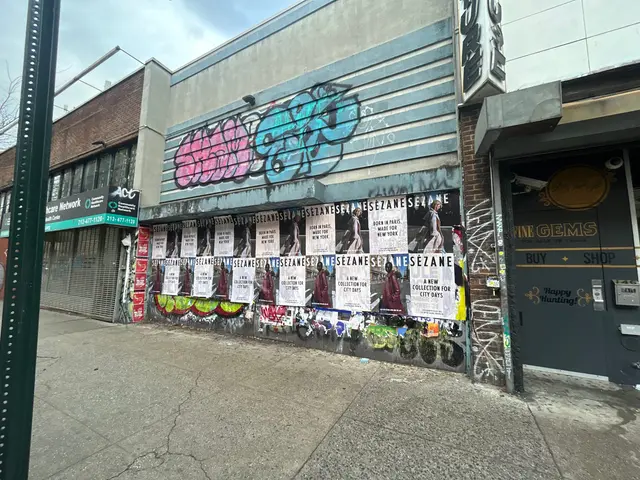
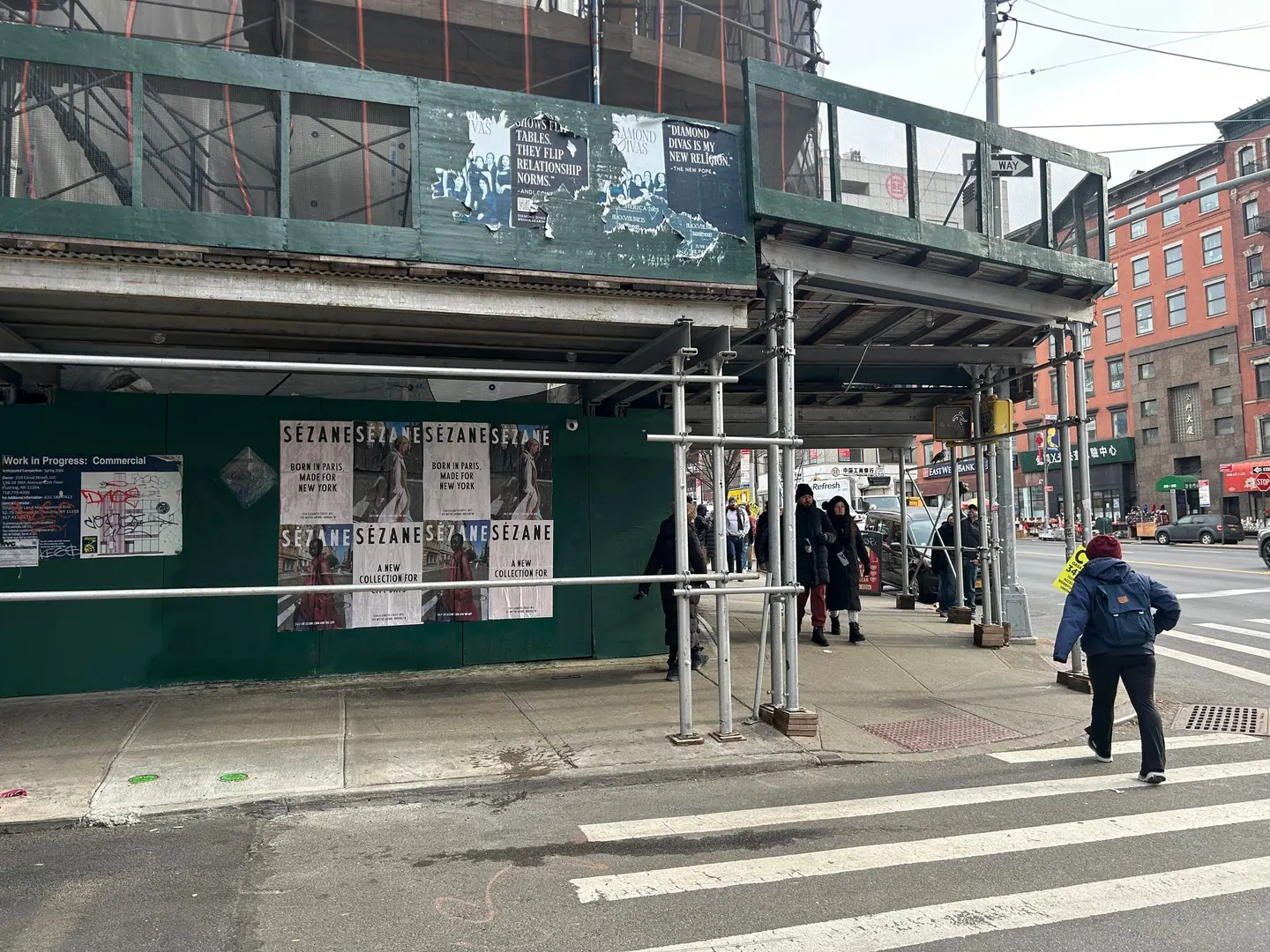
Wheatpaste & Posters
Hand-pasted poster walls on brick, scaffold, and hoarding.
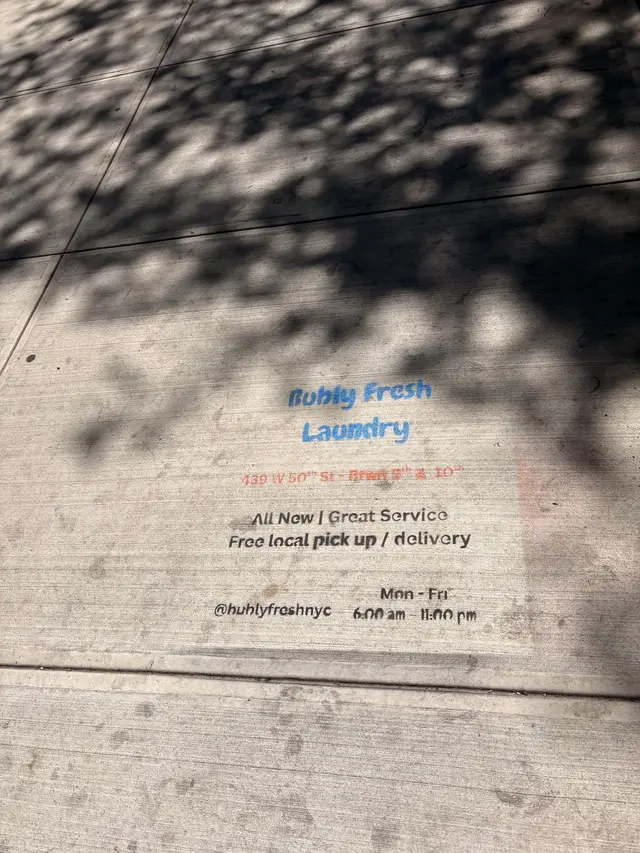
Sidewalk Stencils
Biodegradable street stencils on permitted corners.
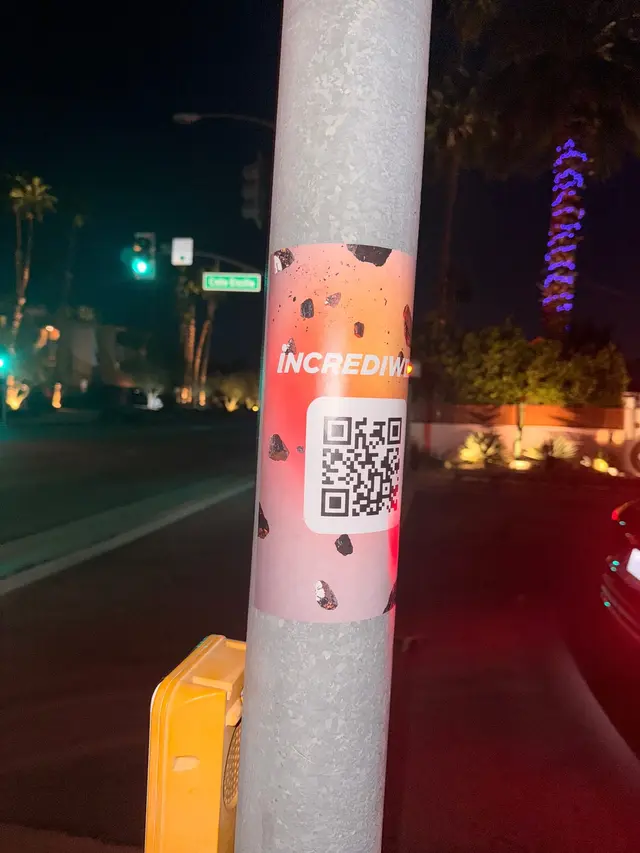
Pole Stickers & Snipes
Corridor saturation on poles, boxes, and news racks.
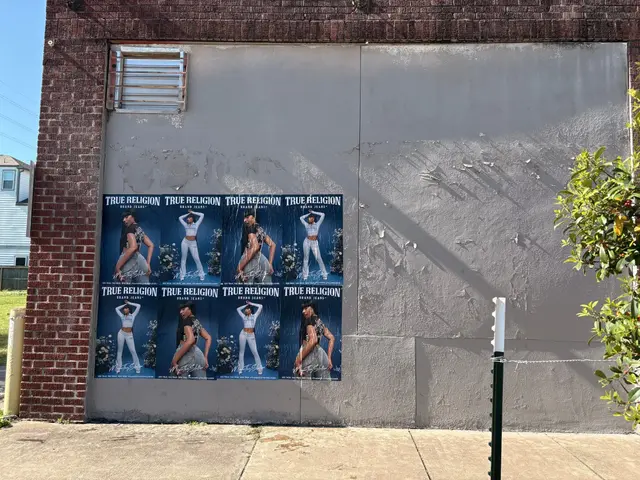
Hand-Painted Murals
Brush-painted brand walls at building scale.
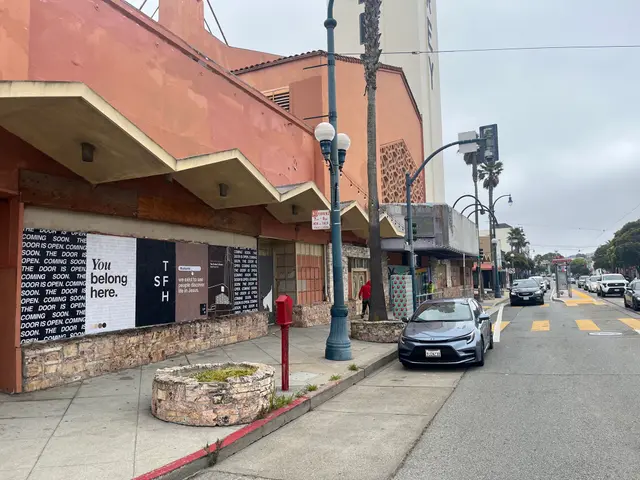
Custom Poster Installs
Posters and wraps inside venues, gyms, and pop-ups.
All 39 services
The full guerrilla-marketing catalog: wraps, decals, takeovers, and more.
Why street media works in St. Paul.
St. Paul sits quieter than Minneapolis, which is exactly why the paste lands. The capital city routes state government, the courts, legislative-session traffic, and the West Seventh lobbying corridor, so cause campaigns and civic communications hit harder here than across the river. Lowertown's loft blocks concentrate galleries and artist lofts into a six-block radius with roughly twenty paste-friendly brick walls. Pair St. Paul with Minneapolis for full Twin Cities saturation, or run it alone for the advocacy and independent-cultural read.
Three reasons brands book us here
- 1Lowertown loft district carries the arts read
The warehouse blocks between Mears Park and the river concentrate galleries, artist lofts, and the Lowertown Sound venues. Roughly twenty paste-friendly brick walls inside a six-block radius. Audiences here read independent and cultural, distinct from the Minneapolis Northeast crowd. Pair the two cities for full Twin Cities saturation.
- 2Capital city government audience
St. Paul carries the state government, the courts, the legislative session traffic, and the lobbying corridor along West Seventh. Office buildings absorb a different audience than Minneapolis's corporate core: more public sector, more nonprofit, more advocacy. Cause campaigns and civic communications hit harder here than across the river.
- 3State Fair window in late August
The Minnesota State Fair runs twelve days at the end of August into Labor Day and pulls roughly 2 million visitors to the fairgrounds at Snelling and Como. Pre-staged paste across West Seventh, Lowertown, and Grand Avenue catches the same audience routing in and out. Brands that book the first week of August hold paste through the full Fair without re-pasting.
Where we run it · 6 neighborhoods
- 01LowertownMears Park · Lowertown loft blocks · riverfrontHistoric brick lofts · gallery wallsT1
- 02West SeventhWest SeventhCommercial walls · entertainment district near the XT1
- 03DowntownDowntown office corridors · skyway-adjacent blocksOffice corridors · skyway-adjacent ground floorsT1
- 04Cathedral HillCathedral Hill storefront blocksHistoric-residential · small-format storefrontsT1
- 05Grand AvenueGrand Avenue retail corridorRetail corridor walls · boutique shoppingT1
- 06Summit HillSummit Hill residential blocksResidential historic · light-touch placementT1
Surfaces, permits & timing
Surfaces
6 neighborhoods scouted weekly: 40+ wheatpaste walls, 12+ BID-permitted scaffold corners, 8+ mural-ready sites, plus interior partners. Brick, concrete, hoarding, and storefront.
Permit path
St. Paul allows wheatpaste on private property with written owner consent. We pull that paperwork before every install. Lowertown's loft district and the West Seventh corridor have working relationships with commercial activation; Cathedral Hill and Grand Avenue are smaller-format and run lighter. Public infrastructure (utility poles, transit shelters, right-of-way, Metro Transit Green Line) is off-limits. The Capitol Area Architectural and Planning Board governs a separate overlay around the State Capitol grounds. Our compliance file tracks the city code, the CAAPB overlay, and the Lowertown Historic District designation. Code Enforcement reads complaints as a property-rights matter, so the paperwork is the answer.
When to run
May through September is the optimal install window. Winter (December through February) needs a weather contingency: subzero stretches affect cure time and street salt becomes an issue on lower walls. The Minnesota State Fair runs twelve days from late August into Labor Day and pulls roughly 2 million visitors to the fairgrounds at Snelling and Como. Brands that book the first week of August hold pre-staged paste across West Seventh, Lowertown, and Grand Avenue through the full Fair without re-pasting.
From the field · St. Paul & beyond
Cross the city line.
St. Paul briefs regularly extend into the rest of Minnesota. Same operator contract, same field log, different ZIP code. Pick a sibling market and we route the brief in 48 hours.
What the brief actually costs.
BSM publishes per-discipline floors, no RFP gatekeeping. Every St. Paul brief starts from the same published rate card. Permits and scaffold pass through at cost, no agency markup.
Wheatpaste posters
Walls, scaffolds, hoardings · 5-7d leadFrom $3,500Sidewalk stencils
Permitted corners · biodegradable medium · 14-21d weather windowFrom $2,500Snipes + stickers
Poles, utility boxes, news boxes · corridor saturationFrom $3,000Expedited
24-72h brief-to-install on any format above · St. Paul crews on standby+80-150%+Ranges vary by turnaround, size, location count, and service mix. Murals $18k-$65k+. Final quote in 24-48h.
Buyer questions.
What St. Paul brand managers ask on intake calls. Permit reality, lead time, minimums, photo proof. If your question isn't here, brief us directly.
Q · 01 Is wheatpasting legal in St. Paul?
Yes, with written owner consent on private property. We secure that paperwork before every install. Public infrastructure (utility poles, transit shelters, Metro Transit Green Line, right-of-way) is never touched, period. Lowertown's Historic District designation and the Capitol Area overlay carry stricter rules than the citywide code; we pre-clear walls against both. Code Enforcement reads complaints as a property-rights matter, so the paperwork is the answer.
Q · 02 How is St. Paul different from a Minneapolis campaign?
Different audience, same metro. Minneapolis routes corporate, design, and Northeast arts. St. Paul routes government, capital-city civic, and the Lowertown independent-arts read. Brands that need to cover the full Twin Cities run both. Brands that need the cause, advocacy, or independent-cultural audience often choose St. Paul alone.
Q · 03 How much does a St. Paul wheatpaste campaign cost?
Wheatpaste in St. Paul starts at $3,500 per campaign, print and install included. Multi-neighborhood programs across Lowertown, Downtown, West Seventh, and Cathedral Hill price up from the published floor. The final number depends on turnaround, size, location count, and combined service mix, and it tracks print volume and crew days, not the brand on the poster. Final quote returns in 24-48 hours. State Fair window pricing adds roughly fifteen percent for the early-August prep run that holds through Labor Day.
Q · 04 Which St. Paul neighborhoods get the strongest paste-up coverage?
Lowertown carries the densest paste-friendly brick. West Seventh holds the government and entertainment corridor near the X. Cathedral Hill and Grand Avenue serve historic-residential foot traffic. Summit Hill is largely residential and runs light. Highland Park and Macalester-Groveland are college-and-residential, lighter density. Most campaigns route Lowertown first.
Q · 05 How long does it take to launch a St. Paul campaign?
Seven to fourteen days from creative lock to first install. Same-week is doable when print files are press-ready and properties are pre-cleared. Winter campaigns (December through February) need a weather contingency: subzero stretches affect cure time and street salt becomes an issue on lower walls. May through September is the optimal window.
Got a corner in St. Paul?
We've got the paste.
Tell us the neighborhood, the dates, and the brand. St. Paul-mapped install plan back in 24-48 hours.