Guerrilla street marketing in Honolulu.
Wheatpaste, murals, stencils, and pole-stickers across Honolulu, from Chinatown, Kakaʻako, Downtown. Permitted walls, hand-installed, GPS-stamped photo proof.
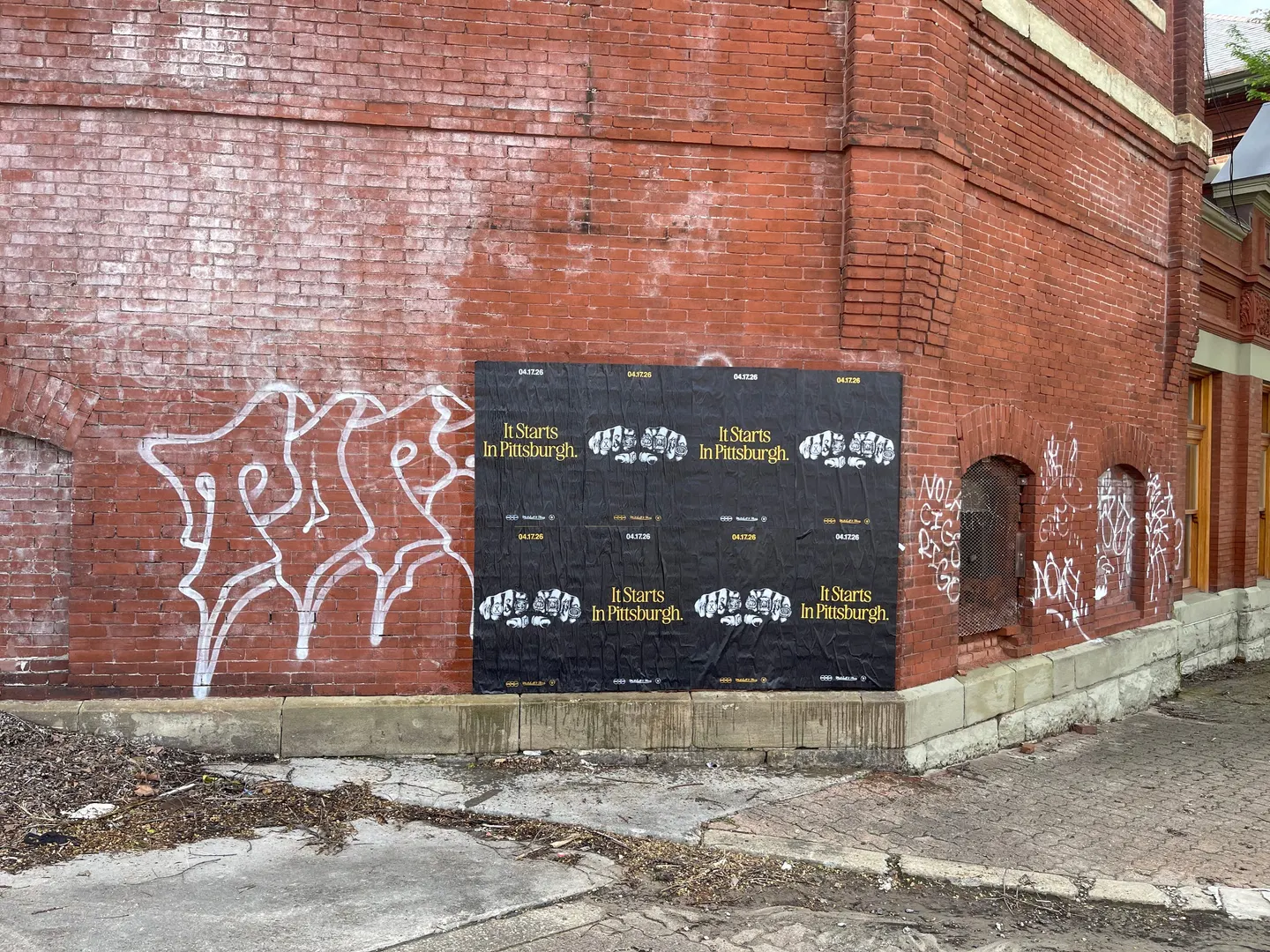
We delivered.




















Brand partners include: FIFA World Cup 2026, Palantir, Sézane, G-Shock, Mitchell & Ness, True Religion, Huda Beauty, Yonex, Relevance AI, Momentous, RYZE Coffee, Bloom Effects, Incrediwear, Brooklyn Museum, Sweat FC, HydroJug, Frameline, Alchemy, OneRepublic, Lone Fox, Vaura Pilates.
- 6Neighborhoods on route
- 10-14dBrief to first install
- 100%GPS photo-proofed
- 0Municipal removals on record
Street-level marketing, printed and installed by us.
Guerrilla marketing puts your brand on Honolulu streets where people actually walk — sidewalk stencils, hand-painted murals, pole snipes, poster walls, and interior takeovers, printed and installed by one crew. No media-owner middleman, no billboard rates: every placement is permitted, hand-applied, and photographed the day it goes up.
- 01Brief & route
You send the brand, dates, and audience. We map the Honolulu corridors where that buyer actually walks and price off the published floor.
- 02Scout & secure
Crews scout walls on foot, then lock every surface in writing: owner agreement, BID-cleared scaffold, or permitted hoarding. The paper trail ships with the photos.
- 03Print & install
We print in-house and hand-install from dawn, moving neighborhood to neighborhood. Scout-and-install routes the brief on a per-market schedule.
- 04Document
Every placement shot wide, mid, and detail, GPS-stamped on install day. The wrap deck lands within five business days with the full proof set.

Proof · Printed in-house · Installed by our crew
Guerrilla marketing in Honolulu, priced in the open. Proof included.
Stencils, posters, stickers, murals, and interior installs across Honolulu. Send the brief; a scoped quote comes back inside 24 hours, with a GPS-stamped photo of every placement when the run wraps.
- Quote in under 24 hours
- No discovery call. The brief is the call.
- Printing & Installation under one roof
Brief us · Quote in under 24 hours
Start your Honolulu campaign.
Pick a format. We print and install it.
Every format below is printed and installed in-house, scouted, hand-applied, and GPS-photographed on Honolulu streets. Pick the one that fits the brief; the full catalog is one click away.
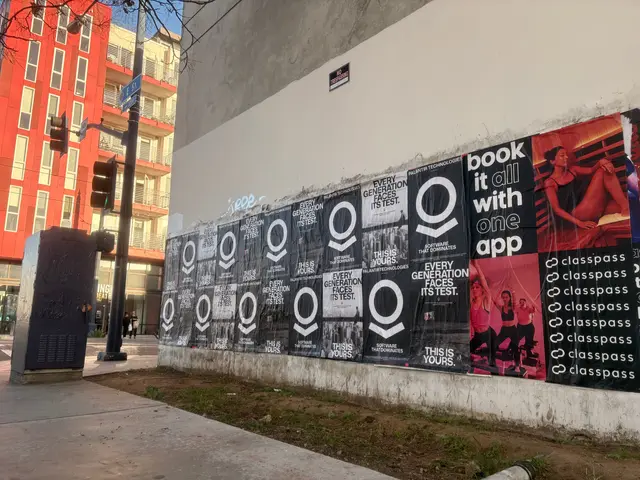
Wheatpaste & Posters
Hand-pasted poster walls on brick, scaffold, and hoarding.
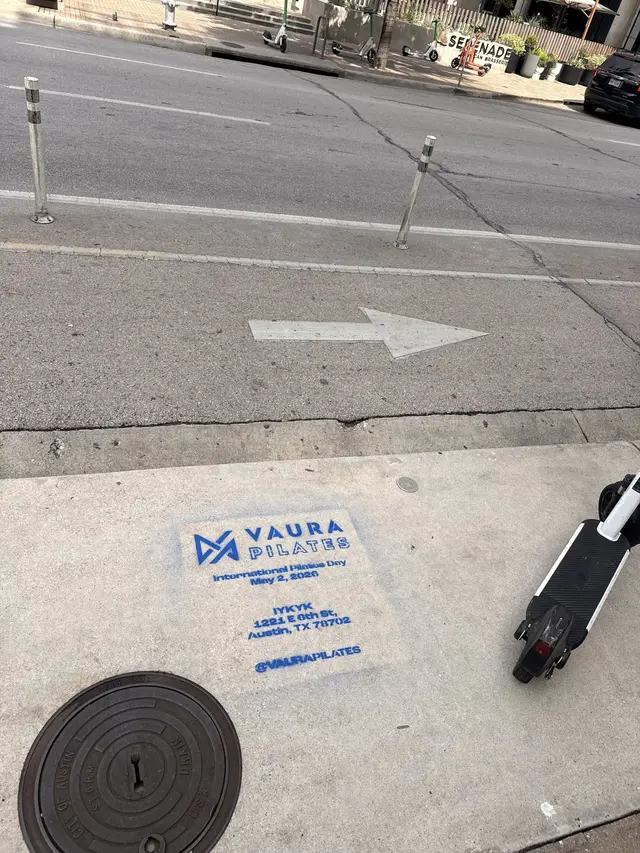
Sidewalk Stencils
Biodegradable street stencils on permitted corners.
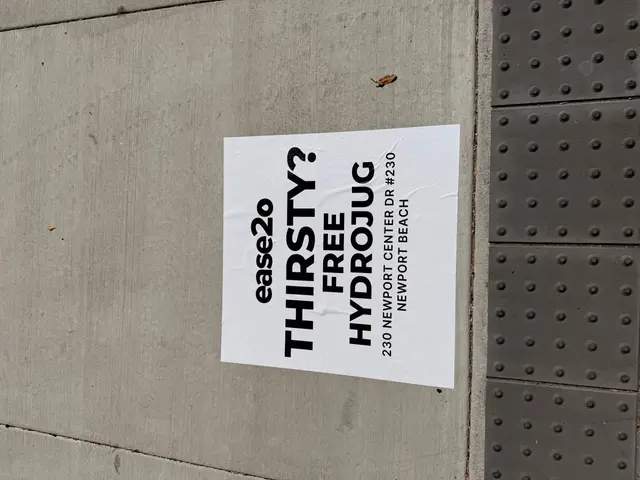
Pole Stickers & Snipes
Corridor saturation on poles, boxes, and news racks.
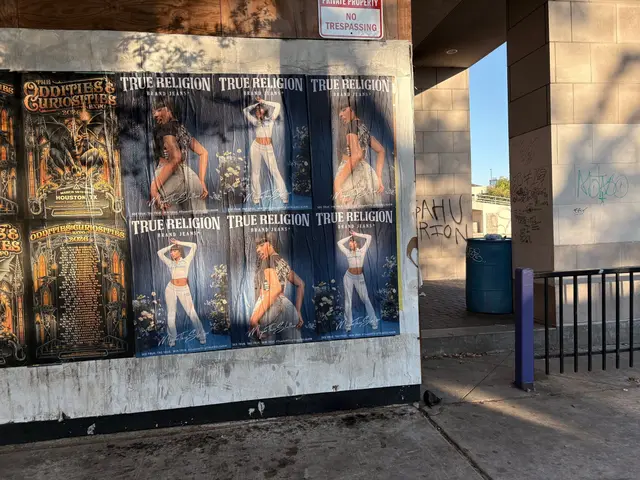
Hand-Painted Murals
Brush-painted brand walls at building scale.
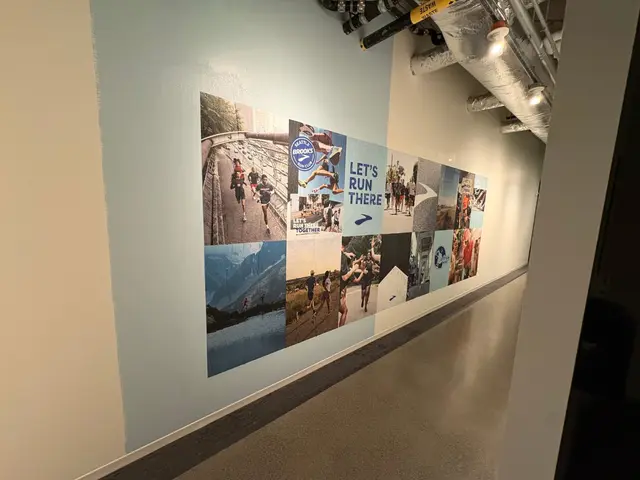
Custom Poster Installs
Posters and wraps inside venues, gyms, and pop-ups.
All 39 services
The full guerrilla-marketing catalog: wraps, decals, takeovers, and more.
Why street media works in Honolulu.
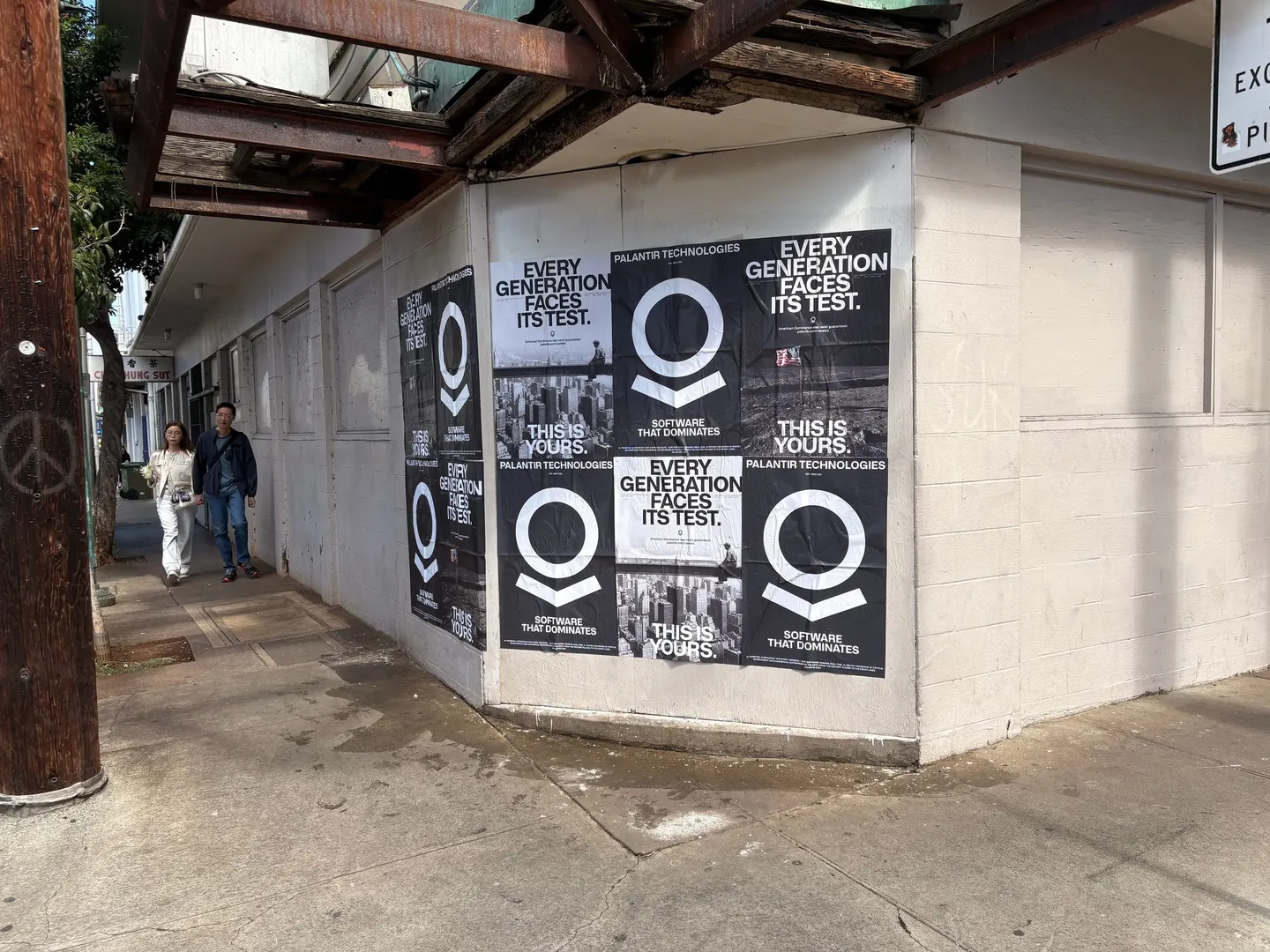
Hawaii bans most outdoor billboards under HRS Chapter 445, which collapses the traditional out-of-home stack down to wheatpaste, paste-up murals, sidewalk stencils, and interior installs. That makes street media the only legal way to reach Oʻahu audiences at scale outside digital, and Kakaʻako carries permission-rich wall inventory no other US city matches block-for-block. The 2026 Palantir Technologies campaign proved a mainland-scale tech brand can run guerrilla street media in Honolulu without operational compromise.
Three reasons brands book us here
- 1The state where billboards are illegal
Hawaii bans most outdoor billboards under HRS 445, alongside Vermont, Maine, and Alaska. That makes wheatpaste, paste-up murals, and stencil work the only legal way to reach Oʻahu street audiences at scale outside digital. The crew runs it at mainland-grade documentation standards.
- 2Kakaʻako, the mural capital of the Pacific
Pow! Wow! Hawaii has built permission-rich wall inventory along Cooke, Auahi, and Pohukaina that no other US city matches block-for-block. Entire warehouse facades operate as a curated outdoor gallery. We coordinate with the same property owners and arts coalitions to add paste-up and stencil layers around the standing mural program.
- 3Pacific shipping and military-base audience
Joint Base Pearl Harbor-Hickam, Schofield, and Kaneohe Bay add a defense-contractor and DoD-adjacent audience that no other Pacific market carries. Honolulu Harbor handles Pacific shipping freight that feeds Asia-Pacific corridors. The Palantir 2026 campaign proved the tech-and-defense register on downtown walls.
Where we run it · 6 neighborhoods
- 01ChinatownHotel St · Maunakea St · covered alleysCovered-alley brick · venue exteriorsT2
- 02KakaʻakoCooke St · Auahi St · Pohukaina StMural-adjacent walls · warehouse facades · Pow! Wow! corridorT2
- 03DowntownBishop St · Merchant StFinancial-corridor commercial wallsT2
- 04WaikikiHospitality and retail corridorDirect-sun retail walls · hospitality storefrontsT2
- 05Ala MoanaMall-adjacent transit corridorMall-adjacent retail · transit-corridor placementsT2
- 06Kaimuki / KapahuluIndie commercial corridorsIndie commercial · restaurant frontageT2
Surfaces, permits & timing
Surfaces
6 neighborhoods on the active route: wheatpaste walls, scaffold corners, and mural-ready sites scouted per brief. Brick, concrete, hoarding, and storefront.
Permit path
Hawaii is one of only four states to ban outdoor billboards statewide under HRS Chapter 445, which is why paste-up, mural, and stencil work carry Oʻahu's non-digital street presence rather than any lit board. Honolulu permits wheatpaste on private property when written owner consent is in hand, and the City and County enforces unauthorized posting on public infrastructure under Revised Ordinances of Honolulu Chapter 29 with per-surface fines, so utility poles, transit, and right-of-way are never in play, and installs land only on permissioned commercial walls, scaffold panels, and hoarding. Native Hawaiian cultural sites and ahupuaʻa boundaries stay off-limits regardless of how a parcel is classified, as do heiau and any surface within line-of-sight of a registered cultural site, and creative referencing Hawaiian language, hula, or cultural symbols routes through Native Hawaiian community review before print. In Kakaʻako, mural permissions run through long-standing ties between property owners, the Pow! Wow! Hawaii organization, and Hawaii Community Development Authority guidance, so a Pow! Wow!-permissioned wall opens to a commercial campaign only with artist and property-owner sign-off.
When to run
Trade-wind humidity speeds adhesive cure but accelerates paper degradation under direct sun and salt air, so UV-resistant exterior paper stock and water-based wheatpaste cured for tropical conditions are the default year-round. Dwell on covered Chinatown walls runs 21 to 35 days. Direct-sun Waikiki placements run 14 to 21 days. Crews install on overnight and early-morning windows, with adjustments for dawn surf-traffic patterns in Waikiki and trade-wind direction on building sides. Daily inspection photos document any premature wear, and multi-island briefs add 3 to 5 days for inter-island logistics.
From the field · Honolulu & beyond
Recent campaigns in Honolulu
Cross the city line.
Honolulu briefs regularly extend into the rest of Hawaii. Same operator contract, same field log, different ZIP code. Pick a sibling market and we route the brief in 48 hours.
What the brief actually costs.
BSM publishes per-discipline floors, no RFP gatekeeping. Every Honolulu brief starts from the same published rate card. Permits and scaffold pass through at cost, no agency markup.
Wheatpaste posters
Walls, scaffolds, hoardings · 7-10d leadFrom $3,500Sidewalk stencils
Permitted corners · biodegradable medium · 14-21d weather windowFrom $2,500Snipes + stickers
Poles, utility boxes, news boxes · corridor saturationFrom $3,000Expedited
24-72h brief-to-install on any format above · Honolulu crews on standby+80-150%+Ranges vary by turnaround, size, location count, and service mix. Murals $18k-$65k+. Final quote in 24-48h.
Buyer questions.
What Honolulu brand managers ask on intake calls. Permit reality, lead time, minimums, photo proof. If your question isn't here, brief us directly.
Q · 01 Can you actually run street campaigns in Honolulu?
Yes, and it's the only legal path to Oʻahu street audiences at scale. Hawaii's statewide billboard ban under HRS Chapter 445 collapses the out-of-home stack down to wheatpaste, paste-up murals, and sidewalk stencils, which is the exact format we've documented here. The 2026 Palantir Technologies campaign ran that playbook across Chinatown's covered alleys and Downtown's Bishop and Merchant Street walls, with GPS-stamped install photos landing within a day or two of paste and daily logs the whole run. Pricing opens at $3,500 with print and installation both included.
Q · 02 Is wheatpasting legal in Honolulu?
Yes, on private property carrying written owner consent, which we lock down on paper before a single sheet goes up. The City and County of Honolulu fines unauthorized posting on public infrastructure (utility poles, transit shelters, right-of-way) under Revised Ordinances of Honolulu Chapter 29, so none of that is ever touched. Our surfaces stay permissioned only: financial-corridor commercial walls on Bishop and Merchant, covered-alley brick in Chinatown, scaffold panels, and construction hoarding.
Q · 03 Which neighborhoods does the crew cover in Honolulu?
Active zones span Chinatown's covered-alley brick and venue exteriors along Hotel and Maunakea, Kakaʻako's warehouse facades on the Cooke–Auahi–Pohukaina mural corridor, and Downtown's financial-corridor walls on Bishop and Merchant. Beyond the core, crews run Waikiki's direct-sun hospitality storefronts, Ala Moana's mall-adjacent transit placements, the indie restaurant frontage of Kaimuki and Kapahulu, Mānoa's university-corridor café exteriors, and McCully-Mōʻiliʻili's residential-mix commercial blocks. The Palantir install concentrated on Chinatown and Downtown.
Q · 04 How does the climate affect paste-up campaigns on Oʻahu?
Trade-wind humidity actually speeds adhesive cure, but direct sun and salt air chew through paper fast, so every Oʻahu run defaults to UV-resistant exterior stock and water-based wheatpaste mixed for tropical conditions. A covered brick wall in a Chinatown alley holds 21 to 35 days; a direct-sun retail wall in Waikiki runs 14 to 21. Crews also read trade-wind direction to pick the right building side, and daily inspection photos flag any premature wear while the campaign is live.
Q · 05 Can you coordinate with Kakaʻako mural permissions?
Yes. The wall inventory along Cooke, Auahi, and Pohukaina is the mural capital of the Pacific, and its permissions live inside long-standing relationships between property owners, the Pow! Wow! Hawaii organization, and Hawaii Community Development Authority guidance. We add paste-up and mural-adjacent layers through those same owners and arts coalitions. A Pow! Wow!-permissioned wall never goes commercial without both artist and property-owner sign-off. That consent is non-negotiable on every placement.
Got a corner in Honolulu?
We've got the paste.
Tell us the neighborhood, the dates, and the brand. Honolulu-mapped install plan back in 24-48 hours.