Guerrilla street marketing in Charleston, WV.
Wheatpaste, murals, stencils, and pole-stickers across Charleston, from Downtown, East End, West Side. Permitted walls, hand-installed, GPS-stamped photo proof.
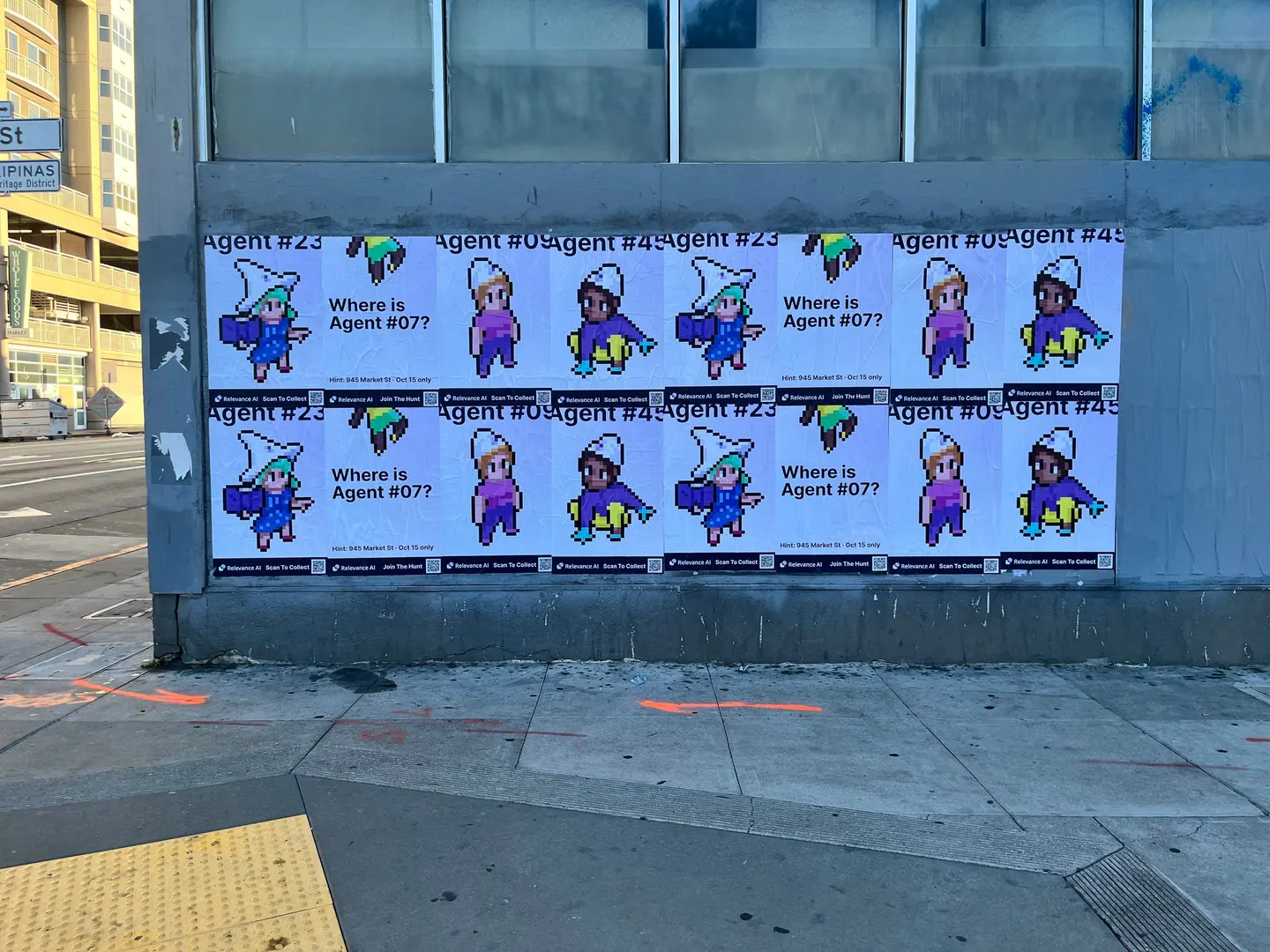
We delivered.




















Brand partners include: FIFA World Cup 2026, Palantir, Sézane, G-Shock, Mitchell & Ness, True Religion, Huda Beauty, Yonex, Relevance AI, Momentous, RYZE Coffee, Bloom Effects, Incrediwear, Brooklyn Museum, Sweat FC, HydroJug, Frameline, Alchemy, OneRepublic, Lone Fox, Vaura Pilates.
- 5Neighborhoods on route
- 10-14dBrief to first install
- 100%GPS photo-proofed
- 0Municipal removals on record
Street-level marketing, printed and installed by us.
Guerrilla marketing puts your brand on Charleston streets where people actually walk — sidewalk stencils, hand-painted murals, pole snipes, poster walls, and interior takeovers, printed and installed by one crew. No media-owner middleman, no billboard rates: every placement is permitted, hand-applied, and photographed the day it goes up.
- 01Brief & route
You send the brand, dates, and audience. We map the Charleston corridors where that buyer actually walks and price off the published floor.
- 02Scout & secure
Crews scout walls on foot, then lock every surface in writing: owner agreement, BID-cleared scaffold, or permitted hoarding. The paper trail ships with the photos.
- 03Print & install
We print in-house and hand-install from dawn, moving neighborhood to neighborhood. Scout-and-install routes the brief on a per-market schedule.
- 04Document
Every placement shot wide, mid, and detail, GPS-stamped on install day. The wrap deck lands within five business days with the full proof set.

Proof · Printed in-house · Installed by our crew
Guerrilla marketing in Charleston, priced in the open. Proof included.
Stencils, posters, stickers, murals, and interior installs across Charleston. Send the brief; a scoped quote comes back inside 24 hours, with a GPS-stamped photo of every placement when the run wraps.
- Quote in under 24 hours
- No discovery call. The brief is the call.
- Printing & Installation under one roof
Brief us · Quote in under 24 hours
Start your Charleston campaign.
Pick a format. We print and install it.
Every format below is printed and installed in-house, scouted, hand-applied, and GPS-photographed on Charleston streets. Pick the one that fits the brief; the full catalog is one click away.
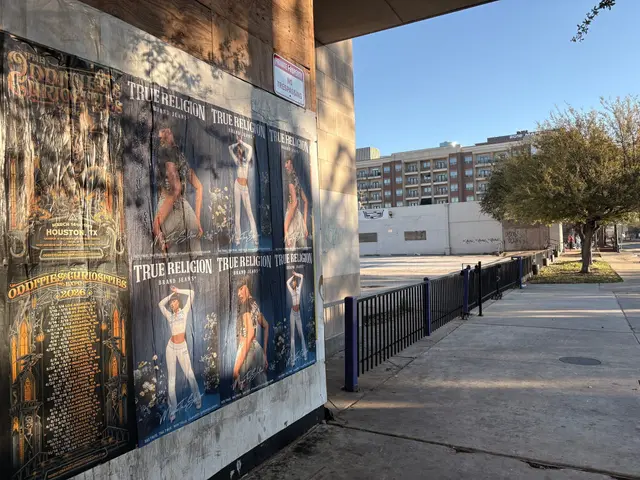
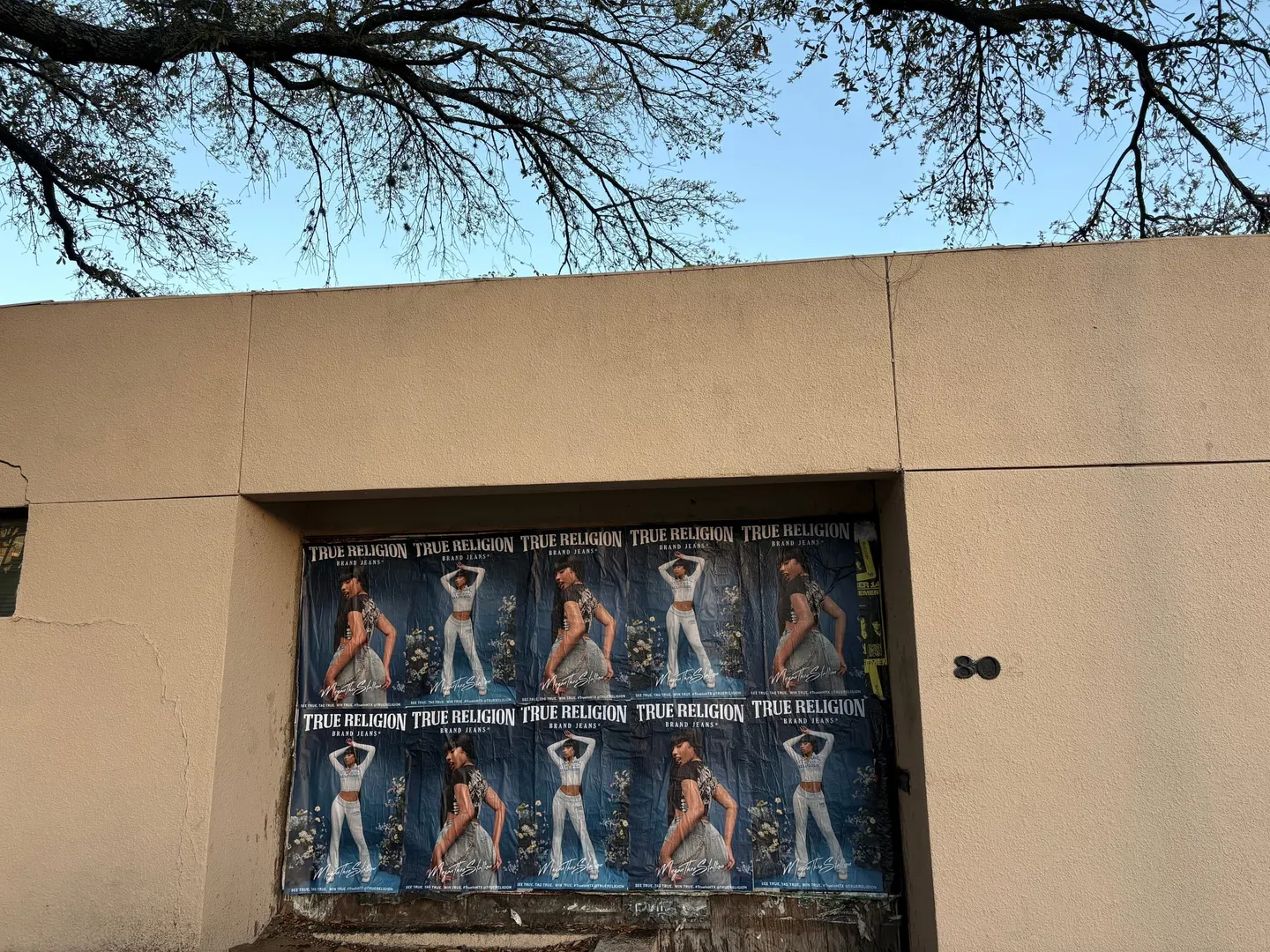
Wheatpaste & Posters
Hand-pasted poster walls on brick, scaffold, and hoarding.
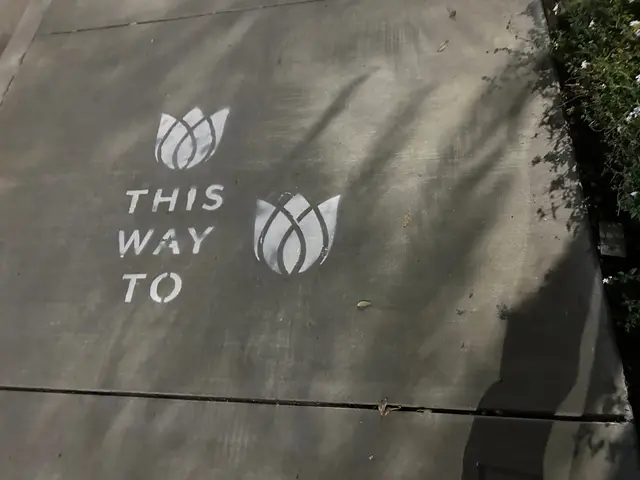
Sidewalk Stencils
Biodegradable street stencils on permitted corners.
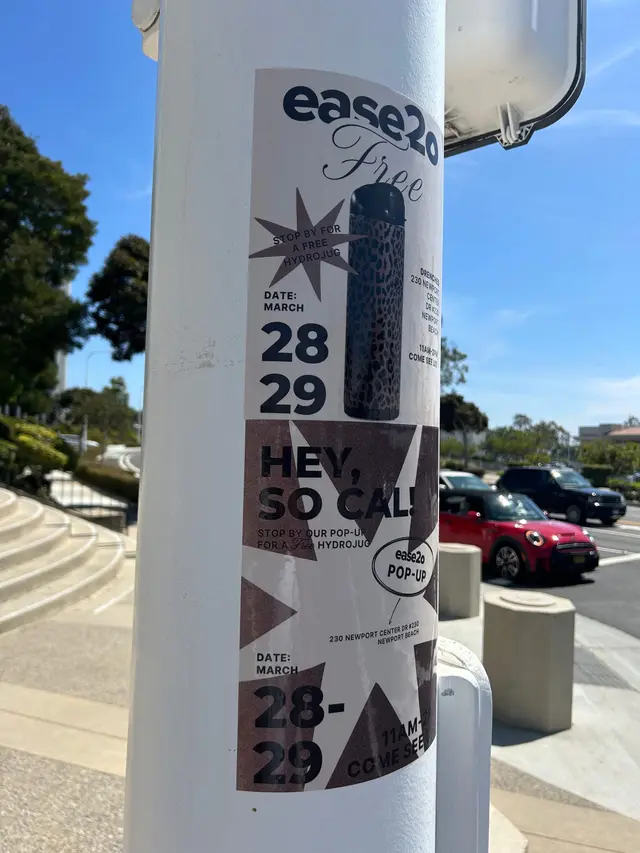
Pole Stickers & Snipes
Corridor saturation on poles, boxes, and news racks.
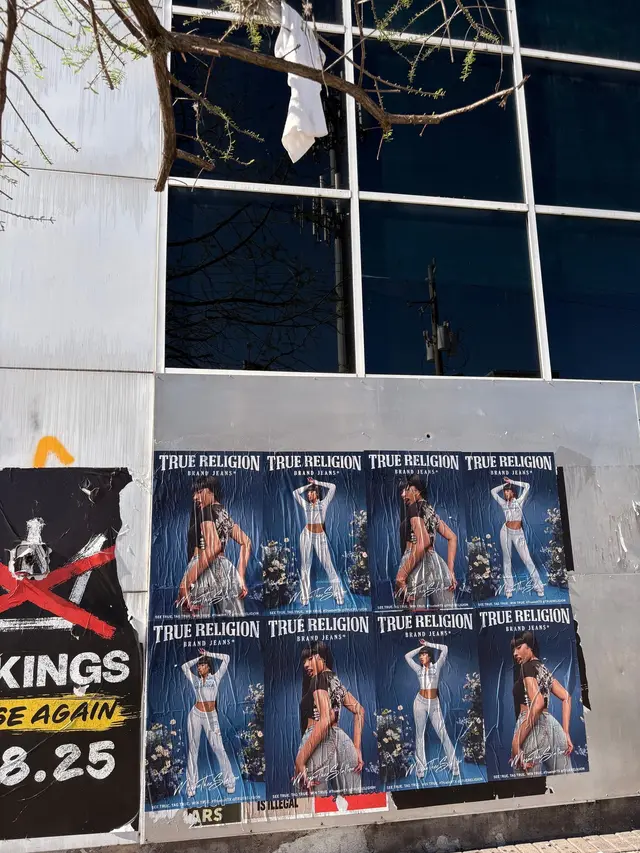
Hand-Painted Murals
Brush-painted brand walls at building scale.
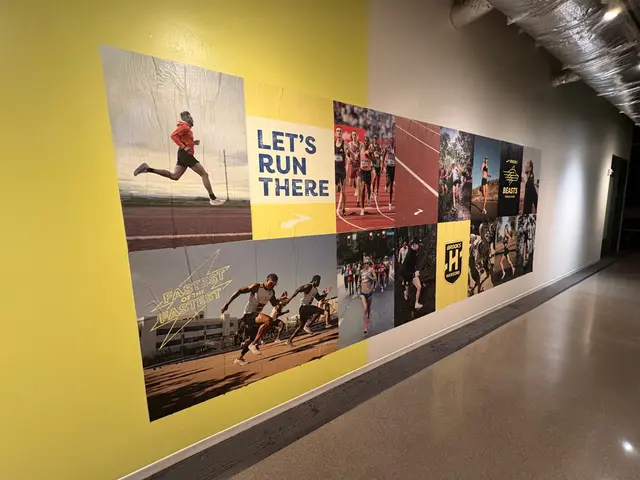
Custom Poster Installs
Posters and wraps inside venues, gyms, and pop-ups.
All 39 services
The full guerrilla-marketing catalog: wraps, decals, takeovers, and more.
Why street media works in Charleston.
Charleston is a state capital wrapped inside a small-market footprint. Policy staff, lobbyists, trade associations, and statehouse press route through a half-mile Downtown grid bounded by Kanawha Boulevard and Capitol Street, all inside a quarter-mile radius. We hit that audience on permitted private surfaces without the capitol-grounds legal exposure other operators carry. The West Side often earns more organic social pickup per wall than Downtown.
Three reasons brands book us here
- 1State-capital reach without capitol-grounds overreach
Charleston routes policy staff, lobbyists, trade associations, and statehouse press through a tight Downtown grid bounded by Kanawha Boulevard and Capitol Street. Our crews place posters on permitted private surfaces inside that grid and never touch capitol grounds, state-government buildings, or right-of-way. The audience sits inside a half-mile radius. We hit it without the legal exposure other operators carry.
- 2East End historic district plus West Side artist frontage
The East End holds Charleston's heaviest historic-district overlay and the densest pedestrian frontage outside Downtown. The West Side carries longer-running artist tenancy along Washington Street West and Bigley Avenue with raw brick that takes paste cleanly. Long-running property agreements in both corridors hold wall access across multi-week campaigns.
- 3Brief-driven coverage built for small-market specificity
Charleston ships under 50,000 residents inside the city line. We do not pretend it is a 40-wall market. We pre-scout the corridors the brief actually needs (capitol-adjacent for policy work, East End for cultural, West Side for grassroots), lock written consent, and ship a documented run that respects market scale instead of inflating it.
Where we run it · 5 neighborhoods
- 01DowntownCapitol Street · Quarrier Street · Lee StreetCommercial brickT2
- 02East EndWashington Street East between Greenbrier Street and Bridge RoadRestored brick storefronts · gallery tenancyT2
- 03West SideWashington Street West · Bigley AvenueRaw artist-tenancy brickT2
- 04Kanawha CityMacCorkle AvenueStrip-retail commercial frontageT2
- 05South HillsResidential and professional-services corridorsResidential-professional frontageT2
Surfaces, permits & timing
Surfaces
5 neighborhoods on the active route: wheatpaste walls, scaffold corners, and mural-ready sites scouted per brief. Brick, concrete, hoarding, and storefront.
Permit path
In Charleston, paste-up and poster work is fair game only on privately held walls where the owner has signed a written consent, the clearance our crews lock before a wall goes live, cross-checked against Kanawha County assessor records to confirm ownership. Charleston's sign-placement rules bar any posting on public structures, utility poles, and the WV DOT right-of-way along Kanawha Boulevard; Code Enforcement works complaints on a 30-to-45-day cycle. The East End sits under a facade-modification ordinance run through the Charleston Historic Landmarks Commission's pre- cleared list, so our compliance file tracks exactly which protected addresses are approved before that overlay is touched. Government and public property carry the hardest no: the Kanawha County government complex, Charleston Police Department headquarters, the federal courthouse, US Postal Service property, capitol grounds, state-government buildings, and Kanawha Valley Regional Transportation transit shelters all stay off-limits. For political and advocacy campaigns, West Virginia code §3-8-5 governs disclosure and disclaimer language, which we clear with client counsel before anything goes to print.
When to run
Paste cures in 35-degree weather with a longer dry window, so crews stage installs around weather windows December through February with no seasonal blackout. Single-corridor briefs run ten to fourteen days from creative lock to first wall; multi-neighborhood pushes run fourteen to twenty-one. The legislative session January through March anchors policy windows. Trade-association conferences at the Charleston Coliseum and Convention Center set the calendar for short-cycle policy and advocacy work.
From the field · Charleston & beyond
Cross the city line.
Charleston briefs regularly extend into the rest of West Virginia. Same operator contract, same field log, different ZIP code. Pick a sibling market and we route the brief in 48 hours.
What the brief actually costs.
Your Charleston quote comes off a published rate card, not a sales call. Per-discipline floors, permits and scaffold at cost, and no markup buried in an RFP.
Wheatpaste posters
Walls, scaffolds, hoardings · 7-10d leadFrom $3,500Sidewalk stencils
Permitted corners · biodegradable medium · 14-21d weather windowFrom $2,500Snipes + stickers
Poles, utility boxes, news boxes · corridor saturationFrom $3,000Expedited
24-72h brief-to-install on any format above · Charleston crews on standby+80-150%+Ranges vary by turnaround, size, location count, and service mix. Murals $18k-$65k+. Final quote in 24-48h.
Buyer questions.
What Charleston brand managers ask on intake calls. Permit reality, lead time, minimums, photo proof. If your question isn't here, brief us directly.
Q · 01 Is wheatpasting legal in Charleston, West Virginia?
Yes, but only on privately owned walls where the owner has signed off in writing first. That paper trail is what our crews lock before a single Capitol Street or Washington Street storefront goes live. Charleston city ordinance bars any posting on public structures, utility poles, and the WV DOT right-of-way along Kanawha Boulevard, so those stay untouched, alongside capitol grounds, state-government buildings, and Kanawha Valley Regional Transportation shelters. Inside the East End, the facade-modification ordinance runs through the Historic Landmarks Commission's pre-cleared list, which we check against Kanawha County assessor records before scheduling.
Q · 02 How much does a Charleston WV campaign cost?
The published floor is $3,500 per campaign, with printing, installation, and documentation all folded in, with no line-item surprises. Layering Downtown's Capitol Street grid with East End and West Side coverage prices up from there, and multi-market policy programs return a custom quote. What moves the number is turnaround, poster size, how many corridors you want, and the service mix. It tracks print volume and crew days, never the brand on the poster. Your final figure lands within 24 to 48 hours.
Q · 03 Which Charleston neighborhoods get coverage?
Downtown carries the densest policy and trade-association audience, packed inside a half-mile of Capitol, Quarrier, and Lee Streets on commercial brick. The East End's restored brick storefronts and gallery tenancy pull the heaviest historic-district frontage and cultural foot traffic, while the West Side runs raw artist-tenancy brick along Washington Street West and Bigley Avenue, walls that often earn more organic social pickup than Downtown. Kanawha City covers strip-retail frontage on MacCorkle Avenue near CAMC General, and South Hills backs the run with residential and professional-services corridors. We scope the exact corridor against the brief before quoting a wall count.
Q · 04 Can BSM run political and policy-adjacent campaigns in Charleston?
Yes. We position this as grassroots, street-level advocacy rather than guerrilla work. Capitol grounds, state-government buildings, and Kanawha County government property stay off the map; every poster sits on a private, written-consent wall, timed around the January-through-March legislative session or the trade-association conferences at the Charleston Coliseum and Convention Center. West Virginia code §3-8-5 sets the disclosure and disclaimer rules, which we clear with your counsel and comms staff before anything prints. Daily install photos give the campaign a documented trail from the first wall.
Q · 05 How long does a Charleston install take?
A single-corridor brief runs ten to fourteen days from creative lock to first wall; a multi-neighborhood push across Downtown, the East End, and the West Side runs fourteen to twenty-one. Crews dispatch from the Pittsburgh hub and stage Downtown the night before, and Charleston's half-mile footprint lets one crew clear a full corridor in a single day, with no route handoffs. Even December-through-February installs hold, since paste cures fine in 35-degree weather on a longer dry window.
Got a corner in Charleston?
We've got the paste.
Tell us the neighborhood, the dates, and the brand. Charleston-mapped install plan back in 24-48 hours.