Guerrilla street marketing in Savannah.
Wheatpaste, murals, stencils, and pole-stickers across Savannah, from Historic District, Starland District, Forsyth Park. Permitted walls, hand-installed, GPS-stamped photo proof.
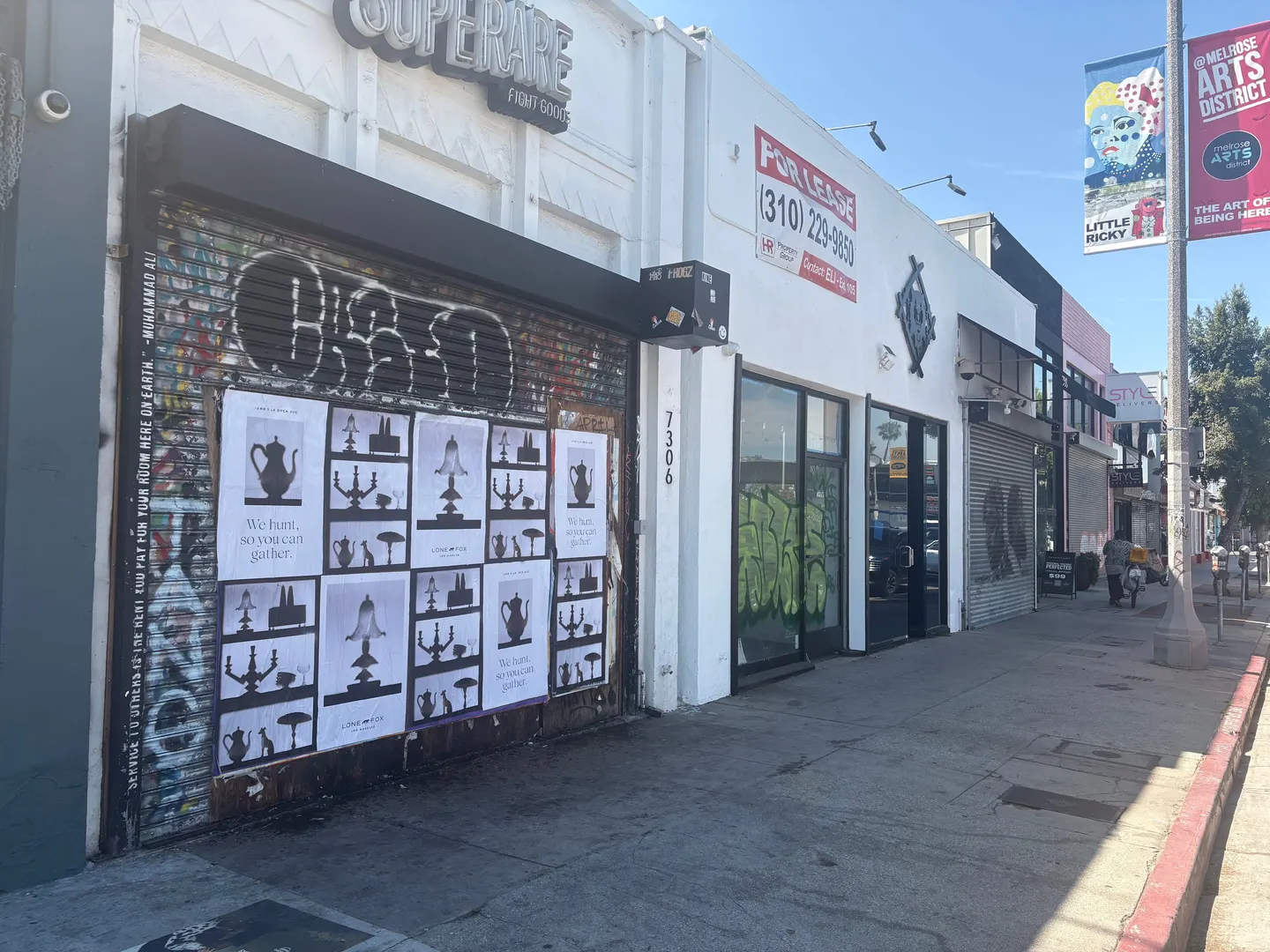
We delivered.




















Brand partners include: FIFA World Cup 2026, Palantir, Sézane, G-Shock, Mitchell & Ness, True Religion, Huda Beauty, Yonex, Relevance AI, Momentous, RYZE Coffee, Bloom Effects, Incrediwear, Brooklyn Museum, Sweat FC, HydroJug, Frameline, Alchemy, OneRepublic, Lone Fox, Vaura Pilates.
- 6Neighborhoods on route
- 10-14dBrief to first install
- 100%GPS photo-proofed
- 0Municipal removals on record
Street-level marketing, printed and installed by us.
Guerrilla marketing puts your brand on Savannah streets where people actually walk — sidewalk stencils, hand-painted murals, pole snipes, poster walls, and interior takeovers, printed and installed by one crew. No media-owner middleman, no billboard rates: every placement is permitted, hand-applied, and photographed the day it goes up.
- 01Brief & route
You send the brand, dates, and audience. We map the Savannah corridors where that buyer actually walks and price off the published floor.
- 02Scout & secure
Crews scout walls on foot, then lock every surface in writing: owner agreement, BID-cleared scaffold, or permitted hoarding. The paper trail ships with the photos.
- 03Print & install
We print in-house and hand-install from dawn, moving neighborhood to neighborhood. Scout-and-install routes the brief on a per-market schedule.
- 04Document
Every placement shot wide, mid, and detail, GPS-stamped on install day. The wrap deck lands within five business days with the full proof set.

Proof · Printed in-house · Installed by our crew
Guerrilla marketing in Savannah, priced in the open. Proof included.
Stencils, posters, stickers, murals, and interior installs across Savannah. Send the brief; a scoped quote comes back inside 24 hours, with a GPS-stamped photo of every placement when the run wraps.
- Quote in under 24 hours
- No discovery call. The brief is the call.
- Printing & Installation under one roof
Brief us · Quote in under 24 hours
Start your Savannah campaign.
Pick a format. We print and install it.
Every format below is printed and installed in-house, scouted, hand-applied, and GPS-photographed on Savannah streets. Pick the one that fits the brief; the full catalog is one click away.
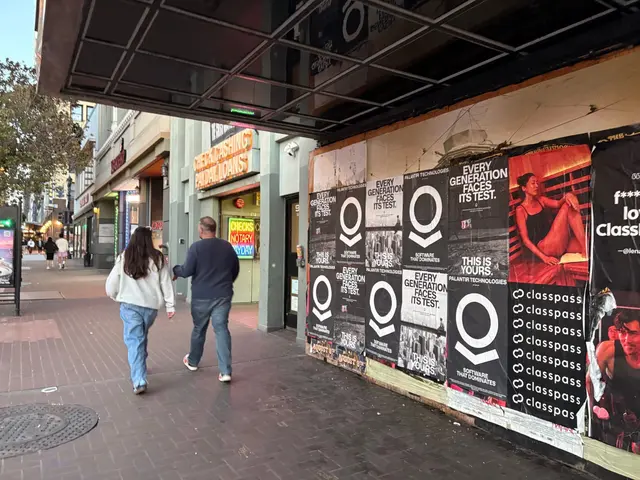
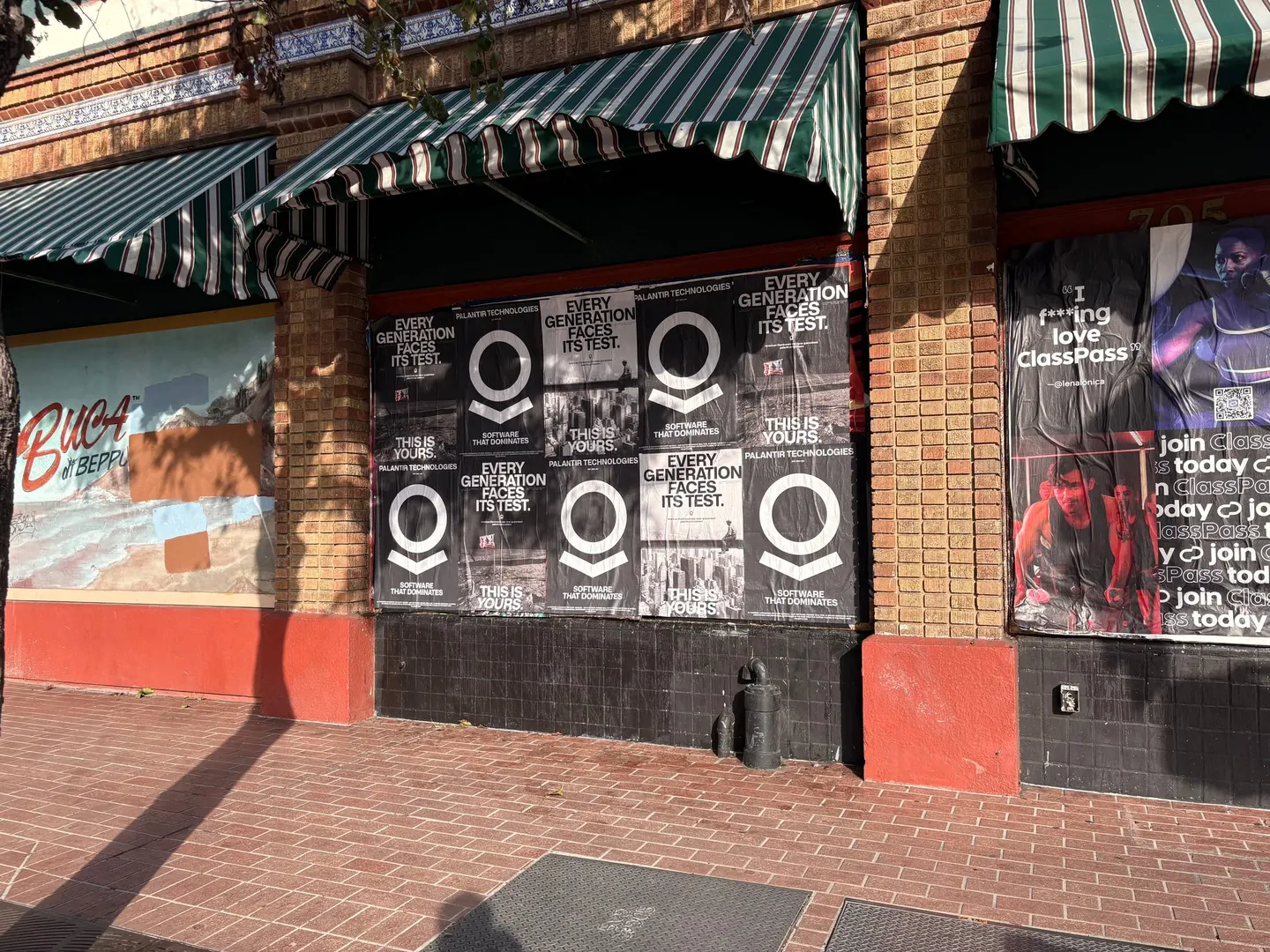
Wheatpaste & Posters
Hand-pasted poster walls on brick, scaffold, and hoarding.
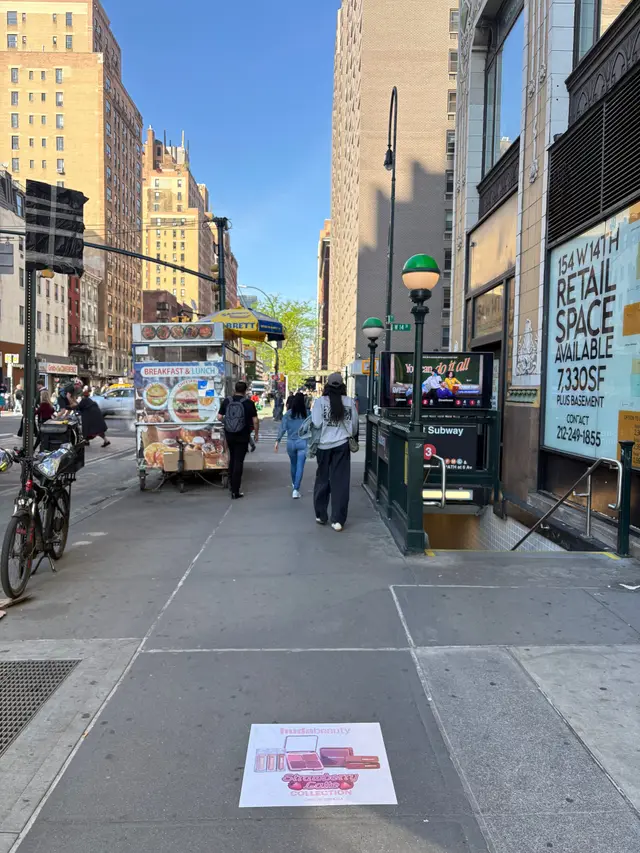
Sidewalk Stencils
Biodegradable street stencils on permitted corners.
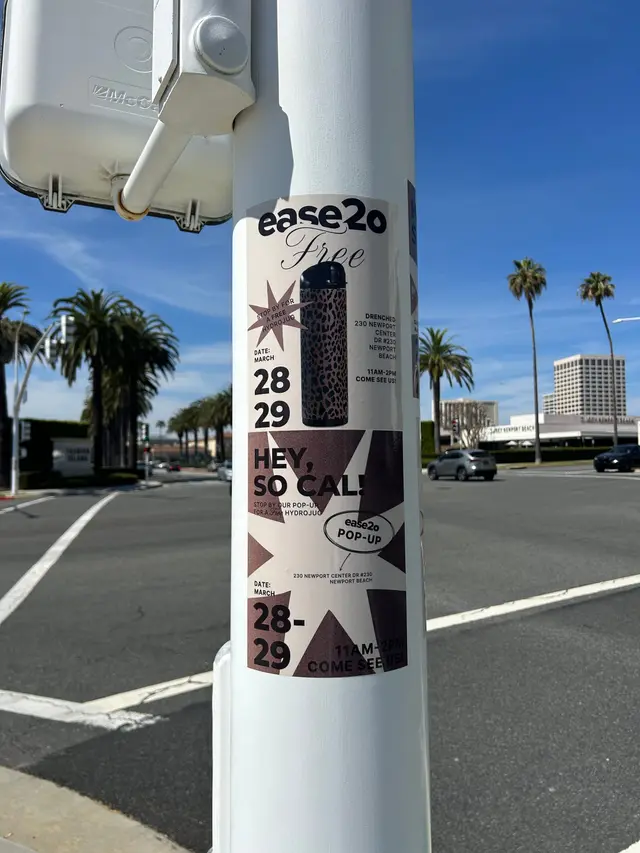
Pole Stickers & Snipes
Corridor saturation on poles, boxes, and news racks.
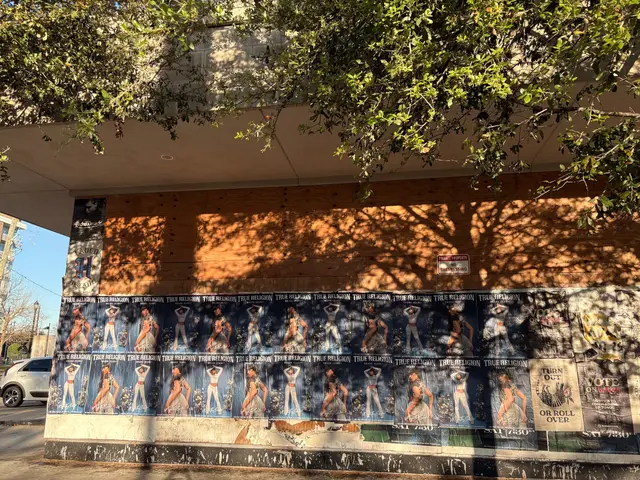
Hand-Painted Murals
Brush-painted brand walls at building scale.
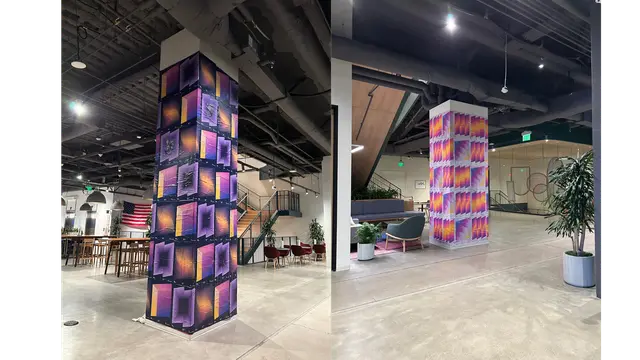
Custom Poster Installs
Posters and wraps inside venues, gyms, and pop-ups.
All 39 services
The full guerrilla-marketing catalog: wraps, decals, takeovers, and more.
Why street media works in Savannah.
Savannah packs one of the largest National Historic Landmark districts in the country, a 16,000-student SCAD population across more than 75 buildings, and roughly fourteen million annual visitors into a walkable historic core. Cultural-institution and tourism campaigns route through the Historic District because that audience already engages the category; editorial, lifestyle, and design-aligned brands route through the Starland District for the direct SCAD-and-creative-class read outside the Board of Review overlay. A wall here reaches a national tourist wave and a dense design school on the same blocks.
Three reasons brands book us here
- 1The Historic District, the largest National Historic Landmark district in America
Savannah's Historic District covers 2.5 square miles and 22 of the original 24 colonial squares, with restored 18th and 19th century brick on most blocks. The district moves roughly fourteen million annual visitors, one of the highest tourism densities of any Southern city. Paste-up inventory inside the historic boundary is workable only on designated properties cleared through the Historic District Board of Review; permission-rich walls cluster along Broughton Street, Bull Street, and the Factor's Walk frontage.
- 2SCAD, 16,000-student design school
Savannah College of Art and Design pulls 16,000 students across more than 75 buildings woven through the Historic District and the Starland District. SCAD concentrates one of the densest design-school populations in the United States inside a walkable historic city. The audience is unusually receptive to editorial, lifestyle, and design-aligned brand campaigns. We've routed creative-platform and lifestyle briefs through the Starland District because the SCAD-and-resident-creative overlap is direct.
- 3Starland District, the editorial register
The Starland District around Bull Street between 38th and 41st has emerged over the last decade as Savannah's arts-and-creative anchor outside the strict Historic District overlay. The corridor concentrates SCAD-affiliated galleries, indie retail, restaurants, and the Starland Yard hospitality complex. Brick walls and venue facades run paste-friendly outside the Board of Review framework that governs the Historic District. Best fit for editorial, lifestyle, DTC, and arts-aligned brands aiming at the SCAD and creative-class audience.
Where we run it · 6 neighborhoods
- 01Historic DistrictBroughton St · Bull St · Factor's WalkRestored 18th and 19th century brick (designated walls Board-cleared)T2
- 02Starland DistrictBull St between 38th and 41stGallery and indie-retail brick outside the historic overlayT2
- 03Forsyth ParkWhitaker · DraytonPark-adjacent commercial frontageT2
- 04Victorian DistrictMid-19th-century commercial blocksMid-19th-century commercial transitionT2
- 05DowntownRiver Street · City MarketRiver Street commercial · City Market perimeterT2
- 06EastsideLight-industrial warehouse corridorLight-industrial commercial · warehouse wallsT2
Surfaces, permits & timing
Surfaces
6 neighborhoods on the active route: wheatpaste walls, scaffold corners, and mural-ready sites scouted per brief. Brick, concrete, hoarding, and storefront.
Permit path
Street-level advertising, wheatpaste included, is permitted in Savannah on private walls once we hold written consent from the property owner. What sets the city apart is its Historic District, among the largest National Historic Landmark districts in the country and governed by the strictest preservation framework on our coverage map, where the Historic District Board of Review must pre-clear any signage, surface, or visual modification on a designated building inside the boundary. Our practice is to secure owner consent first and route designated-landmark properties through the Board wherever it applies. Anything publicly owned stays off- limits: utility poles, CAT transit shelters, the right-of-way, and the monument approaches ringing the historic squares. The compliance file follows Savannah Municipal Code Title 8 on signs alongside the Historic District Ordinance. Because the Board sits monthly with submissions due roughly three weeks ahead of each meeting, designated-landmark walls take six to eight weeks from brief to install, while non-designated brick and Starland District placements move on standard seven-to-ten-day timing.
When to run
Spring (March through May) and fall (September through November) are the operational peaks, when mild weather lifts both tourist and resident foot traffic to year-high density. Summer (June through August) holds workable cure times under the Southeast wheatpaste formula. Hurricane season (June through November) carries a weather-watch overlay; we monitor named-storm windows and pause overnight installs when a storm tracks toward the Georgia coast. The Savannah Film Festival in October and SCAD's open studios layer additional arts-audience windows for design and creative-platform briefs.
From the field · Savannah & beyond
Cross the city line.
Savannah briefs regularly extend into the rest of Georgia. Same operator contract, same field log, different ZIP code. Pick a sibling market and we route the brief in 48 hours.
What the brief actually costs.
BSM publishes per-discipline floors, no RFP gatekeeping. Every Savannah brief starts from the same published rate card. Permits and scaffold pass through at cost, no agency markup.
Wheatpaste posters
Walls, scaffolds, hoardings · 7-10d leadFrom $3,500Sidewalk stencils
Permitted corners · biodegradable medium · 14-21d weather windowFrom $2,500Snipes + stickers
Poles, utility boxes, news boxes · corridor saturationFrom $3,000Expedited
24-72h brief-to-install on any format above · Savannah crews on standby+80-150%+Ranges vary by turnaround, size, location count, and service mix. Murals $18k-$65k+. Final quote in 24-48h.
Buyer questions.
What Savannah brand managers ask on intake calls. Permit reality, lead time, minimums, photo proof. If your question isn't here, brief us directly.
Q · 01 Is guerrilla marketing legal in Savannah?
Yes, on private walls with written owner consent. Savannah is the one market on our map where the Historic District Board of Review pre-clears any signage or surface change on designated buildings inside the 2.5-square-mile landmark boundary, so the permission-rich brick along Broughton Street, Bull Street, and the Factor's Walk frontage routes through the Board before anything goes up, with owner consent locked first. Step outside that overlay into Starland, the Victorian District, or the Eastside warehouse corridor and it's straightforward private-property-plus-consent. Public infrastructure stays out of scope: utility poles, CAT transit shelters, and the monument approaches around the historic squares are never touched. Poster-specific rules live on our wheatpaste advertising in Georgia page.
Q · 02 How much does a Savannah guerrilla marketing campaign cost?
A Savannah run opens at $3,500, with both printing and installation folded into that figure. Programs that string together the Historic District's Broughton/Bull corridor, Starland along Bull between 38th and 41st, and the Victorian blocks scale up from there, priced against print volume and crew days rather than whoever's on the poster. Designated-landmark walls inside the historic boundary carry roughly fifteen percent more, since the Board of Review pre-clear tightens the calendar; we book those submission windows three to four weeks out against the Board's monthly meeting. A firm quote comes back within 24 to 48 hours. Poster-specific pricing lives on the Georgia wheatpaste page.
Q · 03 How does the Historic District Board of Review affect campaign timing?
Substantially. Any signage, surface, or visual change on a designated building inside the landmark boundary has to clear the Board first, and the Board sits once a month with submissions due about three weeks before each meeting. We schedule against those submission deadlines rather than the install date: brief early in the month, file by the third week, land approval by month-end, install across the following two weeks, which puts designated-landmark brick at roughly six to eight weeks from brief to wall. Everything off the designated list, including Starland walls and non-landmark Historic District buildings, runs on the standard seven-to-ten-day track.
Q · 04 What kinds of brands fit best on Savannah walls?
Cultural-institution and tourism brands belong on the Historic District brick, where the fourteen-million-visitor wave already leans into that category. Editorial, lifestyle, DTC, and design-led names read best in Starland along Bull between 38th and 41st, where SCAD-affiliated galleries, indie retail, and the Starland Yard complex put them in front of a design-school-and-creative-class crowd. Hospitality and F&B brands work both corridors. For arts-facing and creative-platform briefs, the Savannah Film Festival in October and SCAD's open studios open extra audience windows worth timing to.
Q · 05 When is the best window to run a Savannah campaign?
Spring, March into May, and fall, September into November, are the operational peaks, when mild weather pushes both the tourist wave and resident foot traffic to their year-high density across the walkable historic core. Summer's heat and humidity are workable; cure times hold under the Southeast wheatpaste formula we run on every Savannah install. Hurricane season overlaps June through November as a weather-watch layer, so we monitor named-storm windows and pause overnight installs whenever a storm tracks toward the Georgia coast.
Got a corner in Savannah?
We've got the paste.
Tell us the neighborhood, the dates, and the brand. Savannah-mapped install plan back in 24-48 hours.