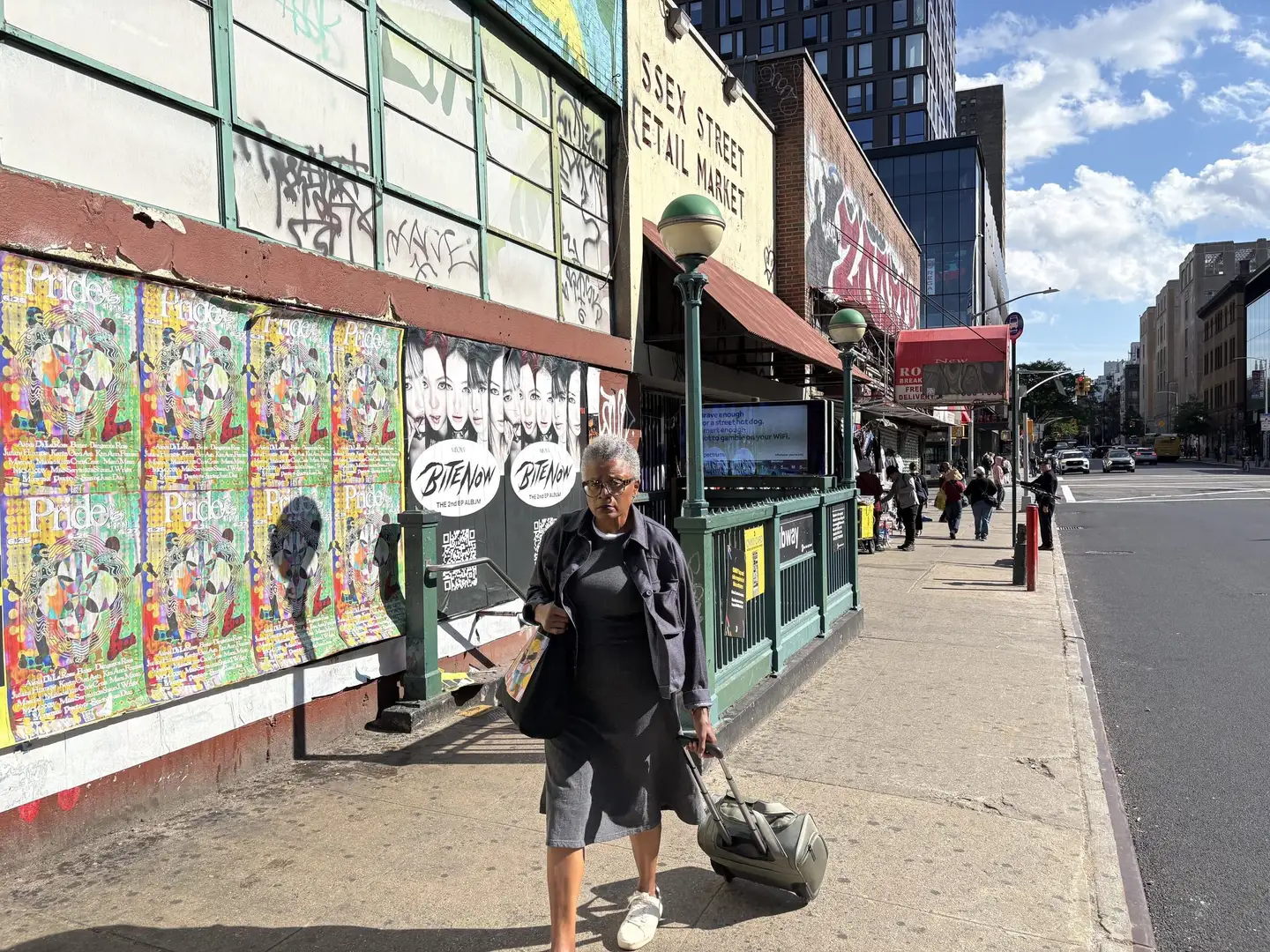
Built a Brooklyn crowd from Manhattan walls.
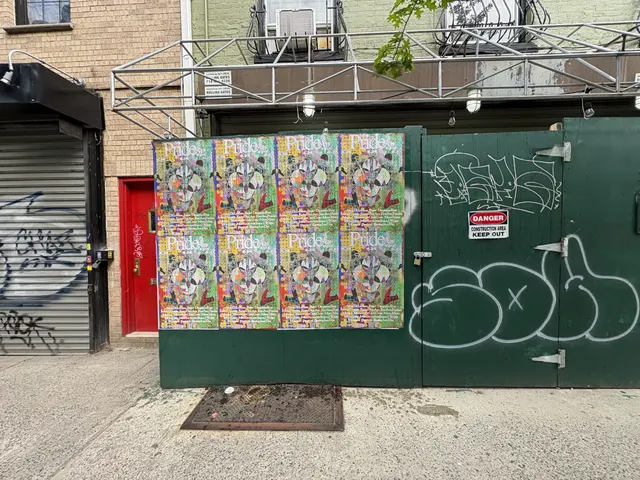
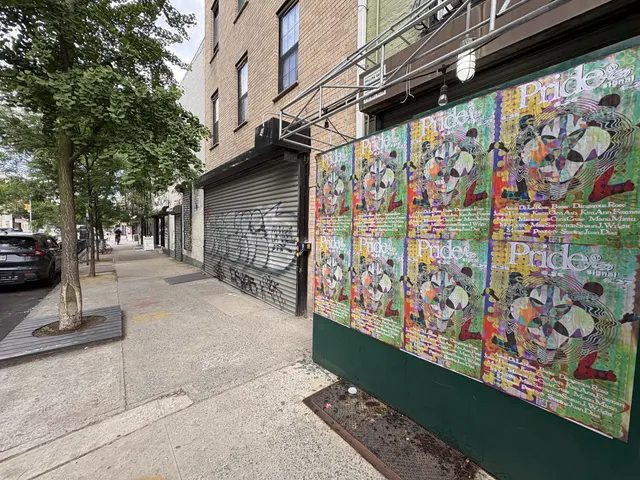
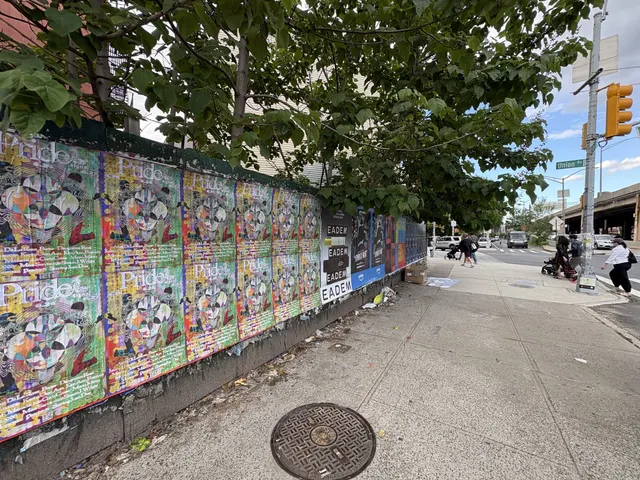
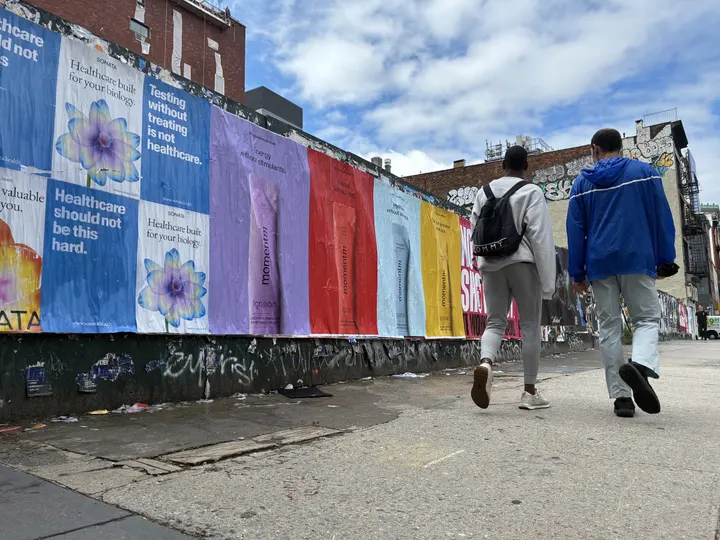
100 wheatpaste posters across the Lower East Side for Signal's Pride-Month run, pulling Manhattan's nightlife crowd to a new 210-capacity Brooklyn club, the one with a no-phones-on-the-dancefloor policy.
- Placements100
- Cities1
- FormatMulti-format
- Documented10install photos on file
Put a new club where the clubgoers already drink.
One hundred wheatpaste posters across the Lower East Side for Signal's Pride-Month run, pulling Manhattan's nightlife crowd east to a new 210-capacity Brooklyn club. Signal opened in May 2025 with a no-phones-on-the-dancefloor policy and a founding team that includes the operator behind Golden Record. A year-old room needs a crowd before it needs anything else. We went and got it where it already drinks.
Signal is a nightclub, cocktail bar, and event space at 175 Morgan Avenue in East Williamsburg, Brooklyn, founded by Joshua Buhler, Leonard Fink, and Nicholas Spector, the last of whom runs the Golden Record NYC event series.
It opened May 10, 2025, holds 210 people, and enforces a strict no-phones-on-the-dance-floor rule, a deliberate bet on presence over content. New rooms live or die on whether the right crowd shows up. For a Pride-Month push, the brief was to reach Manhattan's nightlife regulars on their own blocks and move them across the river. 100 posters, 24"×36".
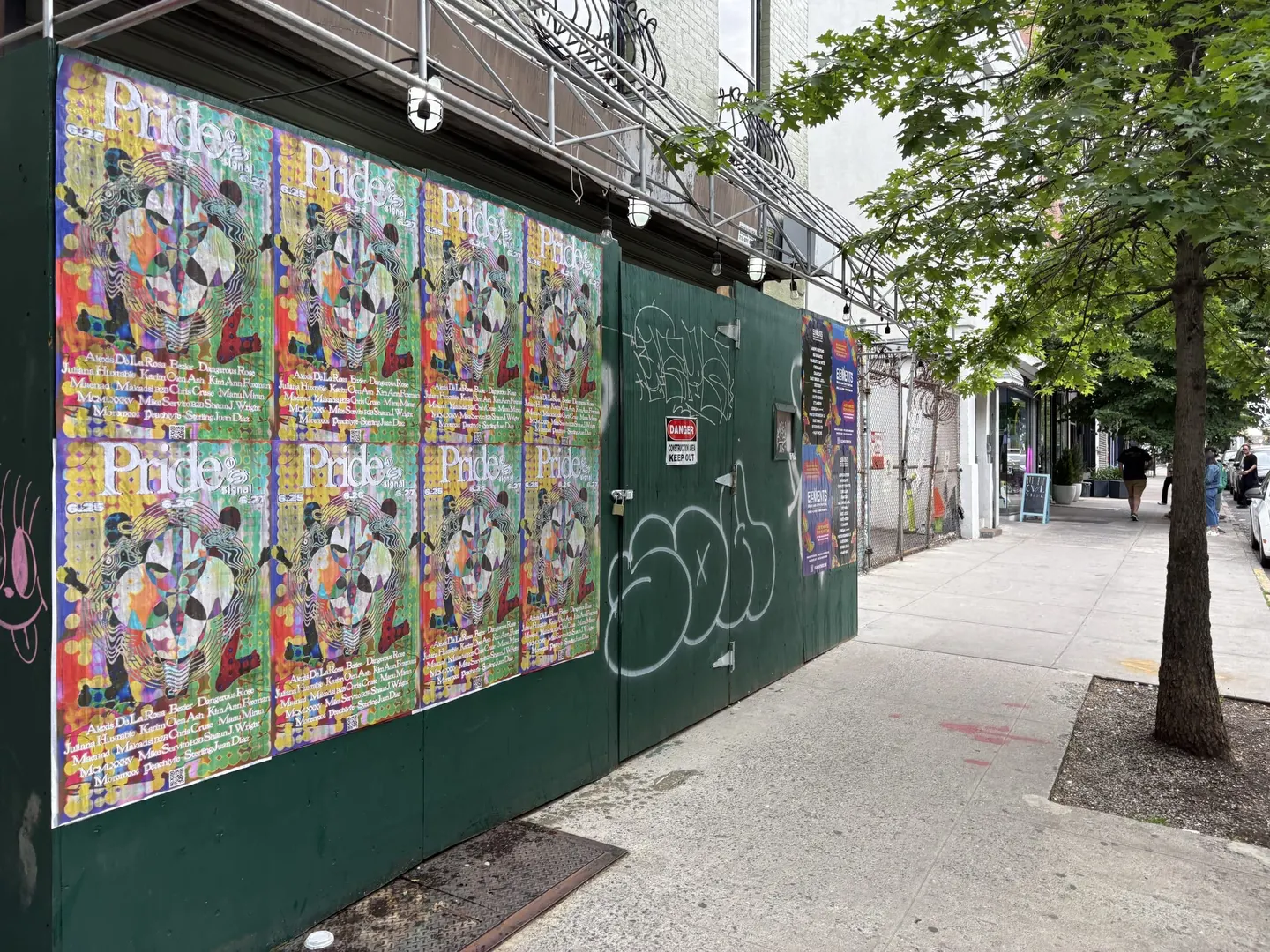
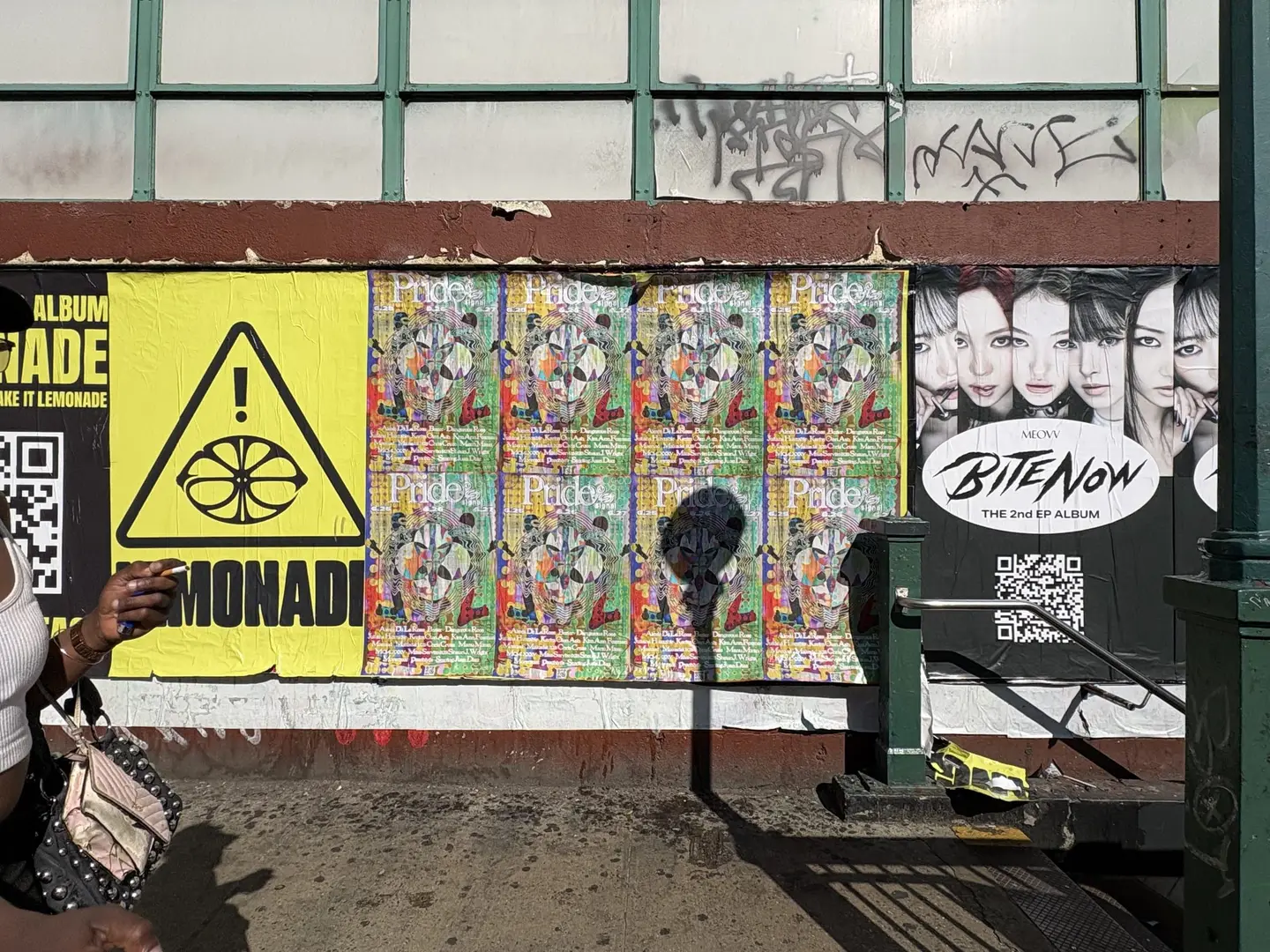
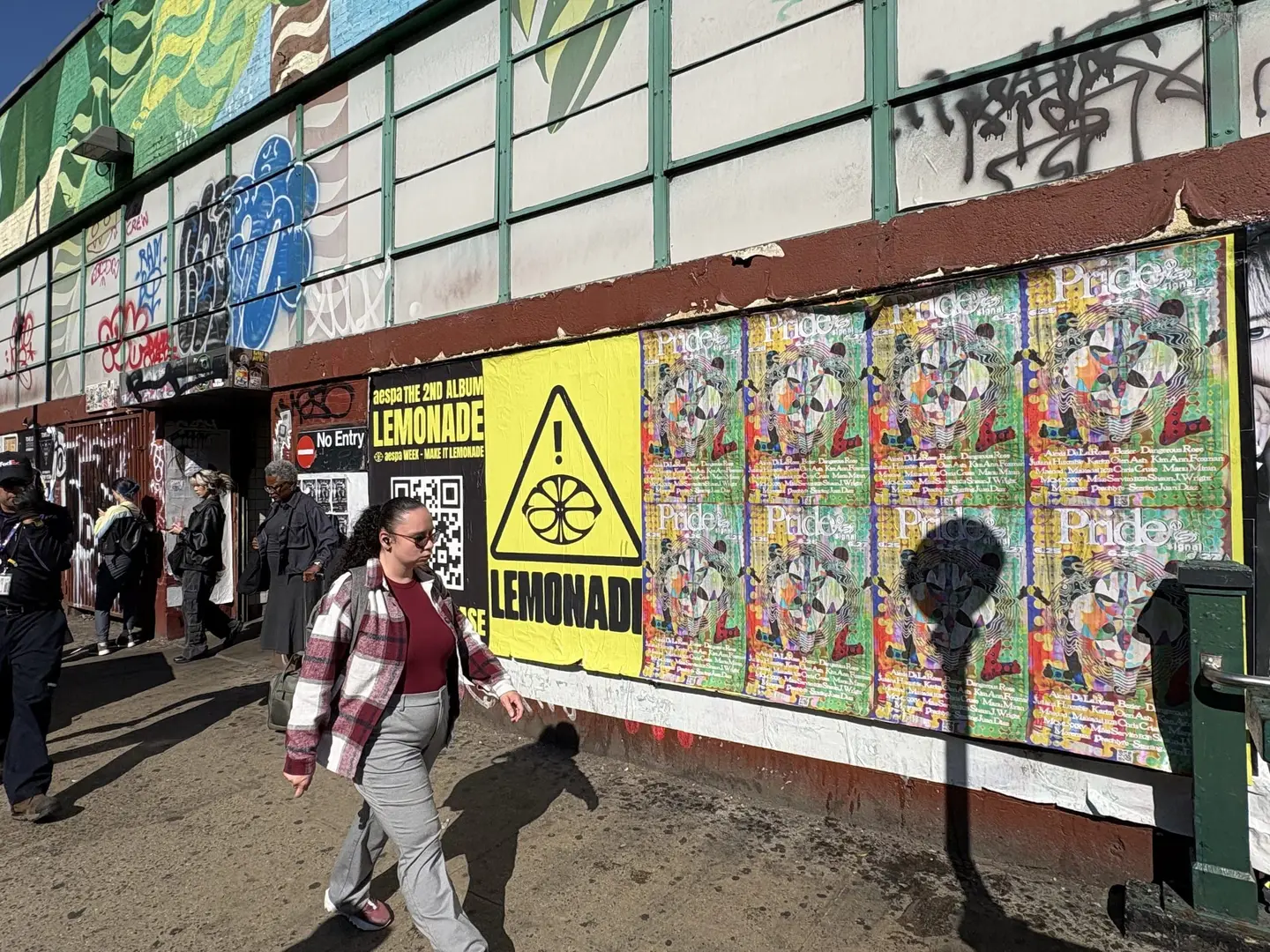
What we ran.
The format suits nightlife: a poster on a consented wall is the flyer's older, bigger sibling, and the QR collapses the distance between seeing the night and buying into it.
Where we ran it.
The blocks around Ludlow, Orchard, and Essex hold one of the highest concentrations of bars in the city; the district manager of Community Board 3 has said only Austin packs in more per block. Mercury Lounge and Bowery Ballroom anchor the live-music end of the same few streets. The people who walk these blocks on a Friday are the exact people a Brooklyn club wants on its floor. We did not advertise to the city. We advertised to the half-mile that already goes out.
Why postering, and why consent.
The legal question is where that paper goes. New York City's posting law, Administrative Code §10-119, makes it unlawful to post on public street infrastructure, lampposts, signal boxes, city property, and it creates a rebuttable presumption that whoever's name appears on an illegal posting committed the violation. New York Penal Law §145.30 makes unlawful posting a violation in its own right.
For a brand-new club, a citation under its own name is the last thing it can afford. So the run went up the compliant way: consented private and commercial walls, which §10-119 does not reach, backed by signed property-owner authorization. The posters reached the same eyes a lamppost would have, on surfaces that do not put the venue's license at risk.
How it played.
The QR turned the wall into a box office: see the poster outside one bar, hold the next night's ticket before you reach the next. For a room that bans phones once you are inside, the phone did its work on the sidewalk first.
Proof.
The deliverable is the located record and the surface list, not an impressions estimate. What we stand behind is where the posters ran: the densest nightlife blocks in New York, on consented walls, in the weeks a new Brooklyn club needed Manhattan to know it existed.
A club is a crowd before it is a room.
The cheapest way to move a crowd is to meet it where it already gathers, not to broadcast at the whole city and hope. The Lower East Side is a self-selected audience of people who go out. Putting Signal's name on those walls, with a ticket one scan away, is the difference between a venue people have heard of and a venue people show up to.
Common questions.
NYC Administrative Code §10-119 prohibits posting on public street infrastructure, lampposts, signal boxes, and city property, and presumes the named party liable for an unauthorized posting. Consented private and commercial walls are not in that prohibition. We run on those, with signed owner authorization, which keeps a venue's name and liquor license off the citation.
Do you need a permit to put up event posters in New York? Not a city permit, written property-owner consent. The compliance document for wheatpaste on private walls is a signed wall-use agreement stating what goes up and for how long. We document it per placement. Posting on public property without it is what §10-119 and Penal Law §145.30 penalize.
How do you market a new nightclub? You reach the people who already go out, on the blocks where they do it. For Signal, that meant the Lower East Side, the densest bar district in the city, with a QR on every poster so the night is one scan from a ticket. A club's first job is proving the right crowd will travel for it.
How long does paper hold on a nightlife corridor? Weeks. A hand-pasted poster on a managed wall typically holds two to six weeks depending on weather and how often the wall is reposted. For an event run that covers the lead-up and the night itself, which is the window that sells tickets.
Does street-postering work for events? Its strength is reaching a self-selected, local audience with a path to act. A poster outside a Ludlow Street bar reaches people who are already out, and the QR lets them buy in before the impulse fades. We sell the documented placement and the surface, not an impressions figure we cannot prove.
How much does a club poster campaign cost? We publish our floors instead of hiding them. Wheatpaste is priced on volume, market count, size, and turnaround, and the per-discipline floors are on the pricing page. Send the brief and a real quote comes back inside four business hours.
---
Campaign documented by Beyond Street Media. NYC field execution and on-day photo documentation by the BSM crew. Venue, founder, and legal context sourced and linked inline. June 2025.
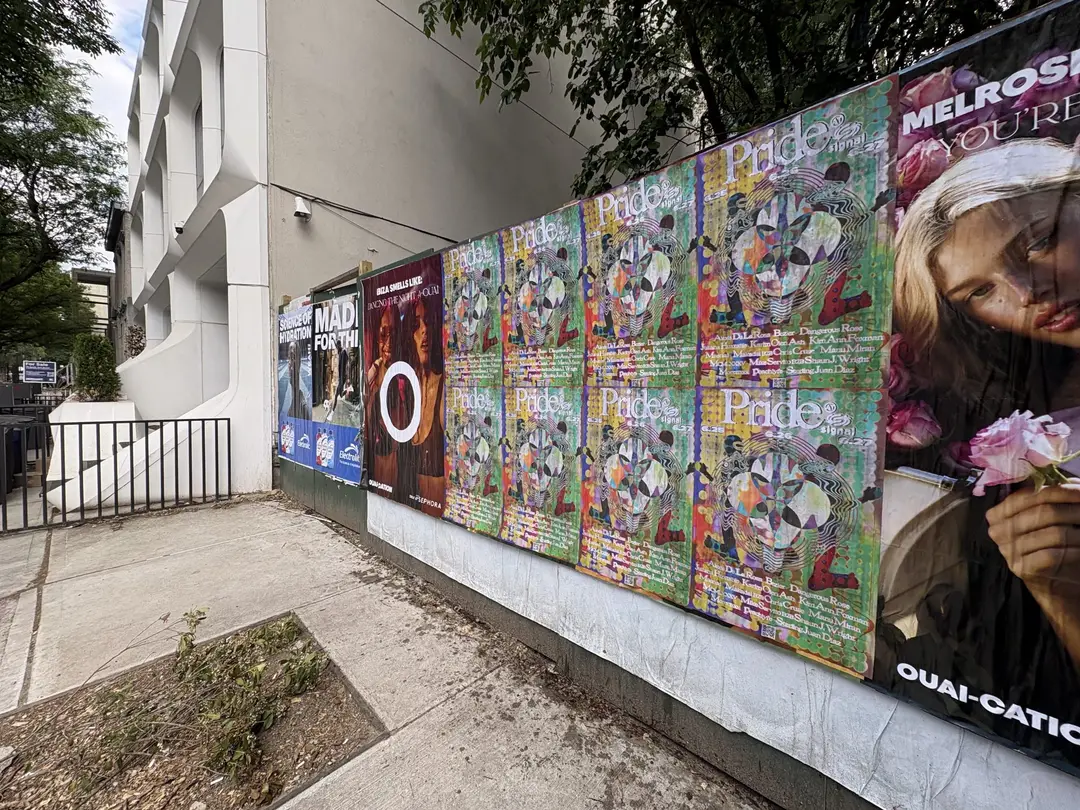
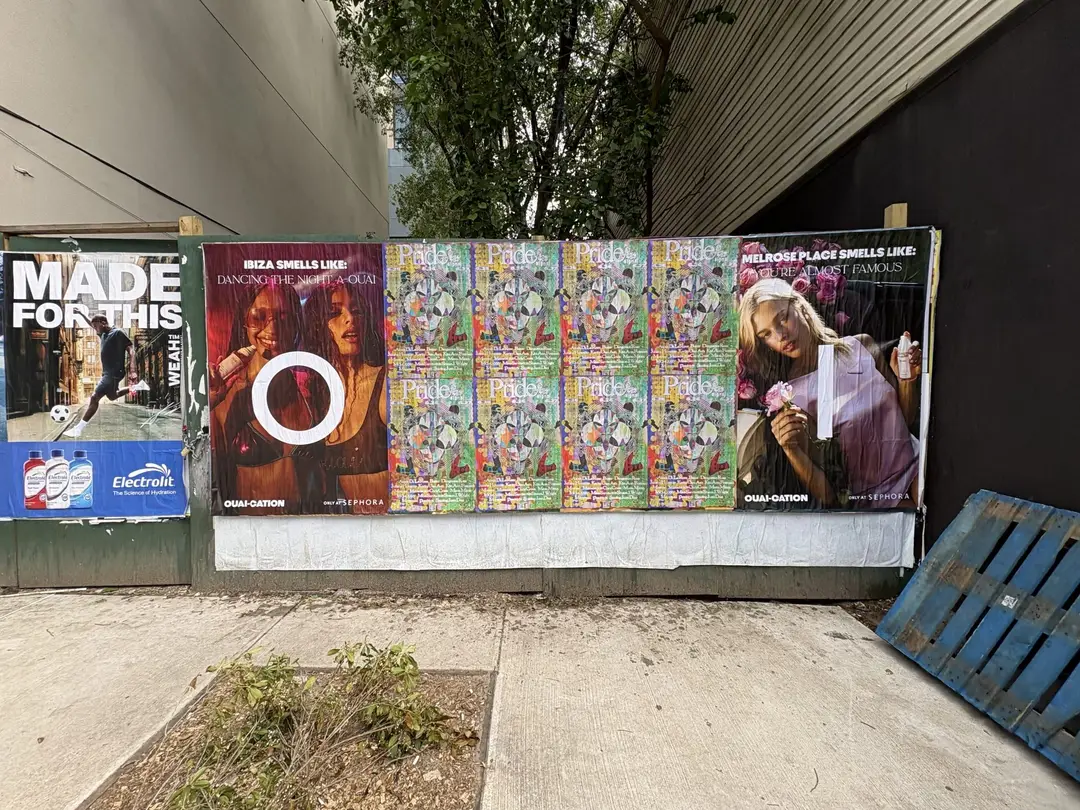
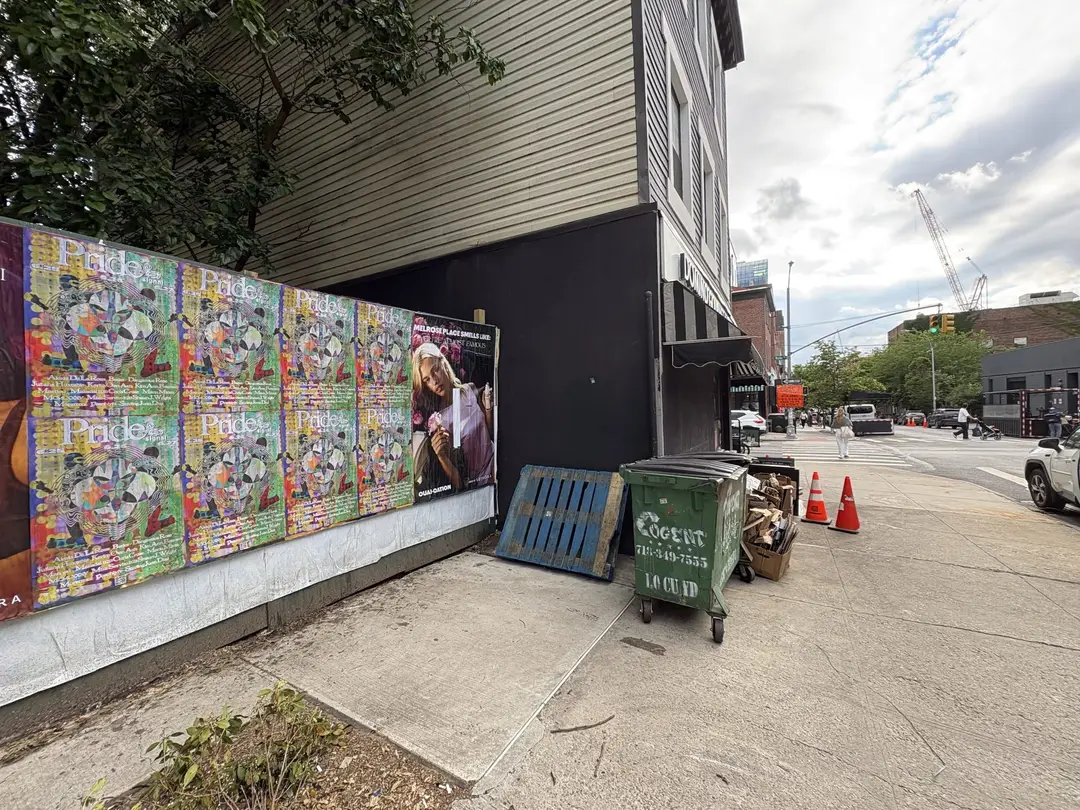
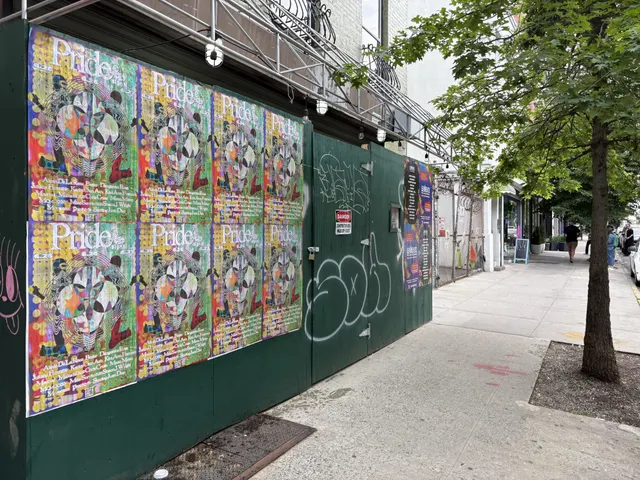
4 additional installs.
Run a wheatpaste advertising campaign?
Same crew, your brand.
The same operator network that shipped Signal's campaign is on call for yours. Brief us with city, dates, and creative. Quote back in 4 hours.
Run a campaign like Signal's?
Get a quote