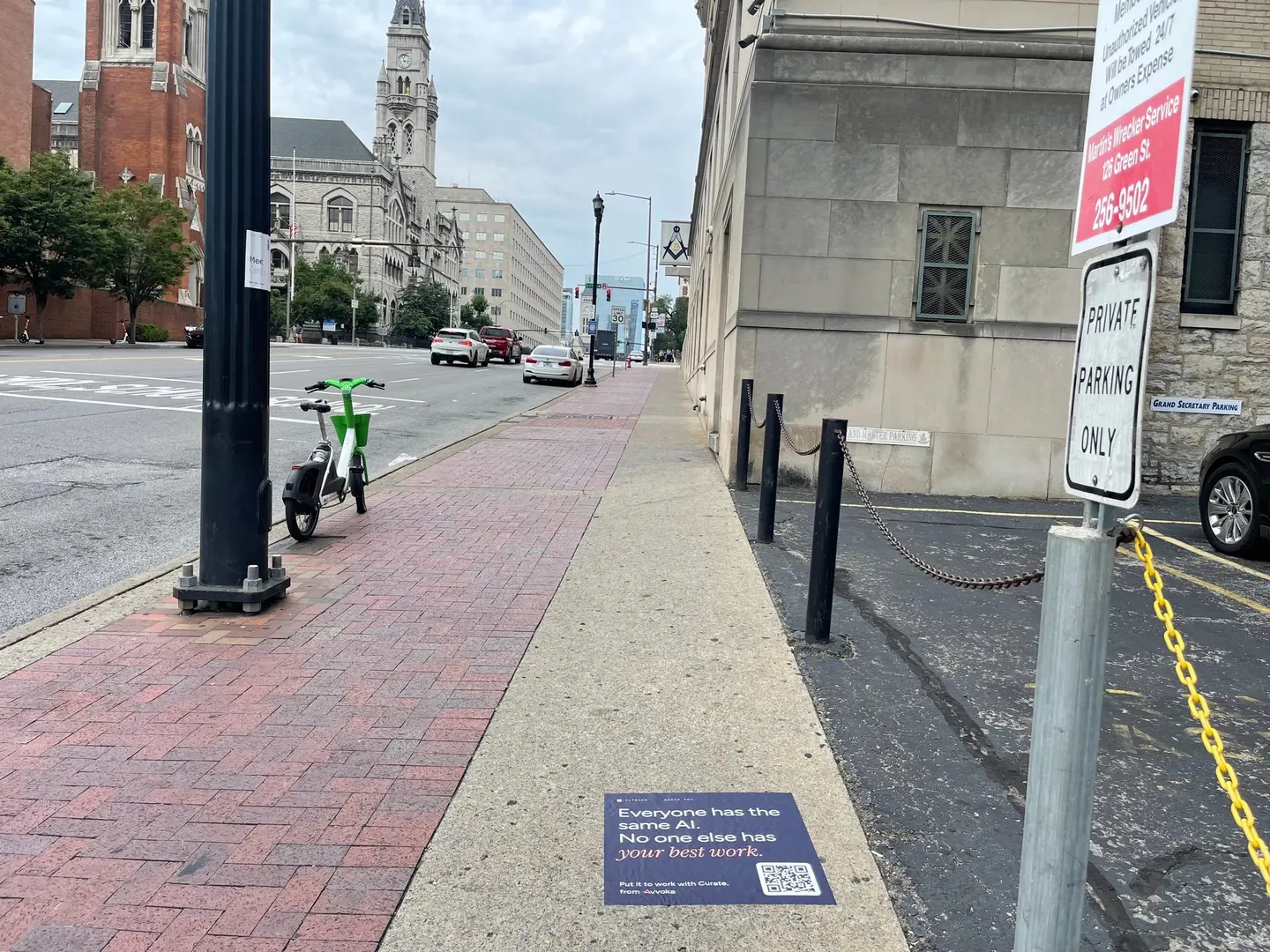
Brooklyn is not one market. It’s eight distinct neighborhoods, each with its own audience profile, foot-traffic pattern, and wall inventory. A campaign that works in Williamsburg (fashion, DTC) won’t work in Bed-Stuy (nonprofit advocacy). This guide maps the neighborhoods to audience type, foot-traffic density, available walls, cost ranges, and the campaigns BSM has executed in each.
BSM is Brooklyn-HQ. We know these blocks personally. The crew lives here. We maintain standing relationships with property owners across all eight neighborhoods. That translates to wall access, faster scouting, and deep local knowledge. This guide is the scouting blueprint.
Across the river, street advertising in SoHo covers the Manhattan side block by block.
Brooklyn as Eight Media Markets
The mistake most national brands make: they think “Brooklyn” is one audience. It’s not. Here’s what each neighborhood actually is:
- Williamsburg: DTC fashion, luxury goods, design-forward brands. Dense foot traffic, high Instagram engagement, fashion-culture media pickup.
- Bushwick: Music, culture, cannabis, creative industries. Artist-dense, press-receptive, high social pickup.
- Greenpoint: Design, independent retail, Polish-American heritage. Smaller scale, design-conscious, neighborhood-loyal.
- DUMBO: Tech, finance, premium retail. Highly gentrified, stricter enforcement, upscale demographic.
- Park Slope: Families, advocates, nonprofit culture. Community-driven, event-sensitive, cause marketing.
- Prospect Heights: Cultural institutions (Brooklyn Museum, library), students, intellectuals. Museum-adjacent foot traffic.
- Crown Heights: Hip-hop, Caribbean culture, community-led activism. Dense, vibrant, culturally-rooted.
- Bed-Stuy: Nonprofit advocacy, grassroots organizing, legacy community. Cause-driven, institutional partners, activist networks.
Choose the neighborhood that matches your audience, not the neighborhood with the most walls.
The Brooklyn Audience Map
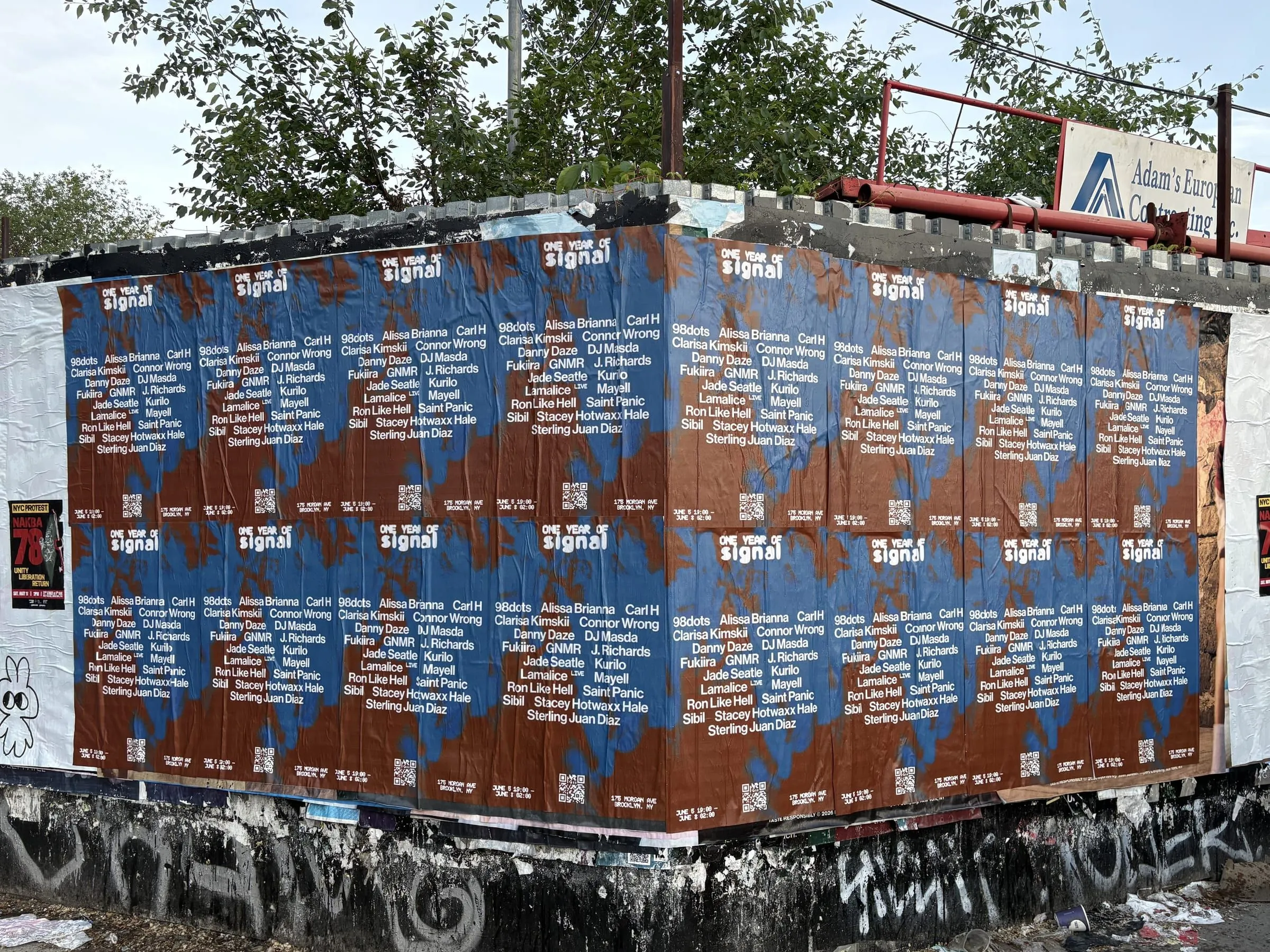
Before scouting, understand the demographic and psychographic profile of each neighborhood. Foot traffic matters, but foot traffic quality matters more. 10,000 foot-stops from the right audience is worth 50,000 foot-stops from the wrong audience.
| Neighborhood | Primary Audience | Income | Age | Values | Media Sensitivity |
|---|---|---|---|---|---|
| Williamsburg | DTC fashion, luxury goods | $75k-$150k+ | 24-42 | Design, aesthetics, Instagram-native | Very high (organic social) |
| Bushwick | Musicians, creatives, artists | $40k-$80k | 20-35 | Art, culture, authenticity | High (press, culture blogs) |
| Greenpoint | Designers, independent retail | $60k-$110k | 28-45 | Craft, indie brands, sustainability | Medium-high (local blogs) |
| DUMBO | Tech workers, finance professionals | $100k-$200k+ | 25-45 | Innovation, premium retail, efficiency | Medium (reputation-sensitive) |
| Park Slope | Families, advocates, nonprofits | $70k-$140k | 30-55 | Community, causes, family values | High (cause marketing) |
| Prospect Heights | Students, culturally-engaged | $40k-$80k | 18-35 | Culture, institutions, ideas | High (social, word-of-mouth) |
| Crown Heights | Hip-hop, community leaders | $50k-$100k | 20-45 | Authenticity, community, music | High (cultural authenticity) |
| Bed-Stuy | Nonprofit staff, organizers, activists | $50k-$90k | 25-50 | Social justice, community impact, legacy | High (organizational networks) |
Neighborhood Deep Dives
Williamsburg: Fashion and DTC
Williamsburg is the most visible, most Instagram-heavy, most media-saturated neighborhood in Brooklyn. It’s also the most expensive per placement and the most competitive for wall access.
Geography: McCarty Park (south) to Greenpoint Avenue (north), Bedford Avenue (west) to Franklin Street (east). The core is the Triangle: Bedford Avenue, McCarty Park, and North 6th Street. This is where foot traffic peaks.
Audience profile: DTC fashion brands (Sézane, Kith, Reformation), luxury goods, design-forward startups, lifestyle brands. Consumers are 24-40, Instagram-native, actively shopping. This is the most fashion-media-sensitive neighborhood in New York outside SoHo.
Foot traffic: Peak: Thursday-Saturday, 11 AM-8 PM. Holiday weekends (Memorial Day, Labor Day) see 2-3x normal foot traffic. Summer is peak season (warm weather = more foot traffic). Winter is slow. Peak locations: Bedford Avenue corridor (North 6th to North 10th), McCarty Park north side, Wythe Avenue (waterfront).
Wall inventory: 50-80 available walls across the core Triangle, plus secondary walls on Driggs, Franklin, Kent, Graham. Most walls are on commercial/mixed-use buildings, galleries, or art warehouses. Wall demand is high; many walls book 3-6 months in advance.
Cost by discipline (floors; Williamsburg runs at the high end of each range due to demand and property owner expectations):
- Wheatpaste: from $3,500
- Sidewalk stencils: from $2,500
- Pole stickers: from $3,000
- Hand-painted murals: from $18,000 (building-side from $30,000)
- A single-city Williamsburg wheatpaste campaign typically ranges $13,500 to $19,500.
Range varies by turnaround, size, location count, and combined service mix. Final quote returns inside 24 to 48 hours.
Examples of work BSM has executed here: Sézane multi-city campaign (Williamsburg featured), various DTC apparel brands.
Press and social: Very high. Fashion media (WWD, Vogue, street-style blogs) monitor Williamsburg street advertising. A strong creative generates immediate press pickup and 800-2,000 organic Instagram tags.
Permits: Private property with owner consent only. NYC Administrative Code § 10-117 bars writing, painting, or affixing a sticker or decal on any public or private building unless the express permission of the owner or operator has been obtained, and NY Penal Law § 145.30 makes unlawful posting a violation where that consent is missing. No public-wall campaigns either: § 10-119 makes it unlawful to paste or post a handbill, poster, or sticker on a lamppost, utility pole, bus shelter, traffic sign, or other city street furniture. Property owner agreements are standard. Some premium walls require a venue fee ($50-$150).
Recommendation: Use Williamsburg if your brand is fashion, design, or DTC-targeting. Use wheatpaste for maximum Instagram impact. Budget 4-6 month lead time for wall scouting; popular walls book fast. Coordinate with Instagram influencers and fashion media for amplification.
Bushwick: Music and Culture
Bushwick is Brooklyn’s cultural engine. It’s where music venues, artist studios, cannabis retailers, and independent galleries cluster. It’s also cheaper than Williamsburg and more press-receptive to cultural campaigns.
Geography: Bushwick Avenue (south) to Central Avenue (north), Wythe Avenue (west) to Broadway (east). The core is around Flushing Avenue, Troutman Street, and the Northern Tier (Melrose, Wyckoff). This is the cultural and entertainment center.
Audience profile: Musicians, producers, visual artists, cannabis consumers, creative entrepreneurs. Age 20-40. Income $40k-$80k (lower than Williamsburg). Values: authenticity, culture, anti-corporate. This is not a luxury market; it’s a culture market.
Foot traffic: Peak: Friday-Sunday, 6 PM-midnight (venue and bar traffic). Weekday traffic is lower. Summer is peak (outdoor venues, rooftop bars). Music festival season (summer, fall) sees 2-3x traffic. Peak locations: Flushing Avenue (venue-dense), Troutman Street, Williamsburg Street corner, Northern Tier bars and galleries.
Wall inventory: 40-60 available walls. Bushwick artists are more permissive about wall use than Williamsburg property owners. Many walls are contributed by artist collectives or musician-owned spaces. Access is easier but density is lower (walls are more spread out; foot traffic is less concentrated).
Cost by discipline (floors; Bushwick runs lower than Williamsburg due to lower property owner expectations):
- Wheatpaste: from $3,500
- Sidewalk stencils: from $2,500
- Pole stickers: from $3,000
- Hand-painted murals: from $18,000 (artists are more accessible here than Williamsburg)
- A single-city Bushwick wheatpaste campaign typically ranges $10,500 to $15,000.
Range varies by turnaround, size, location count, and combined service mix. Final quote returns inside 24 to 48 hours.
Examples of work: Bushwick is prime for music, cannabis, and culture brands. BSM has executed campaigns for music events, independent labels, and cultural nonprofits.
Press and social: High press pickup from music blogs, culture publications, and Instagram. Bushwick audiences are hip-hop and electronic-music-culture-focused. A strong campaign generates 600-1,500 organic social posts and 2-5 blog mentions (music blogs, culture sites like Artforum adjacent spaces).
Permits: Private property with owner consent. Some artist-run walls operate on a donation or in-kind exchange basis (e.g., the artist gets a print of the campaign in exchange for wall use).
Recommendation: Use Bushwick for music, culture, cannabis, and creative-industry brands. Use wheatpaste + mural combination for cultural authority. Bushwick is more affordable than Williamsburg and press-receptive to cultural messaging. Press outreach to music blogs and culture publications is key. Budget 6-8 weeks for scouting and artist coordination.
Greenpoint: Design and Independent Retail
Greenpoint is the design-forward neighborhood. It’s smaller than Williamsburg and Bushwick, less trendy, but more design-conscious and community-loyal. Foot traffic is lower but higher-intent (people are here to shop, not just walk through).
Geography: Greenpoint Avenue (south) to Newtown Creek (north), Franklin Street (west) to McGolerick Avenue (east). The core is Franklin Street and Greenpoint Avenue, the main retail corridor.
Audience profile: Independent retail owners, designers, design-school students, creative professionals. Age 25-45. Income $60k-$110k. Values: craft, sustainability, independent brands, design quality. This is where locally-owned furniture stores, independent design studios, and indie coffee roasters concentrate.
Foot traffic: Peak: Thursday-Saturday, 12 PM-6 PM (shopping traffic). Weekday traffic is low. Summer is moderate. Winter is slow. Peak locations: Franklin Street (retail corridor), Newtown Creek waterfront, Greenpoint Avenue.
Wall inventory: 20-35 walls. Wall density is lower than Williamsburg or Bushwick because the neighborhood is more residential (brownstones, smaller buildings). Many walls are on small retail storefronts, design studios, or artist collectives.
Cost by discipline (floors):
- Wheatpaste: from $3,500
- Sidewalk stencils: from $2,500
- Pole stickers: from $3,000
- Hand-painted murals: from $18,000
- A single-city Greenpoint wheatpaste campaign typically ranges $8,000 to $15,000.
Range varies by turnaround, size, location count, and combined service mix. Final quote returns inside 24 to 48 hours.
Examples of work: Greenpoint is good for independent brands, sustainability-focused companies, local retail, and design-forward startups.
Press and social: Medium-high. Design blogs and local Brooklyn media cover Greenpoint campaigns. Social pickup is solid (400-900 organic tags) but lower than Williamsburg. Community loyalty is high: Greenpoint residents are likely to share campaigns with their networks.
Permits: Private property with owner consent. Greenpoint property owners are generally accommodating but expect professional outreach and clear communication.
Recommendation: Use Greenpoint for independent brands, design-forward companies, and local businesses. Wheatpaste + stencil combination works well. Press outreach to design blogs and local media is effective. Budget 4-6 weeks for scouting. Community engagement (local retail partnerships, event tie-ins) amplifies impact.
DUMBO: Tech, Finance, Premium Retail
DUMBO (Down Under the Manhattan Bridge Overpass, a Landmarks Preservation Commission historic district since 2007) is Brooklyn’s most gentrified neighborhood. It’s also the most expensive, the most corporate, and the most legally strict.
Geography: Main Street and Washington Street (waterfront), Jane Street (south) to High Street (north). The core is the Main Street promenade and Jane Carousel area. Everything here is upscale.
Audience profile: Tech workers, finance professionals, premium retail consumers. Age 25-45. Income $100k-$200k+. Values: innovation, premium brands, Instagram-worthy moments. This is not a guerrilla audience; this is a luxury-retail audience. DUMBO is Soho-adjacent in corporate strictness.
Foot traffic: Peak: Weekend afternoons, 12 PM-6 PM (tourists and Instagram moment-seekers). Weekday foot traffic is moderate. Peak locations: Main Street promenade (Instagram tourism), Washington Street waterfront, Jane Carousel area.
Wall inventory: 8-12 legal walls. DUMBO is gentrified enough that most walls are privately owned, property managed, and very picky about advertising. It’s one of Brooklyn’s tightest wall inventories. Most commercial walls are already leased to corporate tenants (tech companies, finance firms, luxury retail). Guerrilla advertising is rare here.
Cost by discipline (floors; DUMBO runs at the high end of each range due to scarcity and property owner expectations):
- Wheatpaste: from $3,500
- Sidewalk stencils: from $2,500
- Pole stickers: from $3,000 (but poles are strictly monitored here)
- Hand-painted murals: from $18,000 (building-side from $30,000; major permit requirement adds cost)
- A DUMBO wheatpaste campaign starts at $3,500, though scarce wall access often makes the neighborhood impractical as a standalone buy.
Range varies by turnaround, size, location count, and combined service mix. Final quote returns inside 24 to 48 hours.
Examples of work: DUMBO is not a core BSM market. The neighborhood is too tight on wall access and too corporate for typical guerrilla campaigns. Interior retail partnerships are more feasible than street advertising.
Press and social: Medium. DUMBO has Instagram tourism (Instagram-famous wall near Jane Carousel), so social pickup is possible. Press coverage is low (tech and finance media, not lifestyle media).
Permits: The baseline is the same as the rest of the city, private property with the owner’s written consent under § 10-117. What DUMBO adds is the historic district: most exterior changes to the front and rear facades of buildings in a historic district require Landmarks Preservation Commission review, which is what pushes painted work here into a permit track. The Jane’s Carousel area is separate ground again: it sits in the Empire Fulton Ferry section of Brooklyn Bridge Park, which is planned, built, maintained, and operated by the Brooklyn Bridge Park Corporation, not NYC Parks. Plan on 8-12 weeks of lead time here, which is our own scheduling rather than a published city clock.
Recommendation: Don’t use DUMBO as a primary guerrilla market. Wall inventory is too scarce and enforcement is too strict. Use interior retail partnerships (pop-ups, gallery spaces) instead. If targeting tech or finance audiences in Brooklyn, focus on office-building interior installs, not street advertising.
Park Slope: Families and Advocacy
Park Slope is Brooklyn’s most community-focused neighborhood. It’s where nonprofit organizations, advocacy groups, family-focused brands, and community leaders concentrate. It’s also one of Brooklyn’s wealthiest and most family-heavy neighborhoods.
Geography: Flatbush Avenue (east) to Prospect Park West (west), Eastern Parkway (north) to 9th Street (south). The core is around Prospect Park West and 7th Avenue. This is Brownstone Brooklyn.
Audience profile: Families with children, nonprofit workers, community activists, educators. Age 30-55 (older than other neighborhoods). Income $70k-$140k. Values: community, education, causes, family values. This is where nonprofits, activist organizations, and community-driven brands cluster.
Foot traffic: Peak: Weekend mornings and afternoons (family foot traffic). Weekday traffic is moderate. School year (fall, spring) is higher; summer is slower. Peak locations: Prospect Park West (main pedestrian corridor), 7th Avenue shops, near Brooklyn Public Library.
Wall inventory: 15-20 walls. Walls are on brownstones, community centers, schools, and small retail. Park Slope is primarily residential (brownstones), so commercial walls are limited. Nonprofit organizations and community institutions own many walls.
Cost by discipline (floors):
- Wheatpaste: from $3,500
- Sidewalk stencils: from $2,500
- Pole stickers: from $3,000
- Hand-painted murals: from $18,000 (often community-sponsored, lower cost if tied to nonprofit)
- A single-city Park Slope wheatpaste campaign typically ranges $8,000 to $15,000.
Range varies by turnaround, size, location count, and combined service mix. Final quote returns inside 24 to 48 hours.
Examples of work: Park Slope is ideal for nonprofits, advocacy campaigns, family-focused brands, and educational organizations.
Press and social: Medium press pickup (nonprofit media, local blogs). Social pickup is moderate (400-800 tags). But word-of-mouth is very strong. Park Slope is hyper-connected and community-loyal. Campaigns tied to local causes generate strong community sharing.
Permits: Private property with owner consent. Community institutions (schools, nonprofits) are often willing partners. A painted mural carrying brand text or a logo may be treated as a sign and file as a Department of Buildings sign permit.
Recommendation: Use Park Slope for nonprofit, advocacy, family-focused, and community-driven campaigns. Message should emphasize community impact, not just brand awareness. Partner with local nonprofits or community institutions for co-sponsorship and wall access. Wheatpaste is most effective here. Budget 6-8 weeks for community coordination and partner development. Social impact messaging (not just Instagram aesthetics) is the pitch.
Prospect Heights: Cultural Institutions
Prospect Heights is defined by two cultural anchors: the Brooklyn Museum and the Brooklyn Public Library. It’s also increasingly residential (young professionals, students, culturally-engaged residents). It’s one of Brooklyn’s most intellectually-minded neighborhoods.
Geography: Flatbush Avenue (east) to Prospect Park West (west), Eastern Parkway (north) to Atlantic Avenue (south). The core is around the Brooklyn Museum and the library (Eastern Parkway area).
Audience profile: Museum-goers, students, culturally-engaged residents, intellectuals, artists. Age 18-40. Income $40k-$100k. Values: culture, ideas, institutions, art. This is where museum professionals, curators, and culture-adjacent professionals live.
Foot traffic: Peak: Thursday-Sunday around the museum and library (cultural institution foot traffic). Weekday traffic is lower. Museum hours drive foot traffic: the Brooklyn Museum is closed Mondays and Tuesdays and open 11 am to 6 pm Wednesday through Sunday, with First Saturday evening programming in select months. Peak locations: Eastern Parkway near museum and library, Flatbush Avenue near FlatIron building.
Wall inventory: 15-25 walls. Walls are on institutional buildings, residential blocks, and small retail. The Brooklyn Museum and library own or control some walls (mural program opportunities). Residential walls are smaller (brownstones).
Cost by discipline (floors):
- Wheatpaste: from $3,500
- Sidewalk stencils: from $2,500
- Pole stickers: from $3,000
- Hand-painted murals: from $18,000 (lower if tied to a cultural institution partnership)
- A single-city Prospect Heights wheatpaste campaign typically ranges $8,000 to $15,000.
Range varies by turnaround, size, location count, and combined service mix. Final quote returns inside 24 to 48 hours.
Examples of work: Prospect Heights is ideal for cultural institutions (exhibitions, library programs), educational organizations, museums, galleries, and thought-leadership brands.
Press and social: High press pickup from cultural media, museums, and art publications. Social pickup is moderate (500-1,000 tags) but high-quality (culturally-engaged audience). Media coverage is strong for campaigns tied to exhibitions or cultural events.
Permits: Private property with owner consent. Brooklyn Museum and library have formal partnership programs for murals and cultural installations (faster permitting, lower cost sometimes).
Recommendation: Use Prospect Heights to target cultural-institution audiences and culturally-engaged residents. Partner with the Brooklyn Museum or library for co-branded campaigns. Message should emphasize cultural impact and exhibition tie-ins. Wheatpaste + mural combination is very effective. Budget 8-10 weeks for institutional partnerships and permits. Press outreach to cultural media (ArtForum, Museum magazine) is effective.
Crown Heights: Hip-Hop and Community Culture
Crown Heights is Brooklyn’s most vibrant cultural neighborhood. It’s historically the center of hip-hop, reggae, and Caribbean culture. It’s also rapidly gentrifying, but the cultural identity is strong and resistant to corporate appropriation.
Geography: Flatbush Avenue (east) to Nostrand Avenue (west), Empire Boulevard (north) to Lincoln Place (south). The core is Nostrand Avenue and the surrounding blocks. This is a dense, diverse, community-centered neighborhood.
Audience profile: Hip-hop fans, Caribbean-culture community, musicians, local entrepreneurs, longtime residents. Age 20-50. Income $50k-$100k. Values: authenticity, community, cultural heritage, hip-hop, music. This is not a luxury audience; this is a culture-authentic audience.
Foot traffic: Peak: Friday-Sunday evenings (music venue and bar traffic) and weekend afternoons (community and retail traffic). Weekday traffic is moderate. Peak locations: Nostrand Avenue (main retail and nightlife corridor), Eastern Parkway (park and cultural events).
Wall inventory: 25-35 walls. Walls are on retail storefronts, community centers, music venues, and residential buildings. Access depends heavily on community relationships. Walking in cold and asking is not effective; working through local partners (music venues, community organizations) is essential.
Cost by discipline (floors; runs lower when tied to a community partnership):
- Wheatpaste: from $3,500
- Sidewalk stencils: from $2,500
- Pole stickers: from $3,000
- Hand-painted murals: from $18,000
- A single-city Crown Heights wheatpaste campaign typically ranges $8,000 to $15,000.
Range varies by turnaround, size, location count, and combined service mix. Final quote returns inside 24 to 48 hours.
Examples of work: Crown Heights is ideal for music brands, hip-hop labels, cultural-authentic brands, and community-driven campaigns.
Press and social: High press pickup from music blogs, hip-hop media, and culture publications. Social pickup is very high (800-1,500 tags) if the message is culturally-authentic. Inauthentic or corporate messaging gets called out by the community.
Permits: Private property with owner consent, usually tied to community relationships. Music venues and cultural organizations are key partners.
Recommendation: Use Crown Heights only if your brand is authentically music, hip-hop, or Caribbean-culture-connected. This neighborhood rejects corporate appropriation; inauthentic messaging will be criticized. Partner with local music venues, cultural organizations, and community leaders. Message must emphasize cultural authenticity and community partnership, not just brand awareness. Budget 8-12 weeks for community relationship-building. Press outreach to hip-hop and culture media (The Needle Drop, HotNewHipHop, Complex, Vice) is effective.
Bed-Stuy: Nonprofit Advocacy and Grassroots
Bed-Stuy is Brooklyn’s legacy neighborhood, a historically Black neighborhood with deep roots in community organizing, nonprofit work, and activist infrastructure. It’s also rapidly gentrifying, but the institutional and organizational fabric is strong.
Geography: Nostrand Avenue (east) to Franklin Avenue (west), Flushing Avenue (north) to Myrtle Avenue (south). The core is around Nostrand and Lafayette, the main institutional and retail corridor.
Audience profile: Nonprofit staff, community organizers, activists, longtime residents, educational institutions. Age 25-55. Income $50k-$90k. Values: social justice, community empowerment, legacy, local institutions. This is primarily a nonprofit and organizational audience, not a consumer audience.
Foot traffic: Peak: Weekday mornings and afternoons (organizational and institutional foot traffic), weekend afternoons (community events). Foot traffic is lower than Williamsburg or Bushwick but high-intent (people are here for purpose, not just wandering).
Wall inventory: 30-45 walls. Walls are on institutional buildings (nonprofits, community centers, schools), retail storefronts, and residential buildings. Access depends heavily on relationships with nonprofits and community organizations.
Cost by discipline (floors):
- Wheatpaste: from $3,500
- Sidewalk stencils: from $2,500
- Pole stickers: from $3,000
- Hand-painted murals: from $18,000
- A single-city Bed-Stuy wheatpaste campaign typically ranges $8,000 to $15,000.
Range varies by turnaround, size, location count, and combined service mix. Final quote returns inside 24 to 48 hours.
Examples of work: Bed-Stuy is ideal for nonprofits, advocacy organizations, cause-driven brands, educational institutions, and activist campaigns.
Press and social: Press pickup is high from nonprofit media, community journalism, and activist networks. Social pickup is solid (600-1,200 tags) but driven by organizational sharing, not just individual consumers. Word-of-mouth through organizational networks is very strong.
Permits: Private property with owner consent, usually negotiated through nonprofit partnerships. Many walls are nonprofit-owned, making access easier if you have the right partner.
Recommendation: Use Bed-Stuy for nonprofit, advocacy, and cause-driven campaigns. Partner with local nonprofits and community organizations for co-sponsorship, wall access, and message amplification. Message should emphasize social impact and community partnership. Wheatpaste + mural combination works well here. Budget 8-12 weeks for organizational partnership development. Press outreach to community journalism and nonprofit media (nonprofit newsrooms, local alt-weeklies) is effective.
Multi-Neighborhood Strategies
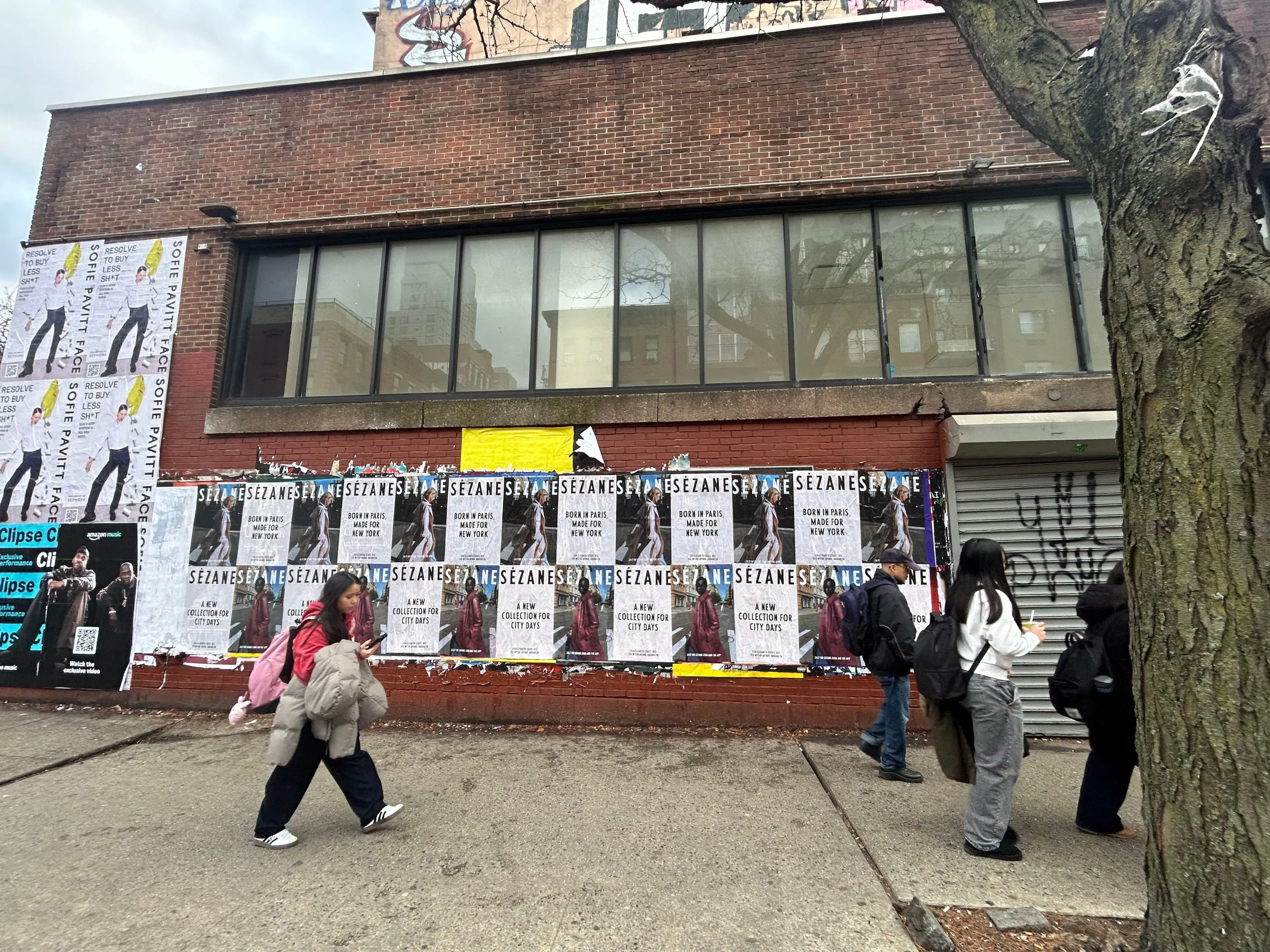
Most effective campaigns blend 2-3 neighborhoods to reach a broader audience while maintaining density in a primary market. Wheatpaste campaigns start at $3,500. A multi-neighborhood wheatpaste buy typically ranges $10,000 to $18,000. Range varies by turnaround, size, location count, and combined service mix. Final quote returns inside 24 to 48 hours.
Example 1: Fashion Brand (Sézane-style)
- Primary: Williamsburg (core audience, highest Instagram potential)
- Secondary: Greenpoint (design-adjacent), DUMBO (premium retail)
- Split: roughly 60 percent primary, 40 percent secondary
- Focus: Wheatpaste for all, high design quality, Instagram amplification with influencers
Example 2: Music Brand
- Primary: Bushwick (core music audience)
- Secondary: Crown Heights (hip-hop culture), Williamsburg (discovery/crossover audience)
- Split: roughly half primary, half secondary
- Focus: Wheatpaste + mural, music blog press outreach, event tie-ins
Example 3: Advocacy Campaign
- Primary: Bed-Stuy (core nonprofit audience)
- Secondary: Park Slope (community values), Prospect Heights (institutional + students)
- Split: roughly half primary, half secondary
- Focus: Message-driven wheatpaste, organizational partnership amplification, community event tie-ins
Example 4: DTC Multi-Category
- Primary: Williamsburg (fashion, luxury)
- Secondary: Bushwick (culture, trend-forward), Greenpoint (independent retail)
- Split: roughly 40 percent primary, 60 percent secondary
- Focus: Wheatpaste for each neighborhood with localized messaging, influencer + press amplification
Surface Inventory Summary
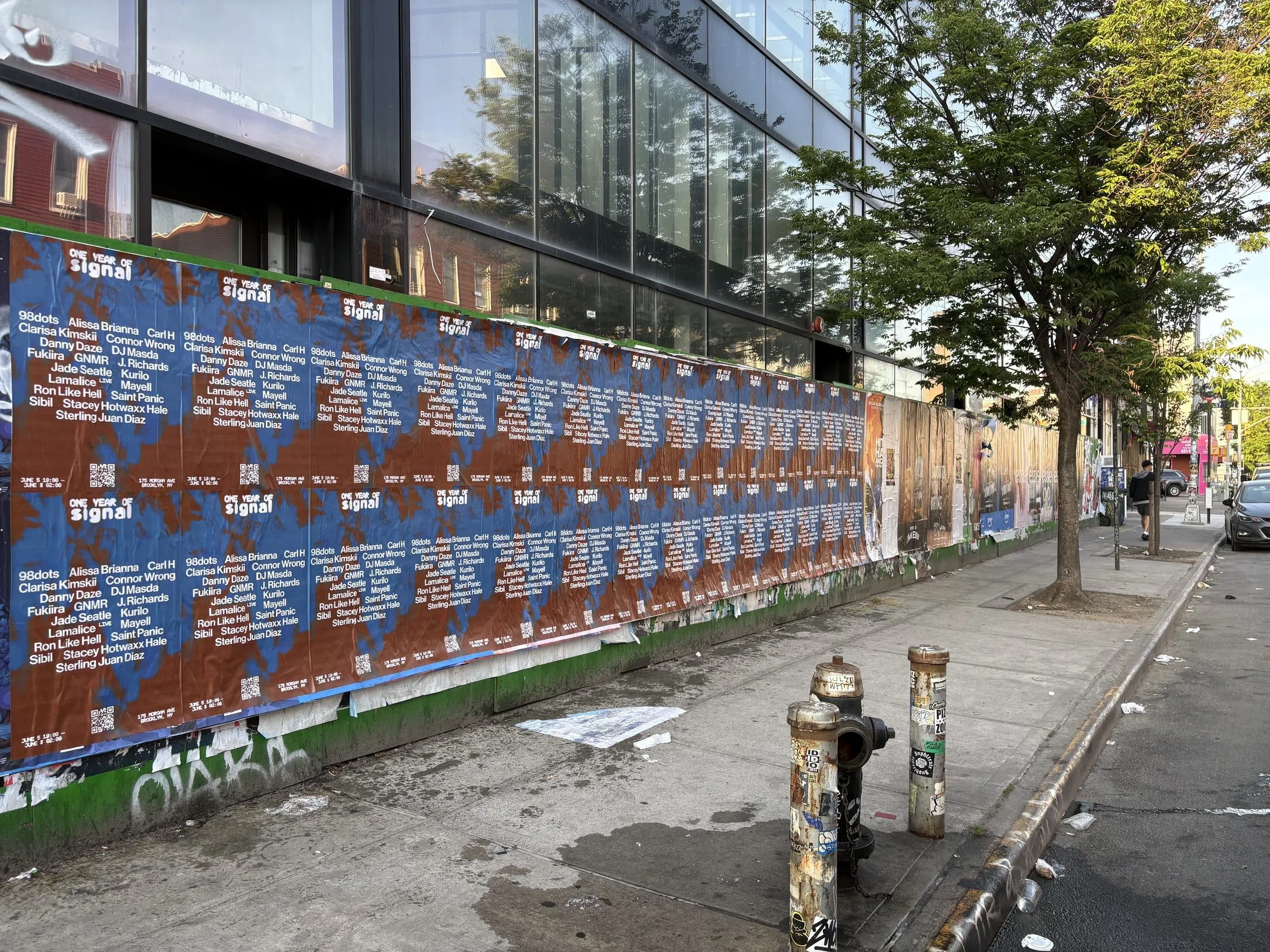
Quick reference: total available walls per neighborhood (approximate, supply varies monthly).
| Neighborhood | Estimated Walls | Typical Lead Time | Enforcement | Primary Partner Type |
|---|---|---|---|---|
| Williamsburg | 50-80 | 3-6 months | Moderate (occasional removals) | Property managers, developers, galleries |
| Bushwick | 40-60 | 4-8 weeks | Low (artist-friendly) | Artists, galleries, music venues |
| Greenpoint | 20-35 | 3-6 weeks | Low-moderate | Independent retailers, small businesses |
| DUMBO | 8-12 | 8-12 weeks (permitting) | High (corporate, strict) | Property management, luxury retail |
| Park Slope | 15-20 | 3-6 weeks | Low (community-friendly) | Nonprofits, community institutions |
| Prospect Heights | 15-25 | 4-8 weeks | Low-moderate | Cultural institutions, libraries, schools |
| Crown Heights | 25-35 | 4-8 weeks | Low (community-dependent) | Music venues, community organizations |
| Bed-Stuy | 30-45 | 3-8 weeks | Low (community-friendly) | Nonprofits, community centers, institutions |
Permit Landscape: The Brooklyn Version
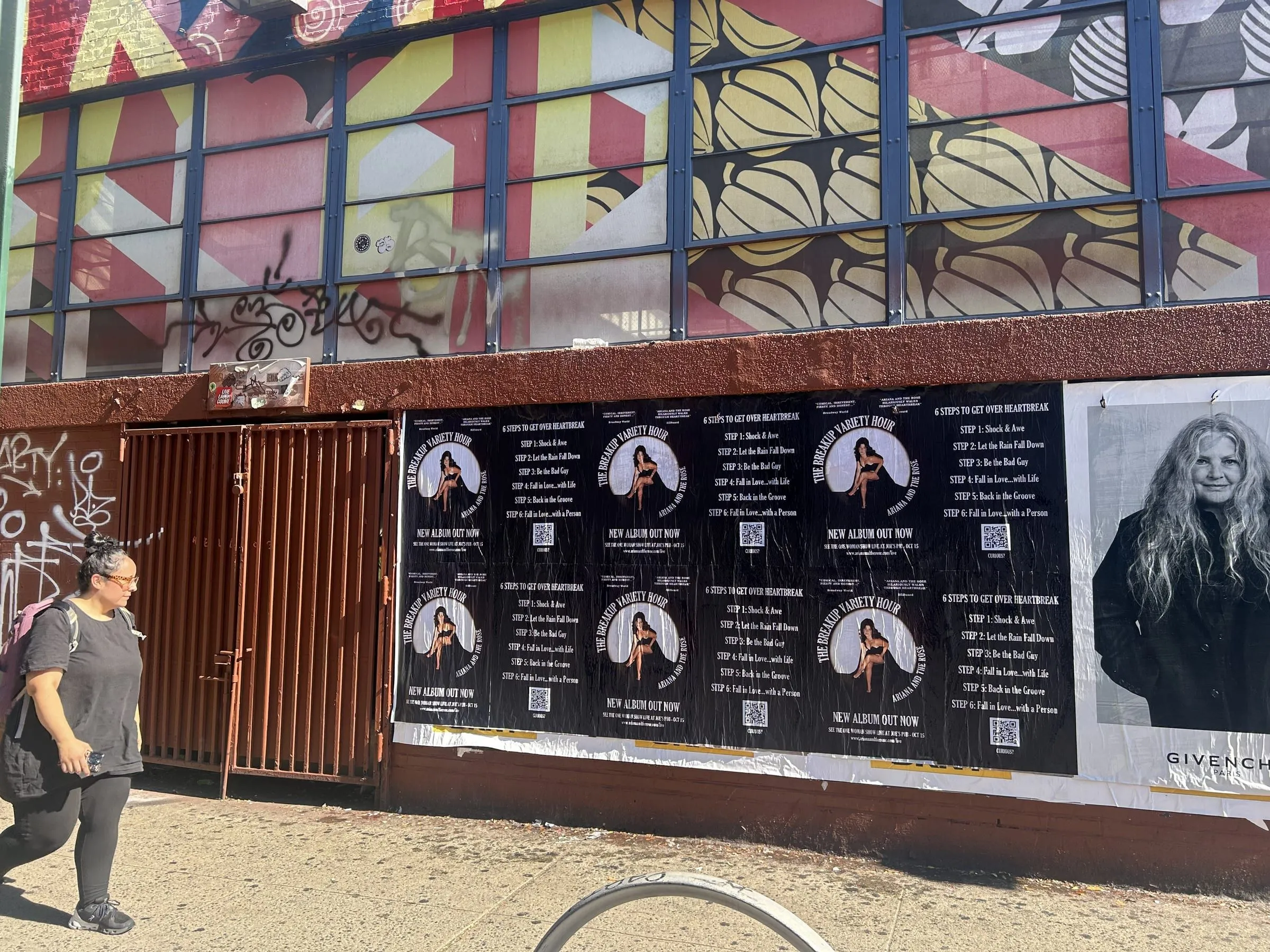
All professional campaigns in Brooklyn operate on one of three permit models.
Model 1: Private Property with Owner Consent (99 percent of guerrilla)
- Process: Identify wall → approach property owner → negotiate agreement → document in writing → install
- Cost: $0 (city) + property owner fee ($20-$150)
- Timeline: 2-4 weeks (dependent on property owner availability)
- Enforcement: Removal only if property owner changes their mind or removes the campaign per the agreed timeline
Model 2: City Permit (Murals and Painted Work)
- Process: a mural carrying brand text or a logo may be treated as a sign and file as a Department of Buildings sign permit. In a historic district it also needs Landmarks Preservation Commission review. Artwork on construction sheds, fences and scaffolding runs through City Canvas, where Cultural Affairs approves the design and Buildings approves the structure
- Cost: city filing and permit fees are set by the published fee schedule and scale with the work; mural labor is quoted separately
- Timeline: 6-12 weeks on our own scheduling
- Enforcement: governed by the permit terms and the owner agreement, not by a separate city sign-off on removal
Model 3: Venue Agreement (Interior Install)
- Process: Negotiate with venue (subway station, retail, event space) → sign advertising contract → install
- Cost: $2,000-$50,000 (depends on venue and duration)
- Timeline: 4-8 weeks
- Enforcement: Contract-governed; removal per contract terms
BSM handles all permitting and owner agreements. We maintain relationships across all three models and advise on the fastest, most cost-effective path per project.
Why BSM: Brooklyn Advantage
BSM is Brooklyn-HQ. We’re not an out-of-market agency flying crews in. We live in these neighborhoods. The crew walks these blocks. We maintain standing relationships with property owners across Williamsburg, Bushwick, Greenpoint, Park Slope, Prospect Heights, Crown Heights, and Bed-Stuy. That translates to:
- Faster scouting: 1-2 weeks instead of 3-4
- Better wall access: pre-existing relationships with key property owners
- Local knowledge: foot-traffic patterns, seasonal variations, enforcement nuances
- Crew continuity: same installers every campaign, they know the blocks
- Community relationships: especially in Bed-Stuy, Crown Heights, Bushwick where trust matters
Send a Brooklyn brief: neighborhood, format, audience, budget. We’ll deliver a wall list, scouting photos, and cost estimate within 48 hours.
Brooklyn is not one market. It’s eight distinct media channels, each with its own audience, foot traffic, and message opportunity. Choose the right neighborhood and the campaign lands. Choose the wrong one and it disappears into the noise.